
Blog
Discover our latest articles and blogs
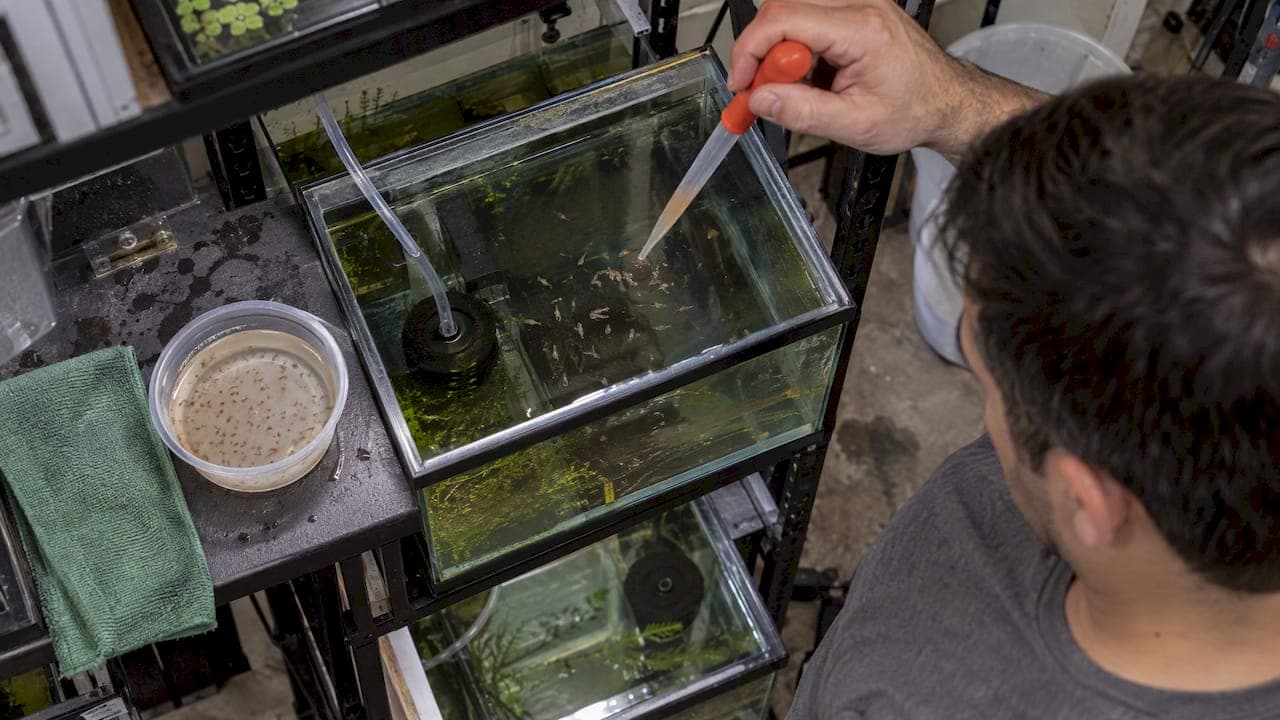
Match Feed to 400–500 µm Gape: Daphnia vs Brine Shrimp for Hobbyists
Hobbyist comparison: Daphnia or brine shrimp? Match prey to mouth gape (400–500 µm), weigh salt vs freshwater culture, learn hatch timing and when to buy...
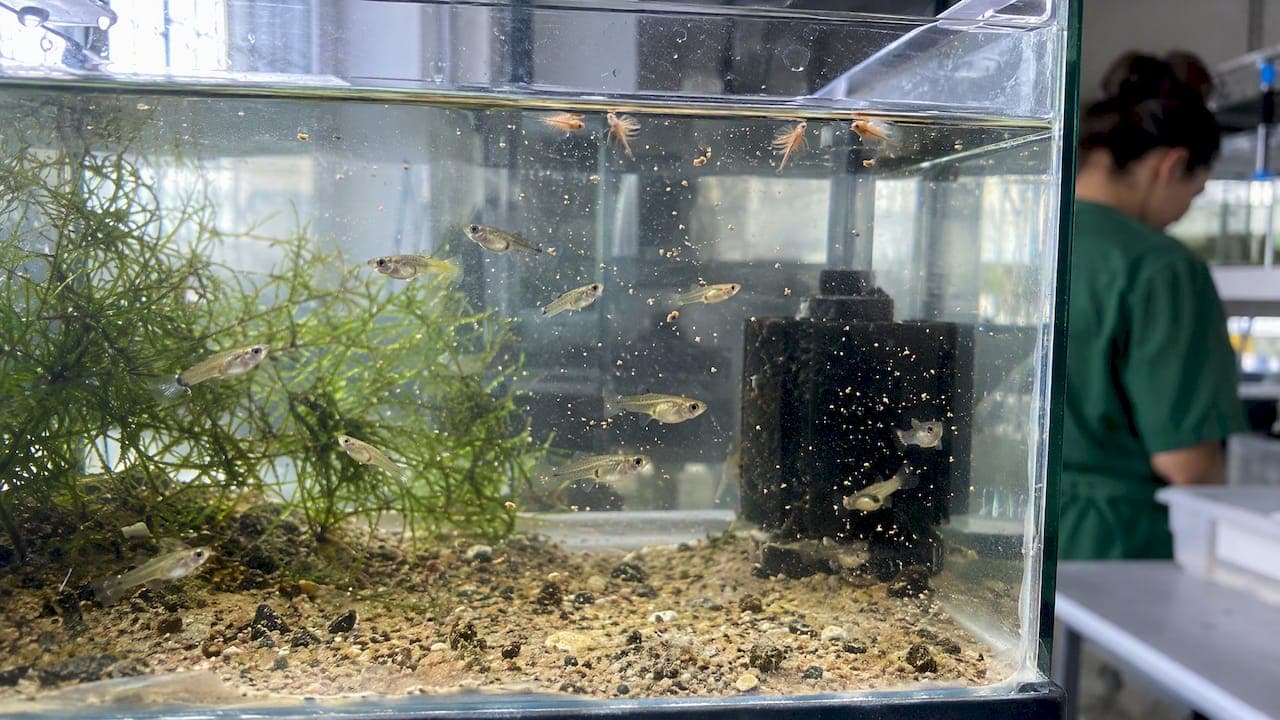
Keep More Molly Fry Alive: Particle Sizes, Weaning, Farmed Artemia
Stage by stage feeding for molly fry: exact particle sizes, cofeeding and weaning timelines, and when to use farmed Artemia raised on microalgae.
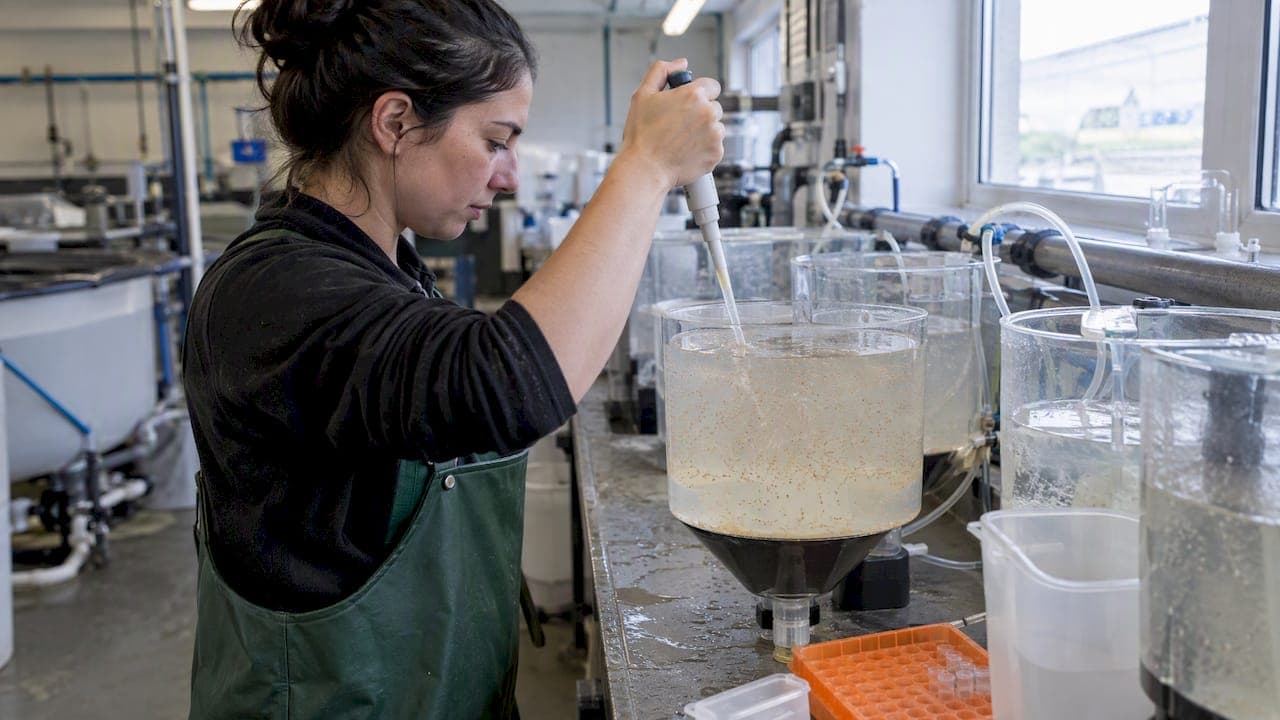
Hatcheries: Reduce Live Feed Pathogens Using Phages and Probiotics
Evidence based steps for hatcheries to detect and control live feed pathogens with lab testing, probiotics, phages, and safer Artemia sourcing.
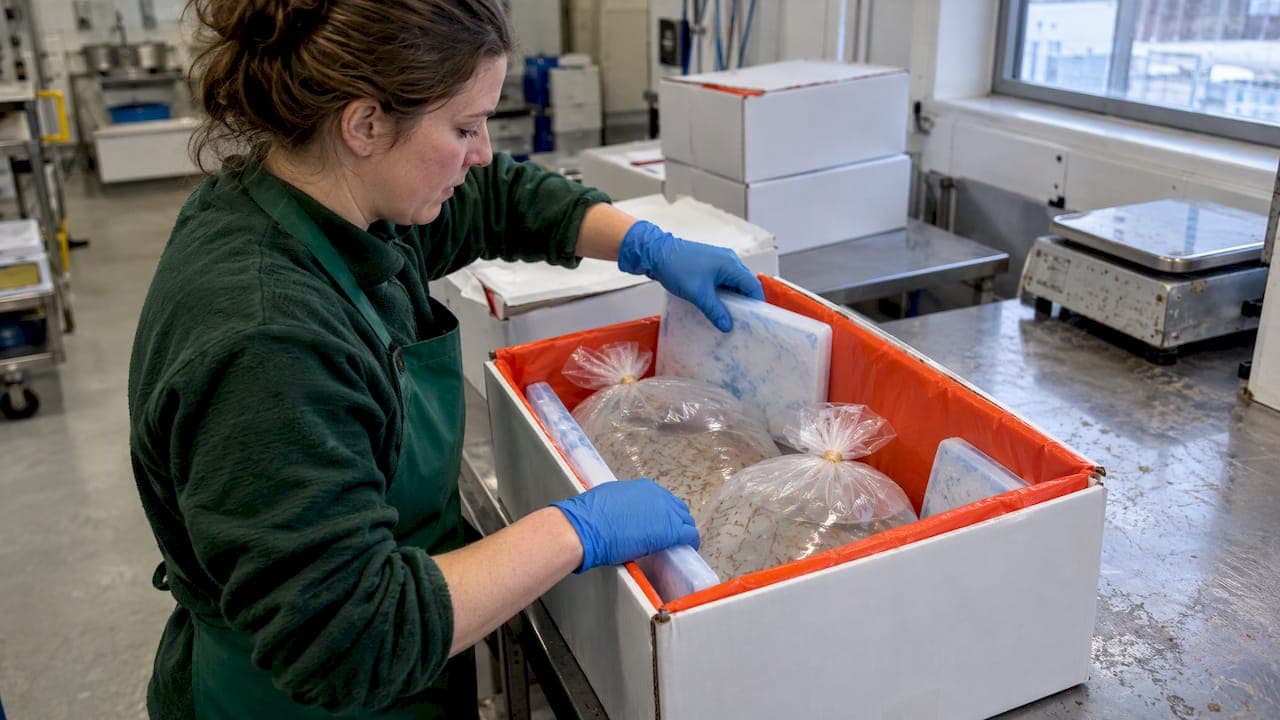
2–10°C, 4 ppm O2: Summer Shipping for Live Food for Shippers
Protect live brine shrimp in summer shipments. Use 2–10°C storage, keep dissolved oxygen above 4 ppm, and follow a preflight packaging and pickup checklist.
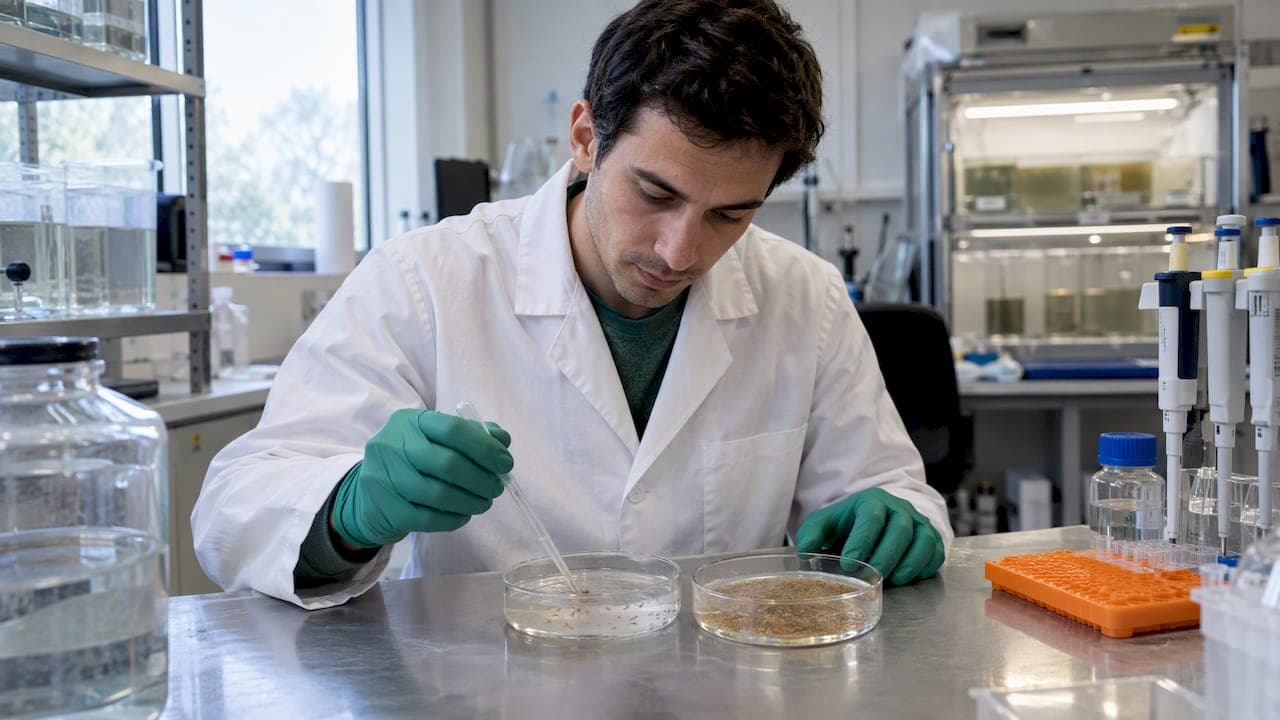
90%+ Hatch, Less Batch Variance for Labs: Research Grade Brine Shrimp
Lab guide to research grade brine shrimp: 24 hour hatch protocol, 90%+ acceptance checklist, supplier QC, and why Dunaliella fed sourcing reduces batch...
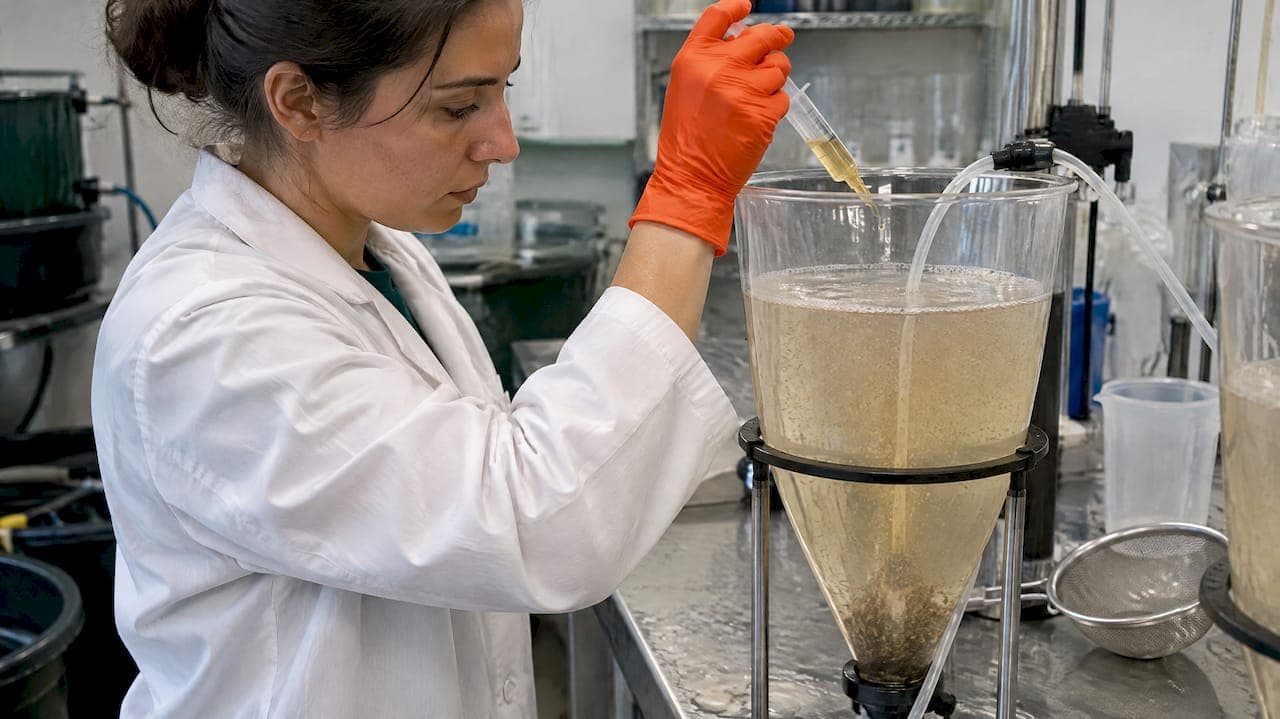
Hatcheries & Hobbyists: 2:1 DHA:EPA Live Feed Enrichment Protocol
Evidence-backed protocols to enrich rotifers and Artemia: DHA:EPA 2:1, 8–24h windows, DO>4 mg/L. Microalgae fed Artemia example.
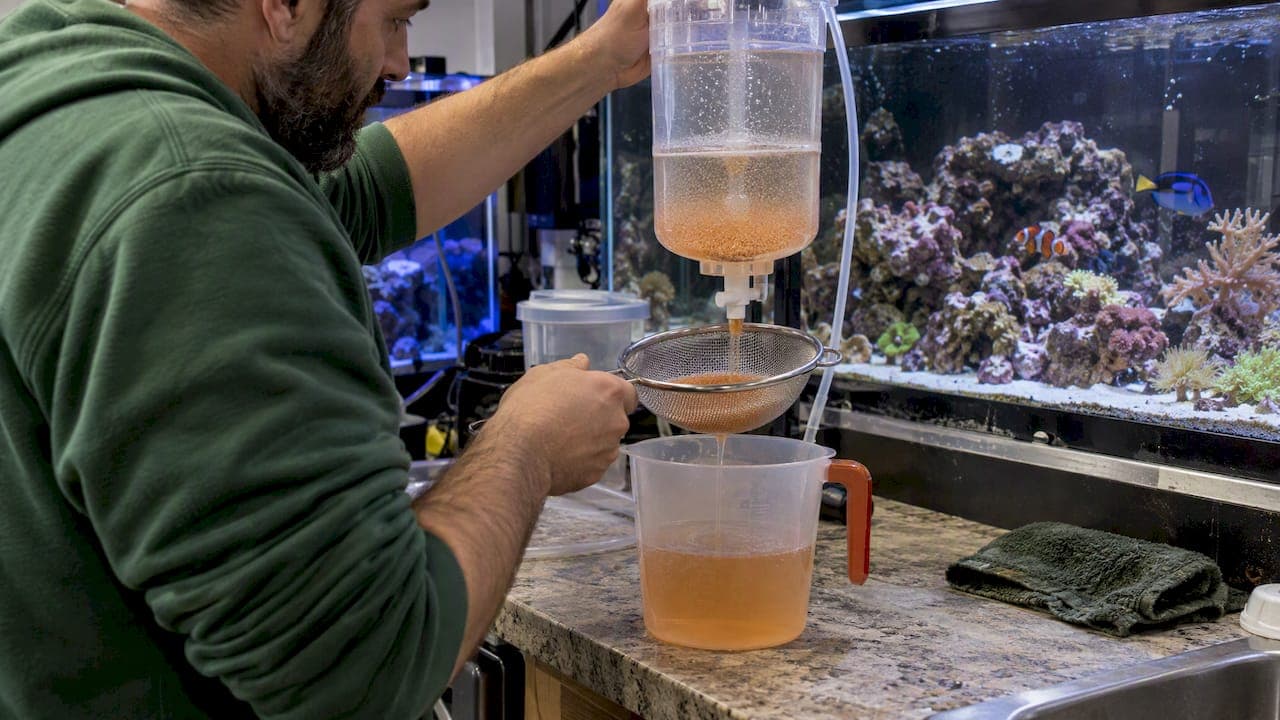
Hatch Right or Buy: Reef Tank Brine Shrimp in 18–26 Hours
Hands-on hatch protocol at 79–86°F and 25–35 ppt, harvest in 18–26 hours, enrich nauplii for mandarins and pipefish, or choose microalgae‑fed live shipments.
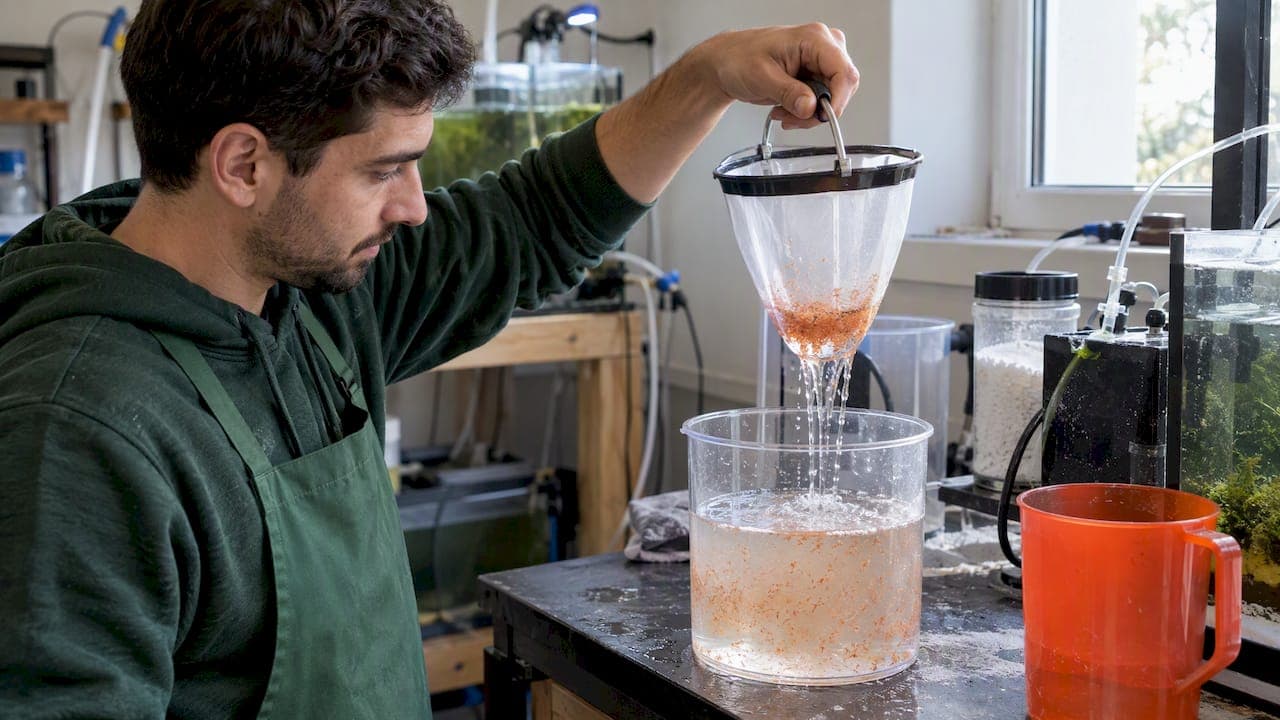
100–130 µm Brine Shrimp Sieves for Hobbyists: 22–36 Hr Harvest Timing
Choose the right sieve and 100–130 µm mesh for nauplii. Get product picks, 22–36 hr harvest timing, rinsing steps, and a farmed live-brine alternative.
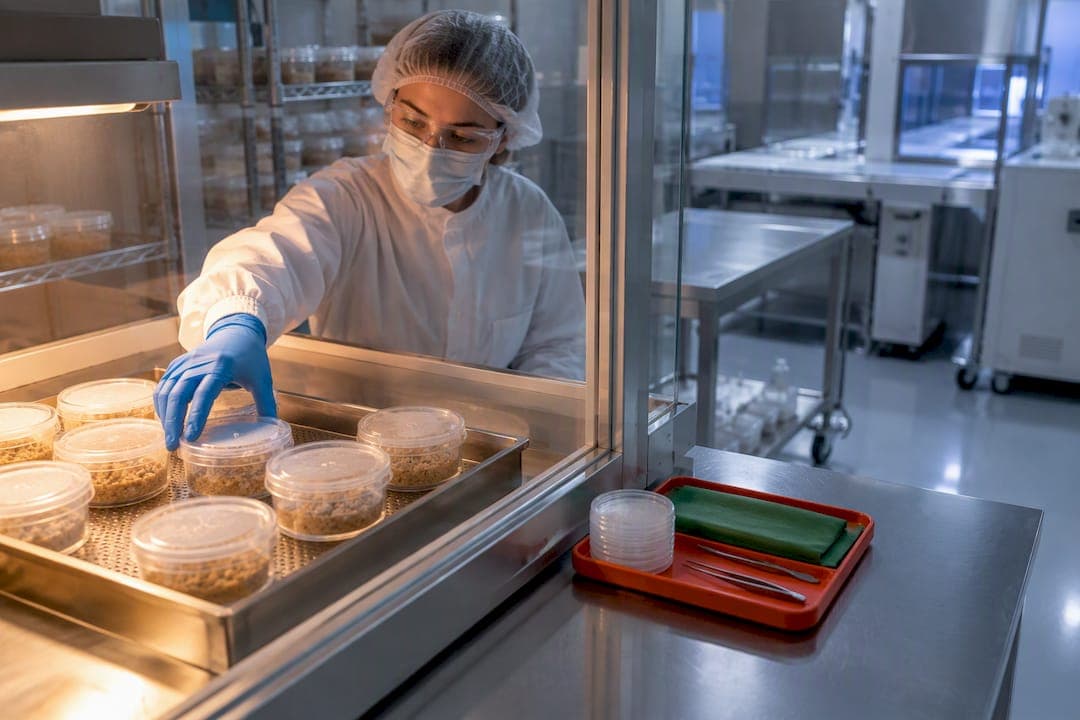
3 Controls That Cut Live Feed Biosecurity Risk for Producers
An operations first playbook for producers. Quarantine and verify every incoming live feed lot, then apply stage by stage controls from hatch to farm...