

Live fish food is defined as any living organism fed directly to aquarium or farm fish to deliver superior nutrition and natural feeding stimulation. Customer education on live fish food benefits starts with one core fact: live prey outperforms processed feed on nearly every measure that matters to fish health, breeding, and long-term vitality. Experts recommend integrating live food at 20–30% of feeding occurrences to stimulate hunting behavior, sharpen appetite in picky eaters, and deliver nutrients that pellets and flakes simply cannot replicate. Demeterbioscience builds its entire product line around this principle, farming live brine shrimp fed exclusively on the microalgae Dunaliella to guarantee at least 40% protein content per batch.
1. What are the top live fish foods and their distinct benefits?
The best live food for fish falls into a handful of well-studied categories, each with a distinct nutritional profile and feeding use case. Knowing which food to use and when separates hobbyists who see results from those who spin their wheels.
Brine shrimp deliver 60% protein plus fatty acids, making them the top choice for feeding fry and conditioning breeding pairs. Species like bettas and guppies show measurable color improvement and faster early growth when brine shrimp are a regular part of the diet. Demeterbioscience's farmed brine shrimp carry consistent protein levels because the animals are never starved before harvest, unlike wild-caught alternatives.
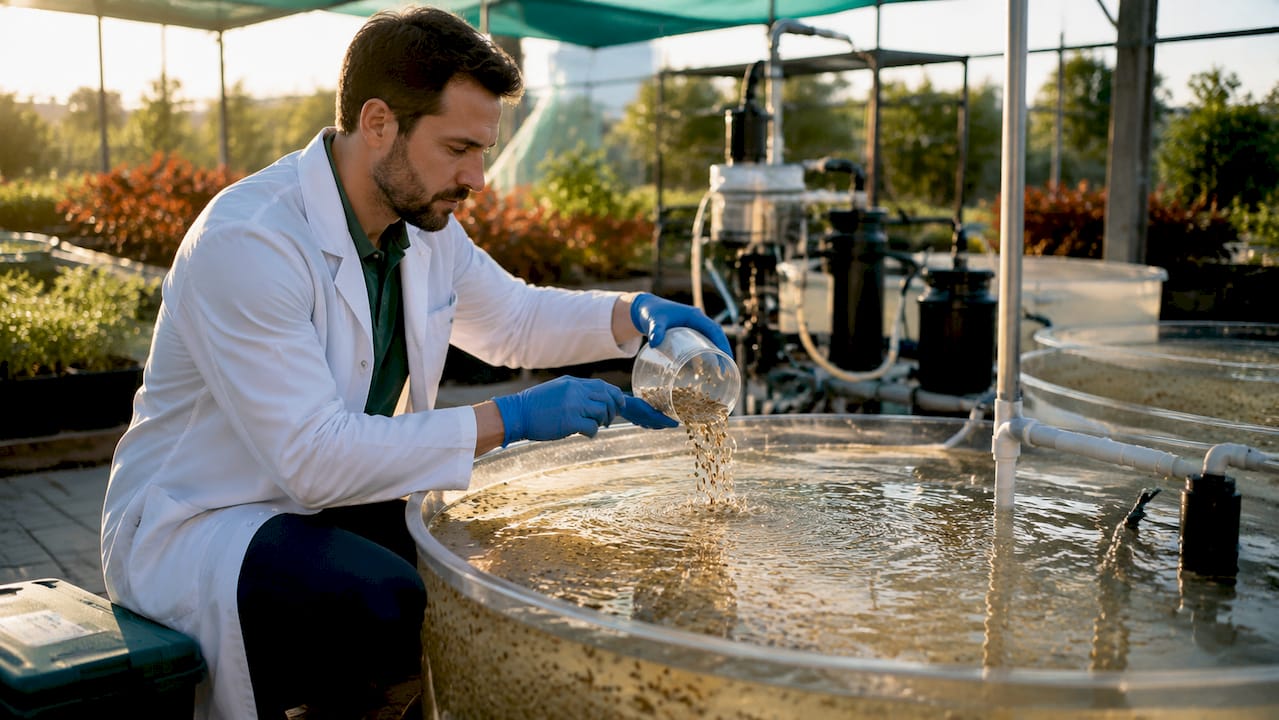
Bloodworms clock in at 55% protein and work well as a high-energy treat for carnivorous and semi-carnivorous species. They trigger an immediate feeding response, which makes them useful for coaxing reluctant fish back to regular eating.
Daphnia provide 42% protein plus dietary fiber, a combination that supports digestion and prevents bloating in sensitive species like goldfish and fancy guppies. Their small size also makes them ideal for juvenile fish that cannot yet handle larger prey.
Scuds (freshwater amphipods) graze biofilm and decaying matter, which actively improves water quality while providing nutrition. They self-replenish continuously, making them a near zero-maintenance feeding resource once a culture is established.
Grindal worms and microworms round out the toolkit for nano fish and fry. Both are easy to culture at home and deliver solid protein for small-mouthed species.
| Live food | Protein content | Best use case |
|---|---|---|
| Brine shrimp | 60% | Fry, breeding conditioning, color enhancement |
| Bloodworms | 55% | Carnivores, appetite stimulation |
| Daphnia | 42% + fiber | Digestion support, sensitive species |
| Scuds | High (variable) | Ecosystem tanks, self-sustaining culture |
| Microworms | Moderate | Nano fish, fry first foods |
Pro Tip: Compare live versus frozen brine shrimp before committing to a feeding routine. Live shrimp retain fatty acids and trigger a stronger feeding response than frozen alternatives.
2. How does live fish food improve fish behavior and ecosystem health?
Live food stimulates the hunting instinct, encourages more active behavior, and reduces stress in aquarium fish. That is not a minor benefit. Chronic stress suppresses immune function and shortens lifespan, so anything that reduces it pays dividends across the fish's entire life.
Processed feed lands in the tank and sits still. Live prey moves, and that movement triggers a hardwired predatory response. Fish that chase and catch their food show higher activity levels, better muscle tone, and lower cortisol-equivalent stress markers compared to fish fed exclusively on pellets.
Live foods also provide functional feeding enrichment that affects fish physiology and behavior beyond what crude nutritional values capture. A fish that hunts is a fish that is mentally engaged. Mental engagement reduces aggression caused by boredom and keeps social dynamics in community tanks more stable.
Scuds take the ecosystem benefit further. A self-replenishing scud culture in a planted tank grazes biofilm, breaks down organic waste, and keeps substrate clean between water changes. The tank becomes biologically active rather than just aesthetically maintained.
Key behavioral benefits of live food feeding:
- Triggers natural predatory sequences (stalk, chase, capture)
- Reduces stress-related hiding and fin-clamping behavior
- Improves appetite in species that refuse dry food
- Provides mental stimulation that reduces aggression
- Supports healthier activity levels and muscle development
Pro Tip: Introduce live food at the same time each day. Fish learn feeding schedules quickly, and a predictable routine reduces competition stress in community tanks.
3. What are best practices for feeding and culturing live fish food sustainably?
Feeding live food effectively requires a plan, not just a bag of worms tossed in at random. The 20–30% integration rule gives you a practical starting point. For most community tanks, that means two to three live food feedings per week alongside high-quality commercial pellets or flakes.
Rotation prevents nutritional gaps
Rotating live food types prevents nutritional gaps and health problems like bloating in sensitive species. Alternating brine shrimp (high protein, fatty acids) with daphnia (protein plus fiber) covers a wider nutritional range than either food alone. Rotation also stimulates varied natural behavior, which prevents feeding fatigue.
Culturing at home cuts costs and improves freshness
Home culturing creates a renewable live food source with better nutrition and a stronger feeding response than store-bought alternatives. Daphnia and microworm cultures cost very little to maintain once established. Scud cultures are the most hands-off option because the population self-regulates.
Recommended feeding schedule by fish stage:
- Fry (0–4 weeks): Feed live food at every meal. Brine shrimp nauplii and microworms are the best first foods.
- Juveniles (4–12 weeks): Live food at 30% of feedings, commercial food for the remainder.
- Adults (breeding season): Increase live food to 30% or higher to condition breeding pairs.
- Adults (maintenance): Live food at 20% of feedings is sufficient for most species.
Pro Tip: When sourcing live brine shrimp rather than hatching cysts yourself, choose a supplier like Demeterbioscience that controls the entire growth cycle. Farm-raised shrimp fed on Dunaliella algae arrive with full guts and consistent protein, unlike wild-caught shrimp that may have been starved before harvest.
A balanced combination of live and commercial food creates better long-term health outcomes than relying on either alone. Live food supplements the diet. It does not replace the mineral and vitamin fortification built into quality commercial feeds.
| Fish stage | Live food frequency | Recommended live food types |
|---|---|---|
| Fry | Every feeding | Brine shrimp nauplii, microworms |
| Juveniles | 30% of feedings | Daphnia, microworms, small brine shrimp |
| Adults (breeding) | 30%+ of feedings | Brine shrimp, bloodworms, daphnia |
| Adults (maintenance) | 20% of feedings | Brine shrimp, daphnia, scuds |
For aquaculture farmers managing larger volumes, Demeterbioscience offers bulk brine shrimp orders that make consistent live feeding practical at scale without the overhead of running your own hatchery.
4. How do live fish foods affect breeding success and fish coloration?
Protein-rich live foods improve breeding success, coloration, and overall vitality in aquarium fish. This is where the advantage of live fish food becomes most visible to hobbyists and farmers alike.
Breeding pairs need conditioning before spawning. Live food provides the caloric density and micronutrient variety that triggers reproductive readiness. Fish fed exclusively on pellets during the pre-spawn period often show reduced egg counts and lower fry survival rates compared to fish conditioned on live food.
Carotenoid pigments in live prey, particularly in brine shrimp, deposit directly into fish tissue and intensify natural coloration. Species like discus, cichlids, and killifish show noticeably richer color when brine shrimp are fed regularly. This is not a cosmetic bonus. Vibrant coloration signals health and genetic fitness, which also influences mate selection and spawning success.
Key breeding and coloration benefits of live food:
- Conditions breeding pairs with high-calorie, nutrient-dense meals
- Carotenoids from brine shrimp intensify reds, oranges, and yellows
- Higher fry survival rates when live food is available from day one
- Improved egg quality linked to fatty acid content in live prey
- Stimulates spawning behavior in species that require dietary triggers
For a detailed breakdown of how pigments transfer from food to fish, the live food and fish color guide from Demeterbioscience covers the mechanism species by species.
Key Takeaways
Live fish food delivers nutritional, behavioral, and reproductive benefits that processed feed alone cannot match, making it a non-negotiable component of serious aquarium and aquaculture nutrition programs.
| Point | Details |
|---|---|
| Protein superiority | Brine shrimp at 60% protein and bloodworms at 55% outperform most commercial feeds on raw nutrition. |
| Behavioral enrichment | Live prey triggers natural hunting sequences, reducing stress and improving activity levels. |
| Feeding integration | Experts recommend live food at 20–30% of feedings, not as a sole diet. |
| Breeding conditioning | Live food improves egg quality, fry survival, and coloration through carotenoids and fatty acids. |
| Sustainable culturing | Self-replenishing cultures like scuds reduce cost and create biologically active tanks. |
What I've learned from years of working with live fish food
Most hobbyists treat live food as a reward or a special occasion. That is the wrong frame. Live food is a nutritional tool, and like any tool, it works best when used with a plan.
The biggest mistake I see is relying on a single live food type. Brine shrimp alone will not cover everything your fish need. Rotating between high-protein options and high-fiber options like daphnia is what actually prevents the health problems that show up months down the line. Variety is not optional. It is the mechanism.
Contamination and culture crashes are the two fears that stop people from culturing at home. Both are manageable. Keep cultures in separate containers, quarantine any new live food before adding it to a display tank, and maintain a backup culture of at least one species. Scuds are the best backup because they are nearly impossible to crash once established.
The deeper point is this: customer education on live fish food benefits is not just about knowing which food has the most protein. It is about understanding that live food changes how fish behave, how they breed, and how long they thrive. That understanding is what separates a hobbyist who gets results from one who keeps wondering why their fish look dull and refuse to spawn. Experiment with species-specific options, track what works, and treat live food as a permanent part of the feeding program, not a temporary fix.
— Demeter
Demeterbioscience live brine shrimp: farm-raised nutrition for serious fish keepers
Demeterbioscience farms live brine shrimp in land-based, controlled systems where every animal is fed exclusively on Dunaliella algae before harvest. That means you receive shrimp with full guts, consistent protein above 40%, and no seasonal variability in quality.
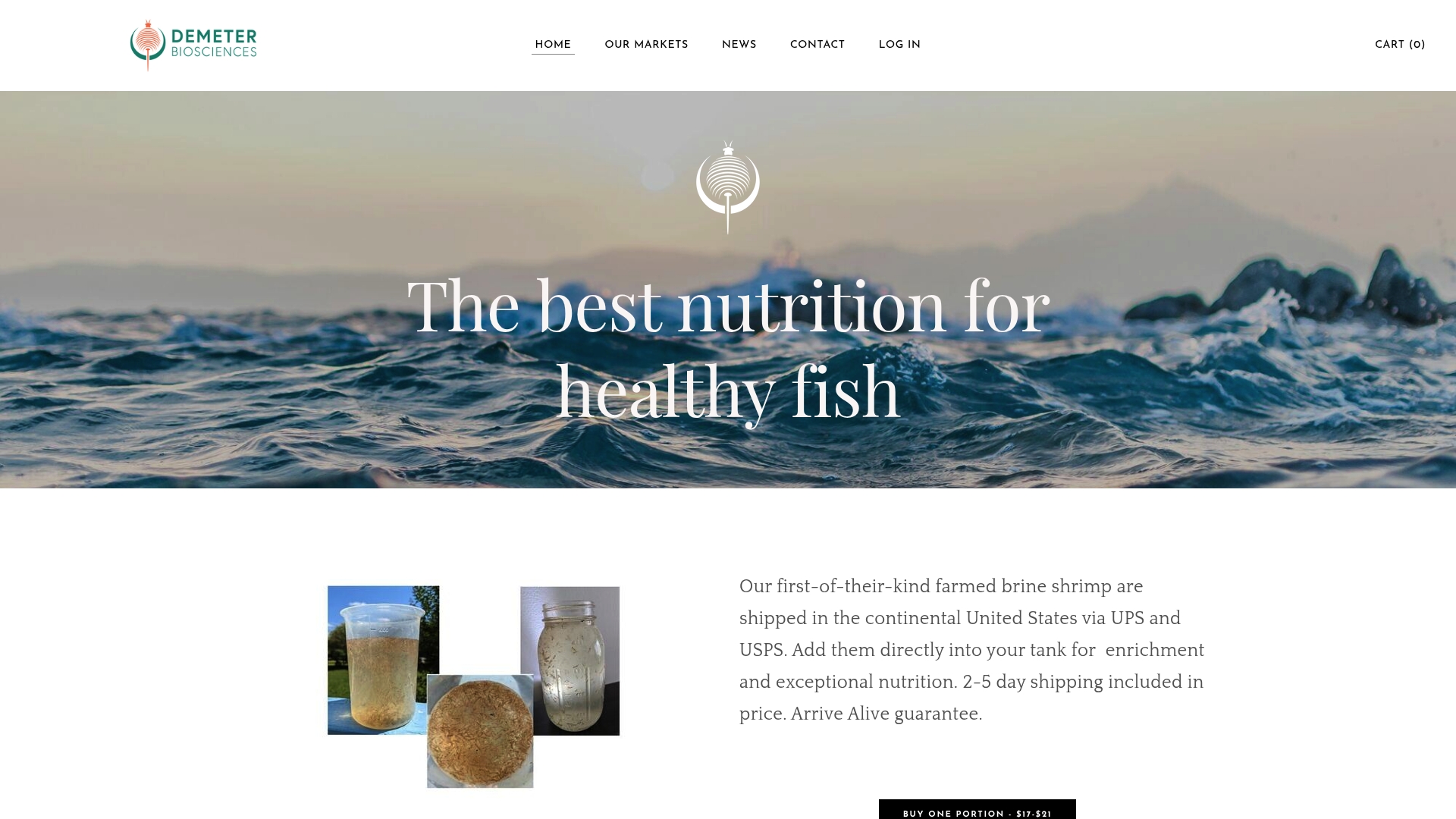
Whether you keep a single display tank or manage an aquaculture operation, the feeding routine works the same way: replace a portion of your current feed with live brine shrimp and watch how your fish respond within the first week. Demeterbioscience ships direct to your door with subscription options for monthly delivery, so maintaining a live food program requires no extra logistics. For fish keepers who want to choose the right live food for their specific species, the Demeterbioscience blog covers selection by tank type and fish stage.
FAQ
What is the best live food for aquarium fish?
Brine shrimp are the most widely recommended live food for aquarium fish due to their 60% protein content and fatty acids that support fry development, adult coloration, and breeding conditioning. Daphnia is the best choice for digestion support and sensitive species.
How often should I feed live food to my fish?
Experts recommend feeding live food at 20–30% of feeding occurrences, which translates to two to three live food meals per week for most adult fish. Fry benefit from live food at every feeding during the first four weeks of life.
Can live fish food improve fish color?
Yes. Carotenoid pigments in live prey, especially brine shrimp, deposit directly into fish tissue and intensify reds, oranges, and yellows in species like discus, cichlids, and killifish. The effect is visible within a few weeks of consistent live food feeding.
Is it safe to culture live fish food at home?
Home culturing is safe when you quarantine new cultures before introducing them to display tanks and maintain separate containers for each species. Scuds and daphnia are the easiest and lowest-risk cultures for beginners.
Does live food replace commercial fish food?
Live food supplements commercial diets but does not replace them. A balanced combination of live and commercial feed delivers better long-term health outcomes than relying on either source alone, since commercial feeds provide fortified vitamins and minerals that live prey may not cover consistently.