

Live brine shrimp (Artemia salina) are the gold standard for fry nutrition and feeding stimulation, while frozen brine shrimp offer a shelf-stable, lower-risk alternative for routine adult fish feeding. The live vs frozen brine shrimp differences come down to three factors: nutritional bioavailability, movement-based feeding response, and practical management. Knowing which form to use, and when, separates mediocre fish care from genuinely optimized feeding. Whether you run a home aquarium or a commercial hatchery, this comparison gives you the specifics to make that call with confidence.
What nutritional differences exist between live and frozen brine shrimp?
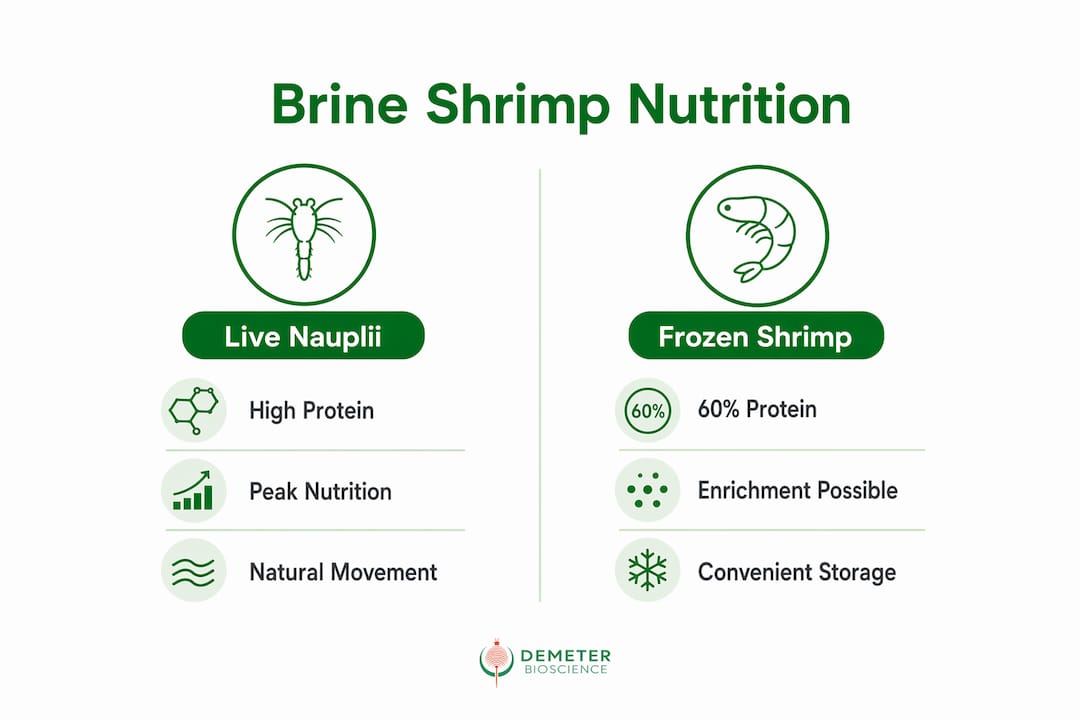
Live brine shrimp nauplii deliver their highest nutritional value within the first 24 hours post-hatch. That window matters because freshly hatched nauplii still carry their yolk sac, which is packed with essential amino acids and lipids. Once the yolk sac is consumed, nutritional value drops unless you gut-load the shrimp with a high-quality feed like Dunaliella algae.
Frozen brine shrimp, by contrast, contain approximately 60% protein and 15% fat on a dry weight basis. That is a solid nutritional profile for adult fish maintenance. The catch is that freezing destroys enzymatic activity, which reduces bioavailability compared to live nauplii. Digestive enzymes present in live shrimp help fish break down nutrients more efficiently.
The picture changes when enrichment enters the equation. Enriched frozen brine shrimp with added HUFAs (highly unsaturated fatty acids) and spirulina can reach 20–25% fat content. That surpasses the nutritional profile of non-enriched live shrimp that have been held too long. The label matters: frozen shrimp without enrichment are essentially protein shells with limited omega-3 value.
| Metric | Live Nauplii (under 24 hrs) | Frozen (non-enriched) | Frozen (enriched) |
|---|---|---|---|
| Protein (dry basis) | High, with active enzymes | ~60% | ~60% |
| Fat content | High lipid from yolk sac | ~15% | 20–25% |
| Enzymatic activity | Present and active | None | None |
| Shelf life | Hours to 1–2 days | 6–12 months | 6–12 months |
| Best use | Fry, breeders | Adult maintenance | Adult nutrition boost |
Pro Tip: Gut-load live nauplii with Dunaliella or Spirulina for 30–60 minutes before feeding. This extends their nutritional window and adds carotenoids that improve fish coloration.
For aquaculture professionals, the brine shrimp nutrition guide for larval fish breaks down how protein and lipid profiles shift across developmental stages. Matching prey form to fish stage is the core principle of effective aquaculture feeding.
How do feeding behaviors differ with live versus frozen shrimp?
Live shrimp movement is the single biggest behavioral advantage in this live vs frozen brine shrimp comparison. Live shrimp swim actively and remain suspended in the water column, triggering the predatory instinct in fish that would otherwise ignore food. Frozen shrimp sink or float depending on thaw state, and they produce no movement cue at all.
This distinction is most critical for:
- Fry and juvenile fish, which rely on movement to locate food and often will not recognize stationary particles as prey
- Shy or wild-caught species, where live food movement triggers feeding responses that frozen food cannot replicate
- Breeding conditioning, where live shrimp stimulate hormonal feeding activity in spawning pairs
- Newly imported fish, which are often stressed and refuse prepared foods but will strike at moving prey
- Mid-water and surface feeders, which respond to prey in the water column rather than on the substrate
Bottom-dwelling species are the exception. Corydoras, plecos, and similar fish do not chase moving prey. For them, frozen brine shrimp that sink to the substrate are actually more practical and just as effective.
Pro Tip: When acclimating a new wild-caught fish, offer live nauplii for the first week. The movement cue often breaks feeding refusal faster than any prepared food. Once the fish is eating confidently, transition to frozen or dry foods.
The science behind fish preferring live food goes deeper than simple instinct. Lateral line detection, visual contrast, and water displacement all play roles in how fish identify and pursue live prey.
What are the practical considerations for each form?
The practical side of the live vs frozen fish food comparison is where most hobbyists make their final decision. Live shrimp require active management. Frozen shrimp require a freezer and five minutes of prep.
Home hatching: cost and commitment
A two-hatchery unit system costs under $60 USD including an air pump. Running two units staggered 12 hours apart gives you a continuous daily supply of fresh nauplii. That setup works well for anyone raising fry or conditioning multiple breeding pairs. The time investment is real: daily harvesting, rinsing, and water quality checks are non-negotiable.
Frozen shrimp: storage and preparation
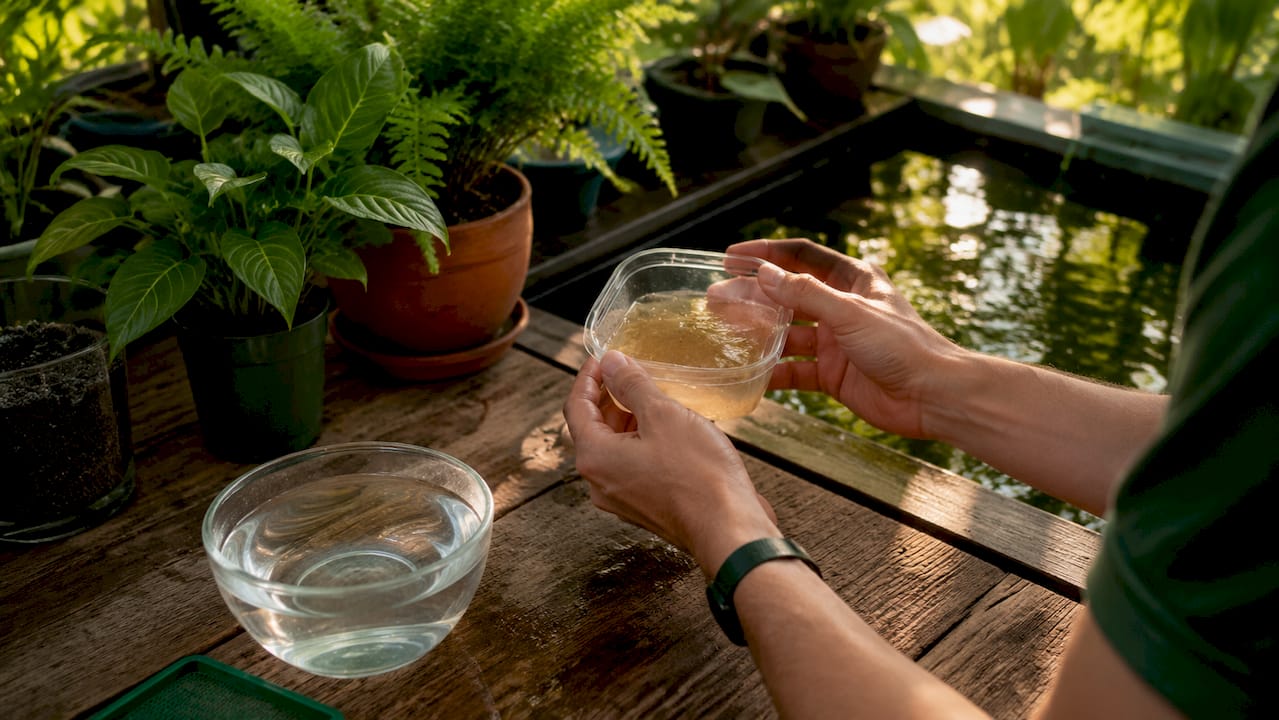
Frozen brine shrimp store for 6–12 months in a standard freezer. Before feeding, thaw a portion in a small cup of tank water, then rinse through a fine mesh net. Skipping the rinse introduces phosphate-rich thaw water into your tank, which accelerates algae growth. The recommended feeding frequency is 2–3 times per week for adult fish on a mixed diet.
Disease risk: a critical difference
Frozen brine shrimp carry significantly lower pathogen risk than live shrimp sourced from wild populations. The freezing process eliminates most parasites and bacteria. Live shrimp culture water should never be poured directly into your tank. Pathogen introduction from live feed is a real risk, especially in systems housing sensitive or immunocompromised fish.
| Factor | Live Brine Shrimp | Frozen Brine Shrimp |
|---|---|---|
| Setup cost | Under $60 for dual hatchery | Freezer space only |
| Daily time | 15–20 minutes | 5 minutes |
| Disease risk | Moderate (culture management required) | Low |
| Shelf life | Hours to 2 days | 6–12 months |
| Feeding response | High (movement stimulus) | Low to moderate |
| Best for | Fry, breeders, shy fish | Adult maintenance, bottom feeders |
When should you combine live and frozen brine shrimp?
A hybrid feeding strategy is the approach most experienced aquarists and aquaculture professionals use. Experts recommend using frozen brine shrimp as the baseline staple, supplemented by live shrimp for specific purposes. Here is a practical framework for building that rotation:
- Fry feeding (days 1–30): Use freshly hatched live nauplii exclusively. Their size (400–500 microns) and movement are matched to fry developmental needs. Frozen shrimp are too large and produce no feeding cue.
- Breeder conditioning (2–4 weeks pre-spawn): Introduce live brine shrimp daily alongside other protein-rich foods. The nutritional density and feeding stimulation accelerate reproductive readiness.
- Adult maintenance (ongoing): Feed frozen brine shrimp 2–3 times per week as part of a varied diet. Rotate with other frozen foods like mysis shrimp or bloodworms to cover nutritional gaps.
- Shy or newly added fish: Offer live nauplii for the first 1–2 weeks to establish a feeding response, then gradually introduce frozen options.
- Enrichment upgrade: When using frozen shrimp, select products labeled with HUFA or spirulina enrichment. Non-enriched frozen shrimp are nutritionally thin and do not justify their cost as a primary food source.
For live shrimp, gut-loading adds another layer of control. Feed your nauplii Dunaliella or Spirulina for 30–60 minutes before offering them to fish. This technique, sometimes called "green water feeding," loads the shrimp with carotenoids, omega-3s, and vitamins that transfer directly to your fish. Demeterbioscience's cultivation model is built around this principle: their brine shrimp are raised exclusively on Dunaliella algae, guaranteeing at least 40% protein content at the point of delivery.
The nutritional value of brine shrimp varies more than most hobbyists realize. Wild-harvested shrimp from natural salt lakes often arrive in a starved state, with depleted lipid reserves. Farm-raised shrimp fed on controlled algae diets deliver consistent nutrition that wild-caught sources simply cannot match.
Key takeaways
Live brine shrimp nauplii are nutritionally superior for fry and breeding fish, while frozen brine shrimp offer reliable adult nutrition and lower disease risk when properly enriched and prepared.
| Point | Details |
|---|---|
| Nutritional timing matters | Live nauplii peak in protein and lipids within 24 hours post-hatch; feed immediately after harvesting. |
| Enrichment defines frozen value | Only frozen shrimp labeled with HUFA or spirulina enrichment provide meaningful omega-3 nutrition. |
| Movement drives fry feeding | Live shrimp movement is irreplaceable for fry, wild-caught fish, and breeding conditioning. |
| Hybrid strategy wins | Use live shrimp for fry and breeders; use frozen 2–3 times per week for adult maintenance. |
| Disease risk is manageable | Never add live culture water to your tank; frozen shrimp carry significantly lower pathogen risk. |
What experienced aquarists get wrong about brine shrimp
Most hobbyists treat frozen brine shrimp as a direct substitute for live. They are not. They are a different tool for a different job.
After working closely with aquaculture operations and ornamental fish breeders, the pattern I see most often is this: people buy frozen brine shrimp, skip the label check, and wonder why their fish look dull or their fry survival rates are low. Non-enriched frozen shrimp are nutritionally hollow. They fill bellies without building bodies. The label check takes ten seconds and changes the outcome entirely.
On the live side, the mistake is timing. Nauplii held past 24 hours without gut-loading lose their yolk sac nutrition and become little more than moving protein. The movement still triggers feeding, but the nutritional payoff disappears. If you are running a hatchery, harvest on schedule and feed immediately. If you cannot commit to that routine, a quality farm-raised live shrimp subscription is a better option than poorly timed home hatching.
The fish always tell you what is working. Watch for active foraging, strong coloration, and consistent growth in fry. If any of those stall, the feed form is usually the first variable worth changing. Experiment with the hybrid approach, track your results, and adjust. There is no universal formula, but there is always a better answer than the one you started with.
— Demeter
Upgrade your feeding program with Demeterbioscience
If you are ready to move beyond guesswork in your feeding program, Demeterbioscience offers farm-raised live brine shrimp cultivated exclusively on Dunaliella algae, guaranteeing at least 40% protein content with every shipment. No seasonal variability. No starved, wild-harvested shrimp with depleted lipid reserves.
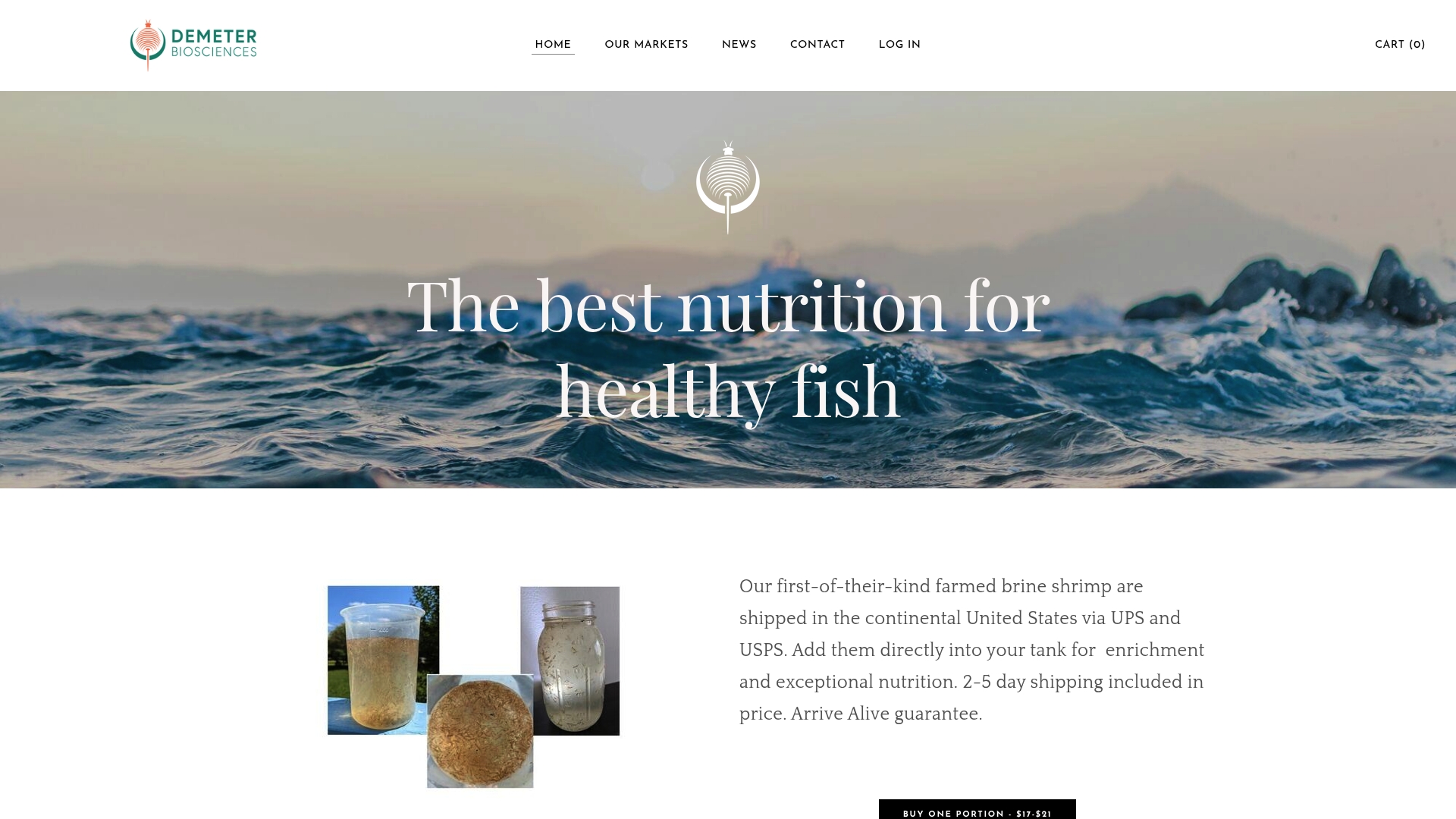
Demeterbioscience ships live brine shrimp directly to aquarists and aquaculture operations, with monthly subscription plans for consistent supply and bulk retail packages for fish stores and public aquariums. Their controlled, land-based cultivation system removes the nutritional inconsistency that makes wild-sourced live feed unreliable. Explore the full brine shrimp product range or reach out to the team at Demeterbioscience to find the right feeding solution for your system.
FAQ
What is the main difference between live and frozen brine shrimp?
Live brine shrimp provide active movement that triggers natural feeding responses and deliver peak nutrition within 24 hours of hatching. Frozen brine shrimp offer convenience and lower disease risk but lack enzymatic activity and movement stimulus.
Are frozen brine shrimp nutritious enough for fish?
Frozen brine shrimp contain approximately 60% protein on a dry basis and are suitable for adult fish maintenance. Enriched frozen shrimp with added HUFAs and spirulina provide meaningfully better nutrition than non-enriched versions.
How often should i feed frozen brine shrimp to my fish?
The recommended feeding frequency for frozen brine shrimp is 2–3 times per week as part of a varied diet. Always thaw and rinse frozen shrimp before feeding to remove phosphate-rich thaw water.
Can i use frozen brine shrimp to feed fry?
Frozen brine shrimp are generally not suitable as the primary food for fry. Freshly hatched live nauplii at 400–500 microns are the correct size and provide the movement cue that fry need to locate and consume food.
Is live brine shrimp safe to add directly to my tank?
Live brine shrimp themselves are safe, but the culture water they are rinsed from should never enter your tank. Culture water can introduce pathogens and bacteria. Always rinse live nauplii through a fine mesh net before adding them to your aquarium.