
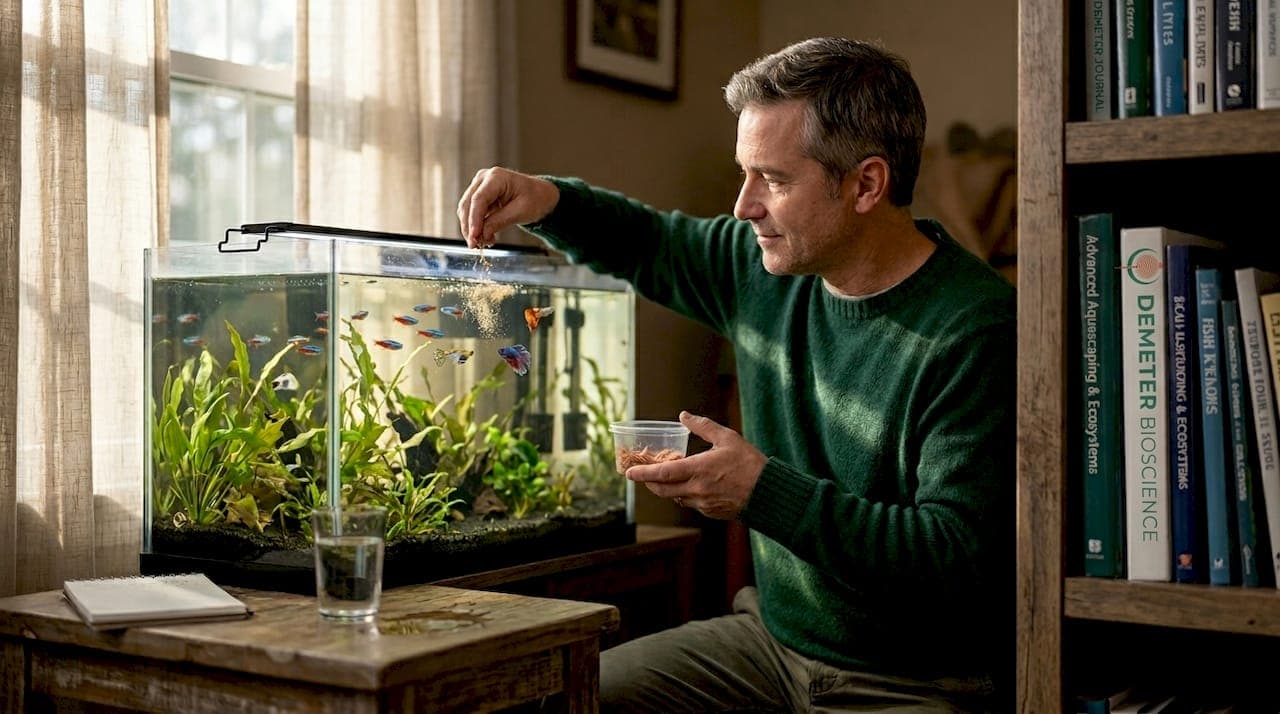
Fish coloration is one of the most rewarding aspects of keeping an aquarium, and understanding how live food improves fish color separates hobbyists who get results from those who stay frustrated. The popular idea that dropping live food into your tank triggers an instant color burst is understandable but wrong. Pigmentation is a biological process driven by specific nutrients absorbed and deposited over weeks. This guide breaks down the actual science, explains which live foods deliver the right compounds, and gives you a practical feeding strategy that produces visible, lasting results.
Table of Contents
- Key takeaways
- How live food improves fish color through pigment biology
- Live food types and their carotenoid content
- The timeline and mechanism of color improvement
- Practical feeding strategies for better color
- Other factors that affect fish color
- My honest take on live food and color expectations
- Bring Demeterbioscience brine shrimp into your color routine
- FAQ
Key takeaways
| Point | Details |
|---|---|
| Carotenoids drive warm-toned color | Fish cannot produce carotenoids on their own, so dietary sources like live brine shrimp are the only way to saturate chromatophores. |
| Color changes take weeks, not days | Visible improvement typically appears at 2 to 4 weeks, with full effects at 6 to 8 weeks of consistent feeding. |
| Gut-loading matters enormously | Unenriched live prey carries minimal carotenoids; feed your brine shrimp algae before offering them to fish for real color impact. |
| Live food works best as a supplement | Pair live food with carotenoid-rich pellets or flakes rather than replacing staple diet entirely. |
| Environment amplifies dietary gains | Water quality, stress levels, and lighting all affect how vividly dietary pigments actually appear. |
How live food improves fish color through pigment biology
To get real results from any color-enhancing fish diet, you need to understand what actually controls fish color at the cellular level. The relevant term here is chromatophore biology. Chromatophores are specialized pigment-bearing cells embedded in fish skin, and they come in several types. Xanthophores produce yellows. Erythrophores produce reds and oranges. Melanophores control dark browns and blacks. Each type stores specific pigment compounds, and the intensity of that stored pigment depends almost entirely on what the fish eats.
The most important pigments for hobbyists chasing vivid reds, oranges, and yellows are carotenoids. Compounds like astaxanthin and lutein belong to this group. Here is the critical biological fact: fish cannot synthesize carotenoids on their own. Every molecule of astaxanthin that ends up in a chromatophore cell got there through food. That is why diet is recognized as the most powerful tool for enhancing warm-toned colors in ornamental fish.
Once a fish ingests carotenoids from food, the compounds are absorbed through the gut, transported through the bloodstream, and deposited into chromatophore cells over time. This process is gradual. It is not a switch you flip. The more consistent the dietary input, the more saturated those chromatophores become, and the richer the color the fish displays.
Key pigment types and the colors they produce:
- Astaxanthin: Intensifies reds and oranges, particularly in salmon-colored or red-bodied species
- Lutein: Drives yellow tones, common in tropical community fish
- Canthaxanthin: Deepens red-orange pigmentation, often found in crustacean-based live foods
- Beta-carotene: Converts partially to other carotenoids in the body, adding a broad orange-yellow baseline
Blues, greens, and iridescent colors come from structural coloration rather than pigment, so live food has little direct impact on those hues. Focusing your live food strategy on species with warm-toned color markings will give you the clearest results.
Live food types and their carotenoid content
Not every live food carries meaningful carotenoid levels, and this is where many hobbyists get misled. The live food benefits fish only when it actually contains the right compounds. Here is how the common options stack up.
| Live food | Carotenoid content | Best for |
|---|---|---|
| Brine shrimp (Artemia) | High astaxanthin when algae-fed | Reds, oranges across most species |
| Krill | High astaxanthin and canthaxanthin | Deep red enhancement in larger fish |
| Daphnia | Low to moderate, varies by diet | General health, limited color impact |
| Tubifex worms | Negligible carotenoids | Protein source only |
| Mosquito larvae | Low carotenoids | Behavioral stimulation, not color |
Brine shrimp and krill are the clear leaders. Brine shrimp and krill are natural astaxanthin sources used specifically to intensify red and orange hues, and their carotenoid levels can be further amplified through gut-loading. Daphnia, tubifex worms, and mosquito larvae are excellent for protein and feeding enrichment but contribute little to pigmentation on their own.
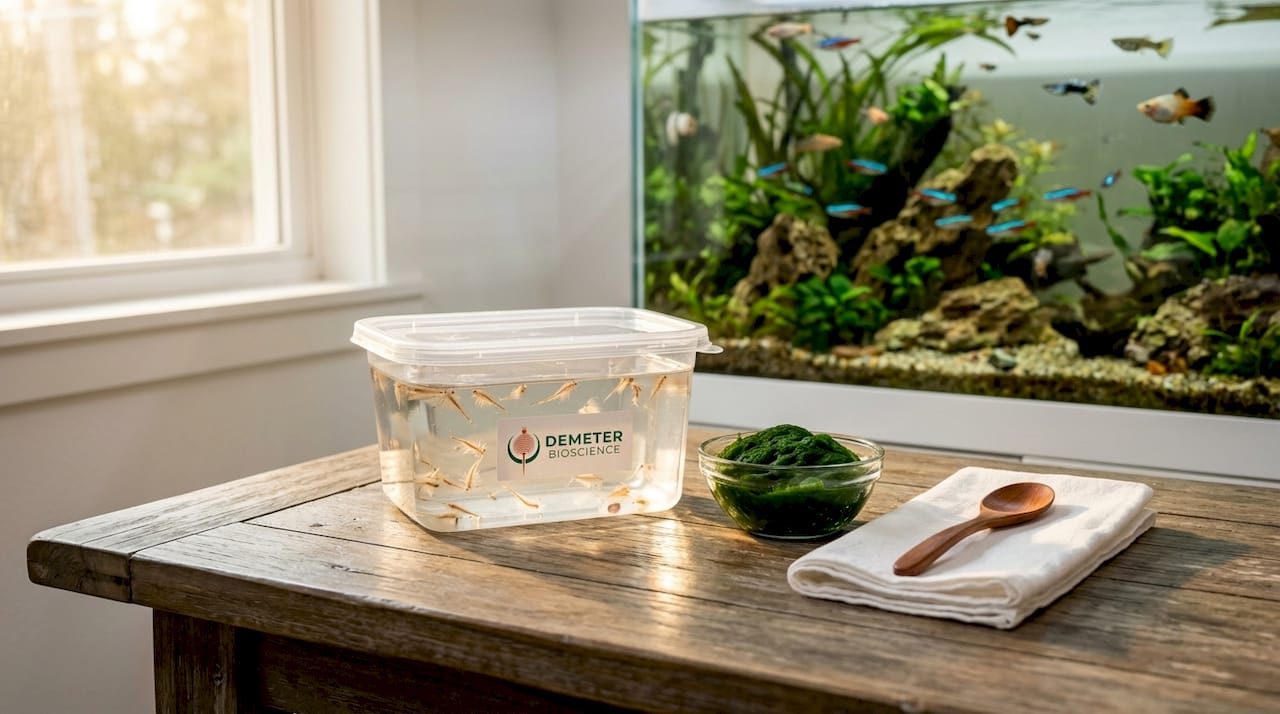
The critical variable is what the live food itself has been eating. Brine shrimp harvested from salt lakes and shipped immediately after capture are often nutritionally depleted because wild shrimp go through starvation cycles in their natural environment. A brine shrimp that ate nothing for 48 hours before it arrived in your tank delivers far less pigment than one raised on a steady diet of carotenoid-rich microalgae. Gut-loading live food with carotenoid-rich feeds is necessary to translate nutritional value into actual color enhancement.
The live food vs. pellets question is also worth addressing directly. Pigment deposition and color changes are linked to dietary astaxanthin inclusion levels regardless of whether the food is live or frozen. Live food has real advantages in palatability, behavioral enrichment, and nutrient density when fresh, but a well-formulated carotenoid-enriched pellet can deliver comparable pigment doses. The best approach combines both.
Pro Tip: If you are using live brine shrimp, feed them Dunaliella or Spirulina algae for 24 hours before offering them to your fish. This single step can double or triple the carotenoid content the fish actually receives.
The timeline and mechanism of color improvement
Here is where expectations need calibrating. The most common disappointment in color enhancement attempts comes from expecting too much, too fast.
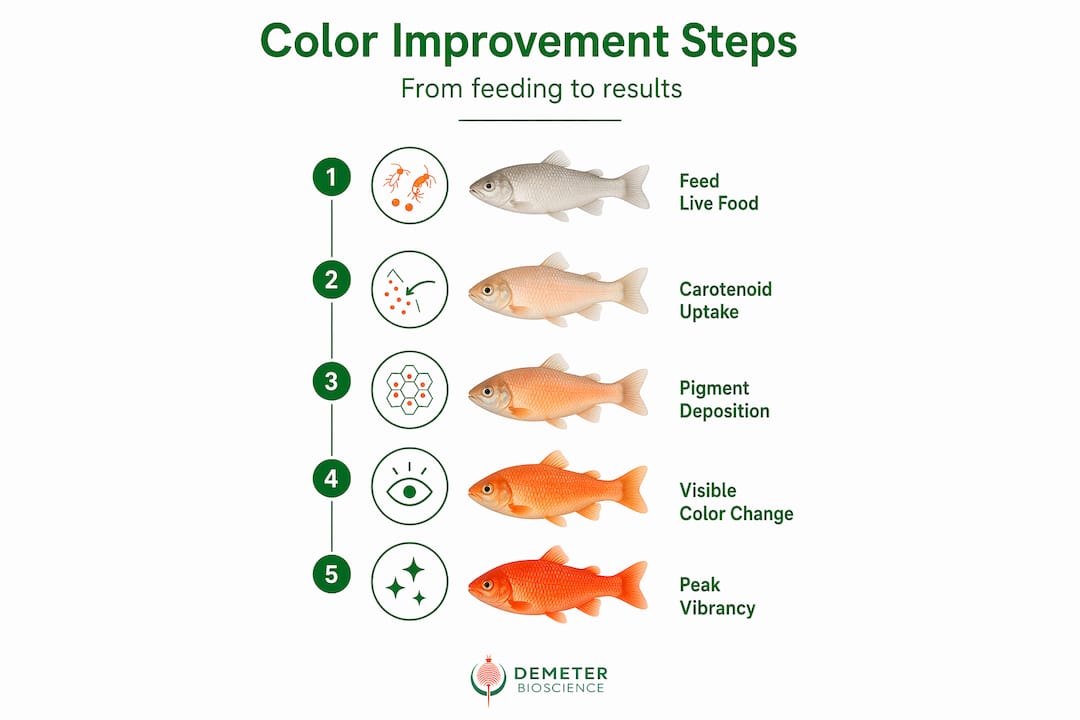
- Days 1 to 7: The fish ingests carotenoids and absorption begins in the gut. No visible change yet. Chromatophores are beginning to receive pigment deposits, but saturation is far from complete.
- Weeks 2 to 3: Visible color improvement begins in most species, particularly around the fins and along the lateral line where chromatophore density tends to be highest.
- Weeks 4 to 6: Color deepens noticeably with continued feeding. This is the phase where hobbyists usually get excited and start seeing their efforts pay off.
- Weeks 6 to 8+: Chromatophores approach full saturation. Color reaches its genetic ceiling for the individual fish. Maintaining this level requires ongoing dietary input.
Stopping live food supplementation reverses the process slowly. Chromatophores do not empty overnight, so color fades gradually over several weeks if carotenoid intake drops. This is actually useful information because it means you have some flexibility in your feeding schedule without immediately losing ground.
"Color improvement onsets around 2 weeks and maxes out at 6 to 8 weeks after sustained dosing." Source: Koi Life Expert
One more thing worth stating plainly: more carotenoid is not always better. Dosing matters. Flooding your fish with live food does not speed up chromatophore saturation in any meaningful way. It does, however, degrade water quality, increase ammonia, and stress the fish, which actively suppresses color expression. Patience and consistency beat intensity every time.
Practical feeding strategies for better color
Getting the most from a color-enhancing feeding routine means thinking about live food as a supplement within a complete nutritional program, not a replacement for your staple diet.
- Feed live food 3 to 4 times per week, not daily, to avoid water quality issues while maintaining consistent carotenoid input. Every other day works well for most species.
- Portion to what fish can eat in 3 to 5 minutes. Uneaten live food, especially brine shrimp, begins to die and decompose, spiking ammonia faster than most hobbyists expect.
- Combine with carotenoid-enriched pellets on days when you do not feed live food. This keeps pigment input steady across the week rather than creating a feast-and-fast pattern.
- Gut-load your brine shrimp with algae for at least 24 hours before feeding. If you are sourcing from a supplier who already feeds their shrimp on microalgae, that enrichment step is built in.
- Source live food from trusted suppliers. Wild-harvested live food can carry parasites and pathogens. Controlled, land-based aquaculture systems eliminate most of that risk. For guidance on selecting live food that fits your tank setup, species, and color goals, that breakdown covers the key decisions clearly.
- Track your results. Take a photo of your fish on day one and every two weeks after. Coloration changes gradually enough that they become invisible to daily observation.
Pro Tip: Live foods as a supplement rather than a complete replacement, combined with a quality flake or pellet staple, gives fish the protein variety and pigment consistency they need for both color and long-term health.
Other factors that affect fish color
Diet is powerful but not the whole story. Even a fish on a perfect carotenoid-rich live food regimen will look washed out if these other conditions are not met.
- Water quality: Elevated nitrates and ammonia suppress immune function and trigger a stress response that physically constricts chromatophores. A fish under chronic water quality stress will fade regardless of what you feed it.
- Stress and tank environment: Aggressive tankmates, inadequate hiding spots, and sudden environmental changes cause cortisol release. Cortisol shrinks chromatophores and reduces pigment expression directly.
- Lighting: The right spectrum and intensity makes pigments more visible to the human eye and also supports natural color development. Blue-heavy or full-spectrum lighting tends to make warm-toned colors pop.
- Background and substrate: Dark substrates and backgrounds increase perceived color contrast. A fish in a bare white tank always looks paler than the same fish against dark gravel or a dark background, even with identical diet.
- Genetics: Every fish has a color ceiling set by its genetics. Diet can get a fish to its genetic peak but cannot exceed it. A pale-bred fish will never outcolor a well-bred specimen regardless of feeding.
Consistent feeding and stable tank conditions are required to assess color progress fairly. If you change food and tank parameters at the same time, you cannot isolate which variable actually drove the improvement.
My honest take on live food and color expectations
I've watched hobbyists go through the same cycle repeatedly. They add live food, expect vivid color within a week, see nothing dramatic, and conclude it does not work. The food was never the problem. The expectation was.
What I've found actually matters is treating live food supplementation as a multi-week pigment deposition program, not a quick fix. That mindset shift changes everything. You stabilize your water parameters first. You get your staple diet dialed in. Then you introduce live food as a consistent, measured addition, and you commit to at least six weeks before drawing any conclusions.
The other thing I see overlooked constantly is the quality of the live food itself. Unenriched brine shrimp have become so normalized that hobbyists assume all live brine shrimp are equal. They are not. Shrimp raised on a controlled algae diet carry dramatically more carotenoid content than their starved, wild-harvested counterparts. Choosing suppliers who prioritize that controlled nutrition makes a real measurable difference in your fish's pigmentation response.
Color enhancement is also not a one-time project. Once you reach peak color, it requires maintenance. That is actually encouraging. It means your fish stay vibrant as long as you keep doing what works, which is a simple, repeatable routine rather than something that demands constant intervention.
— Demeter
Bring Demeterbioscience brine shrimp into your color routine
If you want live brine shrimp that deliver actual carotenoid content rather than nutritionally empty wild-caught shrimp, Demeterbioscience produces exactly that. Their brine shrimp are raised in controlled, land-based systems on a diet of Dunaliella algae, which is a natural and potent source of beta-carotene and carotenoids. The result is shrimp with guaranteed nutritional density and at least 40% protein content, which translates directly into better pigment delivery for your fish. No seasonal variability, no starvation-depleted prey. You can explore their live brine shrimp through direct shipment, monthly subscription plans, or bulk retail packages depending on your tank size and setup. Pair them with your existing carotenoid-enriched staple diet, and you have a feeding routine that gives your fish every nutritional advantage for vibrant, lasting color. For more on high-protein live food choices that support both growth and color, that resource is worth reading alongside this one.
FAQ
Why doesn't live food instantly improve my fish's color?
Chromatophores saturate with carotenoids gradually over two to eight weeks. Visible color improvement typically begins around week two and peaks at six to eight weeks of consistent feeding.
Which live food has the most carotenoids for color enhancement?
Brine shrimp and krill contain the highest levels of astaxanthin, the carotenoid most responsible for red and orange pigmentation. Feeding brine shrimp a microalgae-based diet before offering them to fish significantly increases their carotenoid content.
Does live food work better than color-enhancing pellets?
Not necessarily. Pigment deposition depends on carotenoid intake, not on whether the food is live or processed. Live food offers palatability and freshness advantages, but combining both sources gives the most consistent results.
How much live food should I feed for color improvement?
Feed what your fish can consume in three to five minutes, three to four times per week. Overfeeding live food degrades water quality, which suppresses color expression and undermines the dietary investment you are making.
Can poor water quality cancel out a good live food diet?
Yes. Elevated nitrates and chronic stress physically constrict chromatophore cells. Stable tank conditions are a prerequisite for carotenoid-rich feeding to show visible results.