
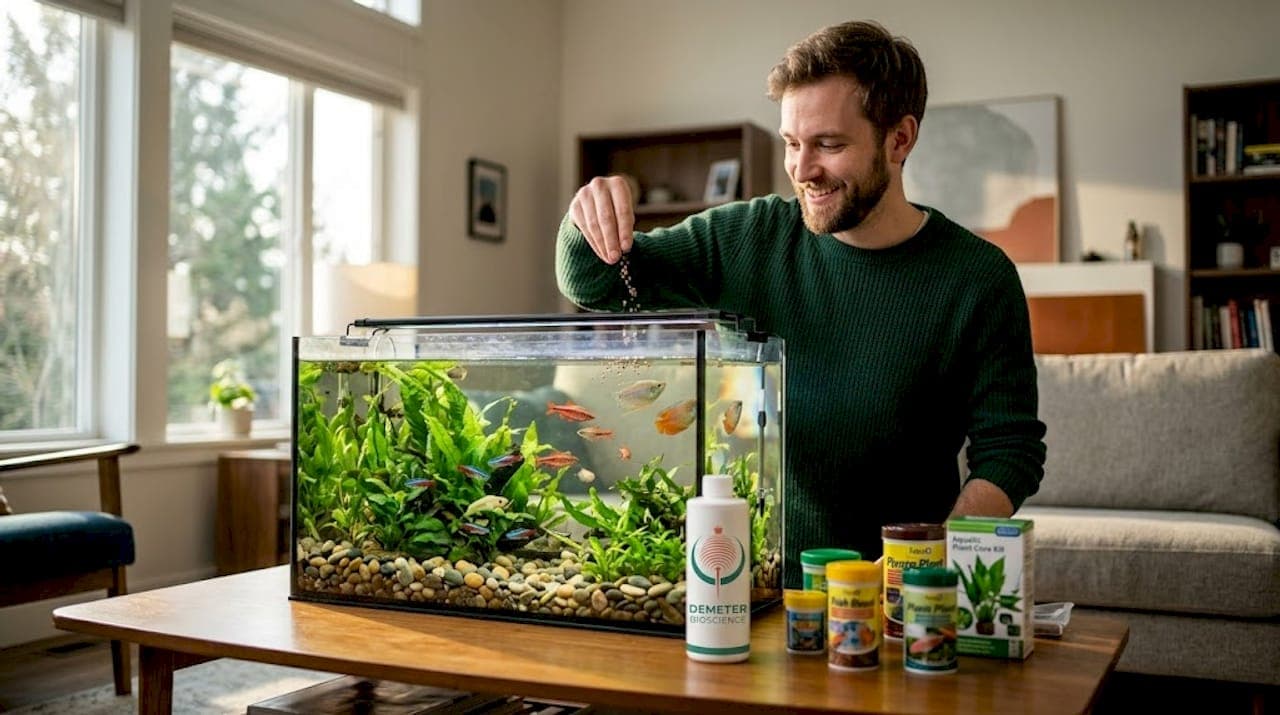
Getting protein right in your fish's diet is not just a matter of feeding more. It's about feeding smarter. Whether you run a 20-gallon planted tank or a commercial tilapia operation, the examples of high protein fish foods you choose directly determine how fast your fish grow, how well they recover from stress, and how vibrant they look. The challenge is that not all protein sources are equal. Digestibility, amino acid balance, and feeding method all shape the real nutritional value your fish receive.
Table of Contents
- Key takeaways
- Examples of high protein fish foods and what sets them apart
- 1. Fish meal
- 2. Brine shrimp
- 3. Bloodworms
- 4. Shrimp (whole or processed)
- 5. Spirulina
- 6. Fish protein isolates
- 7. Salmon and oily fish-based feeds
- 8. Tilapia, cod, and halibut as protein-rich feed species
- Comparative overview of top high-protein fish food examples
- Practical recommendations for rotating high-protein fish foods
- My perspective on protein and what the labels miss
- How Demeterbioscience supports your high-protein feeding goals
- FAQ
Key takeaways
| Point | Details |
|---|---|
| Protein quality beats quantity | Digestibility and amino acid balance matter more than raw protein percentage alone. |
| Animal proteins lead growth | Fish meal and brine shrimp supply complete amino acids that directly support muscle development. |
| Plant proteins add balance | Spirulina and algae-based ingredients supply micronutrients and pigments that animal proteins lack. |
| Rotation prevents deficiencies | Cycling through multiple protein sources reduces nutritional gaps and promotes long-term health. |
| Processing method matters | Low-heat processing preserves protein digestibility above 93%, while high-heat extrusion can drop it below 80%. |
Examples of high protein fish foods and what sets them apart
Before jumping into specific examples, you need a framework for evaluating any protein source you consider. Not every "high protein" label on a bag tells you what you actually need to know.
Here is what genuinely matters when selecting high-protein fish foods:
- Bioavailable protein vs. crude protein. A food can list 55% protein on the label, but if digestibility is poor, your fish absorb only a fraction. Look for processing methods and digestibility data, not just the crude protein percentage.
- Species-specific needs. Predatory carnivores like oscars and arowana need animal-based protein with full amino acid profiles. Herbivorous species like goldfish and certain cichlids thrive with plant-based protein supplementation.
- Amino acid completeness. Protein sources that mimic natural prey, such as fish meal, supply methionine, lysine, and arginine at levels fish actually require for muscle synthesis.
- Omega-3 integration. High-protein diets that also deliver omega-3 fatty acids, as found in oily fish-derived meals, support immune function alongside growth.
- Sustainability and cost. Some isolates deliver higher purity but at a price point that only makes sense for commercial grow-out phases, not everyday feeding.
Pro Tip: When reading any fish food label, check whether the protein source is listed first or second in the ingredients. The higher it appears, the greater its proportion in the final product.
1. Fish meal
Fish meal is the backbone of commercial aquaculture nutrition, and for good reason. Derived from oily fish like anchovies and sardines, it concentrates protein to between 50% and 70% by weight, making it one of the densest protein sources available for any aquatic feed system. Its amino acid profile closely mirrors the natural prey fish would consume in the wild, which means the protein it delivers is highly usable.
Fish meal also contains essential amino acids that match the nutritional fingerprint of live prey, making it a foundational ingredient for carnivorous and omnivorous species alike. For aquaculture farmers running intensive grow-out systems, fish meal remains the gold standard for driving feed conversion ratios down and weight gain up. You can find quality fish meal options at Demeterbioscience's fish meal products page, where protein concentration and sourcing transparency are clearly documented.
2. Brine shrimp
Brine shrimp are among the most recognized nutritional fish food examples for good reason. They are nutrient-dense crustaceans that deliver high protein content alongside essential fatty acids, making them particularly effective for small fish species, juvenile fish, and fry that need easily digestible, size-appropriate food.
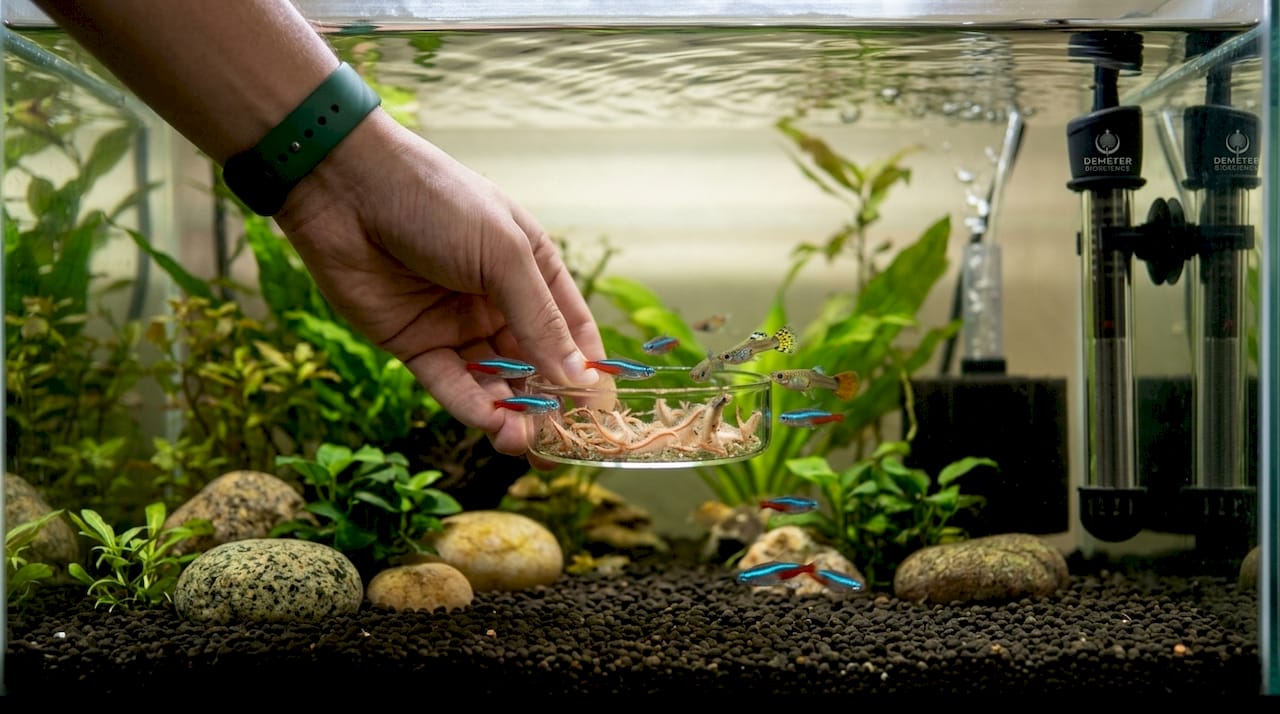
The key variable most hobbyists miss is what the brine shrimp themselves were fed before reaching your tank. Wild-harvested brine shrimp frequently arrive in a nutritionally depleted state, having eaten sparse natural matter. Brine shrimp raised in controlled systems and fed a concentrated algae like Dunaliella retain consistently high protein content, minimum 40%, plus the micronutrients the algae confers. This is not a minor distinction when you are trying to optimize growth in juvenile fish.
Pro Tip: If you use frozen brine shrimp, rinse them thoroughly before feeding. Salt residue from freezing brine can affect water chemistry in smaller tanks.
3. Bloodworms
Bloodworms are a high protein treat that predatory fish respond to with intense feeding behavior, and that response itself has value. The stimulation of natural hunting instincts can encourage finicky eaters to accept food after illness or transport stress.
However, bloodworms are protein-dense but nutritionally incomplete as a sole food source. Their fat content, combined with low fiber, creates digestive strain in fish fed bloodworms too frequently. The deeper knowledge here is that overfeeding predatory fish with high-fat, protein-rich foods without fiber leads to metabolic problems over time. Use bloodworms as a weekly supplement or conditioning food before breeding, not a daily staple.
4. Shrimp (whole or processed)
Beyond brine shrimp, larger shrimp species serve as a protein-rich and vitamin-packed food source across many fish species. Shrimps are high in protein while also supplying B vitamins, zinc, and iodine, nutrients that support metabolic function and immune health alongside raw muscle building.
For aquarium hobbyists, freeze-dried or frozen shrimp pieces work well as a supplement for medium to large carnivores. For aquaculture farmers, whole shrimp or shrimp by-product meal can be incorporated into custom feed blends to increase palatability and protein density simultaneously. The calcium content in shrimp shells also benefits fish bone development, which is an often-overlooked nutritional bonus.
5. Spirulina
Spirulina is the most credible plant-based protein source for fish, and the one most backed by actual aquaculture research. It is high in protein and vitamins, and its carotenoid content actively enhances pigmentation in species like koi, discus, and African cichlids.
For herbivorous and omnivorous species, spirulina provides a meaningful share of protein needs without the digestive burden that some animal proteins create. It works best as a component within a varied diet rather than the sole protein source. A feed formulation containing both fish meal and spirulina delivers the complete amino acid spectrum of animal protein while also supplying the micronutrients and pigment compounds that spirulina uniquely provides.
Combining animal-based and algae-based proteins, such as fish meal and spirulina, gives fish a more complete nutritional profile than either source alone, reducing deficiencies and supporting balanced development.
6. Fish protein isolates
Fish protein isolates represent the most concentrated end of the protein spectrum. Protein purity exceeds 90% in quality isolates, and their digestibility surpasses traditional fish meal because the manufacturing process strips away connective tissue and fats that slow absorption. This means more usable protein per gram of feed.
The practical catch is cost. Fish protein isolates are expensive, which limits their realistic application to specialized growth-phase feeds in commercial aquaculture, particularly during early fingerling stages when feed efficiency has the highest return on investment. For hobbyists, you are unlikely to encounter these as standalone products, but they appear as listed ingredients in premium growth-phase pellets. When you see them on a label, it signals a feed formulated for fast, early-stage development.
7. Salmon and oily fish-based feeds
Salmon-derived feed ingredients offer a nutritional profile that goes well beyond raw protein. Salmon contains approximately 20g of protein per serving alongside some of the highest omega-3 concentrations of any fish-based ingredient. In aquaculture feeds, salmon oil and salmon meal serve as dual-purpose ingredients: protein delivery and immune system support.
For aquarium keepers, freeze-dried salmon pieces or salmon-based pellets work particularly well for mid-sized to large carnivorous species. The omega-3 content also benefits fish in breeding condition, supporting egg development and fry survival rates in ways that pure protein sources cannot replicate.
8. Tilapia, cod, and halibut as protein-rich feed species
These three fish represent the best fish for protein efficiency, offering 23 to 26 grams of protein per typical serving with minimal caloric overhead. In aquaculture, tilapia-based meal and by-products are increasingly used in feed formulations for other species because of their favorable protein-to-fat ratio. Cod and halibut contribute similar amino acid profiles.
For hobbyists, this is less about feeding your fish tilapia and more about understanding that pellets and frozen foods derived from these species tend to be lean, complete protein sources. When you see "white fish" listed in a premium pellet, these are often the species behind that ingredient.
Comparative overview of top high-protein fish food examples
| Food Source | Protein Content | Source Type | Best For | Key Consideration |
|---|---|---|---|---|
| Fish meal | 50-70% | Animal | Carnivores, omnivores | Gold standard for amino acid completeness |
| Brine shrimp | ~40%+ | Animal/Crustacean | Fry, small fish, juveniles | Quality depends on what the shrimp were fed |
| Bloodworms | High | Animal | Predatory species | Use as supplement, not daily staple |
| Shrimp (whole) | High | Animal/Crustacean | Medium to large carnivores | Adds calcium and B vitamins beyond protein |
| Spirulina | ~60-70% dry | Plant/Algae | Herbivores, omnivores | Enhances pigmentation, adds micronutrients |
| Fish protein isolate | 90%+ | Processed/Animal | Commercial growth-phase feeds | High digestibility, high cost |
| Salmon-based feeds | ~20g per serving | Animal | Breeding fish, immune support | Best omega-3 co-benefit |
| Tilapia/Cod/Halibut | 23-26g per serving | Animal | Lean growth, efficient feeding | Strong protein-to-calorie ratio |
Practical recommendations for rotating high-protein fish foods
A single protein source, no matter how good, creates nutritional gaps over time. Protein source diversity is what separates fish that grow steadily from fish that plateau or develop deficiencies. Here is a practical rotation framework:
- Build your base with fish meal or fish meal-based pellets. This covers amino acid completeness for most species. Make it the foundation of your feeding schedule, not the only option.
- Add brine shrimp two to three times per week. Live or high-quality frozen brine shrimp diversify the texture, stimulate feeding response, and fill micronutrient gaps that dry pellets miss.
- Use spirulina-based foods as a complement for omnivores. Even fish you think of as primarily carnivorous often benefit from plant-based micronutrients. Include spirulina flakes or wafers at least once per week.
- Reserve bloodworms for conditioning and occasional treats. Once or twice weekly is enough to reap the behavioral benefits without the metabolic risk.
- Track growth response over four to six weeks. If growth stalls or coloration fades, the rotation itself might need adjustment. Fish health and visual condition are your best real-time indicators.
- Source feeds that reflect low-heat processing standards. Low-heat methods preserve digestibility above 93%, which means more of the protein you pay for actually reaches your fish's muscle tissue.
Pro Tip: Keep a simple feeding log noting what you fed, how much was consumed, and any visible changes in fish behavior or appearance. Two weeks of notes will tell you more than any label claim.
Understanding how nutritional quality affects growth rate will sharpen your decisions here. The difference between adequate feeding and optimized feeding shows up clearly at the six-week mark.
My perspective on protein and what the labels miss
In my experience working within the aquatic nutrition space, the single most common mistake I see is chasing protein percentage while ignoring everything else. A feed that lists 60% crude protein but uses poor-quality by-product meal and high-heat extrusion may deliver less usable nutrition than a 45% protein feed made from whole fish meal processed at lower temperatures.
What I've learned is that species biology should lead every feeding decision. A tilapia's lean protein needs differ fundamentally from the omega-3 demands of a breeding discus pair. Treating both with the same bag of flake food is a mistake I see constantly in hobbyist forums. The fish survive, but they never thrive.
I've also seen how integrating algae-based proteins transforms results in both hobbyist tanks and commercial systems. Not because spirulina alone is magic, but because it fills micronutrient roles that pure animal protein cannot. The fish that impress me most are always the ones on rotated, diverse diets. Not the ones fed the "best" single product on the market.
Feed processing is as important as the ingredients listed. I prioritize products that disclose their processing methods, because a quality ingredient destroyed by excessive heat is just wasted money.
— Demeter
How Demeterbioscience supports your high-protein feeding goals
If you want a brine shrimp source that removes the guesswork around protein quality and consistency, Demeterbioscience was built specifically to solve that problem. Their brine shrimp are farmed in controlled, land-based systems and fed exclusively on Dunaliella algae, which locks in a minimum of 40% protein content and eliminates the nutritional variability common in wild-harvested options.
For hobbyists and aquaculture farmers who want to stop wondering whether their protein source is actually delivering, Demeterbioscience offers live brine shrimp products with subscription plans, one-time shipments, and bulk retail options. Their fish meal products round out the high-protein diet framework this article covers. Sustainable, traceable, and nutritionally consistent.
FAQ
What are the best examples of high protein fish foods?
Fish meal, live brine shrimp, whole shrimp, bloodworms, and spirulina are the most widely used high protein fish food examples across aquarium and aquaculture settings. Each serves a different species and life stage, so rotating among them produces the best growth outcomes.
What protein content should I look for in fish food?
Quality fish meal ranges from 50% to 70% protein, while fish protein isolates exceed 90%. For general aquarium feeding, a pellet with 40% to 55% crude protein from named fish meal sources is a solid benchmark for most carnivorous and omnivorous species.
Are plant-based proteins like spirulina adequate for fish growth?
Spirulina is valuable as a protein and micronutrient supplement but works best in combination with animal-based proteins rather than as a replacement. It is most effective for herbivorous and omnivorous species and contributes directly to color enhancement alongside its protein content.
How often should I feed brine shrimp to aquarium fish?
Two to three times per week is a practical feeding frequency for live or frozen brine shrimp in most aquarium setups. They complement a pellet base diet well and are particularly critical for fry and juvenile fish that need high-protein, easily digestible food in small sizes.
Does processing method affect how much protein fish actually absorb?
Yes, significantly. Low-heat processing methods preserve protein digestibility above 93%, while high-heat extrusion can reduce it to below 80%. That gap means a fish fed lower-temperature-processed food absorbs meaningfully more protein per gram of feed, which directly affects growth rate and feed efficiency.