
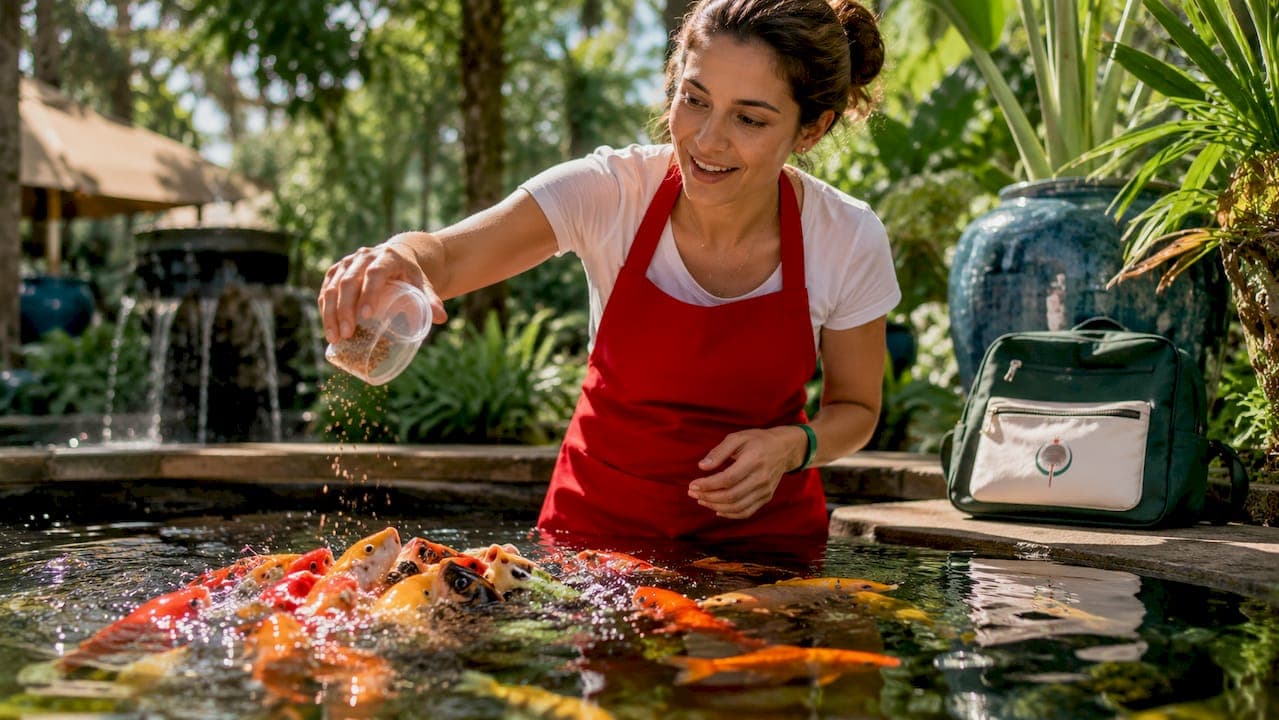
Live food is the single most effective nutritional tool ornamental fish stores can offer to improve fish health, reduce mortality, and build lasting customer loyalty. The term "live food" covers organisms like brine shrimp, daphnia, and scuds that are fed to fish while still alive, delivering nutrients in their most bioavailable form. Understanding why ornamental fish stores benefit from live food goes beyond stocking one more product. It means positioning your store as a specialist in fish health, which is the kind of reputation that drives repeat business and separates you from big-box competitors.
What nutritional advantages does live food provide?
Live food delivers nutrients that processed alternatives simply cannot match. Frozen and freeze-dried products lose water-soluble vitamins, amino acids, and fatty acids during preparation. Live prey like scuds retain whole-organism nutrition without the leaching that occurs when frozen food thaws in tank water. That intact nutritional profile is the core advantage of live food for aquariums.
The specific nutrients that matter most include:
- DHA (docosahexaenoic acid): A long-chain omega-3 fatty acid critical for brain development, eye function, and stress tolerance in juvenile fish.
- Taurine: An amino acid that supports heart function, bile production, and osmoregulation. Taurine supplementation improves growth and survival in juvenile fish transitioning from live to pellet feeds, making it especially relevant during weaning.
- Inosine monophosphate (IMP): A nucleotide that enhances palatability and immune gene expression when combined with other enrichment compounds.
- Carotenoids: Natural pigments in organisms like brine shrimp that improve fish coloration, a visible quality signal customers notice immediately.
Brine shrimp (Artemia species) are the most widely used live food in ornamental fish retail. Their nutritional value depends heavily on what they eat before being fed to fish. Wild-harvested brine shrimp often arrive nutritionally depleted because they have been starving in natural salt lakes. Farmed brine shrimp fed on microalgae like Dunaliella carry consistent, measurable protein levels and fatty acid profiles. Enriching live feeds with microalgal DHA plus taurine and inosine monophosphate significantly raises lipid-metabolism gene expression, immune response markers, and survival rates in aquatic larvae.
Pro Tip: When evaluating a live food supplier, ask for documented protein content and the algae species used in cultivation. A supplier that cannot answer those questions is likely selling nutritionally inconsistent product.
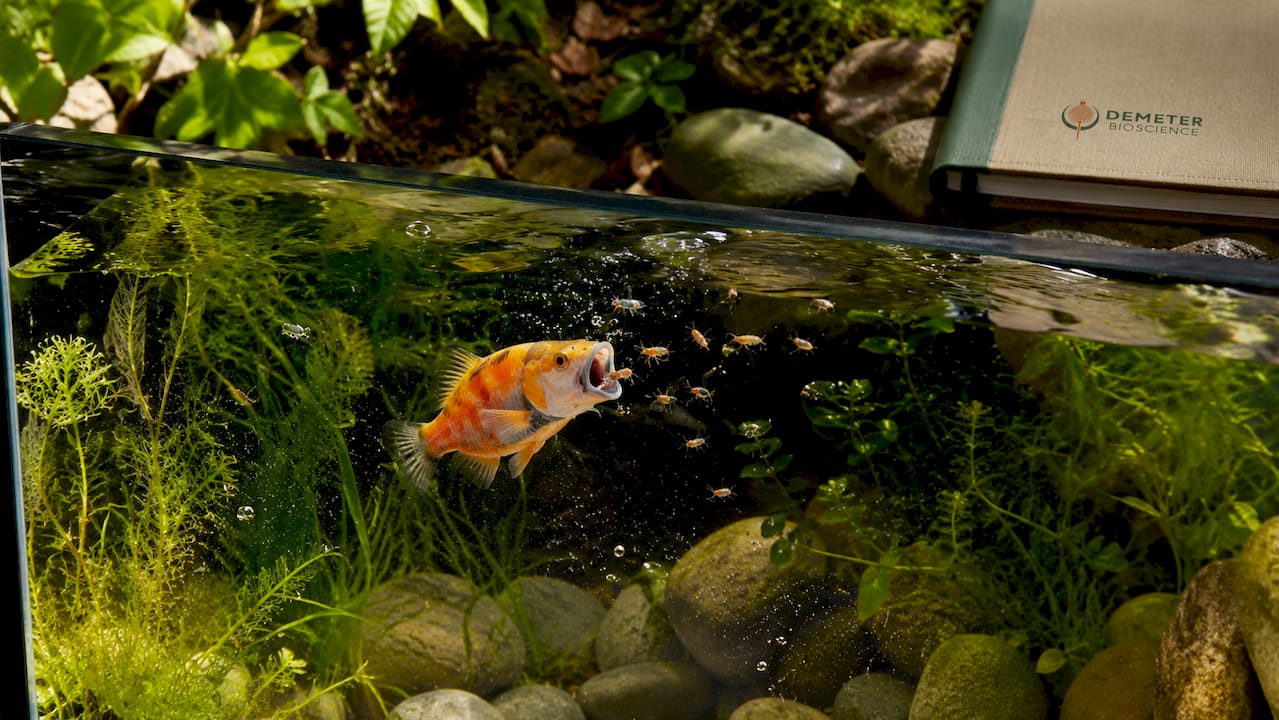
The advantages of live food for fish go beyond raw nutrient content. Live prey triggers natural predatory behavior, which stimulates digestive enzyme production and improves feed conversion. Fish that hunt their food digest it more efficiently than fish eating pellets from the surface.
How does live food support immune function in ornamental fish?
Live food's impact on fish health extends directly into immune function, and the research here is specific enough to guide your purchasing decisions. Chaetoceros sp. supplementation in fish diets increases lysozyme activity and lymphoproliferation in tilapia within 2–8 weeks, producing measurable disease resistance. Lysozyme is an enzyme that attacks bacterial cell walls. Higher lysozyme activity means fish can fight off common pathogens faster.
"Live feeds serve not just as nutrition but as carriers of functional nutrients and supplements that meaningfully improve immunity and metabolism during sensitive developmental stages." — PLOS One
This matters most during the periods when your fish are most vulnerable: new stock arrival, breeding preparation, and post-transport acclimation. Yeast β-glucans accelerate immune readiness in European seabass within 24 hours of supplementation, with elevated lysozyme and immune gene expression appearing almost immediately. That speed of response is something dry feeds cannot replicate, because the bioactive compounds in processed food are partially degraded during manufacturing.
The practical implication for retailers is clear. Fish that arrive stressed from shipping are at peak disease risk for the first 7–14 days in your tanks. Feeding enriched live food during that window gives their immune systems a measurable boost before pathogens can establish. Stores that use this protocol consistently report lower losses during quarantine periods, which directly protects margin on expensive stock.
Algal polysaccharides also improve antioxidant capacity and intestinal immune parameters in juvenile groupers over 72-day feeding periods. Antioxidant capacity determines how well fish handle oxidative stress from poor water quality, temperature fluctuations, and crowding. All three of those stressors are present in retail tank systems every day.
How can ornamental fish stores integrate live foods effectively?
Integrating live food into your store requires a system, not just a new product on the shelf. Here is a practical framework for doing it right:
- Audit your current fish losses. Track mortality by species and feeding type for 30 days. Stores that do this consistently find that species fed exclusively on dry food show higher loss rates during the first two weeks post-arrival.
- Start with brine shrimp. Brine shrimp are the lowest-risk entry point. They are easy to handle, widely accepted by most ornamental species, and available from reliable suppliers with documented nutritional profiles. Review the brine shrimp nutrition guide for species-specific feeding protocols.
- Establish an enrichment protocol. Do not feed brine shrimp straight from the bag. Hold them in a separate container with a high-quality microalgae solution for 4–6 hours before feeding. This gut-loading step raises their DHA and taurine content significantly.
- Segment live food by application. Use live food as a targeted tool: newly arrived stock, breeding pairs, juveniles during weaning, and fish recovering from disease. This approach gives you a captive fish nutritional protocol that customers can replicate at home.
- Train your staff to explain the difference. Customers who understand why live food produces better results are far more likely to buy it regularly. A 60-second explanation at the point of sale converts a one-time purchase into a recurring habit.
Pro Tip: Build a simple feeding calendar for your display tanks and post it near the live food section. Customers who see your fish actively hunting live prey will ask about it. That question is your best sales opportunity.
Transitioning fish to live food from pellets requires patience, but the health outcomes justify the effort. Retailers who position live food as part of a functional nutrition program, rather than an occasional treat, see the strongest results in fish condition and customer satisfaction.
How do live food offerings impact customer satisfaction?
Live food availability directly links to the outcomes customers care about most: healthy fish that live long and look vibrant. Stores that stock quality live food give customers a tool that produces visible results within weeks. That visibility builds trust faster than any marketing claim.
The business case for stocking live food rests on several concrete advantages:
- Reduced customer returns and complaints. Fish fed on enriched live food show better color, more active behavior, and lower disease incidence. Customers who see those results do not return fish or blame the store.
- Repeat purchase cycles. Live food is perishable. Customers who commit to feeding it must return to your store regularly, creating a purchase frequency that dry food simply does not generate.
- Specialist positioning. Stocking quality live food signals expertise. Customers with difficult or rare species actively seek out stores that carry live food because they know those stores understand fish nutrition at a deeper level.
- Higher average transaction value. A customer buying live brine shrimp will often add enrichment products, water conditioners, and feeding tools in the same visit. Live food anchors a higher-value basket.
Reducing fish mortality through better nutrition is the most direct path to customer retention. A customer who loses a $40 fish two weeks after purchase rarely returns. A customer whose fish thrives becomes a long-term advocate for your store.
What are the risks of live food, and how do you manage them?
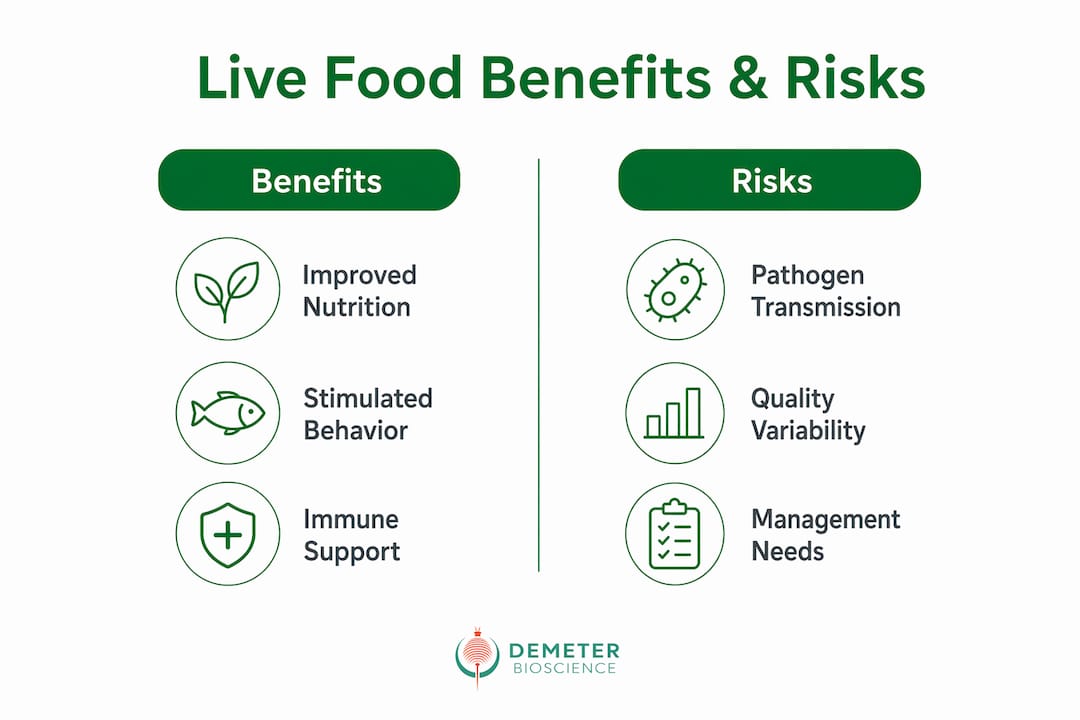
Live food carries real risks that responsible retailers must address directly. The most significant is pathogen transmission. Tubifex worms, for example, are a historically popular live food that carry disease risk concerns due to contamination from polluted water sources. That risk is well-documented and should inform your sourcing decisions.
The table below compares the main live food options by risk level and nutritional value:
| Live Food | Nutritional Value | Disease Risk | Best Application |
|---|---|---|---|
| Brine shrimp (farmed) | High, consistent | Low | General feeding, juveniles |
| Daphnia | High, natural profile | Low to moderate | Digestive health, conditioning |
| Tubifex worms | Moderate | High | Avoid or use freeze-dried only |
| Scuds | Very high, whole-organism | Low | Predatory species, conditioning |
| Frozen alternatives | Moderate (nutrient loss) | Very low | Backup when live unavailable |
Effective risk mitigation includes three non-negotiable practices: sourcing only from suppliers with documented quality controls, quarantining new live food batches before introducing them to display tanks, and offering frozen or freeze-dried alternatives for customers who cannot manage live food safely at home. Communicating these protocols to customers builds confidence rather than concern.
Key takeaways
Ornamental fish stores that integrate live food into a structured nutritional program see measurable improvements in fish health, lower mortality, and stronger customer retention.
| Point | Details |
|---|---|
| Live food delivers superior nutrition | Intact nutrients like DHA and taurine are lost in frozen or dry alternatives, making live food the highest-value option. |
| Immune benefits are rapid and measurable | Enriched live feeds can boost lysozyme activity and immune gene expression within 24–72 hours of feeding. |
| Enrichment multiplies the value | Gut-loading brine shrimp with microalgae for 4–6 hours before feeding raises protein and fatty acid content significantly. |
| Risk management is non-negotiable | Source from documented suppliers, quarantine new batches, and avoid high-risk options like wild-harvested tubifex. |
| Live food drives repeat business | Perishable live food creates consistent return visits and positions your store as a specialist destination. |
What i have learned running a live food operation
The biggest misconception I see among retailers is treating live food as a premium add-on for hobbyists who want something special. That framing undersells it completely. Taurine's critical role in larval and juvenile fish survival means live food is not a luxury. It is a necessity during early-life feeding transitions. Retailers who understand that sell live food with conviction, and their customers get results that create genuine loyalty.
The second mistake is skipping enrichment. Feeding unenriched brine shrimp is better than dry food, but it is not the same as feeding brine shrimp that have been gut-loaded on Dunaliella or another high-quality microalgae. The difference in fish condition over 30 days is visible to anyone paying attention. Co-supplementation of live feeds with taurine and immunonutrients produces synergistic health benefits that single supplements alone cannot match. That is the science behind why enrichment protocols matter.
Customer education is where most stores leave money on the table. Customers who understand the biology behind live food do not need to be sold. They ask for it. A short explanation of why farmed brine shrimp outperform wild-harvested versions, or why gut-loading matters, turns a skeptical customer into an informed one. Informed customers spend more and return more often.
— Demeter
Stock the live food your customers' fish actually need
Demeterbioscience produces farmed live brine shrimp fed exclusively on Dunaliella microalgae, delivering a guaranteed minimum of 40% protein and consistent fatty acid profiles in every batch. Unlike wild-harvested brine shrimp that arrive nutritionally depleted from natural salt lakes, Demeterbioscience's land-based cultivation system controls every variable that affects nutritional quality.
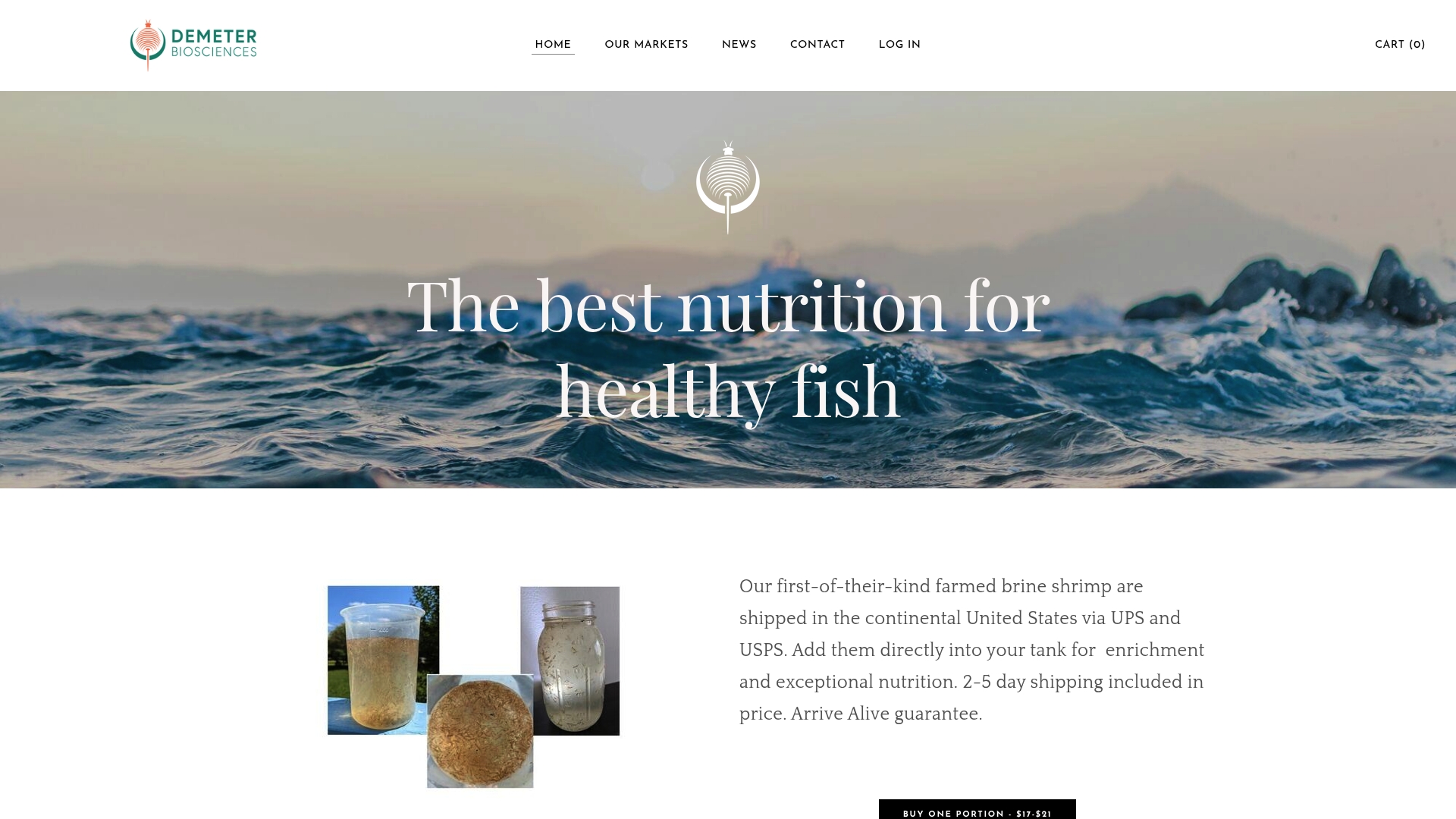
Retailers can order bulk live brine shrimp packages designed specifically for local fish stores, with subscription options that keep your supply consistent without the logistics headache. If you want to see how Demeterbioscience's products fit your store's specific needs, explore the full brine shrimp product range or reach out directly to discuss bulk pricing and delivery schedules.
FAQ
What live foods are best for ornamental fish stores to stock?
Farmed brine shrimp and daphnia are the best starting points because they carry low disease risk and are accepted by most ornamental species. Farmed brine shrimp fed on microalgae deliver the most consistent nutritional profile.
How quickly does live food improve fish immune function?
Immune parameters like lysozyme activity can improve within 24 hours of feeding enriched live food, making it especially valuable during high-stress periods like new stock arrival.
Is live food safer than frozen food for fish?
Farmed live food from quality suppliers is safe and nutritionally superior to frozen alternatives. Frozen thawed foods lose water-soluble nutrients during thawing, while live prey delivers intact nutrition. The key is sourcing from suppliers with documented quality controls.
Why do juvenile fish need live food more than adults?
Juvenile fish require taurine and DHA at levels that dry feeds rarely provide in bioavailable form. Taurine during juvenile stages is conditionally necessary for optimal growth and survival, particularly during the transition from live to pellet feeds.
How does live food affect customer retention for fish stores?
Live food creates repeat purchase cycles because it is perishable, and it produces visible results in fish health that build customer trust. Stores that stock quality live food consistently report lower complaint rates and higher average transaction values from customers who commit to live feeding programs.