
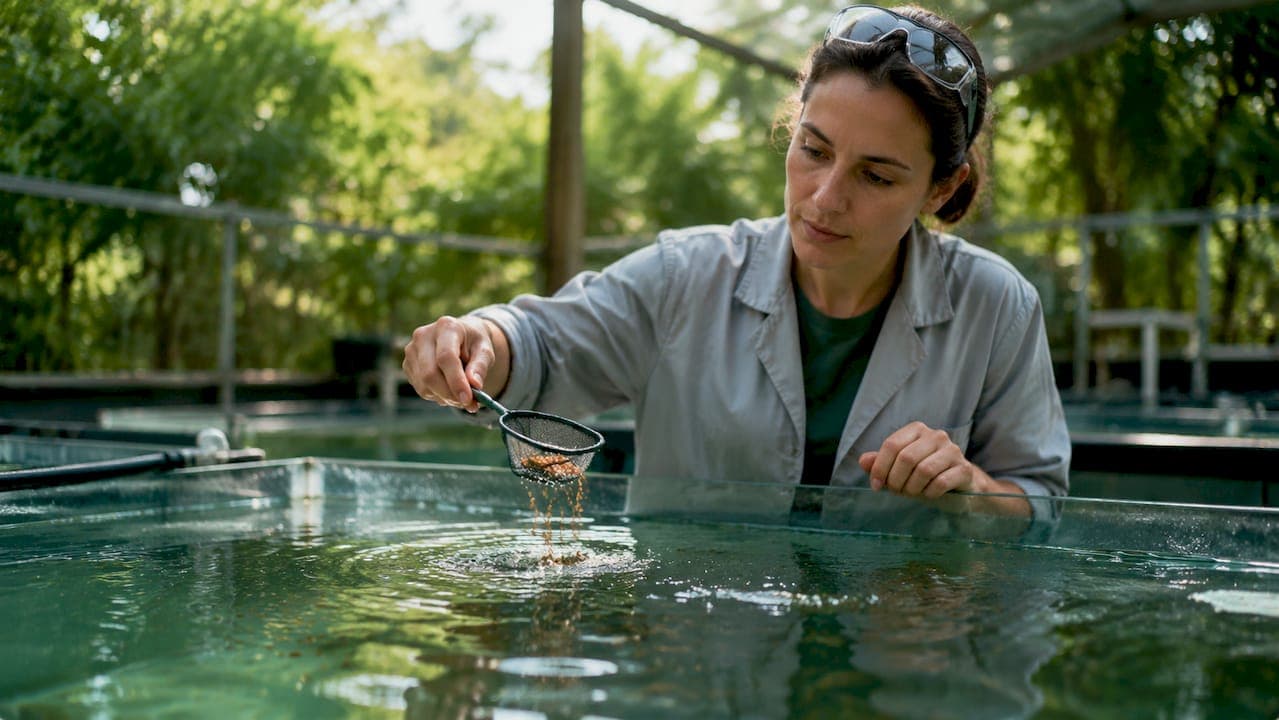
Live nutrition is defined as the practice of feeding fish live or cryopreserved live-stage organisms during critical growth phases to reduce mortality and build long-term physiological resilience. Aquaculture professionals who integrate live feeds into early-stage protocols see measurable survival gains that inert diets alone cannot replicate. Recent 2026 research on Atlantic salmon smolts, the EU's EarlyCOD project, and advances in epigenetic nutritional programming all confirm the same conclusion: to reduce fish mortality with live nutrition, timing and feed quality must be matched precisely to the fish's biological stage. This guide breaks down the mechanisms, the feed selection process, and the operational protocols that deliver results.
How does live nutrition reduce fish mortality during critical life stages?
Live nutrition reduces fish mortality by triggering biological responses that inert feeds cannot activate with the same consistency or intensity. Three mechanisms drive the majority of the survival benefit.
Epigenetic programming during early life windows. Early nutritional programming induces epigenetic modifications in fish that affect digestive enzyme activity, immune response, and nutrient utilization. These changes, mediated via DNA methylation and microRNA expression, are persistent. A fish fed optimally during its first larval days carries a measurably stronger metabolic and immune baseline into every subsequent life stage. This is not a short-term feeding effect. It is a structural change in how the animal processes nutrients and responds to pathogens.
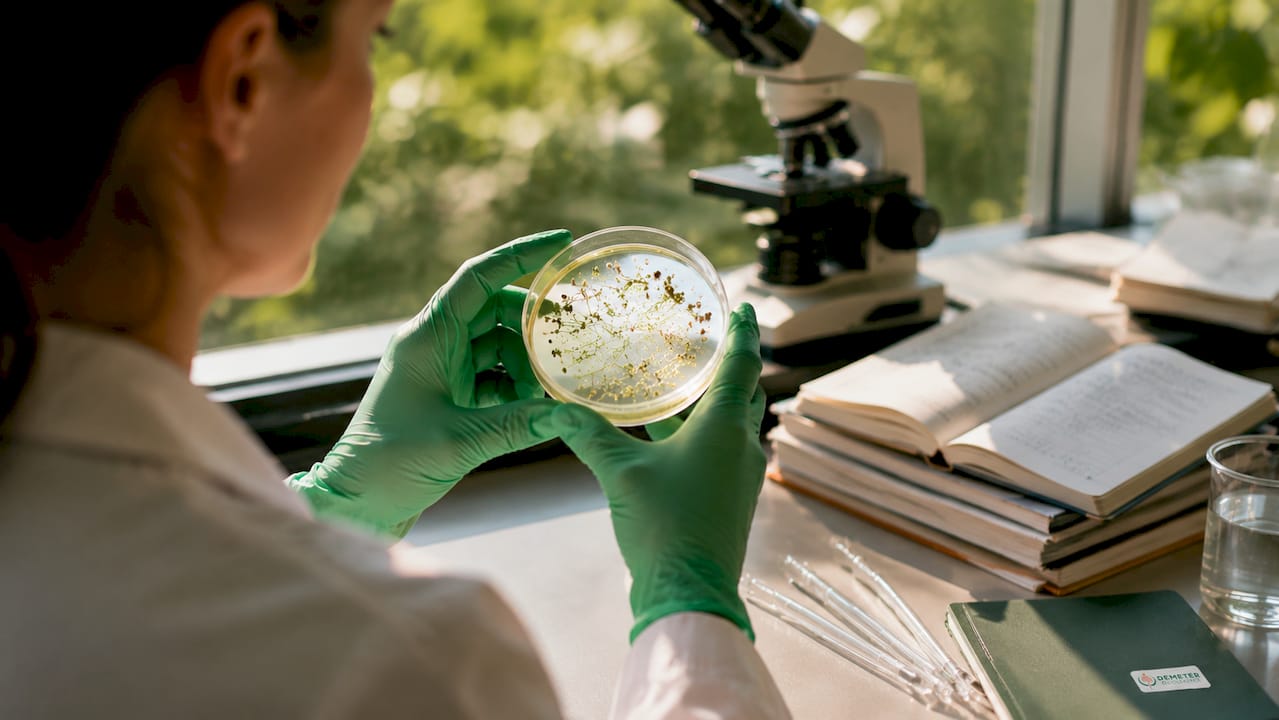
Immune system priming through live feed bioactivity. Brine shrimp and other live feeds deliver bioactive compounds, enzymes, and sensory cues that processed feeds strip out during manufacturing. Brine shrimp diets demonstrate improved immune markers and growth rates across multiple species. The immune priming effect translates directly into lower pathogen-related mortality, particularly during high-stress phases like weaning and seawater transfer.
Stress reduction at transition points. Mortality in aquaculture does not distribute evenly across a production cycle. It concentrates around transition events: hatching, first feeding, weaning from live to inert diets, and seawater transfer. Live feeds reduce cortisol-driven stress responses at these windows by providing familiar sensory stimulation and highly digestible nutrition. The result is a fish that enters each new environment with more physiological reserves.
- Epigenetic modifications from early live feeding persist into adult stages
- Immune priming from brine shrimp and cryoplankton reduces pathogen susceptibility
- Stress-buffering at transition events accounts for the largest single-phase mortality reductions
- Live feeds provide digestive enzymes that support gut development in larvae
Pro Tip: Target your live nutrition investment at the three highest-risk windows: first feeding, weaning, and post-transfer. Spreading live feed budgets evenly across the production cycle dilutes the impact where it matters most.
How to select and implement live nutrition products in aquaculture
Feed selection is where most operations either capture or lose the mortality reduction potential of live nutrition. The choice is not simply live versus inert. It is about matching nutritional profile, digestibility, and operational feasibility to the species and life stage you are managing.
Comparing common live and live-stage feed options
| Feed Type | Protein Content | Key Benefit | Best Application |
|---|---|---|---|
| Farmed brine shrimp (Artemia) | 40%+ (Dunaliella-fed) | Immune priming, stress tolerance | Larvae, juveniles, ornamental fish |
| Cryopreserved plankton | Variable | Operational stability, co-feeding | Cod, seabream larvae during weaning |
| Krill meal (10% inclusion) | High | 22% mortality reduction in smolts | Post-seawater transfer salmon |
| Microalgae (Dunaliella) | Moderate | Sustainable, consistent quality | Brine shrimp feed, direct larval use |
| Insect meal | 40-60% | Alternative protein, immune support | Juvenile and grow-out phases |
The nutritional gap between wild-harvested and farmed brine shrimp is significant and often underestimated. Wild Artemia from natural salt lakes experience seasonal starvation cycles that deplete their nutritional value before harvest. Farmed brine shrimp raised on Dunaliella algae in controlled land-based systems deliver consistent protein levels above 40% with no seasonal variability. For operations where batch-to-batch consistency affects survival rates, that difference is not cosmetic.
Cryopreserved plankton, as demonstrated by the EarlyCOD project, offers a practical middle ground for hatcheries that lack the infrastructure for continuous live feed production. These products combine live-nutrition quality with the operational stability of frozen feeds, enabling precise dosing without the logistics of maintaining live cultures around the clock.
When evaluating any live or live-stage product, prioritize these factors:
- Protein content and amino acid profile relative to the target species' larval requirements
- Digestibility at the specific life stage, since larvae have limited protease activity
- Batch consistency across supplier deliveries, which directly affects mortality predictability
- Compatibility with co-feeding protocols using inert microdiets
Pro Tip: Request third-party nutritional analysis certificates from any live feed supplier before committing to a production contract. Protein content claims without documentation are common and unreliable.
When and how to apply live nutrition to maximize survival rates
Timing is the variable that separates operations that see measurable mortality reductions from those that spend on live feeds without clear results. The biology dictates the schedule.
-
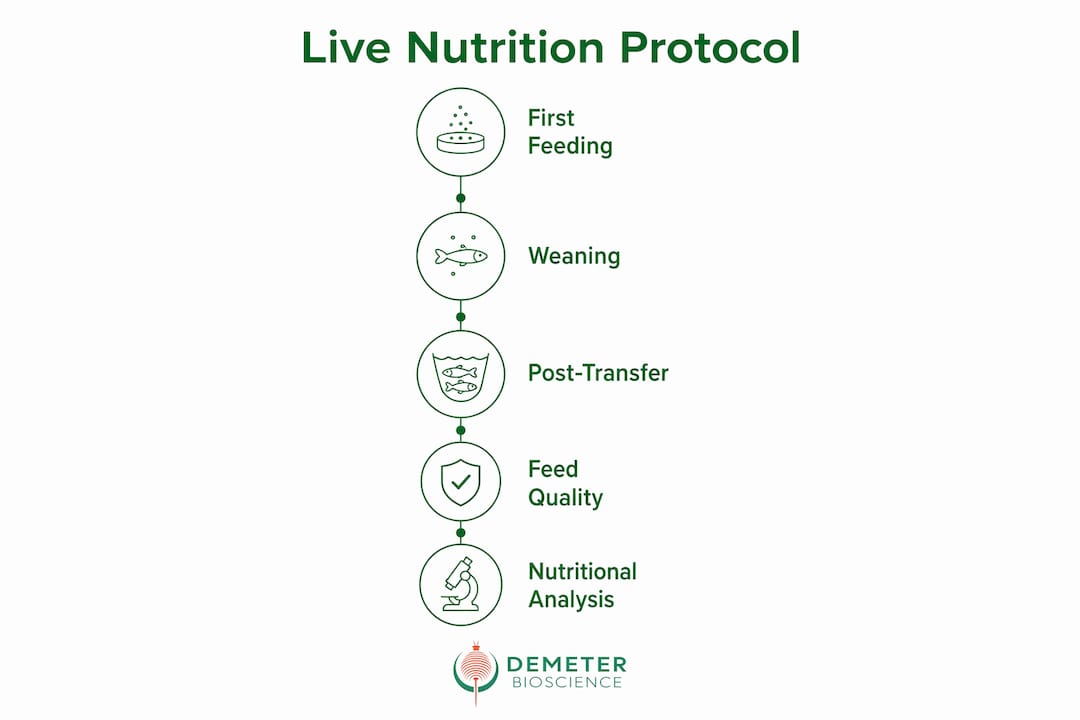
First feeding (days 2 to 5 post-hatch). This is the highest-leverage window in the entire production cycle. The larval gut is immature, and live feeds provide exogenous digestive enzymes that compensate for limited endogenous enzyme production. Introduce live brine shrimp nauplii or cryopreserved plankton at this stage. Do not wait until larvae show visible hunger behavior. By that point, gut atrophy has already begun.
-
Weaning transition (days 15 to 40, species-dependent). Abrupt weaning from live to inert feeds spikes cortisol and suppresses immune function. Co-feeding protocols that combine live and inert feeds during this window reduce skeletal deformities, improve larval histology, and lower production costs by reducing the percentage of substandard juveniles. Reduce live feed inclusion gradually over 10 to 14 days rather than switching abruptly.
-
Seawater transfer (salmon-specific). Diets with 10% krill meal reduce post-transfer mortality by 22% and increase growth by 4.8% in Atlantic salmon smolts, measured over 116 days. Mortality dropped from 0.63% in controls to 0.49% with krill meal inclusion. That 22% reduction represents a material economic difference at commercial scale.
-
Post-stocking stress recovery. Any transport or handling event creates a mortality risk window. Reintroduce live feeds for 48 to 72 hours post-stocking to restore feeding motivation and reduce cortisol-driven immune suppression.
-
Ongoing monitoring and feed intensity adjustment. Feed intensity that is too high creates water quality problems that kill fish. Feed intensity that is too low starves larvae during critical growth windows. Vision-based AI systems now achieve feeding accuracy above 98% using CNN, Vision Transformer, and LSTM models to analyze feeding behavior in real-time. These tools are entering commercial RAS operations and will become standard practice within this decade.
The most common operational pitfall is treating live nutrition as a single product decision rather than a protocol decision. The feed type matters. The timing matters more. And the transition management between feed types matters most of all.
What are the sustainable and emerging innovations in live nutrition?
The fish feed market is undergoing a structural shift. Fishmeal's share in salmon feed is projected to drop below 15% by 2035, with alternative proteins and functional feeds taking the space. For aquaculture professionals focused on mortality reduction, this shift creates both opportunity and risk.
Emerging feed technologies and their mortality relevance
| Innovation | Current Status | Mortality Benefit |
|---|---|---|
| Cryopreserved live-stage plankton | Commercial (EarlyCOD) | Reduces weaning mortality, fewer deformities |
| AI-enabled feeding behavior monitoring | Early commercial (RAS) | Prevents overfeeding and underfeeding mortality |
| Insect meal (black soldier fly) | Growing commercial adoption | Immune support, alternative to fishmeal |
| Microalgae-based feeds (Dunaliella, Nannochloropsis) | Established in brine shrimp production | Consistent nutritional base, sustainability |
| Functional feeds with immune additives | Gaining regulatory traction | Pathogen resistance, reduced antibiotic use |
Cryopreserved live-stage feeds are the most immediately practical innovation for operations that cannot maintain live cultures. They eliminate the infrastructure dependency of traditional live feed systems while preserving the nutritional and behavioral stimulation that drives fish feed preference and intake. For commercial hatcheries scaling beyond what fresh live feed logistics can support, cryopreserved options represent the clearest path to consistent mortality reduction without proportional infrastructure investment.
Microalgae like Dunaliella serve a dual role: as a direct larval feed and as the nutritional foundation for farmed brine shrimp. Operations that understand this upstream relationship can trace the quality of their live brine shrimp directly to the algae diet used in cultivation. This is why the distinction between wild-harvested and farmed, algae-fed Artemia matters at the production level, not just in marketing materials.
Precision feeding technology, particularly AI-driven feeding intensity monitoring, addresses a mortality cause that nutrition alone cannot fix: overfeeding-driven water quality degradation. Combining precision feeding with high-quality live nutrition creates a system where the right feed reaches the right fish at the right density, with real-time adjustment when conditions change.
Key takeaways
Live nutrition reduces fish mortality most effectively when matched to the exact biological transition windows where mortality risk concentrates, not applied uniformly across the production cycle.
| Point | Details |
|---|---|
| Target transition windows | Apply live nutrition at first feeding, weaning, and seawater transfer for maximum survival gains. |
| Epigenetic effects are permanent | Early-life live feeding creates lasting improvements in immune function and nutrient utilization. |
| Farmed beats wild-harvested Artemia | Controlled cultivation on Dunaliella algae delivers consistent 40%+ protein with no seasonal variability. |
| Co-feeding reduces weaning mortality | Gradual live-to-inert transitions over 10 to 14 days lower deformities and improve juvenile quality. |
| Precision feeding amplifies nutrition | AI-enabled feeding monitoring above 98% accuracy prevents the water quality failures that kill fish despite good nutrition. |
What I've learned from working with live nutrition at scale
The professionals who get the most out of live nutrition are not the ones with the largest feed budgets. They are the ones who treat feeding as a protocol, not a product. I have seen operations spend significantly on premium live feeds and still see high mortality because the transition from live to inert was handled as a single-day switch rather than a managed 14-day process. The biology does not care about the feed cost. It responds to the timing and the consistency.
The other lesson that rarely appears in research papers is the value of feed quality consistency across batches. A single low-quality batch of brine shrimp during the first feeding window can set back an entire cohort's immune development in ways that show up as elevated mortality weeks later. This is why the cultivation environment of your live feed supplier matters as much as the species of organism they supply. Controlled, land-based systems with a defined algae diet produce a predictable product. Wild-harvested feeds do not.
I also think the industry underestimates the economic argument for live nutrition. A 22% reduction in post-transfer mortality in Atlantic salmon is not a biological curiosity. At commercial scale, that number represents a direct reduction in production cost per kilogram of fish. The nutritional quality of your feed is not a welfare line item. It is a production efficiency variable.
The future of mortality reduction in aquaculture runs through the combination of precision feeding technology and nutritionally consistent live feeds. Neither works as well without the other.
— Demeter
Explore Demeterbioscience's live nutrition solutions
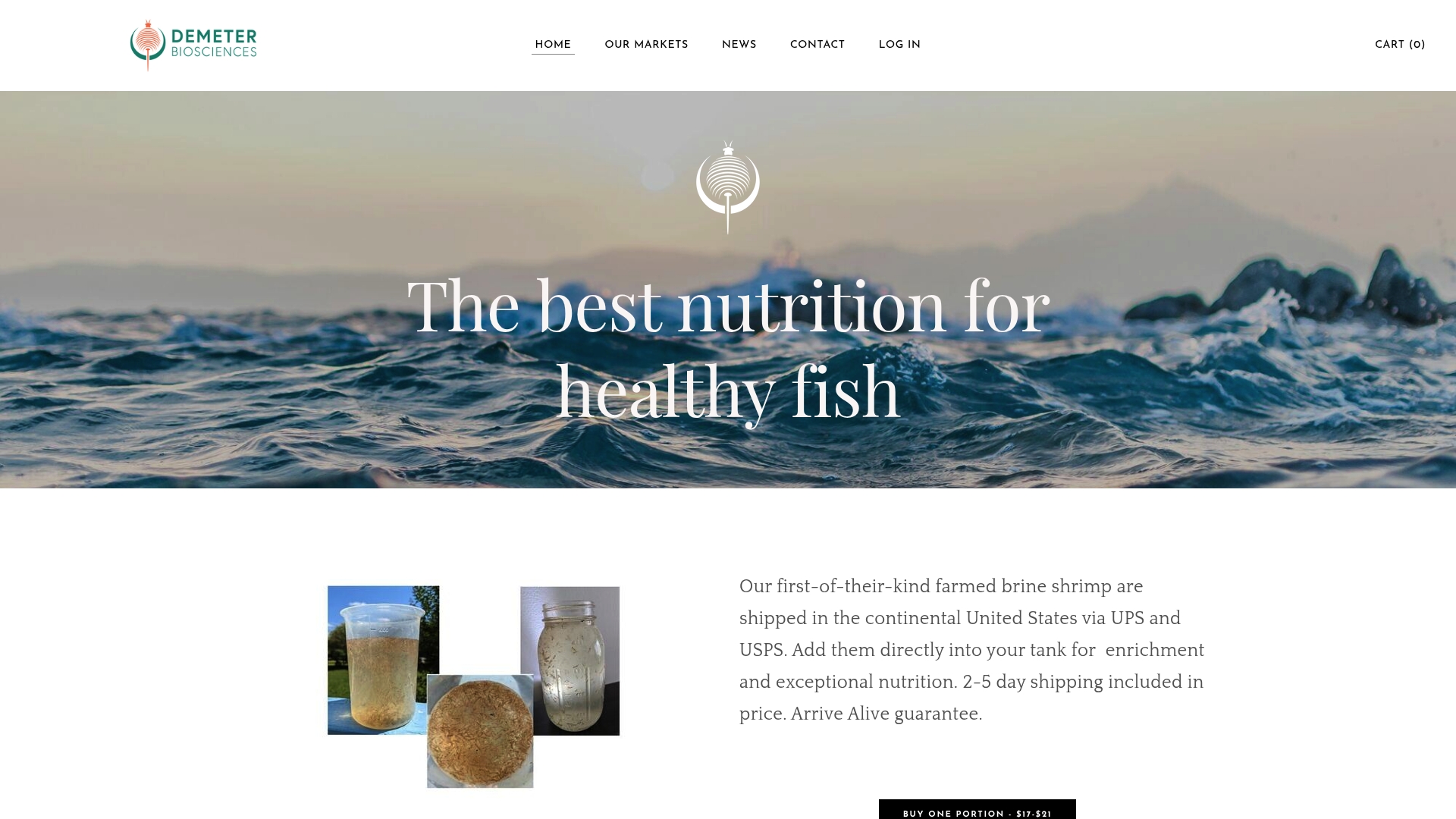
Demeterbioscience produces farmed live brine shrimp raised exclusively on Dunaliella algae in land-based, controlled systems, delivering guaranteed 40%+ protein content with no seasonal variability. For aquaculture professionals managing mortality at critical life stages, that consistency is the operational difference between a reliable protocol and a variable one. Demeterbioscience offers direct shipments, monthly subscription plans, and bulk retail packages designed for hatcheries, aquariums, and local fish stores. Explore the full range of live brine shrimp products or review the brine shrimp product details to match the right format to your production system.
FAQ
What is live nutrition in aquaculture?
Live nutrition refers to feeding fish live organisms such as brine shrimp, copepods, or cryopreserved plankton during critical growth phases. It delivers bioactive compounds, digestive enzymes, and sensory stimulation that processed feeds cannot replicate.
Why does live food reduce fish farm mortality?
Live feeds trigger immune priming, support gut development through exogenous enzymes, and reduce cortisol-driven stress at transition events. Research shows that co-feeding protocols combining live and inert feeds during weaning reduce skeletal deformities and improve larval survival rates.
When should live nutrition be introduced to fish larvae?
Introduce live feeds at first feeding, typically days 2 to 5 post-hatch, before larvae show visible hunger behavior. Waiting until hunger is visible risks gut atrophy, which permanently reduces nutrient absorption capacity.
How does brine shrimp improve fish survival rates?
Brine shrimp raised on algae like Dunaliella deliver consistent protein above 40% along with immune-boosting bioactive compounds. Studies confirm improved immune markers and growth rates in fish fed quality brine shrimp diets, translating to lower pathogen-related mortality.
Are cryopreserved live feeds as effective as fresh live feeds?
Cryopreserved live-stage feeds preserve the nutritional profile and behavioral stimulation of fresh live feeds while eliminating the infrastructure demands of continuous live culture. The EarlyCOD project confirmed improved larval resilience and fewer deformities using cryopreserved plankton in co-feeding protocols with inert microdiets.