
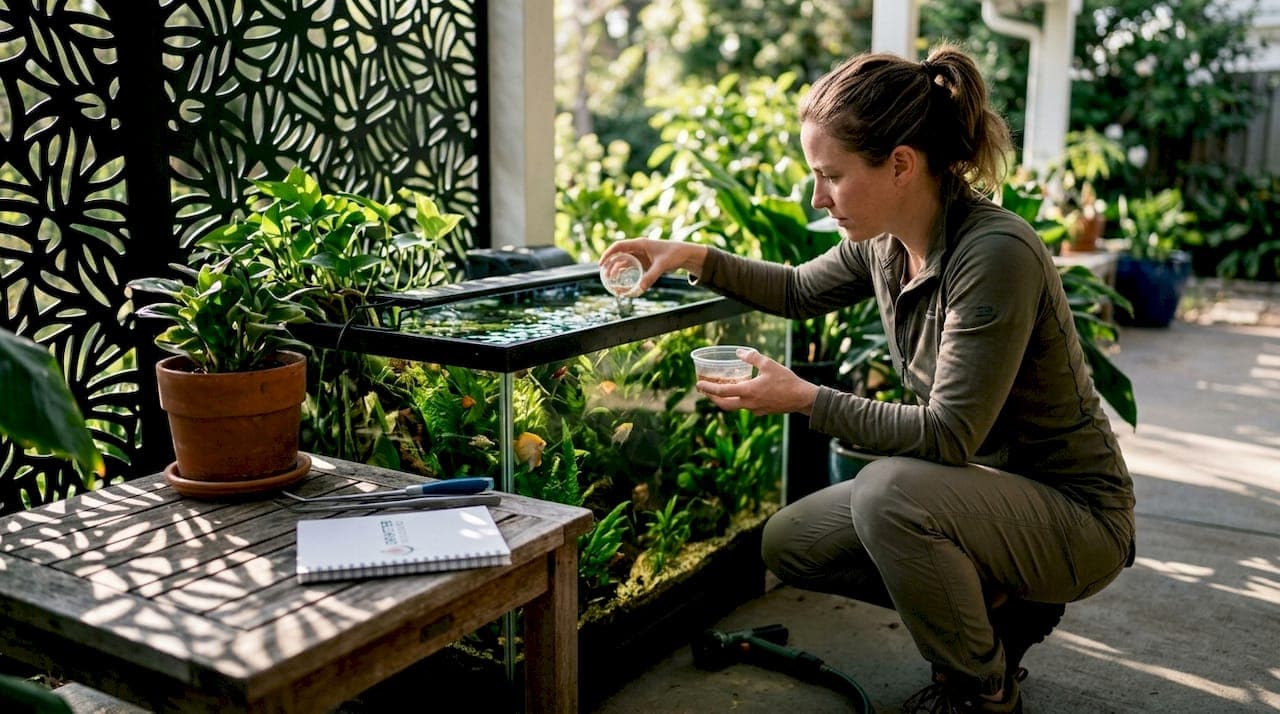
Transitioning fish to live food is the single most effective dietary upgrade you can make for aquarium fish health, color, and natural behavior. Live food, defined as any living organism fed to fish as prey, delivers higher protein and behavioral stimulation that processed pellets and flakes cannot replicate. Options like brine shrimp, bloodworms, daphnia, and microworms each serve different fish species and life stages. The challenge is not whether to switch, but how to do it without stressing your fish or compromising water quality. This guide gives you a phased, species-appropriate plan to make the switch successfully.
How to transition fish to live food: choosing the right options
The best live food for fish depends on three factors: the fish's developmental stage, its mouth size, and its natural diet in the wild. Matching prey size to fish mouth gape is essential for successful feeding, especially for fry. Rotifers and infusoria suit microscopic fry, while copepods and baby brine shrimp fit juveniles as they grow. Adult fish handle larger prey like bloodworms, scuds, and full-grown brine shrimp without difficulty.
Here is how the most popular live food options compare across nutrition and use case:
| Live Food | Protein Content | Best For | Notes |
|---|---|---|---|
| Brine shrimp | ~60% | All stages, especially fry and adults | Easy to culture; high palatability |
| Bloodworms | ~55% | Juveniles and adults | Excellent conditioning food; use in moderation |
| Daphnia | ~50% | Fry and small fish | Natural laxative effect; good for digestion |
| Microworms | ~45% | Fry and nano fish | Simple to culture at home |
| Scuds (Gammarus) | ~50% | Adults | Can self-sustain in planted tanks |
Brine shrimp provide up to 60% protein, making them one of the most protein-dense live foods available. That protein level directly supports muscle development, immune function, and breeding condition in adult fish. Bloodworms clock in at around 55% protein and work particularly well as a conditioning food before spawning.
One underused option is freshwater scuds. Unlike most live foods that must be replenished, scuds can establish as ecosystem species in planted aquariums, providing continuous, self-renewing nutrition and behavioral enrichment. This makes them a low-maintenance addition for hobbyists who want live food available around the clock.
Pro Tip: Rotate between at least three live food types each week. Variety prevents nutritional gaps and keeps fish actively engaged during feeding, which reduces stress-related behaviors like glass surfing.
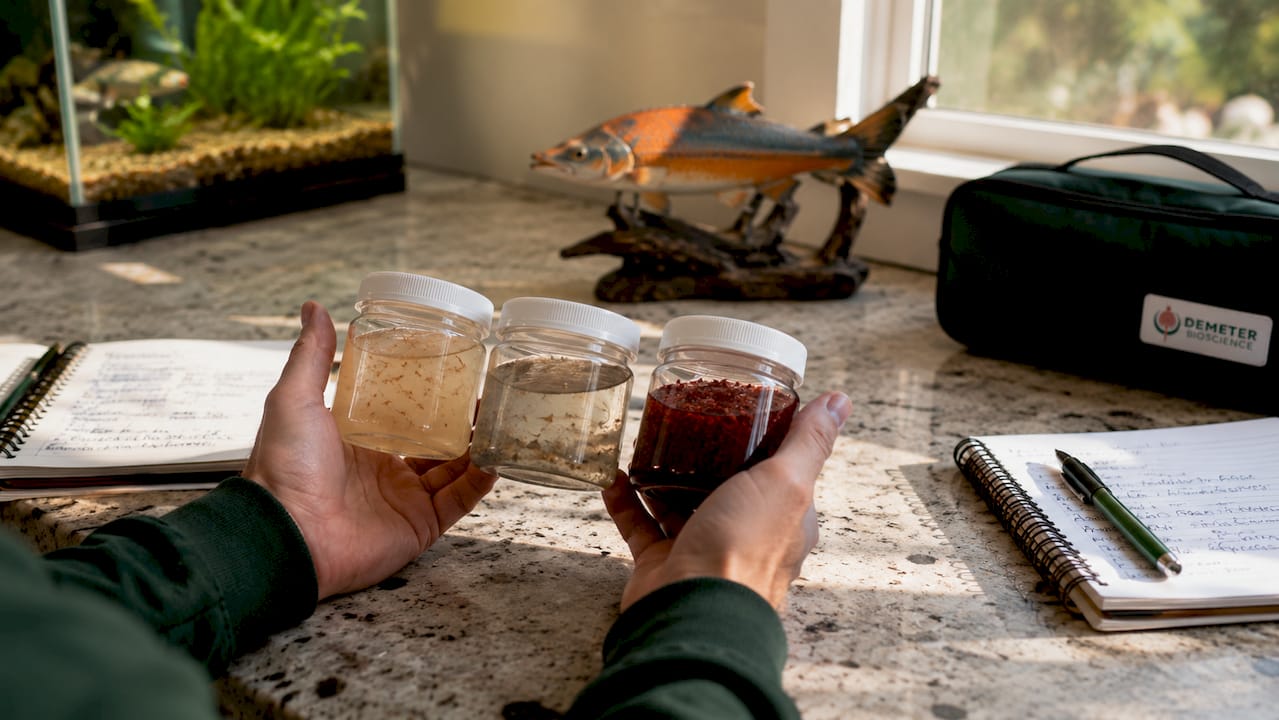
How to culture live foods at home for a steady supply
Culturing live food at home improves freshness and availability, and it empowers hobbyists to maintain consistent feeding without depending on a store's stock schedule. The startup cost is low, and most cultures run on kitchen scraps or simple ingredients.
Follow these steps to get four core cultures running:
- Infusoria: Fill a jar with aquarium water and add a piece of lettuce or spinach. Place it in indirect sunlight. Infusoria bloom within 3 to 5 days. Feed this to fry from day one through day four.
- Microworms: Mix oatmeal and water to a paste consistency in a shallow container. Add a starter culture and a pinch of dry yeast. Microworms crawl up the container walls within 48 hours and are ready to harvest with a cotton swab.
- Vinegar eels: Combine apple cider vinegar and water in a 50/50 ratio in a bottle. Add apple slices and a starter culture. Vinegar eels are visible within two weeks and survive in the bottle for months.
- Baby brine shrimp (BBS): Add brine shrimp eggs to a cone-shaped hatchery with saltwater at 25 to 28 degrees Celsius and strong aeration. Eggs hatch in 24 to 36 hours. Rinse nauplii through a fine mesh before feeding to remove salt and egg shells.
Temperature control matters across all cultures. Microworms crash above 28 degrees Celsius, while BBS hatch rates drop below 25 degrees. Keep cultures away from direct sunlight and change feeding substrates every 7 to 10 days to prevent bacterial buildup.
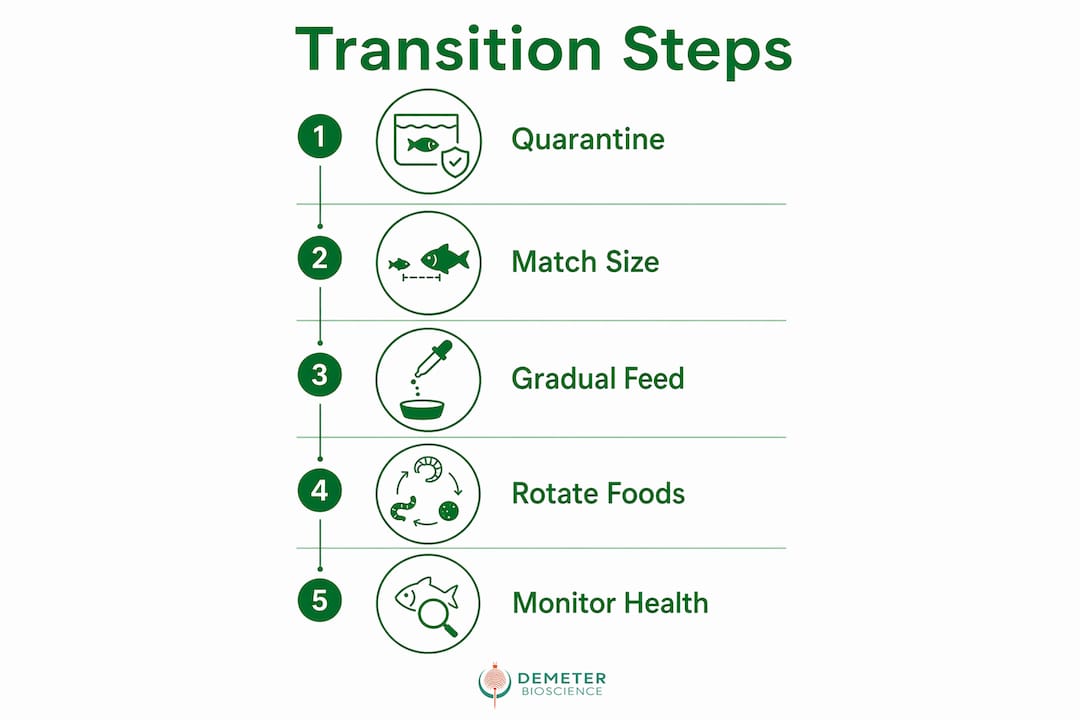
Quarantine any new live food culture for one to two weeks before feeding it to your fish. This step catches contamination before it reaches your tank. Never feed wild-caught Tubifex worms without quarantine. They carry a documented pathogen risk that can wipe out an entire aquarium population.
Pro Tip: Run at least two parallel cultures of each food type. If one crashes, you have an immediate backup and your fish never miss a meal.
Step-by-step guide to switching fish to a live diet
The process to transition farm-raised fish to live food works best as a phased introduction over two to four weeks. Abrupt switches cause feeding refusal and stress. A gradual approach lets fish recognize live prey as food and builds the feeding response over time.
- Week one: introduce live food as a supplement. Offer live food once per day alongside the fish's current diet. Use brine shrimp or daphnia as the starting point since both are highly palatable and accepted by most species. Watch for active pursuit of the live prey.
- Week two: increase live food frequency. Feed live food twice per day and reduce processed food to one feeding. Observe whether fish are actively hunting or ignoring the live prey. If fish ignore live food, try feeding at dawn or dusk when predatory instincts peak.
- Week three: live food becomes the primary meal. Three out of four daily feedings should now be live food. Live food stimulates natural hunting instincts in ways pellets cannot, and most fish show noticeably increased activity and color within this window.
- Week four: evaluate and stabilize. Decide whether you want a fully live diet or a mixed approach. Gradually mixing live food with processed feed works well for hobbyists who want the benefits of live nutrition without the full commitment of daily culturing.
For fry specifically, the timeline is tighter. Transitioning fry requires infusoria at day one, baby brine shrimp by day five, and crushed dry food introduced by day fourteen. Fry also need four to six small meals daily due to their fast metabolism and tiny stomachs. Missing a feeding window during the first two weeks significantly increases fry mortality.
Common rejection problems and their fixes:
- Fish ignore live food: Try fasting the fish for 24 hours before the next live food offering. Hunger overrides hesitation.
- Fish spit out live food: The prey is likely too large. Drop down one size, from adult brine shrimp to nauplii, or from bloodworms to daphnia.
- Fish eat live food but not pellets afterward: This is normal during transition. Maintain the mixed feeding schedule for at least two more weeks before drawing conclusions.
Pro Tip: For fish that were raised exclusively on pellets, try using a feeding pipette to drop live brine shrimp directly in front of the fish's face. The movement triggers the strike reflex even in fish that have never seen live prey.
What are the risks of feeding fish live foods?
Live food is a biological variable. Unlike pellets, it carries organisms that can introduce parasites, bacteria, and fungi into a closed aquarium system. Quarantining live food cultures for one to two weeks and sourcing from reputable suppliers reduces this risk significantly. The risk is manageable, not a reason to avoid live feeding entirely.
Key precautions to follow:
- Never feed live food collected from ponds or natural water bodies without a quarantine period. Wild-caught organisms carry the highest pathogen load.
- Feed small amounts and observe for 30 to 60 seconds after each feeding. Remove uneaten live food immediately. Decaying organisms spike ammonia and crash water quality fast.
- Perform a 20 to 25% water change twice per week during the transition period. This buffers against ammonia spikes from any uneaten prey.
- Avoid Tubifex worms sourced from unknown suppliers. They are historically linked to bacterial and parasitic outbreaks in aquariums.
Live food sourced from controlled, farmed environments carries a fraction of the biological risk of wild-harvested alternatives. Demeterbioscience's land-based brine shrimp cultivation eliminates the seasonal variability and starvation conditions that weaken wild brine shrimp and concentrate pathogens.
For hobbyists concerned about managing risks when transitioning pets to raw or live diets, the core principle is the same across species: controlled sourcing and portion management eliminate most of the danger. Experts recommend feeding live foods two to four times per week for adult fish maintenance, and daily for fry or fish in breeding condition. That frequency balances nutritional benefit against water quality risk.
Key takeaways
Switching fish to a live diet succeeds when you match prey size to developmental stage, introduce live food gradually over two to four weeks, and maintain strict hygiene to prevent pathogen introduction.
| Point | Details |
|---|---|
| Match prey to fish size | Use rotifers and infusoria for fry, then progress to baby brine shrimp and bloodworms as fish grow. |
| Phase the transition | Introduce live food as a supplement in week one, then increase frequency over two to four weeks. |
| Rotate food types | Feed at least three different live foods weekly to cover nutritional gaps and stimulate natural behavior. |
| Quarantine all cultures | Hold new live food cultures for one to two weeks before feeding to prevent parasite and bacterial introduction. |
| Control feeding portions | Feed only what fish consume in 30 to 60 seconds and remove uneaten prey to protect water quality. |
What I've learned from years of live feeding
The hobbyists who struggle most with live food transitions are the ones who treat it as an all-or-nothing switch. They pull pellets on day one, drop in a bag of bloodworms, and then wonder why their fish are stressed and the tank smells like a swamp by day three.
What actually works is treating live food like a new ingredient in a recipe you already know. You add it gradually, you taste-test along the way, and you adjust. Patience and observation during transitional feeding are not optional steps. They are the method. A fish that ignores live prey on day two might be hunting it aggressively by day ten. That shift happens because the fish is learning, not because the food changed.
The other thing most guides skip: live food culturing is genuinely enjoyable. Running a microworm culture or hatching baby brine shrimp teaches you more about aquatic nutrition than any product label ever will. You start to see your fish as predators with real dietary needs, not decorations that need to be fed. That shift in perspective changes how you manage your entire tank.
I have also seen hobbyists overcorrect by going fully live and abandoning quality prepared foods. A mixed diet, anchored by high-protein live food and supplemented with a quality pellet, produces the most consistent long-term results. The science behind live food preference is clear, but balance is what keeps fish thriving for years, not just weeks.
— Demeter
Start your fish on premium live brine shrimp
When you are ready to give your fish the nutritional upgrade they deserve, the quality of your live food source matters as much as the feeding plan. Demeterbioscience farms brine shrimp exclusively on the microalgae Dunaliella in controlled, land-based systems, delivering a minimum of 40% protein per batch with none of the seasonal variability that weakens wild-harvested alternatives. Every shipment arrives alive, nutritionally loaded, and ready to feed. Whether you are conditioning breeders, raising fry, or simply improving your fish's color and health, Demeterbioscience's premium live brine shrimp are the cleanest, most consistent live food option available. Explore the full range at Demeterbioscience brine shrimp products.
FAQ
What is the best live food for fish beginners?
Brine shrimp are the best starting point for most hobbyists. They are easy to hatch, accepted by nearly all fish species, and provide up to 60% protein per serving.
How often should I feed my fish live food?
Feed adult fish live food two to four times per week for maintenance. Feed fry and breeding fish daily, with four to six small portions spread throughout the day.
How do I get my fish to accept live food for the first time?
Fast the fish for 24 hours, then offer live prey directly in front of the fish using a pipette or turkey baster. Movement triggers the strike reflex and usually produces a feeding response within minutes.
Can live food make my fish sick?
Live food from unquarantined or wild-caught sources carries a real risk of introducing parasites and bacteria. Sourcing from reputable, farmed suppliers and quarantining new cultures for one to two weeks eliminates most of that risk.
How do I transition fry to live food?
Start fry on infusoria from day one, introduce baby brine shrimp by day five, and begin offering crushed dry food by day fourteen. Feed four to six small portions daily to match their fast metabolism.