
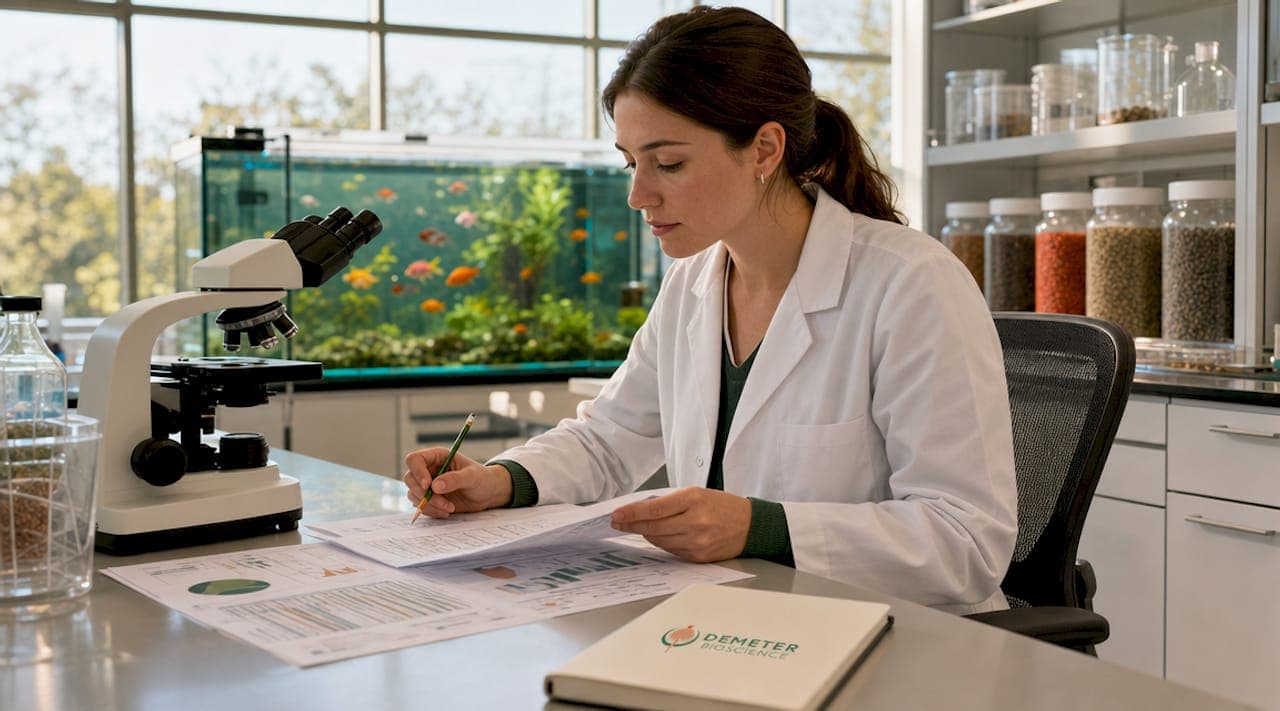
A captive fish nutritional protocol is a scientifically structured feeding plan that specifies diet composition, feeding schedules, and nutrient targets tailored to a fish species' physiological requirements in a controlled environment. Aquaculture professionals and researchers use these protocols to optimize growth rates, reduce disease incidence, and maintain welfare standards across production cycles. The protocol integrates species trophic level, life stage, water chemistry, and feed ingredient bioavailability into a single operational framework. Institutions like the MSD Veterinary Manual and research programs at CABI Digital Library have formalized many of the nutritional benchmarks that underpin modern protocol design. Getting this right from the start separates productive aquaculture operations from chronically underperforming ones.
What are the essential nutritional components for captive fish diets?
Protein is the most consequential macronutrient in any captive fish nutrition guideline, and its required level shifts directly with trophic position. High-trophic species require 45 to 50% protein and 15 to 20% lipid in their diets, while middle-trophic species perform well on 35 to 40% protein and 10 to 15% lipid, with greater tolerance for plant-based protein inclusion. This distinction matters operationally because sourcing high-protein diets for obligate carnivores like grouper or snook costs significantly more than formulating for tilapia or catfish.
Amino acid profile precision carries more weight than raw protein percentage. Improper amino acid ratios can cause liver damage and tumor formation even when crude protein levels appear sufficient, a finding that reframes how you should evaluate feed labels. Methionine, lysine, and tryptophan are the most commonly limiting amino acids in plant-inclusive diets, and their bioavailability from soybean meal or canola protein concentrates is measurably lower than from fishmeal.
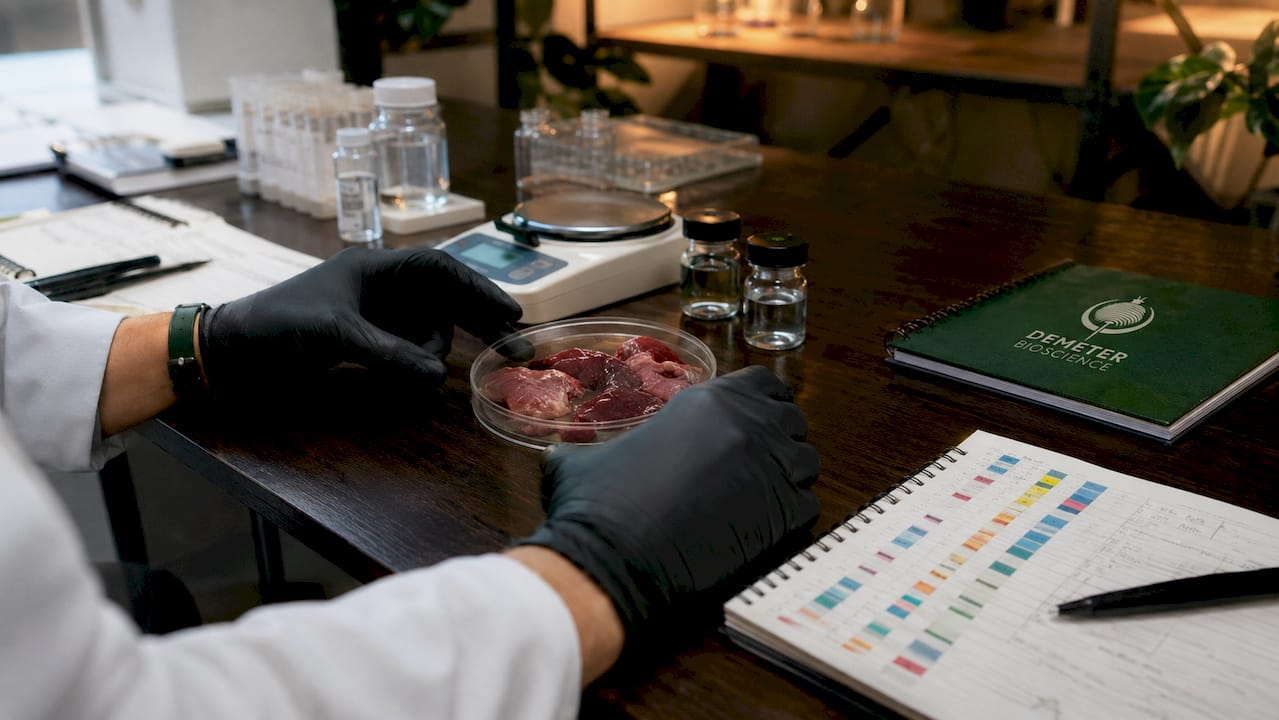
Lipid requirements follow a clear life-stage pattern. Optimal dietary fat content sits at 10 to 15% for adult fish and rises to up to 20% for juveniles, reflecting the accelerated energy demands of early growth phases. Highly unsaturated fatty acids, particularly DHA and EPA, are non-negotiable for neural development and immune function in marine larvae.
Carbohydrate tolerance is species-dependent and often underestimated as a formulation variable. Carnivorous species like Atlantic salmon have limited glucokinase activity and process dietary starch poorly, while omnivores such as common carp can utilize carbohydrates efficiently as an energy source. Exceeding carbohydrate thresholds in carnivore diets leads to glycogen accumulation in the liver and suppressed growth.
Vitamins and minerals complete the dietary requirements for fish, and their sourcing in captive systems requires deliberate planning. Calcium and iodine require dietary supplementation when ambient water concentrations are low, since passive uptake through the gills is insufficient to prevent disorders like goiter. Vitamin C, which fish cannot synthesize endogenously, must be supplied in a stable, bioavailable form since it degrades rapidly in pelleted feeds exposed to heat and moisture.
Key macronutrient targets by trophic level
| Nutrient | High-trophic species | Middle-trophic species |
|---|---|---|
| Protein (% dry matter) | 45 to 50% | 35 to 40% |
| Lipid (% dry matter) | 15 to 20% | 10 to 15% |
| Plant protein tolerance | Low | Moderate to high |
| Carbohydrate tolerance | Low | Moderate |
How do live feed enrichment and microdiet protocols enhance early-stage fish nutrition?
Live feeds remain the gold standard for larval fish nutrition because they deliver phospholipid-bound DHA in a form that larvae can absorb before their digestive systems are fully developed. Rotifers (Brachionus spp.) and Artemia nauplii are the two workhorses of hatchery nutrition worldwide, but their nutritional value is only as good as the enrichment protocol applied to them.
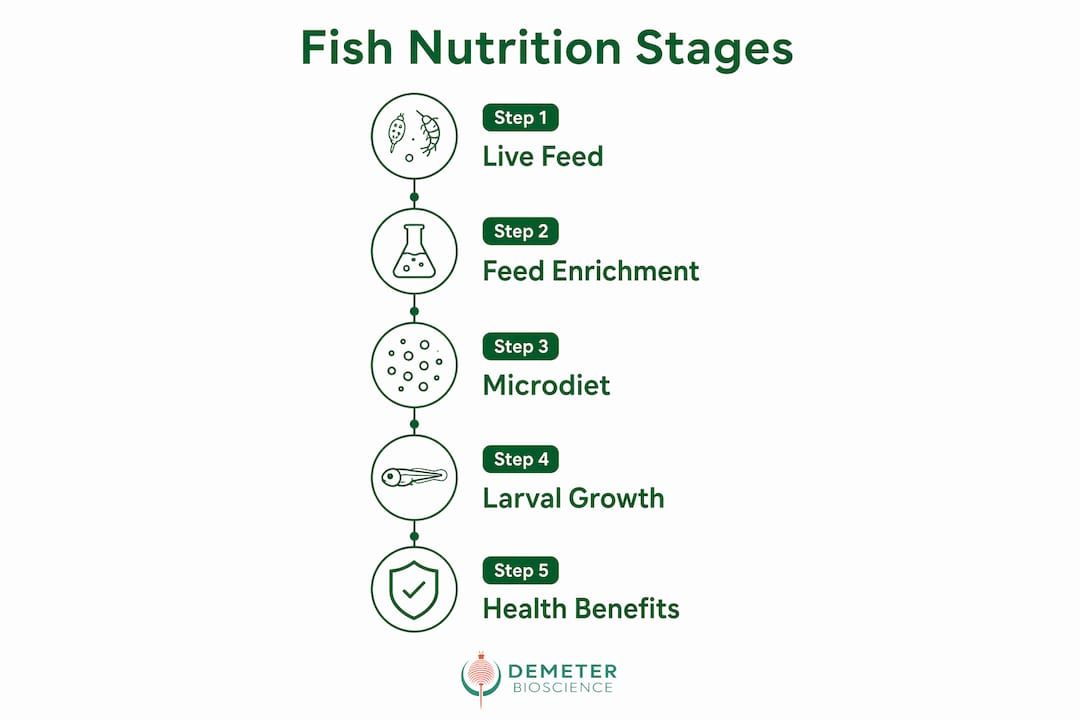
Prolonged enrichment exceeding 18 hours of rotifers and Artemia with DHA-rich emulsions maximizes phospholipid DHA content, with optimal doses set at 0.2 g per million rotifers and 2 g per million Artemia. Cutting enrichment time to reduce costs is one of the most common and costly mistakes in larval rearing, since under-enriched Artemia deliver inadequate DHA regardless of feeding frequency.
The transition from live feeds to microdiets is where many hatcheries lose larvae unnecessarily. Research shows that larvae given microdiets from 3 days post-hatch showed significantly higher digestive enzyme activity and lower skeletal deformity rates than larvae introduced to microdiets at 15 days post-hatch. Early co-feeding builds digestive capacity progressively rather than forcing an abrupt metabolic shift.
A practical co-feeding sequence for marine finfish larvae looks like this:
- Days 1 to 5: Rotifers only, enriched per protocol.
- Days 3 to 15: Introduce microdiets at 10 to 20% of total feed volume alongside rotifers.
- Days 10 to 20: Transition to Artemia nauplii, enriched, while maintaining microdiet co-feeding.
- Days 20 to 35: Gradually increase microdiet proportion to 60 to 80% of total ration.
- Day 35 onward: Complete weaning to formulated microdiets, adjusted by species tolerance.
Pro Tip: Track deformity rates weekly during the co-feeding window. A spike in skeletal deformities before day 20 almost always signals DHA deficiency in the live feed, not a genetic issue. Adjust enrichment dose before assuming a broodstock problem.
For live feed enrichment optimization, the quality of the Artemia source matters as much as the enrichment protocol itself. Farm-raised Artemia fed on Dunaliella algae carry a more consistent baseline fatty acid profile than wild-harvested cysts, reducing the variability that undermines enrichment outcomes.
What advancements do real-time monitoring and dynamic feeding protocols bring?
Fixed feeding schedules based on body weight percentages are a legacy approach that ignores the most important variable in feed efficiency: actual fish behavior. Automated feeding informed by real-time behavioral data and water quality parameters measurably improves feed efficiency and reduces waste compared to static schedule-based systems.
Vision language models and optical flow analysis now allow continuous monitoring of feeding activity, satiation signals, and biomass distribution in pond and tank systems. These technologies detect when fish stop actively feeding and halt feed delivery automatically, preventing the accumulation of uneaten pellets that degrade water quality and inflate feed costs.
"Dynamic feeding strategies that integrate real-time biomass and behavioral data reduce feed wastage by 28%, directly improving feed conversion ratio and lowering the environmental footprint of production systems." (Source)
The operational benefits extend beyond cost savings. Reduced feed waste means lower ammonia and phosphorus loading in production water, which directly supports fish health by maintaining the water quality parameters that feeding protocols depend on. For consistent nutrition outcomes, integrating environmental sensors with feeding controllers creates a feedback loop that static protocols cannot replicate.
Key capabilities that modern dynamic feeding systems provide include:
- Real-time satiation detection using underwater cameras and computer vision.
- Automated feed rate adjustment based on dissolved oxygen and temperature thresholds.
- Biomass estimation through acoustic or optical sensors to recalibrate daily ration.
- Behavioral anomaly detection that flags health issues before clinical signs appear.
- Data logging for feed conversion ratio tracking across production cycles.
How do nutritional protocols differ among ornamental, high-trophic, and middle-trophic fish?
Ornamental fish nutrition operates under a different set of priorities than commercial aquaculture. Growth rate and feed conversion ratio matter less than color expression, reproductive performance, and longevity. Carotenoid pigments like astaxanthin and canthaxanthin are standard inclusions in diets for cichlids, koi, and discus, where coloration directly determines market value and keeper satisfaction.
The protein quality issue is more acute in ornamental species than in food fish. Improper protein profiles cause liver damage and tumors in ornamental fish despite adequate crude protein levels, a pathology that often goes undiagnosed until necropsy. Commercial ornamental feeds frequently prioritize shelf life and palatability over amino acid precision, which is why many experienced hobbyists and professional aquarists supplement with live or frozen feeds.
Pro Tip: For ornamental species showing chronic fin deterioration or color fading despite adequate feeding, test the diet's methionine and tryptophan levels before adjusting feeding frequency. Amino acid deficiency mimics overfeeding symptoms in many cichlid and tetra species.
Species group comparison: nutritional protocol priorities
| Species group | Protein target | Key dietary focus | Plant protein tolerance |
|---|---|---|---|
| High-trophic food fish (e.g., grouper, snook) | 45 to 50% | DHA, EPA, fishmeal base | Low |
| Middle-trophic food fish (e.g., tilapia, catfish) | 35 to 40% | Energy balance, soybean inclusion | Moderate to high |
| Ornamental fish (e.g., cichlids, koi) | 35 to 45% | Carotenoids, amino acid precision | Variable by species |
Mineral supplementation strategy also diverges by system type. Freshwater ornamental systems often use reverse osmosis water with minimal mineral content, making dietary mineral supplementation non-negotiable for calcium and iodine. Marine systems present the opposite challenge, where dietary mineral loads must account for significant passive uptake from seawater. Protocols that ignore water chemistry as a mineral source variable will consistently produce suboptimal health outcomes.
What are practical guidelines for implementing fish feeding protocols?
Effective implementation of captive aquatic animal nutrition protocols starts with a species and life-stage audit. Before formulating any diet, you need confirmed data on the species' trophic classification, current life stage, reproductive status, and the mineral profile of your production water. Skipping this step produces protocols that are generically correct but operationally wrong for your specific system.
Feed additives including enzymes and micronutrients are increasingly used to improve digestibility and health outcomes across both ornamental and commercial species. Phytase supplementation, for example, unlocks phosphorus bound in plant-based ingredients, reducing both feed cost and effluent phosphorus loading simultaneously.
Practical implementation steps for aquaculture operators:
- Conduct a baseline nutritional assessment using proximate analysis of current feeds against species-specific targets.
- Formulate diets with named ingredient sources, not generic "fish protein" labels, to control amino acid profiles.
- Set feeding schedules based on water temperature and species metabolic rate, not fixed body weight percentages alone.
- Monitor waste accumulation and weight gain daily to detect overfeeding before it causes systemic health failures.
- Incorporate live or frozen supplementary feeds such as brine shrimp or microalgae-based products to address micronutrient gaps in formulated diets.
- Review and adjust protocols at each major life-stage transition, particularly at weaning and at sexual maturity.
Reducing wild-caught feed reliance by incorporating microalgae and sustainably farmed protein sources is no longer optional for operations seeking certification or export market access. The intensive fish farming nutrition decisions you make at the formulation stage determine both your production economics and your regulatory exposure.
Key takeaways
A captive fish nutritional protocol requires species-specific macronutrient targets, life-stage-adjusted feeding schedules, and real-time monitoring to deliver consistent growth and health outcomes.
| Point | Details |
|---|---|
| Trophic level drives protein targets | High-trophic species need 45 to 50% protein; middle-trophic species perform on 35 to 40%. |
| Amino acid profile beats crude protein | Incorrect amino acid ratios cause liver damage even when total protein appears adequate. |
| Early co-feeding reduces deformities | Introducing microdiets from 3 days post-hatch improves enzyme development and lowers skeletal defects. |
| Dynamic feeding cuts waste by 28% | Real-time behavioral monitoring reduces feed wastage and improves feed conversion ratio measurably. |
| Mineral supplementation is non-negotiable | Low-mineral water systems require dietary calcium and iodine to prevent physiological disorders. |
Why the field is moving faster than most protocols reflect
From where we stand at Demeterbioscience, the gap between published nutritional research and what most operations actually implement is wider than it should be in 2026. We work with aquaculture professionals who are still running fixed feeding schedules on species whose satiation behavior has been well-characterized for a decade. The technology to do better exists and is no longer prohibitively expensive.
The piece that gets underweighted most consistently is the interaction between water quality and diet formulation. A protocol that looks correct on paper will underperform in a system with poor water exchange, because mineral availability, pH, and dissolved oxygen all modulate nutrient absorption. We have seen operations chase protein percentage targets while their fish were iodine-deficient because nobody measured the water.
Live feed quality is the other variable that deserves more rigor. Wild-harvested Artemia cysts vary enormously in fatty acid content depending on harvest location and season. Controlled cultivation on Dunaliella algae eliminates that variability and delivers a consistent phospholipid profile that enrichment protocols can actually build on. Consistency at the live feed stage makes every downstream protocol decision more predictable.
The future of captive fish nutrition is not a single universal protocol. It is a dynamic, species-specific framework that integrates real-time data, sustainable ingredient sourcing, and regular revision based on observed outcomes. Operations that build that framework now will have a structural advantage over those waiting for the industry to standardize it for them.
— Demeter
Elevate your captive fish nutrition with Demeterbioscience
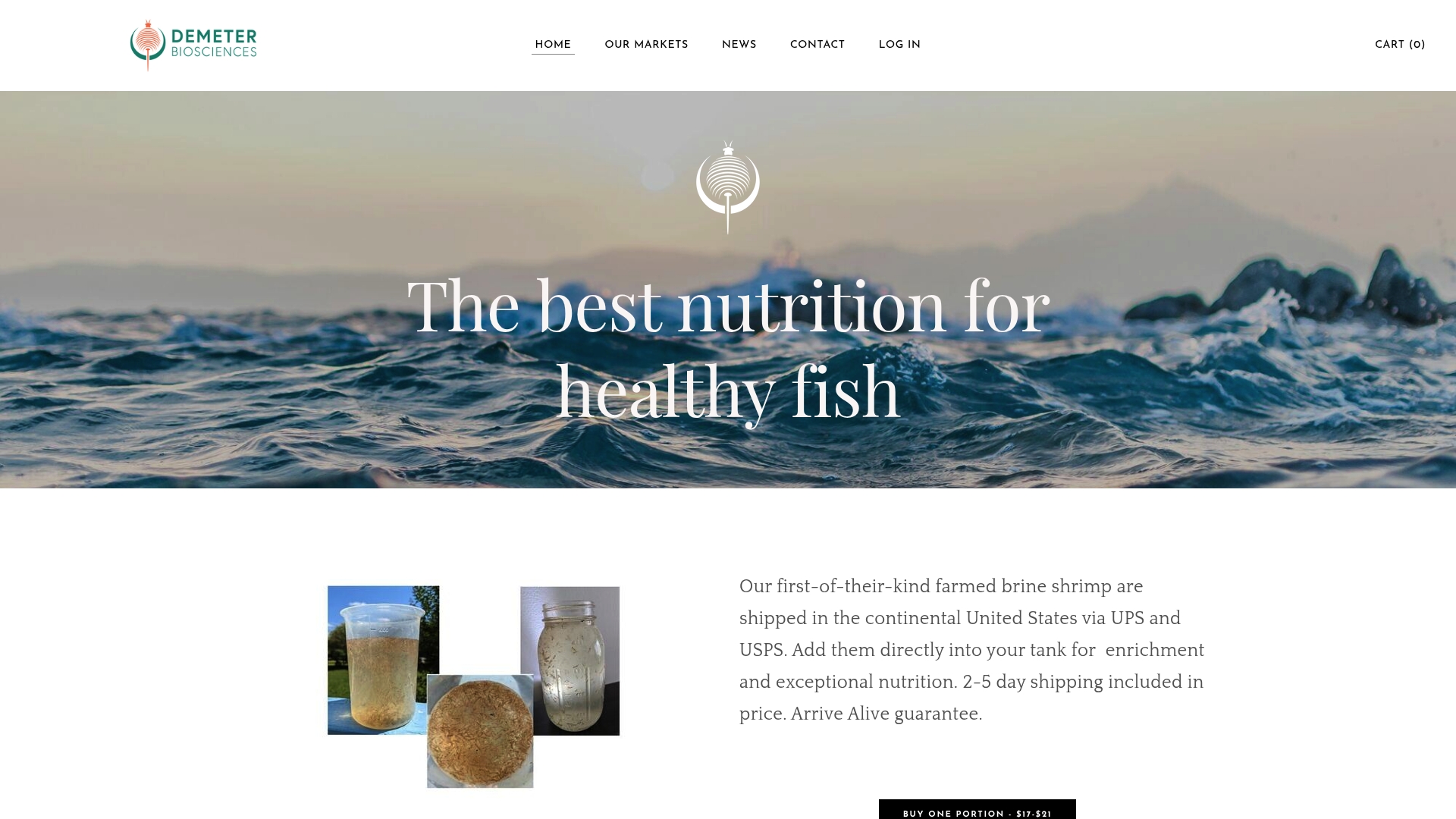
Demeterbioscience produces farmed live brine shrimp cultivated exclusively on Dunaliella algae in land-based, controlled systems, delivering a minimum 40% protein content and a consistent fatty acid profile that wild-harvested sources cannot match. For aquaculture operations running larval rearing programs, this consistency is the difference between a reliable enrichment protocol and one that produces variable results batch to batch. Explore our live brine shrimp products for larval and juvenile feeding programs, or review our microalgae feed options and fish meal products for formulated diet supplementation. Contact our team to discuss protocol-specific sourcing for your species and production stage.
FAQ
What is a captive fish nutritional protocol?
A captive fish nutritional protocol is a structured feeding plan specifying diet composition, macronutrient targets, feeding schedules, and supplementation strategies tailored to a fish species' requirements in a controlled environment. It integrates trophic level, life stage, and water chemistry to optimize growth and health.
How much protein do captive fish need?
Protein requirements depend on trophic level. High-trophic species like grouper require 45 to 50% dietary protein, while middle-trophic species like tilapia perform well on 35 to 40%, with greater tolerance for plant-based protein sources.
Why is live feed enrichment important for larval fish?
Enriched rotifers and Artemia deliver phospholipid-bound DHA that larval fish cannot obtain from formulated feeds alone before their digestive systems mature. Enrichment exceeding 18 hours at correct doses maximizes DHA content in phospholipids, directly supporting neural development and survival.
How does dynamic feeding improve fish nutrition outcomes?
Dynamic feeding systems use real-time behavioral and biomass data to adjust feed delivery, reducing waste by 28% and improving feed conversion ratio compared to fixed schedule-based approaches. They also detect health anomalies earlier by flagging abnormal feeding behavior.
What minerals are most commonly deficient in captive fish diets?
Calcium and iodine are the most frequently deficient minerals in captive fish, particularly in freshwater systems using low-mineral or reverse osmosis water. Dietary supplementation is required because passive uptake through the gills is insufficient to meet physiological needs in these environments.