
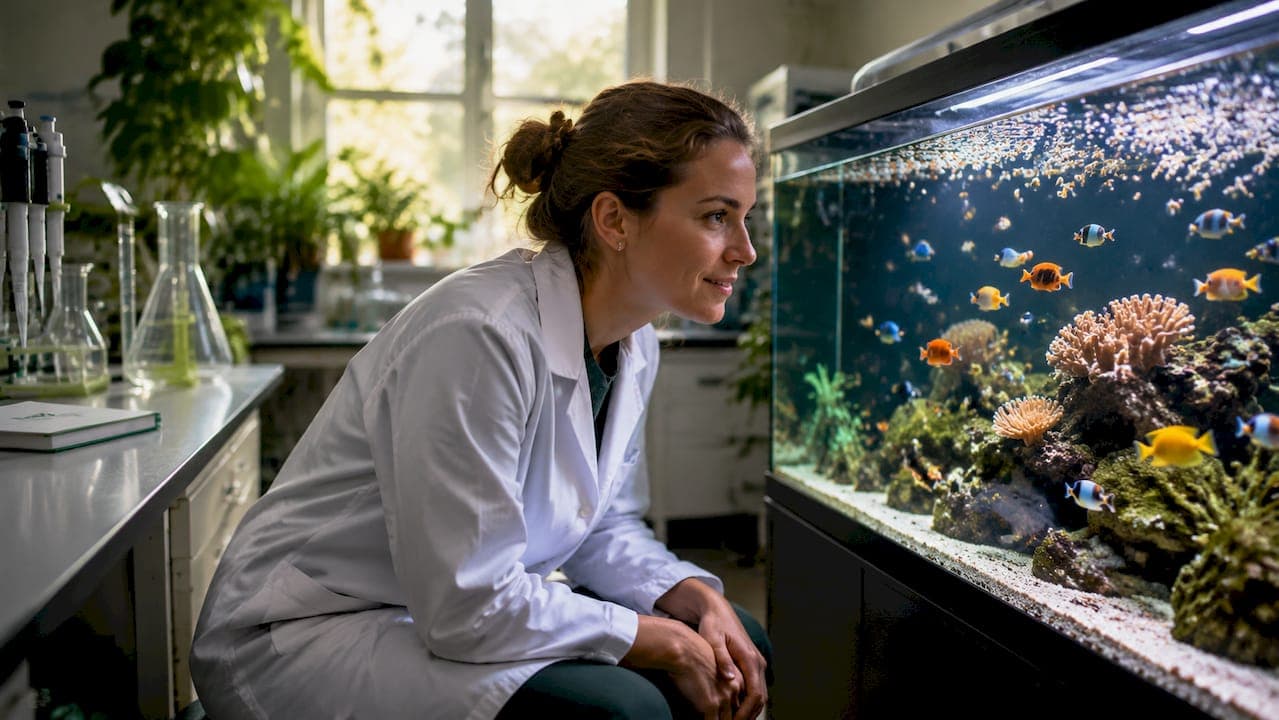
Live food triggers fish feeding response through movement-based sensory cues that activate hardwired predatory instincts, making it the most effective feeding stimulus available to aquarists. When a brine shrimp or scud darts erratically through the water column, it fires a chain of visual, neurological, and hormonal signals that processed pellets simply cannot replicate. Understanding this mechanism, known in behavioral biology as the prey recognition response, gives aquarists a direct tool for improving fish health, reducing stress, and conditioning fish for breeding. This article breaks down the biology, the comparisons, and the practical steps you need.
Why live food triggers fish feeding response: the biology explained
The prey recognition response is the neurological event that occurs when a fish detects movement consistent with live prey. Movement is the primary trigger. Visual-motor integration systems in obligate live-prey feeders depend entirely on live food movement stimulus to initiate feeding. Without that erratic, fleeing motion, many predatory species will refuse food even when starving.
The key sensory inputs that drive this response include:
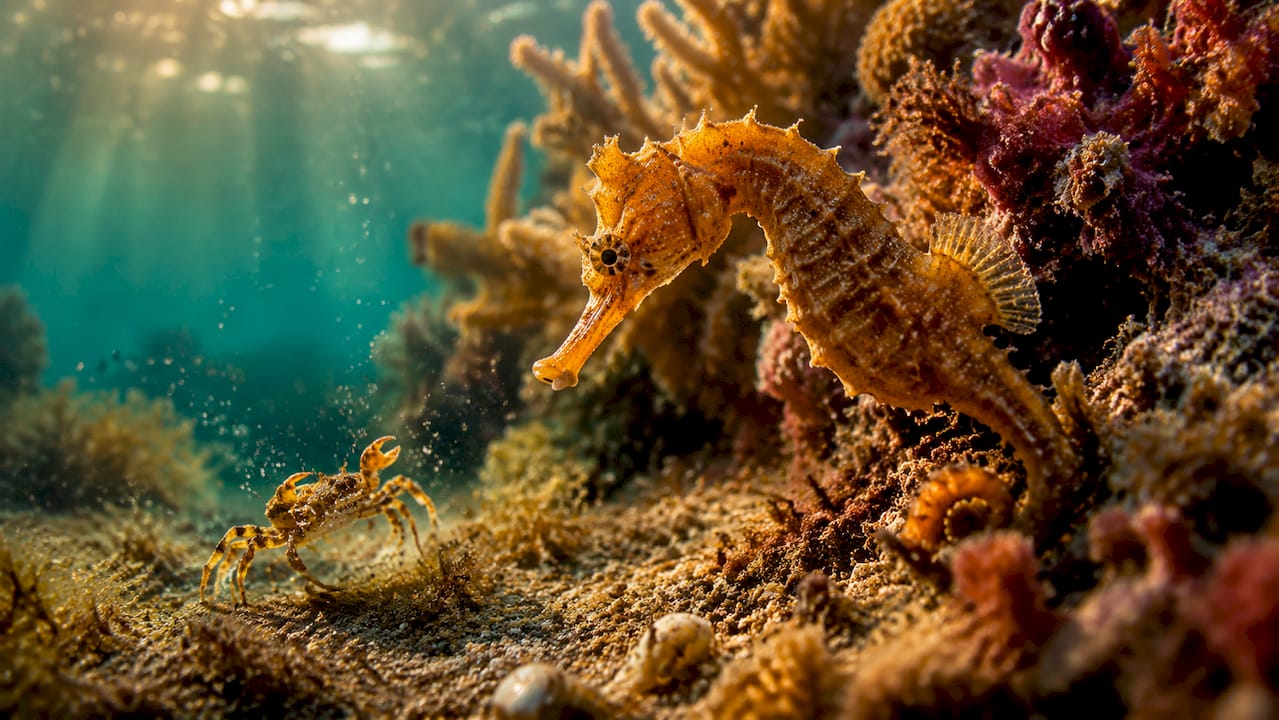
- Erratic movement patterns: Prey that darts, hides, and changes direction mimics the escape behavior fish evolved to chase. Cichlids, seahorses, and most predatory reef fish require this stimulus to lock onto food.
- Lateral line vibration: Fish detect water displacement through their lateral line organ. Live prey generates micro-vibrations that processed food cannot produce. Higher fish density amplifies feed-related water vibrations by over 140%, showing how movement cues compound in group feeding situations.
- Chemical signals: Live prey releases amino acids and other compounds into the water as it moves. These chemical traces act as secondary attractants, reinforcing the visual trigger.
- Hormonal activation: Spotting live prey elevates cortisol and adrenaline briefly, priming the fish's metabolism for a burst of predatory activity. This is a hunting state, not just a feeding state.
Species-specific differences matter here. Seahorses, for example, are ambush predators that rely almost entirely on the subtle movement of small crustaceans. Cichlids use a combination of visual tracking and lateral line detection to coordinate group attacks. Knowing your fish's natural hunting style tells you which live food type will produce the strongest response.
Pro Tip: If a fish refuses live food on first introduction, reduce tank lighting slightly. Dimmer conditions lower the fish's stress threshold and make the prey's movement more visually prominent against the background.
How does live food compare to frozen and processed food for feeding behavior?
Static food does not trigger the prey recognition response. A sinking pellet or a thawed bloodworm lying on the substrate presents no movement cue. The fish may eventually eat it out of hunger, but the neurological and hormonal cascade that makes feeding an active, health-promoting event does not occur.
Acoustic monitoring research confirms that live food stimulates more intense feeding behaviors than processed types, with recognition accuracy reaching 97.3% when correlating feeding intensity to food type. That intensity gap has real consequences for fish health and muscle condition.
| Food type | Feeding response | Nutritional completeness | Parasite risk | Behavioral enrichment |
|---|---|---|---|---|
| Live food | Strong, immediate | High (especially gut-loaded) | Low to moderate | High |
| Frozen food | Moderate | Good | Very low | Low |
| Processed pellets | Weak to moderate | Variable | None | Very low |
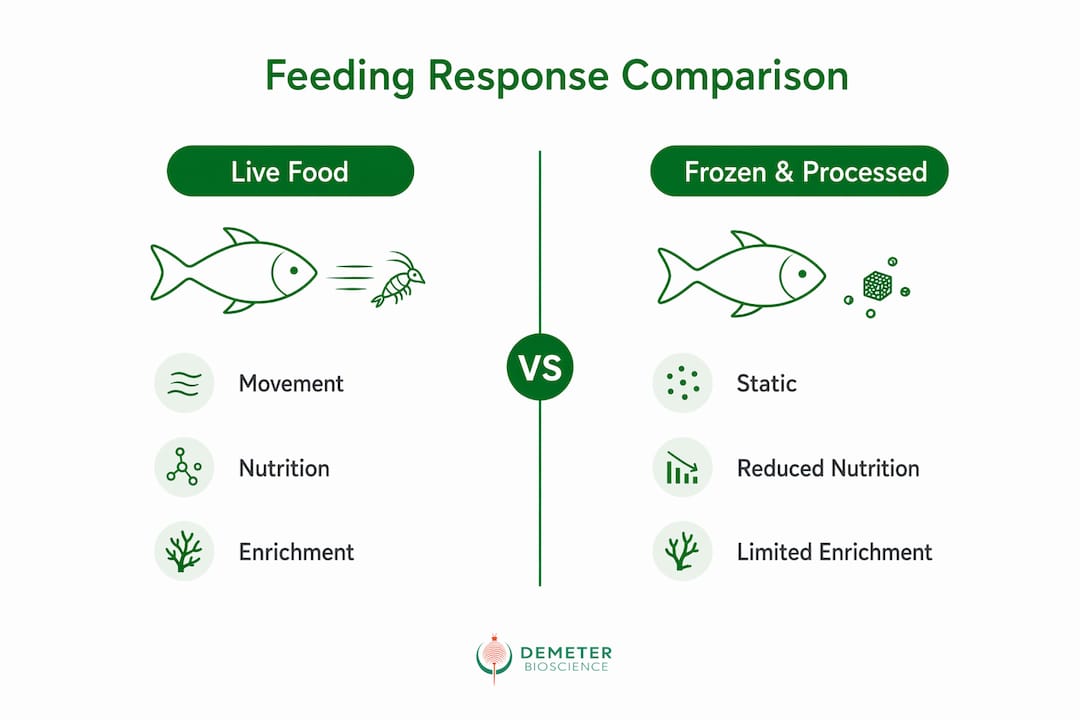
Live scuds outperform frozen food by delivering whole-organism nutrition and triggering natural hunting instincts through constant movement and hiding behavior. Frozen food retains nutritional value reasonably well, but it cannot replicate the behavioral stimulus. Processed pellets offer convenience and consistency, but fish fed exclusively on pellets often develop reduced feeding drive over time.
A common misconception is that a fish eating pellets enthusiastically means its feeding instincts are fully satisfied. Eating and thriving are not the same event. Natural hunting triggered by live food stimulates mental and physical health pathways that a pellet-fed fish never accesses. The difference shows up in coloration, activity level, and long-term immune function.
Pro Tip: Rotate live, frozen, and processed foods on a weekly schedule rather than committing to one type. A cycling feeding regimen customized to your species promotes both feeding response and complete nutrition.
What role does live food play in fish health, growth, and breeding?
Live food does more than feed fish. It conditions them physically and psychologically in ways that directly affect growth rates, coloration, immune function, and reproductive success.
The core health benefits of live food feeding include:
- Improved coloration: Carotenoid-rich live prey like brine shrimp fed on microalgae such as Dunaliella transfer pigments directly into fish tissue. The result is visibly richer color, particularly in species like discus, cichlids, and marine reef fish. Demeterbioscience's brine shrimp, raised exclusively on Dunaliella algae, deliver at least 40% protein alongside these natural pigment compounds.
- Muscle conditioning: Live food serves as a biological gym, stimulating jaw kinetics and muscle conditioning through high-speed suction and pivot feeding mechanics. Pellet-fed fish that never engage these mechanisms show measurable muscle atrophy over time.
- Stress reduction: Live prey feeding curbs stress behaviors like glass-surfing and pacing. Behavioral enrichment from active hunting keeps cortisol levels lower over the long term, which directly supports immune function.
- Breeding conditioning: Aquarists conditioning fish for spawning consistently report faster results when live food is introduced in the weeks before breeding. The hormonal activation from hunting live prey appears to accelerate reproductive readiness.
- Juvenile development: Young fish, especially marine juveniles, often cannot survive without live food. 100% of obligate live-prey feeders depend on movement stimulus to initiate feeding, making live food non-negotiable during early life stages.
Gut-loading amplifies all of these benefits. Feeding enrichment items to live prey for 12 or more hours before offering them to fish converts the live food from an appetite stimulant into a nutritionally complete meal rich in vitamins and minerals. This single practice closes the gap between live food as a behavioral tool and live food as a complete dietary solution. You can read more about how this translates to visible results in this guide on live food and fish color.
How can aquarists use live food to encourage feeding response in captive fish?
Putting live food to work in a captive system requires more than dropping brine shrimp into a tank. The type of live food, how it is prepared, and how it is introduced all affect the strength of the feeding response you get.
-
Choose the right live food for your species. Brine shrimp work well for most small to medium fish and are particularly effective for marine species. Scuds suit predatory freshwater fish that need a more active, hiding prey. Daphnia are ideal for smaller fish and fry. This guide on choosing live food for freshwater fish breaks down the species-specific options in detail.
-
Gut-load before feeding. Feed your live prey a high-quality diet for at least 12 hours before introducing them to the tank. For brine shrimp, microalgae like Dunaliella provide the ideal gut-load substrate. This step transforms the shrimp from a movement trigger into a nutrient-dense meal.
-
Introduce live food gradually when transitioning from pellets. Fish conditioned on processed food may not recognize live prey immediately. Offer live food at the start of a feeding session when hunger is highest. Over several days, the prey recognition response reactivates. The 2026 transition guide covers this process step by step.
-
Manage parasite risk by sourcing from controlled cultures. Wild-caught live food carries a real risk of introducing parasites and pathogens. Laboratory-grown live food cultures eliminate this risk while maintaining the movement cues that trigger feeding. Farmed brine shrimp from controlled systems like those at Demeterbioscience are the safest live food option for closed aquarium systems.
-
Use live food to reinvigorate picky feeders. A fish that has stopped eating processed food will almost always respond to live prey. The movement cue bypasses learned food aversion and reactivates the prey recognition response. Once the fish is eating actively again, you can reintroduce processed food alongside live prey.
Properly managed live food cultures like brine shrimp and scuds are cost-effective and renewable. They also improve tank ecosystems by reducing waste, since uneaten live prey continue to move and can be removed or consumed later, unlike decomposing pellets.
Key takeaways
Live food triggers fish feeding response because movement activates the prey recognition response, a hardwired neurological event that processed food cannot replicate.
| Point | Details |
|---|---|
| Movement is the core trigger | Erratic, fleeing prey movement activates visual-motor and lateral line systems that initiate feeding. |
| Live food outperforms processed food | Acoustic research confirms live food produces measurably more intense feeding behavior than pellets or frozen food. |
| Gut-loading converts stimulus to nutrition | Feeding live prey high-quality food for 12+ hours before use delivers vitamins, minerals, and protein alongside the behavioral trigger. |
| Health benefits extend beyond feeding | Live food reduces stress behaviors, improves coloration, conditions muscles, and accelerates breeding readiness. |
| Sourcing matters for safety | Farmed, controlled-culture live food eliminates parasite risk while preserving the movement cues that drive feeding response. |
What I've learned from watching fish hunt
After years of observing fish across freshwater and marine systems, the single most consistent finding is this: a fish that hunts is a fish that thrives. The behavioral shift when live prey enters a tank is immediate and unmistakable. A cichlid that was pacing the glass will lock on, stalk, and strike within seconds. That is not just appetite. That is a whole-body physiological event.
What surprises most aquarists is how quickly a pellet-conditioned fish can rediscover its hunting instincts. The prey recognition response does not disappear with disuse. It reactivates fast, often within the first feeding session. The fish was never broken. It was just bored.
The practical lesson I keep returning to is gut-loading. Aquarists who skip this step are getting the behavioral benefit of live food without the full nutritional payoff. Spending 12 hours feeding your brine shrimp a quality microalgae before offering them to your fish is the single highest-return action in live food practice. The fish gets the hunt and the meal.
My honest recommendation is to treat live food as a core part of the feeding rotation, not a treat or a last resort. Pair it with a captive fish nutritional protocol that cycles live, frozen, and processed foods by species need. That combination produces the healthiest, most active, best-colored fish I have seen in any system.
— Demeter
Live brine shrimp from Demeterbioscience: feeding response built in
Demeterbioscience farms live brine shrimp in land-based, controlled systems fed exclusively on Dunaliella microalgae. Every shipment delivers shrimp with at least 40% protein content and the natural movement cues that trigger immediate feeding response in captive fish.
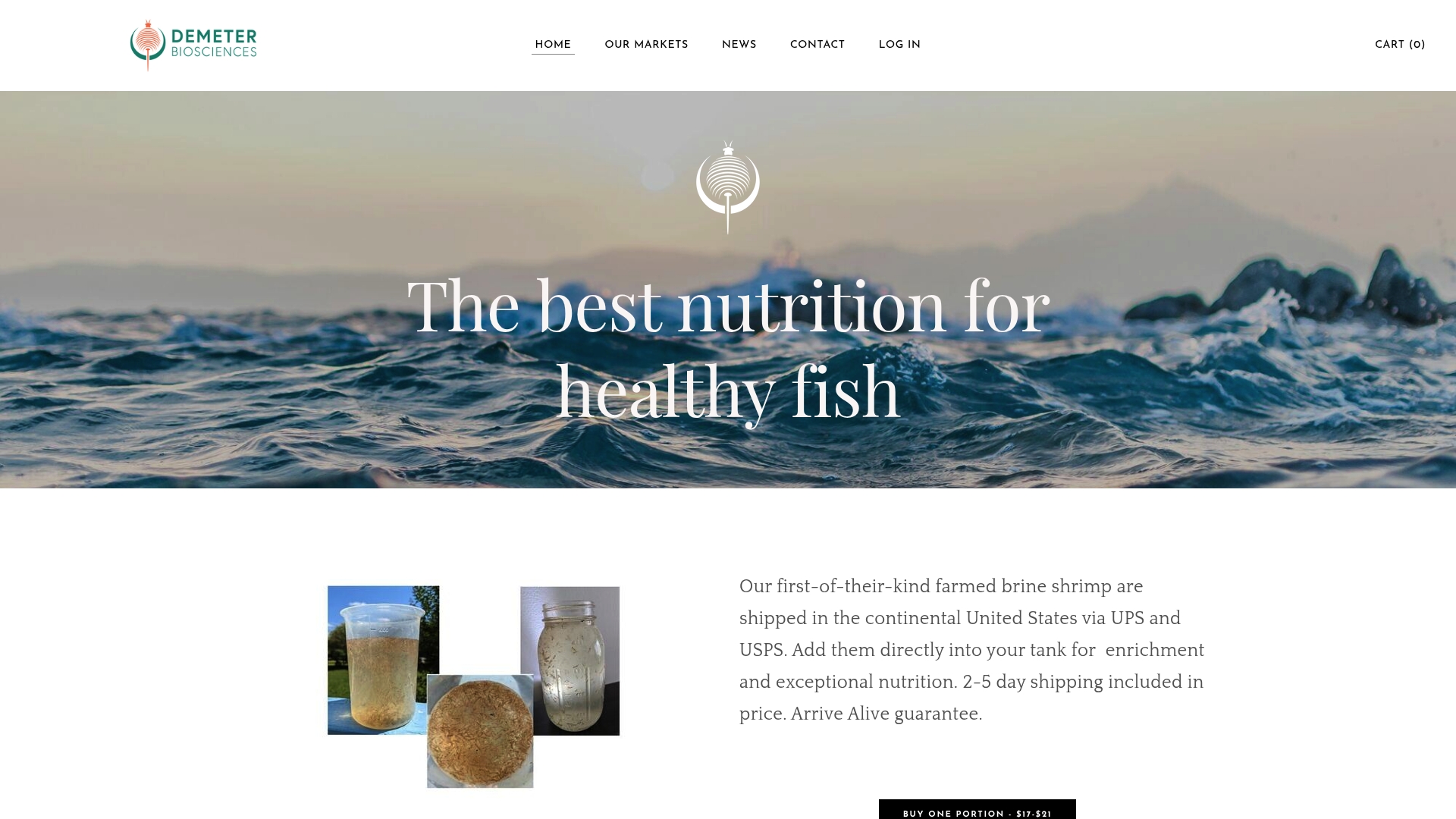
Unlike wild-harvested brine shrimp, which arrive nutritionally depleted from starvation conditions in natural ecosystems, Demeterbioscience's shrimp are gut-loaded by design. The Dunaliella-based diet means the shrimp arrive as both a behavioral trigger and a complete nutritional offering. Aquarists can order live brine shrimp direct through single shipments, monthly subscriptions, or bulk retail packages for fish stores and museums. If you want fish that feed actively, color up visibly, and breed reliably, this is where to start.
FAQ
Why do fish respond more to live food than pellets?
Live food produces erratic movement that activates the prey recognition response, a hardwired neurological trigger that static pellets cannot replicate. Fish evolved to hunt moving prey, and that instinct remains active in captive fish.
Do all fish need live food to feed properly?
Not all fish require live food, but obligate live-prey feeders like many reef species and seahorses depend on movement stimulus to initiate feeding at all. For other species, live food significantly improves feeding intensity and overall health even when processed food is accepted.
What is gut-loading and why does it matter?
Gut-loading means feeding live prey a nutritious diet for at least 12 hours before offering them to fish. This converts the live food from a pure behavioral trigger into a vitamin and mineral-rich meal that supports growth and immune function.
How do I transition a pellet-fed fish to live food?
Introduce live food at the start of a feeding session when hunger is highest, before offering any processed food. The movement cue reactivates the prey recognition response within a few sessions, even in fish conditioned exclusively on pellets.
Is live food safe for aquarium fish?
Live food sourced from controlled, farmed cultures carries very low parasite risk and is safe for closed aquarium systems. Wild-caught live food poses a higher risk of introducing pathogens, which is why laboratory-grown or farm-raised options are the preferred choice for aquarists.