
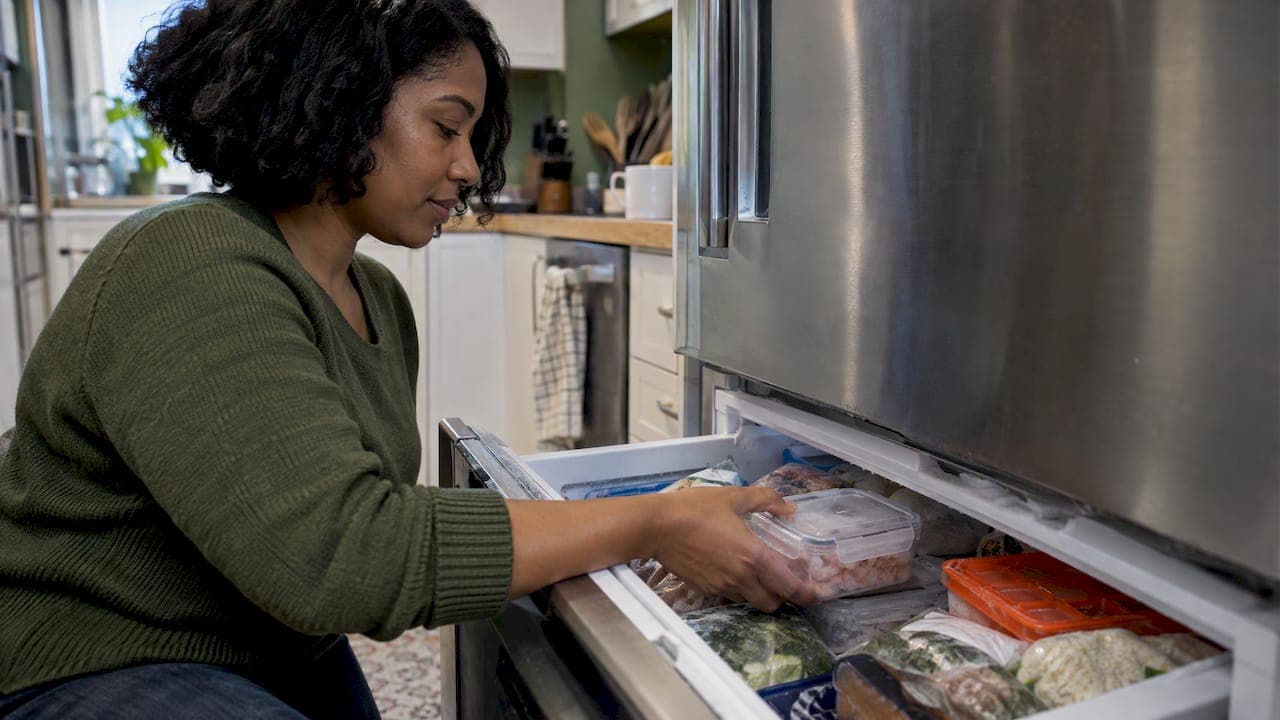
How you store brine shrimp depends on what form they are in. Dry cysts keep for a long time. Hatched nauplii should be fed within hours, and cold storage buys you about two days at most. Thawed shrimp belong in the fridge for no more than 48 hours. Frozen shrimp last for months if you protect their fats from oxygen.
This guide goes through each form, with the temperatures and time limits that hatchery and university sources give. It also covers what goes wrong when storage fails, and how to plan feedings so you rarely need to store anything.
TL;DR
- Dry cysts: keep them dry and sealed. Dormant cysts can last for years, but they start to metabolize once their water content passes about 10%.
- Freshly hatched nauplii: feed right away. Chilled to 4°C (about 39°F), they hold for up to 48 hours, as a stop-gap only.
- Thawed shrimp: 48 hours in the fridge is the practical limit. After that, nutrition drops and the smell turns foul.
- Frozen shrimp: fats oxidize even at freezer temperatures. Airtight packing, small portions and antioxidant protection such as vitamin E slow the damage.
- Live farmed shrimp: plan your feedings around the delivery date instead of banking surplus.
Table of Contents
- Why brine shrimp spoil faster than most fish foods
- Storing dry brine shrimp cysts
- Freshly hatched nauplii: feed first, store only if you must
- Thawed and defrosted brine shrimp
- Freezing: what works and what the research says
- Quick reference: how long each form lasts
- What a spoiled batch looks and smells like
- Our perspective: store less, feed fresher
- Matching storage to how you feed
- Order for your feeding schedule
- FAQ
- Sources
Why brine shrimp spoil faster than most fish foods
Brine shrimp are valued because they are rich in highly unsaturated fatty acids (HUFA). Those same fats make them fragile. Practitioner guidance on Artemia culture notes that this high HUFA content makes them prone to rancidity. It also says any storage method that exposes them to oxygen (frozen, refrigerated or dried) should include antioxidant protection or vacuum sealing.
So "storage" really means three jobs:
- Slow the animal's own metabolism, so it does not burn through its reserves.
- Slow oxidation of the fats.
- Keep bacteria from growing, which fouls your tank water.
Every method below handles those three jobs differently, and none handles all of them forever.
Storing dry brine shrimp cysts
Cysts, often sold as eggs, are the easy case. The embryo inside is ametabolic at water levels below 10% and can be stored for long periods without losing viability. Viability suffers once water content rises above that level and metabolism restarts.
In practice:
- Keep cysts in an airtight container. Humidity is the enemy, not time.
- Store them cool and away from light.
- Never return damp cysts to the container after a hatch.
- Write the opening date on the lid so you can track hatch rates between batches.
The University of Florida notes that dry cysts are predominantly collected from the wild and stored in air-tight, sealed containers. If you notice hatch rates sliding, suspect moisture first, then age.
Decapsulated cysts
Some keepers and hatcheries strip the outer shell (decapsulate) so the embryos can be fed directly or hatch faster. These need different handling, because they are no longer protected by the shell.
UF/IFAS describes a method for storing decapsulated Artemia: move them into a saturated brine solution (330 g of salt per liter of water) and aerate for 18 hours. That cuts cellular water by roughly 80%, which allows refrigerated or frozen storage without losing hatchability for months. The same publication says decapsulated cysts kept in saturated brine in a refrigerator at about 4°C can last up to two months. A common ratio for the brine is 300 g of rock salt per liter of tap water.

This is a hatchery technique. Most home aquarists keep cysts dry and skip it.
Freshly hatched nauplii: feed first, store only if you must
Newly hatched nauplii live on a limited yolk reserve. The hatchery guidance linked above advises feeding them immediately. If you cannot, chilling them to 4°C slows their metabolism and preserves nutritional value and size for up to 48 hours. Treat that as a temporary stop-gap, not a plan.
The nutritional clock matters more than survival. A nauplius that is still swimming after two days has probably used up much of what made it worth feeding. For the biology behind this, see our Artemia nauplii guide and the feeding-window article on brine shrimp life stages.
A simple routine for hatched shrimp
- Hatch only what you will feed within a day.
- Harvest with a fine mesh net and rinse lightly if salinity matters for your tank.
- Feed small amounts, so uneaten shrimp do not die and decay in the water.
- If you must hold leftovers, keep them cold in a sealed container and use them within 48 hours.
Keepers in forum threads also warn that holding hatched shrimp longer, even in the fridge, costs nutrition and can foul the water. That matches the 48-hour ceiling from the hatchery sources.
Thawed and defrosted brine shrimp
Thawing is where most waste happens. The practitioner consensus, as seen in a reef-keeper discussion on defrosted brine shrimp, is a 48-hour maximum in the refrigerator. Beyond that, nutritional value falls and lipid oxidation produces a strong, foul odor. Some experienced keepers add vitamins directly to the thawed batch to offset losses.
Simple rules:
- Thaw only what you will feed in one or two sessions.
- Do not refreeze a thawed batch. Each cycle damages the animals and the nutrients that survive.
- Drain off the thaw water before feeding. It carries dissolved nutrients and bacteria into the tank.
- If it smells sharp or rancid, throw it out. Your fish are not helped by it.
Going away for a few days? Do not leave a defrosted batch for a sitter to use over a long weekend. Portion fresh frozen cubes into labeled containers instead, or use an automatic feeder with a dry food.
Freezing: what works and what the research says
Freezing is the longest-lasting option for live or whole brine shrimp, but it is not a pause button. Fats keep oxidizing slowly.
A 2024 study on Artemia urmiana frozen storage tested immersing the biomass in a vitamin E solution (0.02% to 0.4%) before freezing at -18°C. Over eight months, treated samples showed lower lipid oxidation than untreated controls, and better preservation of pH stability, crude protein and fatty acid profiles. This was a lab study on a specific species, so treat it as evidence for the principle (antioxidants slow rancidity) rather than a recipe for your kitchen.
Practical freezer habits
| Practice | Why it helps |
|---|---|
| Freeze in thin flat packs or small cubes | Faster freezing, and you thaw only what you need |
| Squeeze out air, or vacuum-seal | Less oxygen contact, less rancidity |
| Keep the freezer at -18°C (0°F) or colder | Slows chemical change |
| Label with the date | Lets you use the oldest first |
| Avoid frost-free cycling zones, such as the door | Temperature swings speed spoilage |
Our own cold-storage protocol for freezing live brine shrimp walks through the steps in more detail.
Quick reference: how long each form lasts
| Form | Where | Practical limit | Source basis |
|---|---|---|---|
| Dry cysts | Airtight, cool, dark | Long periods while water stays under 10% | FAO |
| Decapsulated cysts in saturated brine | Fridge, about 4°C | Up to 2 months | UF/IFAS |
| Freshly hatched nauplii | Fridge, 4°C | Up to 48 hours, stop-gap only | Hatchery guide |
| Thawed shrimp | Fridge | 48 hours maximum | Keeper consensus |
| Frozen biomass with vitamin E | -18°C | Benefits shown over 8 months in a lab study | 2024 study |
What a spoiled batch looks and smells like
Trust your nose first. Rancid fats smell sharp and fishy in a way that is clearly different from fresh shrimp. Other warning signs:
- Cloudy, slimy water in the container.
- Shrimp that clump together and fall apart when handled.
- A film on the water surface of your tank after feeding.
- Fish that investigate the food and then ignore it.
When in doubt, discard. The cost of a portion of shrimp is small next to a water-quality problem in a tank.
Our perspective: store less, feed fresher
We grow brine shrimp on land in a controlled system, fed exclusively on the microalga Dunaliella, with the aim of at least 40% protein content and consistent nutritional quality. That consistency is the whole point of how we raise them, and it is why we think about storage differently from someone working with wild-harvested product.
Wild shrimp can vary by season and can be harvested after starving, so the starting nutrition is uncertain before storage even begins. Every hour of cold storage then takes away from a baseline you cannot measure. Starting with a well-fed animal gives you more nutrition to protect.

The lesson we pass on to hobbyists is simple: the best storage method is a feeding schedule that makes storage unnecessary. Order for the number of feedings you actually have coming, keep the shrimp cold and aerated as described in our 48 to 72 hour storage guide, and see our notes on how long live shrimp stay fresh for feeding. When your shipment arrives, unpack it with nutrition in mind so the first hours do not undo the work.
For freezing, we would rather you freeze small portions of a good product than a large pile of a mediocre one.
— Demeter
Matching storage to how you feed
Home aquarium, a few feedings a week
Feed live or freshly thawed shrimp in small amounts. Keep a small stock of frozen portions in the freezer for days you cannot do live. Keep dry cysts only if you hatch your own.
Local fish stores and pet retailers
Shops move product fast, but they face temperature swings and display time. Rotate stock oldest first, keep cold chain records, and do not sell product that has been thawed and refrozen. Our bulk store order is designed for stores that want a steady supply without large inventory to babysit.
Labs, museums and hatcheries
Consistency across batches matters more than shelf life. If you run experiments, a stable source helps you avoid the batch variance that makes data noisy. See our notes on research-grade brine shrimp and the lab protocol for zebrafish feeding. Institutions that need decapsulated cyst storage should follow the UF/IFAS brine method above.
Order for your feeding schedule
We ship farmed live brine shrimp directly, with one-off live brine shrimp orders priced from $17 to $35 as published on our site. If you feed every week, the monthly membership at $25 per month delivers a fresh shipment on a regular rhythm, so you are not stretching old stock. We also sell live phytoplankton at $20, and gift cards from $10 to $50 are available for fellow keepers. You can see the full range on our featured products page.
For the nutrition side of our product, read about microalgae-fed brine shrimp meal nutrition.
FAQ
How long can I keep thawed brine shrimp in the fridge?
Stick to 48 hours at most. After that, nutrition degrades and oxidized fats give off a foul smell. Drain the thaw water and keep the shrimp in a sealed container. Do not refreeze.
How should brine shrimp eggs be stored?
Keep them dry, in an airtight container, in a cool and dark place. Cysts stay dormant while their water content is below about 10%, and they can last for long periods in that state. Moisture is what shortens their life.
Can I store hatched baby brine shrimp?
Only briefly. Chilled at 4°C, newly hatched nauplii can hold their size and much of their nutrition for up to 48 hours. Feeding them right after hatching is better, because they live off a small yolk reserve that runs down quickly.
Does freezing brine shrimp ruin the nutrition?
Not immediately, but their unsaturated fats slowly oxidize, even in the freezer. Airtight packing, small portions and antioxidants such as vitamin E slow the loss. A 2024 lab study found vitamin E treatment reduced lipid oxidation in frozen Artemia over eight months.
Should I rinse brine shrimp before feeding?
It depends on the tank. Rinsing hatched shrimp in a fine mesh net removes the salty water they came in, which matters most for freshwater tanks. For thawed shrimp, draining the liquid is the more useful step.
Sources
- UF/IFAS: Storage of Decapsulated Artemia (Brine Shrimp), FA203
- Artemia Production for Marine Larval Fish Culture
- Defrosted mysis and brine shrimp, Ultimate Reef discussion
- FAO: Use of cysts