
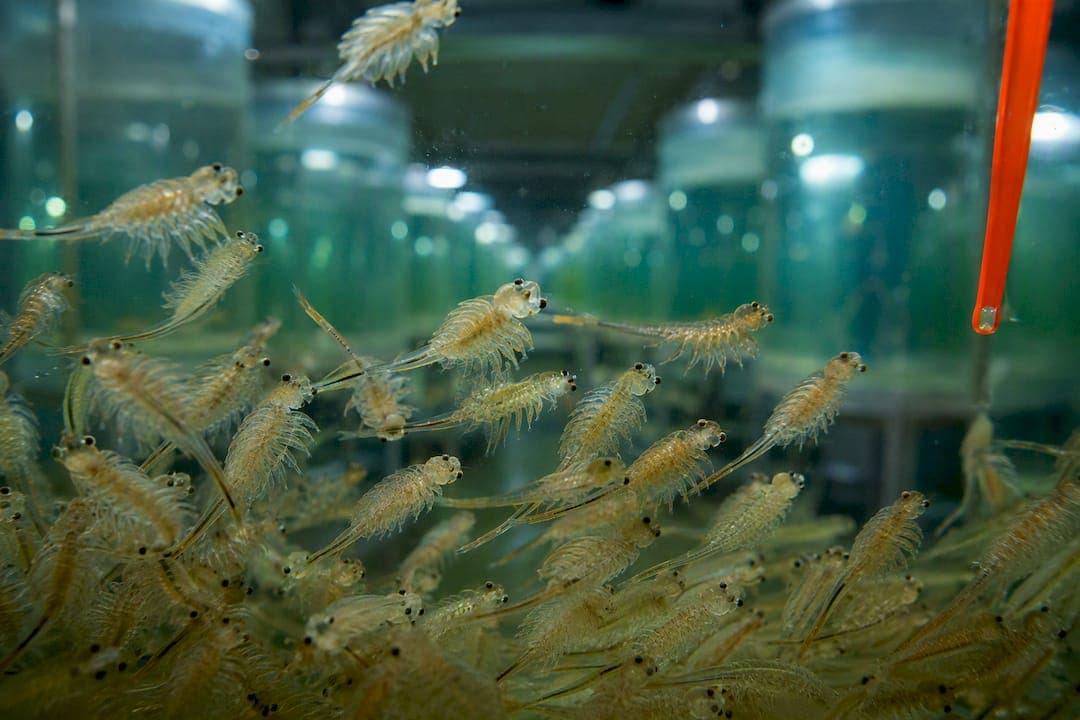
Yes. For most hobbyists, a regular live brine shrimp subscription beats home hatching on three fronts: more consistent nutrition, dependable delivery timed to actual feeding windows, and none of the failed batches that come with DIY culturing. This guide breaks down the nutrition science, the logistics, the quality checks worth demanding from a supplier, and how to pick a plan that fits your tanks.
TL;DR:
- Subscriptions ensure consistent, high-quality nutrition with freshly harvested nauplii that have higher protein content and retain nutrients better than stored or wild-caught shrimp.
- They eliminate the risks of hatch failures, reduce gear clutter, and simplify supply management for multiple tanks and life stages.
- Nauplii are ideal for fry within 18 to 48 hours of hatching, while adults are suitable for larger fish and can be used weekly in a varied diet.
- Controlled, land-based cultivation reduces disease risk and provides reliable nutrient content, unlike wild-harvested Artemia affected by seasonal and environmental fluctuations.
- When choosing a subscription, verify delivery flexibility, survival guarantees, life-stage options, clear handling instructions, and transparent sourcing to ensure dependable supply.
Table of Contents
- Brine Shrimp Subscription Benefits: The Nutrition Case
- Why Subscriptions Beat Home Hatching for Most Aquarium Setups
- When to Feed Nauplii vs. Adult Brine Shrimp
- Biosecurity: Why Cultured Brine Shrimp Reduce Disease Risk
- Sustainable Cultivation: How Controlled Systems Beat Wild Harvest
- How to Evaluate a Brine Shrimp Subscription Before You Sign Up
- Why This Matters More for Serious Hobbyists Than Casual Ones
- Getting Started With a Demeter Subscription
- Sources
Brine Shrimp Subscription Benefits: The Nutrition Case
Live Artemia earn their reputation as one of the best live foods in the hobby because of what's packed inside them. Dried brine shrimp nauplii run roughly 37% to 71% protein by dry weight, depending on strain and rearing conditions, which puts them well above most flake foods on a protein-density basis.
Statistic Callout: Brine shrimp protein content can range from 37% to 71% of dry weight, a spread wide enough that sourcing and feedstock quality genuinely determine what ends up in your fish.
That range matters because not all brine shrimp are equal. Wild-harvested Artemia pulled from a salt lake in a lean season carry a very different nutritional payload than shrimp raised on a steady microalgae diet in a controlled system. Freshness compounds the issue: freshly hatched nauplii still carrying their yolk sac are at peak nutrition, and that density fades within the first 24 hours unless the shrimp are enriched further, according to research on Artemia culturing. A subscription that ships shrimp close to processing keeps that nutrient load intact in a way that a shrimp sitting in a store's holding tank for a week can't match.
Here's what that protein and lipid content actually does for your fish:
- Supports faster growth rates in fry and juveniles during critical development windows
- Enhances natural coloration in ornamental species like discus, betas, and marine fish
- Delivers essential amino acids and lipids, including some omega-3 fatty acids, that support immune function and overall condition
- Provides a whole-prey feeding experience that triggers natural hunting behavior, which flake food simply can't replicate
Nauplii and adult brine shrimp aren't interchangeable, either. Nauplii are smaller and softer, built for fry and small-mouthed species, while adults offer more bulk protein for larger fish that can handle a bigger meal. A subscription that lets you choose life stage per shipment solves a problem home hatchers often ignore: matching the food size to the fish actually eating it.
Why Subscriptions Beat Home Hatching for Most Aquarium Setups
Hatching your own brine shrimp sounds simple until you've done it a dozen times. Salinity has to be right, aeration has to be constant, and temperature has to stay synced within a narrow band, or you get a low hatch rate and a jar of wasted cysts. Add up the equipment, the monitoring, and the cleanup, and the time cost sneaks up on you fast.
Subscriptions remove that single point of failure entirely. Instead of hoping a batch hatches on schedule, shipments arrive on a fixed cadence tied to when your fry or breeding stock actually need to eat. That predictability solves a real bottleneck for hobbyist breeders, since timed nauplii delivery during first-feeding windows can noticeably improve fry survival compared with the guesswork of DIY hatching.
Three concrete advantages show up once you switch:
- No hatch failures eating into your feeding schedule. A bad cyst batch or a heater malfunction no longer means a hungry tank.
- Less gear cluttering your fish room. No hatching cones, no air pumps running around the clock, no leftover cyst cans.
- Supply matched to multi-tank demand. Running several tanks with different life stages gets simpler when shipments are sized and timed for you.
Pro Tip: If you enjoy the hands-on process, keep a small hatching setup for backup feedings and lean on your subscription for the bulk of your feeding schedule. You get the reliability without giving up the hobby side entirely.
When to Feed Nauplii vs. Adult Brine Shrimp
Timing matters almost as much as the shrimp itself. Newly hatched nauplii are typically fed between 18 and 48 hours old, which is the window when fry can still digest them easily and the nauplii retain the most nutritional value from their yolk sac. Past that window, nutrition starts to decline unless the shrimp have been gut-loaded or enriched with additional feed.
Brine shrimp reach adulthood in approximately a few weeks, and that's when they become appropriate for larger juveniles and adult fish that need more substantial prey. Feeding an adult angelfish nauplii wastes effort. Feeding week-old fry adult shrimp risks choking or refusal.
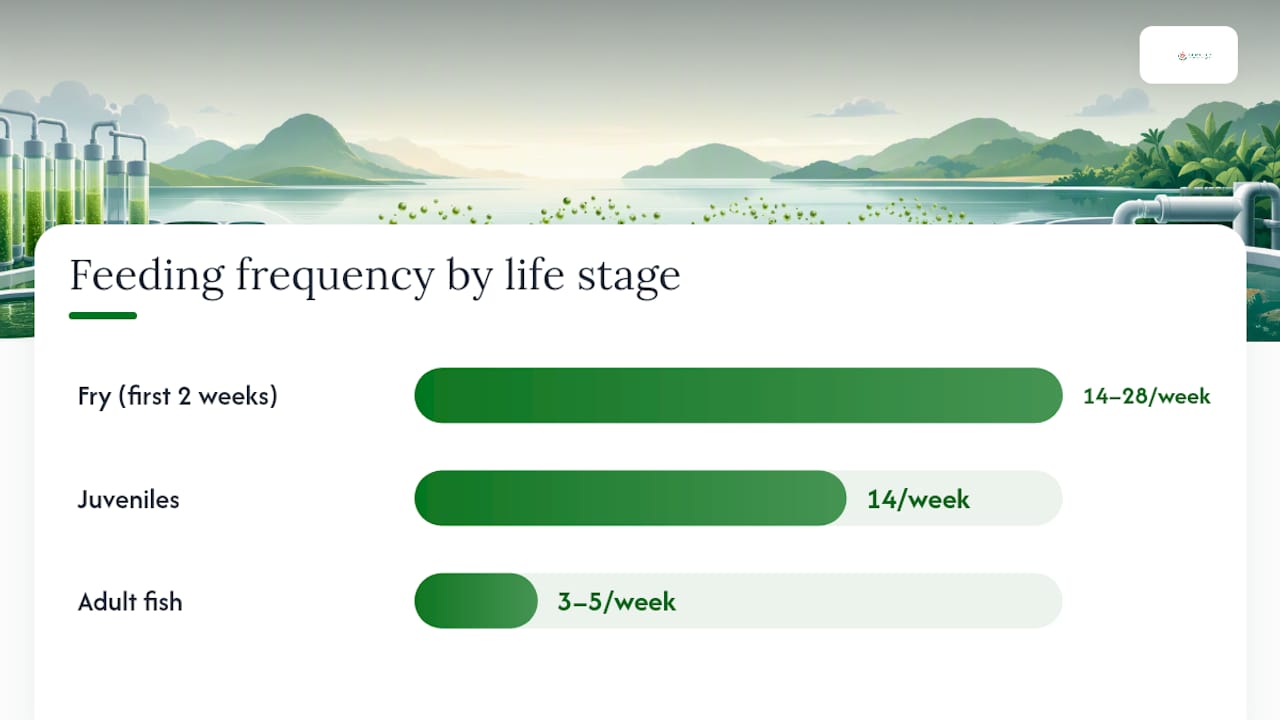
A practical cadence looks like this:
- Fry (first two weeks): nauplii, 2 to 4 small feedings daily
- Juveniles: a mix of late-stage nauplii and small adults, 2 feedings daily
- Adult fish: adult brine shrimp, 3 to 5 times weekly as part of a varied diet
- Breeding pairs: adult shrimp increased in frequency during conditioning periods
Should you feed brine shrimp daily? For fry, yes, within the nauplii window. For established adult fish, brine shrimp works best as a rotation partner alongside pellets or other live foods rather than the sole diet, since no single food covers every nutritional base. For more granular timing by species, our feeding schedule checklist breaks down cadences in more detail.
Biosecurity: Why Cultured Brine Shrimp Reduce Disease Risk
Wild-harvested Artemia come from open salt lakes exposed to whatever pathogens, parasites, and pollutants pass through that ecosystem. Cultured, land-based Artemia raised in a closed system carry a fundamentally different risk profile, since there's no open exposure to wild fish, birds, or runoff contamination that a natural harvest site deals with.
Statistic Callout: Controlled hatchery and cultivation methods reduce the variability that comes with wild harvest, a point backed by peer-reviewed research on Artemia biology covering cyst resilience and production consistency.
When you're evaluating a supplier, a few signals separate a serious operation from a questionable one:
- Clear provenance: does the company state where and how the shrimp are raised, and on what feedstock?
- Shipping survivability: does the packaging and shipping method actually keep shrimp alive on arrival, not just "usually"?
- Handling instructions: do you get clear guidance on temperature, aeration, and how long shrimp stay viable after delivery?
Frozen brine shrimp sidesteps live-shipping risk entirely but loses some of the behavioral feeding trigger that live shrimp provides. If you're weighing that trade-off, our breakdown of live vs. frozen brine shrimp covers it in more depth.
Sustainable Cultivation: How Controlled Systems Beat Wild Harvest
Wild brine shrimp populations swing with the seasons. Drought, temperature shifts, and food scarcity in salt lakes can leave wild Artemia thin and starved by the time they're harvested, which shows up directly in the nutritional value they deliver to your fish.
Land-based cultivation sidesteps that volatility entirely. Demeterbioscience raises its brine shrimp on a diet exclusively of the microalgae Dunaliella, targeting at least 40% protein content with consistency across batches, regardless of what's happening in any wild ecosystem that season. That consistency matters for a few concrete reasons:
- No seasonal crashes in supply or nutritional quality
- A feedstock (microalgae) that's controlled rather than whatever happens to be available in a salt flat
- Reduced pressure on wild Artemia populations and the ecosystems they support
- Predictable nutrient content that institutions and serious breeders can actually plan around
For museums, research institutions, and aquaculture operations that need a live feed source they can rely on batch after batch, that predictability isn't a nice extra. It's the difference between a stable feeding program and one that depends on how good the last wild harvest happened to be.
How to Evaluate a Brine Shrimp Subscription Before You Sign Up
Not every subscription plan is built the same way, and the differences show up fast once you're relying on scheduled shipments to feed fry or breeding stock. Run through this checklist before committing to a plan:
- Delivery cadence. Does the schedule match your actual feeding needs, weekly, biweekly, or monthly, and can you adjust it as your tanks change?
- Survival guarantee. What happens if shrimp arrive dead or in poor condition? A real guarantee should cover this without hoops to jump through.
- Life stage options. Can you choose nauplii for fry one month and adults for grow-out the next?
- Handling and storage instructions. Do you get clear guidance on what to do the moment the shipment lands on your doorstep?
- Refund or credit policy. Is there a straightforward path if a shipment goes wrong, or is it buried in fine print?
Red flags worth watching for: vague sourcing claims, no stated survival guarantee, and no clear answer when you ask what the shrimp are actually fed. A supplier that can't tell you its feedstock probably can't guarantee consistent nutrition either. Our guide to buying, hatching, and feeding live brine shrimp walks through more of these operational trade-offs if you want the fuller comparison.
Why This Matters More for Serious Hobbyists Than Casual Ones
The hobbyists who benefit most from a subscription aren't beginners with one community tank; serious breeders often rely on resources like the Japanese koi breeders online directory to scale their feeding and breeding operations effectively. They're breeders running fry through critical first-feeding windows, retailers stocking multiple systems, and anyone who's watched a hatch fail at the worst possible moment. For that reader, reliability isn't a convenience. It's the thing standing between a healthy batch of fry and a wasted month.
— Demeter
Getting Started With a Demeter Subscription
Some companies ship live, farmed brine shrimp raised on Dunaliella microalgae, with subscription plans built around recurring shipments to help maintain regular supply. Cultivating shrimp in controlled land-based systems can provide more consistent protein profiles shipment after shipment compared to wild harvests with seasonal variability.
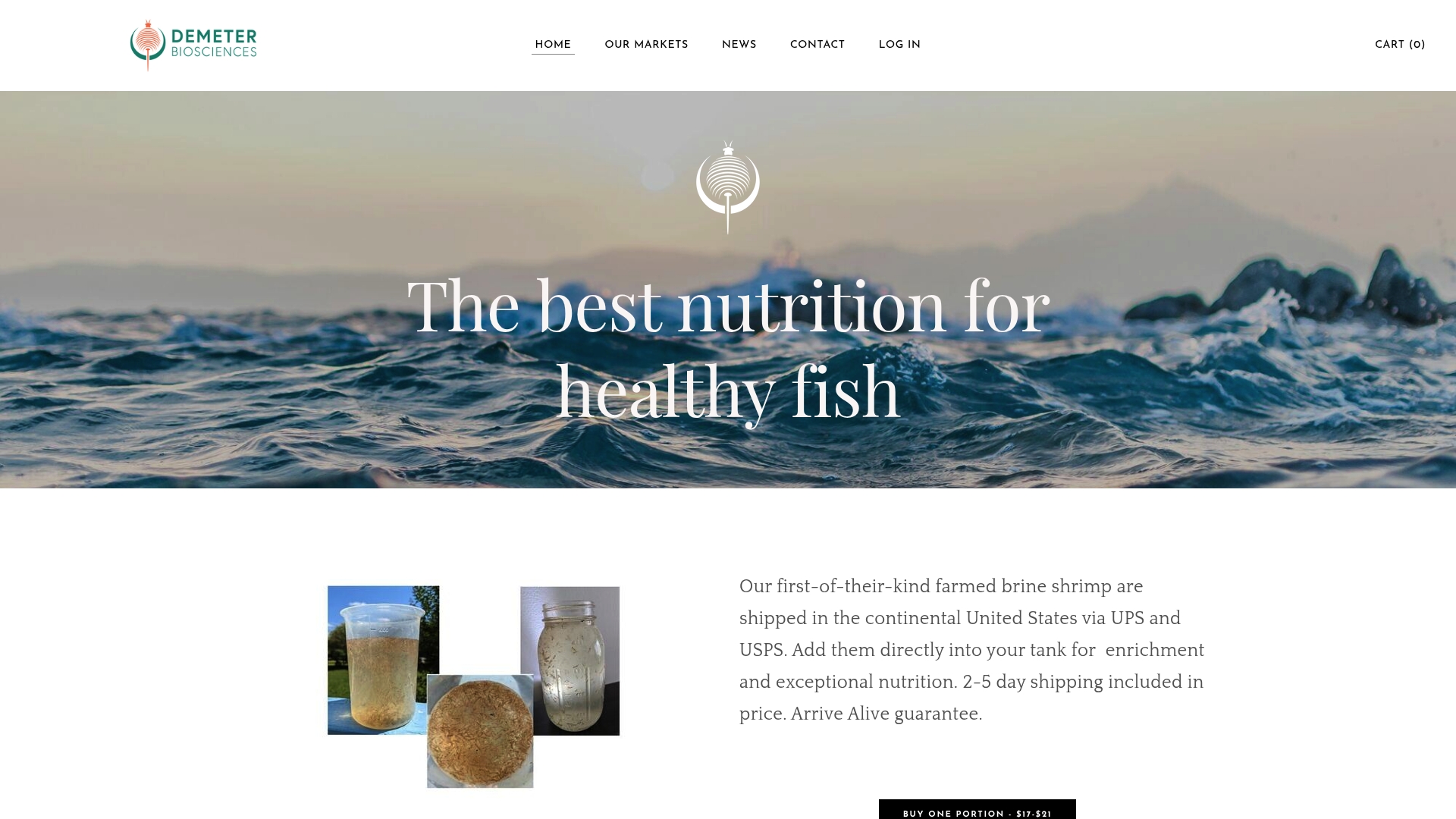
You can compare plan sizes and life-stage options on the live brine shrimp product page, and if you're managing multiple tanks or supplying a retail operation, the bulk ordering page covers larger volume needs. Deliveries often include handling instructions to help you acclimate and feed the shrimp upon arrival. If you want the fuller picture of how the cultivation process works, the brine shrimp product overview walks through it. Choose a plan that matches your feeding cadence to schedule your shipments accordingly.
Sources
- Aquaculture of brine shrimp — Wikipedia
- Artemia: biology, ecology, and use in aquaculture — PMC
- Uses for brine shrimp: nutrition & research — AquaWorldHub