
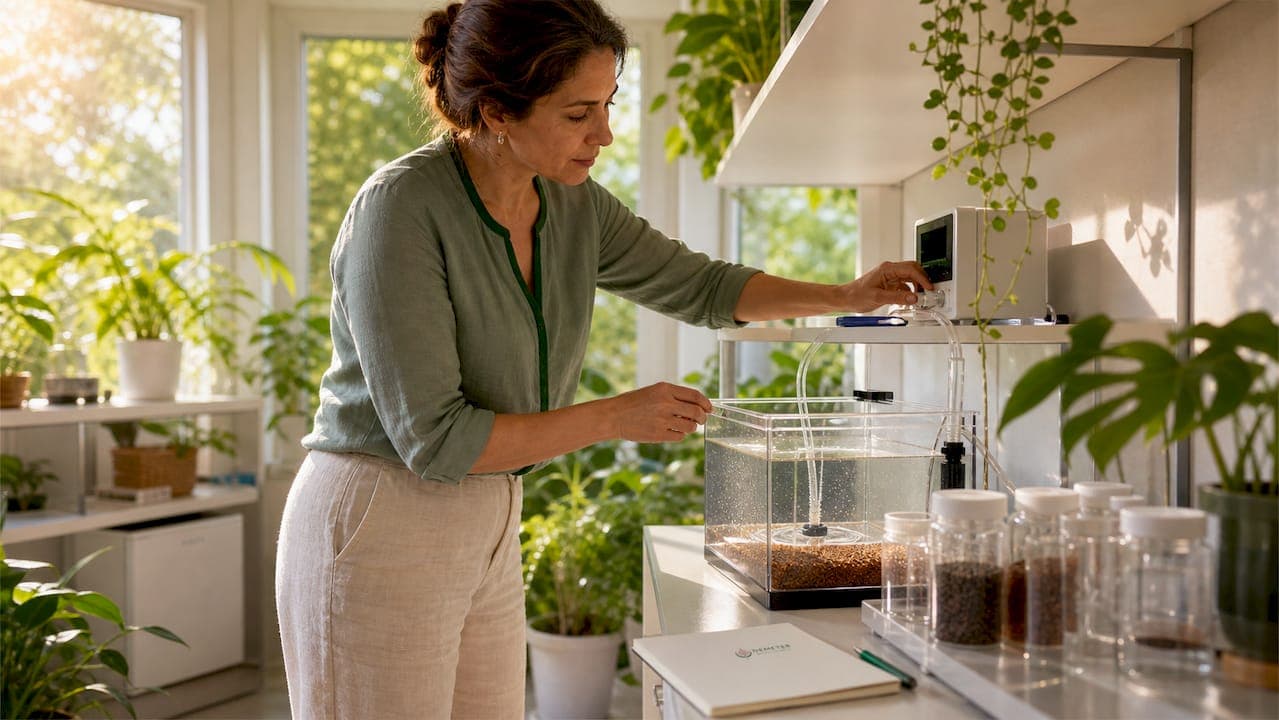
A brine shrimp feeding schedule checklist is the structured system aquarium hobbyists use to time hatches, control portions, and enrich nauplii for peak nutritional delivery to fish. Without one, you risk overfeeding, ammonia spikes, and wasted live feed that never reaches its nutritional potential. The difference between fish that thrive and fish that merely survive often comes down to whether their keeper treats brine shrimp as a living supplement with a defined feeding protocol, not just a convenient snack. This checklist covers every critical step, from hatch timing to enrichment to portion control, so your fish get the most from every feeding.
1. brine shrimp feeding schedule checklist: timing your hatch cycles
The single most important variable in any brine shrimp feeding plan is harvest timing. Nauplii reach peak nutrition within 8–12 hours of hatching, when their yolk sac is still intact and energy-dense. After 24 hours without food or enrichment, that nutritional value drops significantly. This means your feeding window is narrow, and hitting it consistently is what separates a good feeding program from a great one.
Brine shrimp pass through two early life stages that matter here. Instar I nauplii have just hatched and carry the yolk sac but cannot yet feed. Instar II nauplii have molted, developed a functional gut, and are ready to absorb enrichment. Feeding fish Instar I nauplii is fine for nutrition from the yolk sac. Enriching them before they reach Instar II is a waste of supplements.
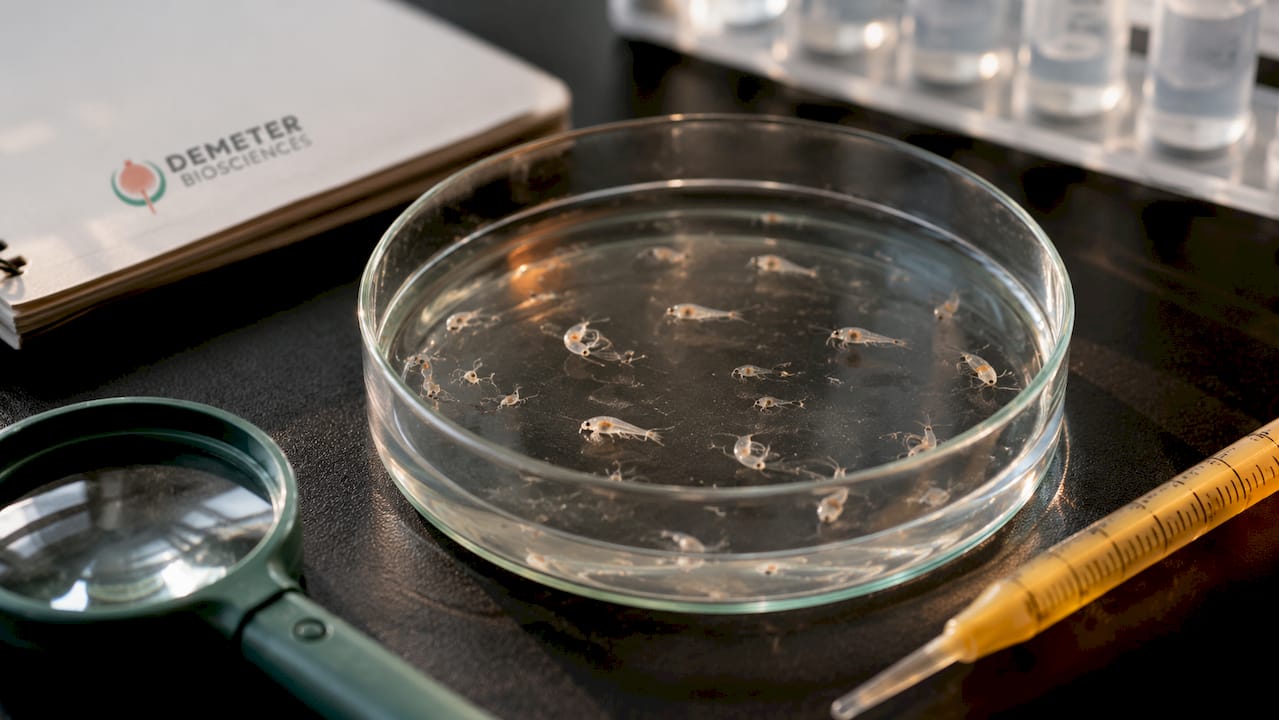
For community tanks, hatching every 1–2 days gives you a steady supply without overproduction. For breeding projects or fry rearing, daily hatching is standard practice, and serious breeders run two hatch containers staggered 12 hours apart for a continuous, uninterrupted supply. That staggered system eliminates the gap between batches and removes the temptation to feed older, nutritionally depleted nauplii.
Pro Tip: Set a phone alarm 10 hours after you start each hatch. That reminder keeps you from missing the nutritional peak and feeding fish nauplii that have already burned through their yolk reserves.
2. enrichment and gut-loading for maximum omega-3 content
Enrichment is the process of loading nauplii with nutrients before feeding them to your fish. It is the most underused tool in the home aquarium hobby, and it produces measurable results. Proper enrichment boosts omega-3 levels by up to 400%, turning a modest live food into a high-performance nutritional vehicle.
The timing rule is firm: enrichment must begin only after nauplii molt to Instar II, roughly 8–12 hours post-hatch. Starting earlier wastes your supplements because Instar I nauplii have no functional gut to absorb them. Once they reach Instar II, you have a clean slate. As one aquaculture insight notes, newly hatched nauplii are essentially gutless, which makes them ideal carriers for probiotics, vitamins, and specialized fatty acids once that gut develops.
The most effective enrichment protocol runs in two phases:
- Phase 1 (first 6 hours): Add green water or a microalgae suspension such as Nannochloropsis or Dunaliella to the hatch container. This loads the nauplii with natural carotenoids and base-level fatty acids.
- Phase 2 (final 6 hours): Switch to a HUFA-based emulsion or a commercial product like Selco. This phase drives DHA and EPA levels to their highest point before you harvest.
- Total enrichment window: 12 hours maximum. Beyond that, water quality in the enrichment vessel degrades and nauplii begin to lose condition.
- Rinse before feeding: Always rinse enriched nauplii through a fine mesh net before adding them to your display tank. This removes the enrichment medium, which can foul water quickly.
Pro Tip: Demeterbioscience's brine shrimp are raised on Dunaliella algae and arrive with at least 40% protein content already built in. If you source from them, your Phase 1 enrichment is largely done before the shrimp even reach your tank.
3. feeding frequency and portion control
Feeding frequency is where most hobbyists make their biggest mistakes. Feeding live or frozen brine shrimp 2–3 times per week is the standard recommendation for community tanks where brine shrimp serve as a supplement to a varied diet. For fry rearing or active breeding projects, daily feedings are necessary because young fish have small stomachs and fast metabolisms.
Portion size is simple to calibrate: feed only what your fish consume within 2–3 minutes. Anything left after that window starts decomposing and drives ammonia and nitrite levels up. Overfeeding is the primary cause of ammonia spikes in tanks where live brine shrimp are used regularly. The fix is not a water change after the fact. The fix is feeding less in the first place.
Watch your fish during feeding. If they stop chasing nauplii after 90 seconds, you have already fed enough. Reduce the next portion by 20% and observe again. This behavioral feedback loop is more accurate than any fixed measurement because it accounts for fish size, tank population, and appetite variation across seasons.
Uneaten brine shrimp decay rapidly and release ammonia as they break down. In a heavily stocked tank, even a small excess can push water parameters into dangerous territory within hours. A turkey baster or small siphon kept near the tank lets you remove any survivors you spot after the feeding window closes.
4. feeding schedules by aquarium type
Not every tank runs on the same schedule. The right feeding plan depends on what you are keeping and what you are trying to achieve. The table below summarizes the three most common use cases.
| Aquarium Type | Feeding Frequency | Portion Size | Special Notes |
|---|---|---|---|
| Community tank | 2–3 times per week | Consumed within 2–3 minutes | Rotate with mysis shrimp and pellets for a varied diet |
| Breeding setup | Daily | Small, targeted amounts near spawning pairs | Feed at consistent times to condition spawning behavior |
| Fry rearing tank | 3–5 times daily | Tiny amounts; fry stomachs are small | Use freshly hatched Instar I nauplii for maximum yolk nutrition |
| Reef or marine display | 2–3 times per week | Match to coral and fish population size | Enriched nauplii preferred; unenriched nauplii have limited value for reef inhabitants |
Daily hatching and feeding is non-negotiable for fry rearing. Fry that miss feedings do not simply wait. They cannibalize each other or develop stunted growth that no amount of later nutrition can fully reverse. The staggered two-hatchery system described in Section 1 was designed specifically for this use case.
Brine shrimp should not be the sole diet for any fish. They complement a rotation that includes mysis shrimp, quality pellets, and other live or frozen foods. Treating them as the only food source leads to nutritional gaps, particularly in fat-soluble vitamins and minerals not present in brine shrimp at useful levels.
5. water parameters for your hatch setup
Your hatch setup is as important as your feeding schedule. If the hatch environment is wrong, nauplii emerge weak, hatch rates drop, and your entire feeding timeline falls apart. Hatching at 26–28°C with salinity around 25–35 ppt produces the healthiest nauplii with the best hatch rates. pH should sit between 8.0 and 8.5. A small pinch of baking soda in the hatch water achieves this without additional equipment.
Strong aeration is required throughout the hatch cycle. Brine shrimp eggs need constant tumbling to hatch evenly. A simple air stone connected to a small pump handles this in any container from a 2-liter bottle to a dedicated cone hatchery. Once hatching is complete, turn off the aeration and let the water settle for 10–15 minutes before harvesting.
6. practical brine shrimp care tips that most guides skip
These are the details that experienced hobbyists learn through trial and error. You can skip the trial and error.
- Use phototaxis to harvest cleanly. Nauplii swim toward light, while empty shells and unhatched eggs sink or float. After aeration stops, shine a flashlight from the side or bottom of your hatch vessel. Nauplii concentrate in the light beam within minutes. Siphon from that bright spot and you get nearly pure nauplii with minimal shell contamination.
- Always rinse before feeding. Rinsing nauplii through a fine mesh removes excess salt and metabolic waste. This step is especially important in freshwater tanks, where salt accumulation harms fish over time.
- Store live nauplii in the refrigerator if needed. Freshly harvested nauplii can be held in cold, aerated saltwater for up to 24 hours without significant nutritional loss. Beyond that, quality drops fast.
- Stagger your batches. Running two hatch containers offset by 12 hours gives you a continuous supply of fresh nauplii without gaps. This is the single most practical upgrade for any hobbyist feeding fry or conditioning breeders.
- Monitor fish behavior after every feeding. If fish ignore the nauplii, check water temperature and tank stress first. Disinterest in live food is often the first sign of illness or poor water conditions, not a feeding schedule problem.
Pro Tip: Keep a simple feeding log for the first two weeks. Note hatch time, harvest time, enrichment used, and fish response. Patterns emerge quickly and you will dial in your schedule faster than any guide can predict for your specific setup.
Key takeaways
A consistent brine shrimp feeding schedule, built around the 8–12 hour harvest window, proper enrichment timing, and strict portion control, is the most direct path to healthier fish and stable water quality.
| Point | Details |
|---|---|
| Harvest within 8–12 hours | Nauplii carry peak nutrition in this window; quality drops sharply after 24 hours. |
| Enrich only at Instar II | Starting enrichment before nauplii develop a gut wastes supplements and adds no benefit. |
| Feed 2–3 times weekly | Community tanks need brine shrimp as a supplement, not a daily staple, to avoid ammonia buildup. |
| Match schedule to tank type | Fry rearing requires 3–5 daily feedings; community tanks need far less frequent live feed. |
| Rinse and observe every time | Rinsing removes harmful salt; watching fish behavior after feeding is your best quality control tool. |
What i have learned running brine shrimp hatch systems long-term
The most common mistake I see from hobbyists is treating brine shrimp as a set-it-and-forget-it food. They hatch a batch, feed whenever it is convenient, and wonder why their fish are not thriving or why their tank keeps spiking ammonia. The schedule is not optional. It is the product.
The enrichment step is where I see the biggest gap between what hobbyists know and what they actually do. Most people skip it because it adds 12 hours to the process. That is a real cost. But the payoff in fry growth rates and adult fish coloration is visible within two weeks of consistent enrichment. Once you see it, you do not skip it again.
The staggered hatch system changed how I think about live feed entirely. Running two containers offset by 12 hours sounds like more work. In practice, it takes the same total effort spread more evenly across the day, and it eliminates the scramble of trying to feed fish when your only batch is 4 hours old and not yet at peak nutrition. The brine shrimp nutrition guide from Demeterbioscience goes deeper on why the nutritional window matters so much, and it is worth reading before you set up your first hatch system.
One thing I will say plainly: sourcing matters. Brine shrimp raised in controlled conditions on quality microalgae like Dunaliella arrive with a nutritional baseline that wild-harvested shrimp rarely match. Starting with a better product makes every other step in this checklist more effective.
— Demeter
How Demeterbioscience supports your feeding program
Demeterbioscience raises brine shrimp in land-based, controlled systems fed exclusively on Dunaliella algae, delivering a minimum of 40% protein per batch. That baseline nutrition means you are starting every feeding session with a higher-quality live food than most hobbyists have access to through local fish stores or wild-harvested sources.
Whether you are running a fry rearing setup, conditioning breeding pairs, or simply upgrading your community tank's diet, Demeterbioscience offers live brine shrimp products with direct-to-consumer shipping and monthly subscription plans. For hobbyists who want consistent quality without the variability of seasonal wild harvests, their full product range covers everything from single orders to bulk retail packages. If you have questions about which product fits your tank setup, their team is reachable through the contact page.
FAQ
What is the best time to feed brine shrimp to fish?
Feed nauplii within 8–12 hours of hatching, when the yolk sac is intact and nutritional value is at its peak. After 24 hours without enrichment, nutrient content drops significantly.
How often should i feed brine shrimp to my aquarium fish?
Community tanks benefit from brine shrimp 2–3 times per week as a supplement to a varied diet. Fry rearing and breeding setups require daily or multiple daily feedings to support rapid growth.
Do i need to rinse brine shrimp before feeding them to my fish?
Yes. Rinsing nauplii through a fine mesh net removes excess salt and metabolic waste, which is especially important in freshwater tanks where salt accumulation can harm fish over time.
When should i start enriching brine shrimp nauplii?
Start enrichment only after nauplii reach Instar II, roughly 8–12 hours post-hatch, when their gut becomes functional. Enriching Instar I nauplii wastes supplements because they cannot absorb them yet.
Can brine shrimp be the only food i feed my fish?
No. Brine shrimp work best as part of a rotation that includes mysis shrimp, quality pellets, and other live or frozen foods. Relying on brine shrimp alone creates nutritional gaps that affect long-term fish health.