
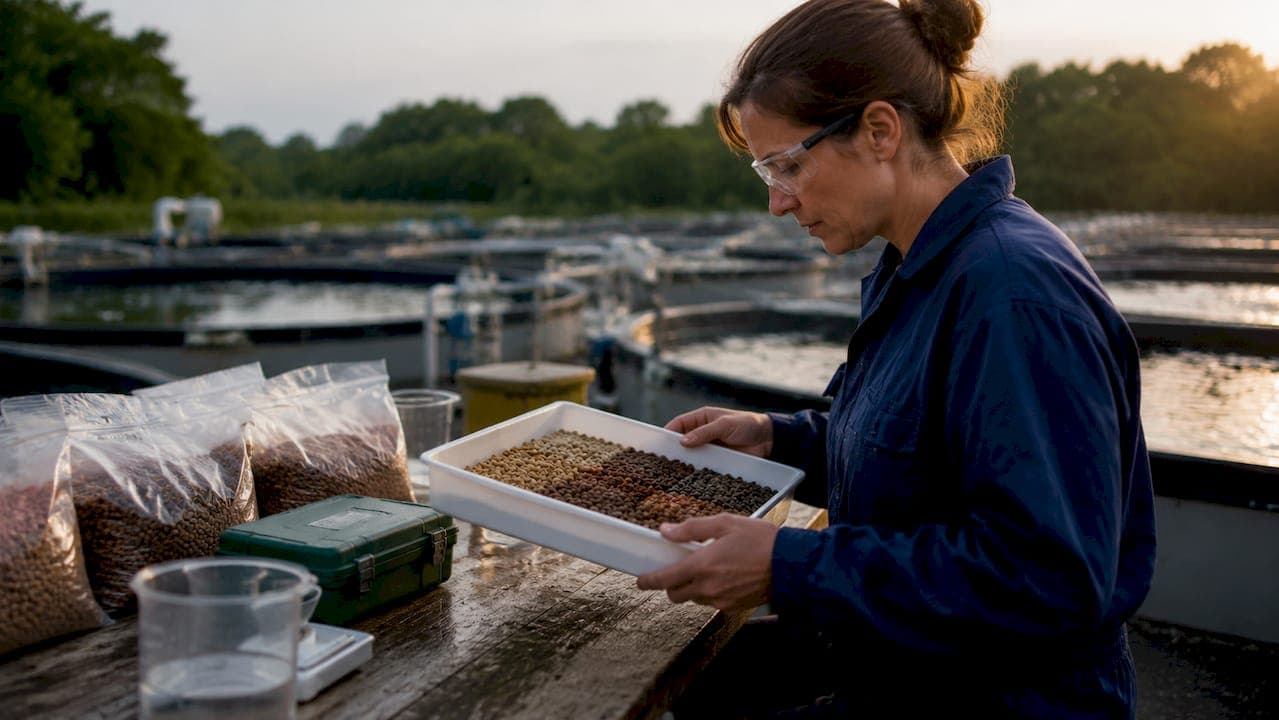
Fish food quality is a primary determinant of aquatic livestock health, directly shaping growth rates, immune competence, and metabolic stability across every production system. Aquaculture professionals who treat feed as a commodity rather than a biological input consistently see the consequences: suppressed growth, elevated disease pressure, and poor feed conversion. The mechanisms linking feed composition to livestock outcomes are now well documented, from heavy metal contamination and mycotoxin exposure to amino acid imbalances and missing micronutrients. Understanding why fish food quality affects livestock health is no longer optional for anyone running a serious aquaculture operation.
Why fish food quality affects livestock health: contamination and deficiency risks
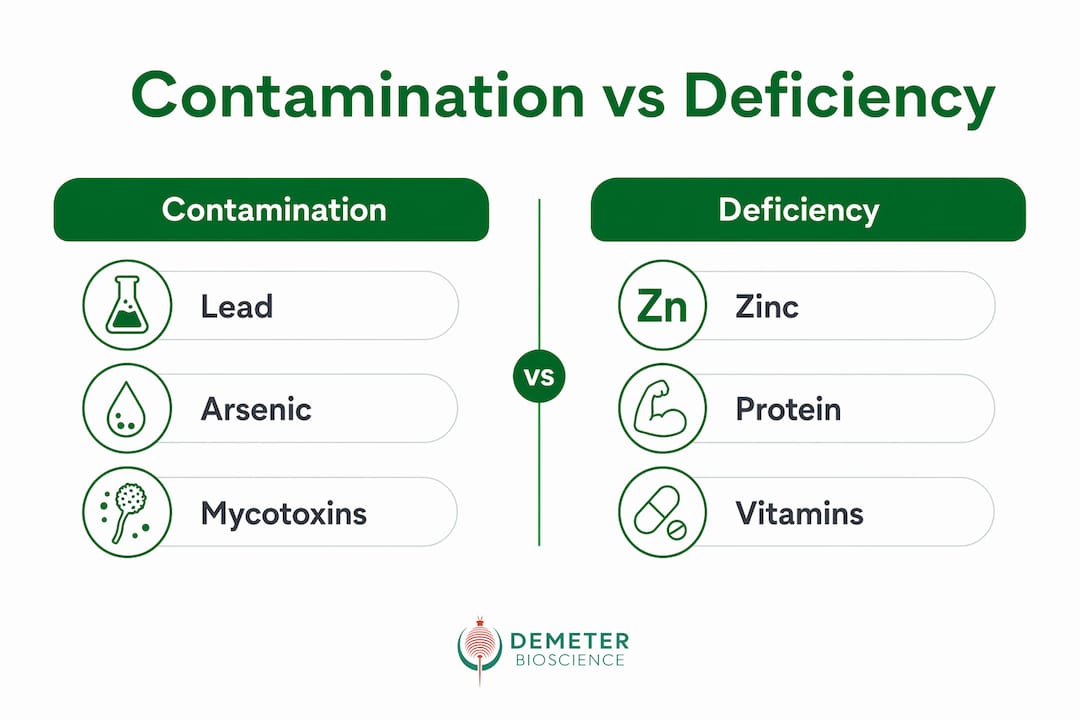
Commercial fish feeds carry two distinct threats to aquatic livestock: toxic contaminants and nutritional gaps. Both undermine health through different pathways, but both originate from inadequate quality control at the ingredient or formulation stage.
Heavy metal contamination is more widespread than most producers expect. Research on commercial feed samples found that 45% tested positive for lead contamination, 70% contained arsenic, and 60% were deficient in copper. Some samples also showed selenium at toxic concentrations. These are not trace anomalies. They represent systemic failures in raw material sourcing and testing.

The physiological consequences are serious. Lead and arsenic accumulate in tissue, impairing kidney and liver function over time. Copper deficiency disrupts enzyme systems involved in iron metabolism and connective tissue formation. Selenium toxicity damages gill tissue and suppresses reproductive performance. Each of these effects compounds the others, creating a health burden that no antibiotic protocol can fully correct.
Micronutrient deficiencies are equally damaging and far harder to detect without targeted analysis. Zinc deficiency, for example, impairs wound healing and reduces the activity of over 300 enzymes in teleost fish. Farmers often attribute the resulting poor growth or increased infection rates to disease pressure rather than feed quality. That misdiagnosis delays the real fix.
| Contaminant or Deficiency | Prevalence in Samples | Primary Health Impact |
|---|---|---|
| Lead contamination | 45% of samples | Kidney and liver damage |
| Arsenic contamination | 70% of samples | Tissue accumulation, toxicity |
| Copper deficiency | 60% of samples | Enzyme dysfunction, anemia |
| Selenium toxicity | Detected in some samples | Gill damage, reproductive failure |
| Zinc deficiency | Not quantified separately | Immune suppression, poor healing |
Pro Tip: Run ICP-OES elemental analysis on every new feed batch before introducing it to your system. The cost of a single test is negligible compared to the cost of a disease outbreak traced back to contaminated feed.
How does nutritional balance in fish feed affect metabolic stress and growth?
Crude protein content is the most commonly cited feed quality metric. It is also the most misleading one when used in isolation. The ratio of protein to non-protein energy sources determines whether fish actually use dietary protein for growth or burn it inefficiently for fuel.
Studies on Clarias gariepinus fed diets consisting entirely of poultry by-product meal showed a strong negative correlation (r = -0.99) between daily weight gain and elevated alanine aminotransferase (ALT) levels. ALT is a liver enzyme. When it rises, the liver is under strain. That strain in this case came directly from an unbalanced diet, not from disease.
Diets lacking carbohydrates or lipids force fish to catabolize protein for energy, which elevates both ALT and aspartate aminotransferase (AST). The fish appear to be eating adequate protein, but the metabolic cost of using that protein as fuel reduces net growth and stresses the liver simultaneously. This is a critical distinction for feed formulators.
The practical implications for aquaculture operations are significant:
- Feeds with adequate lipid and carbohydrate fractions spare protein for tissue synthesis, improving feed conversion ratios.
- Elevated ALT and AST in routine blood panels signal feed imbalance before visible growth suppression appears.
- Partial replacement of fishmeal with yeast alongside poultry by-product meal restores the energy balance and reduces liver enzyme elevations.
- Consistent nutritional quality across feed batches prevents the metabolic fluctuations that accumulate into chronic stress.
- Gut microbiome stability depends on dietary consistency. Disruptions from poor feeds correlate with oxidative stress and inflammatory pathway activation.
Pro Tip: Add ALT and AST monitoring to your quarterly health checks. A rising trend in liver enzymes is an early warning sign of feed imbalance, often appearing weeks before growth rates visibly decline.
What role do mycotoxins and anti-nutritional factors play in fish feed quality?
Mycotoxins are mold-derived compounds that form in plant-based feed ingredients during storage or processing. They represent one of the least visible and most underestimated threats to aquatic livestock health. Unlike heavy metals, mycotoxins do not always produce acute symptoms. Their damage accumulates gradually.
Evidence from aquaculture research links mycotoxin exposure to growth suppression, immune impairment, and reproductive disorders across both omnivorous and carnivorous fish species. Aflatoxins, fumonisins, and deoxynivalenol are the most commonly implicated compounds. Each targets different organ systems, but all reduce the productive capacity of the animal.
Anti-nutritional factors (ANFs) present a related but distinct problem. Trypsin inhibitors in soy-based ingredients block protein digestion. Phytates bind minerals and reduce their bioavailability. Saponins damage intestinal epithelium. The result is impaired nutrient absorption even from a well-formulated diet, because the gut itself is compromised.
The risks multiply when insect-based ingredients enter the feed matrix. Insect meals can carry mycotoxins from contaminated substrates, and the transfer dynamics to fish tissue are not yet fully characterized. Feed ingredient storage conditions are as critical as formulation. Molds in stored plant or insect ingredients generate mycotoxins that impair fish health and productivity regardless of how well the final feed is balanced.
Practical steps to reduce mycotoxin and ANF risk include:
- Source plant ingredients from suppliers with documented moisture and temperature controls during storage.
- Test incoming corn, soy, and grain fractions for aflatoxin B1 and fumonisin B1 before use.
- Apply mycotoxin binders in feed formulations when using high-risk plant ingredients.
- Limit raw soy inclusion rates and use heat-treated or fermented soy to reduce trypsin inhibitor activity.
- Audit insect meal suppliers for substrate quality and mycotoxin testing protocols.
How do alternative protein sources improve fish feed quality and livestock outcomes?
Alternative proteins are not just replacements for fishmeal. The best ones deliver functional benefits that standard fishmeal does not. Black soldier fly larvae meal (BSFLM) is the most studied example, and the results are consistent across species.
Research on Nile tilapia fed BSFLM-based diets showed improved growth performance, higher carcass yield, increased liver size, and stronger mucosal immune markers compared to fish on conventional diets. The antioxidant properties of BSFLM reduce oxidative stress in tissue, which supports both immune function and flesh quality. These are outcomes that crude protein percentages alone cannot predict.
- Improved antioxidant status. BSFLM contains lauric acid and chitin, both of which modulate immune pathways and reduce systemic inflammation in fish.
- Better carcass yield. Fish fed BSFLM-based diets consistently show higher edible flesh ratios, which directly affects farm profitability.
- Mucosal immune support. Elevated secretory immunoglobulin levels in BSFLM-fed fish indicate stronger first-line defenses against pathogens.
- Lipid stability. The fatty acid profile of BSFLM supports membrane integrity, reducing oxidative damage in stored fillets.
Brine shrimp represent another high-value protein source with a distinct nutritional profile. Demeterbioscience cultivates brine shrimp fed exclusively on the microalgae Dunaliella, producing animals with at least 40% protein content and a consistent fatty acid and carotenoid profile. That consistency is the key advantage. Wild-harvested alternatives vary with season and ecosystem conditions, making nutritional standardization impossible. You can learn more about brine shrimp immune benefits in aquaculture settings.
| Protein Source | Key Functional Benefit | Limitation |
|---|---|---|
| Black soldier fly larvae meal | Antioxidant, immune support | Substrate quality variability |
| Brine shrimp (farmed) | Consistent protein, carotenoids | Volume constraints at scale |
| Poultry by-product meal | Cost-effective protein | Requires energy co-sources |
| Soy protein concentrate | High inclusion rates | ANF risk without processing |
What management practices maximize the impact of feed quality on farm productivity?
Feed quality only delivers its full value when handling, storage, and monitoring practices support it. A well-formulated feed stored incorrectly becomes a liability within weeks.
The environmental dimension of feed quality is often overlooked. Poor feed digestibility increases organic waste load, raising ammonia concentrations and depleting dissolved oxygen in production systems. That environmental deterioration compounds the direct nutritional deficiencies, creating a dual health burden. Fish already stressed by nutrient imbalance face additional oxidative stress from degraded water quality.
Early molecular diagnostics now allow producers to detect metabolic and immune pathway disruptions before physical symptoms appear. Nutrigenomic tools identify gene expression changes linked to inflammatory stress, giving farm managers a window for intervention that empirical observation cannot provide. This is where the field is moving, and operations that adopt these tools gain a measurable advantage.
Practical management priorities include:
- Store pelleted feeds in cool, dry conditions with humidity below 65% to prevent mold growth.
- Rotate feed stock on a first-in, first-out basis and discard any batch showing off-odor or visible clumping.
- Monitor water quality parameters (ammonia, dissolved oxygen, pH) after feed changes to catch digestibility problems early.
- Incorporate intensive farming nutrition protocols that account for stocking density and feeding frequency.
- Use blood panel biomarkers (ALT, AST, cortisol) as routine health indicators rather than waiting for mortality events.
Key takeaways
Feed quality is the single most controllable variable in aquatic livestock health, connecting contamination risk, metabolic function, immune competence, and environmental conditions within one integrated system.
| Point | Details |
|---|---|
| Contamination is widespread | 45–70% of commercial feed samples contain lead or arsenic; test every new batch. |
| Protein balance matters more than protein content | Diets lacking lipids and carbohydrates cause liver stress even at adequate crude protein levels. |
| Mycotoxins accumulate silently | Mold-derived toxins in stored plant ingredients suppress growth and immunity before symptoms appear. |
| Alternative proteins add functional value | BSFLM and farmed brine shrimp improve immune markers and carcass yield beyond basic nutrition. |
| Storage and monitoring close the loop | Poor handling and absent biomarker tracking negate the benefits of a well-formulated feed. |
What the research is telling us that most farms are ignoring
The aquaculture nutrition field has moved well past the era of empirical feed trials. The 2026 research on omics technologies and nutrigenomics shows that fish respond to dietary inputs at the gene expression level long before any growth curve reveals a problem. Most farms are still waiting for mortality or visible weight suppression before adjusting feed protocols. That lag is expensive.
What I find most striking is the gap between what the science now enables and what commercial operations actually practice. Mechanistic nutrition approaches, where you track gut microbiome composition and hepatic enzyme profiles as routine indicators, are available and affordable. Yet the default in most operations is still to change feeds only when a supplier raises prices or a batch runs out. That is a reactive posture in an industry that now has the tools to be proactive.
The sustainability angle adds another layer of pressure. Insect-based proteins and microalgae-fed live feeds like those produced by Demeterbioscience reduce dependence on wild-caught fishmeal while delivering functional nutritional advantages. The argument for quality is not just biological. It is economic and environmental. Operations that integrate nutrition science with farm management will outperform those that treat feed as a cost line rather than a production input.
The uncomfortable truth is that most feed quality problems are preventable. Contamination, mycotoxin exposure, and metabolic stress from imbalanced diets all have known causes and known solutions. The barrier is not knowledge. It is the willingness to invest in testing, monitoring, and sourcing decisions that pay off over a production cycle rather than a single week.
— Demeter
Demeterbioscience's approach to consistent, high-quality fish nutrition
Aquaculture professionals who have read this far understand that feed consistency is not a marketing claim. It is a measurable production variable.
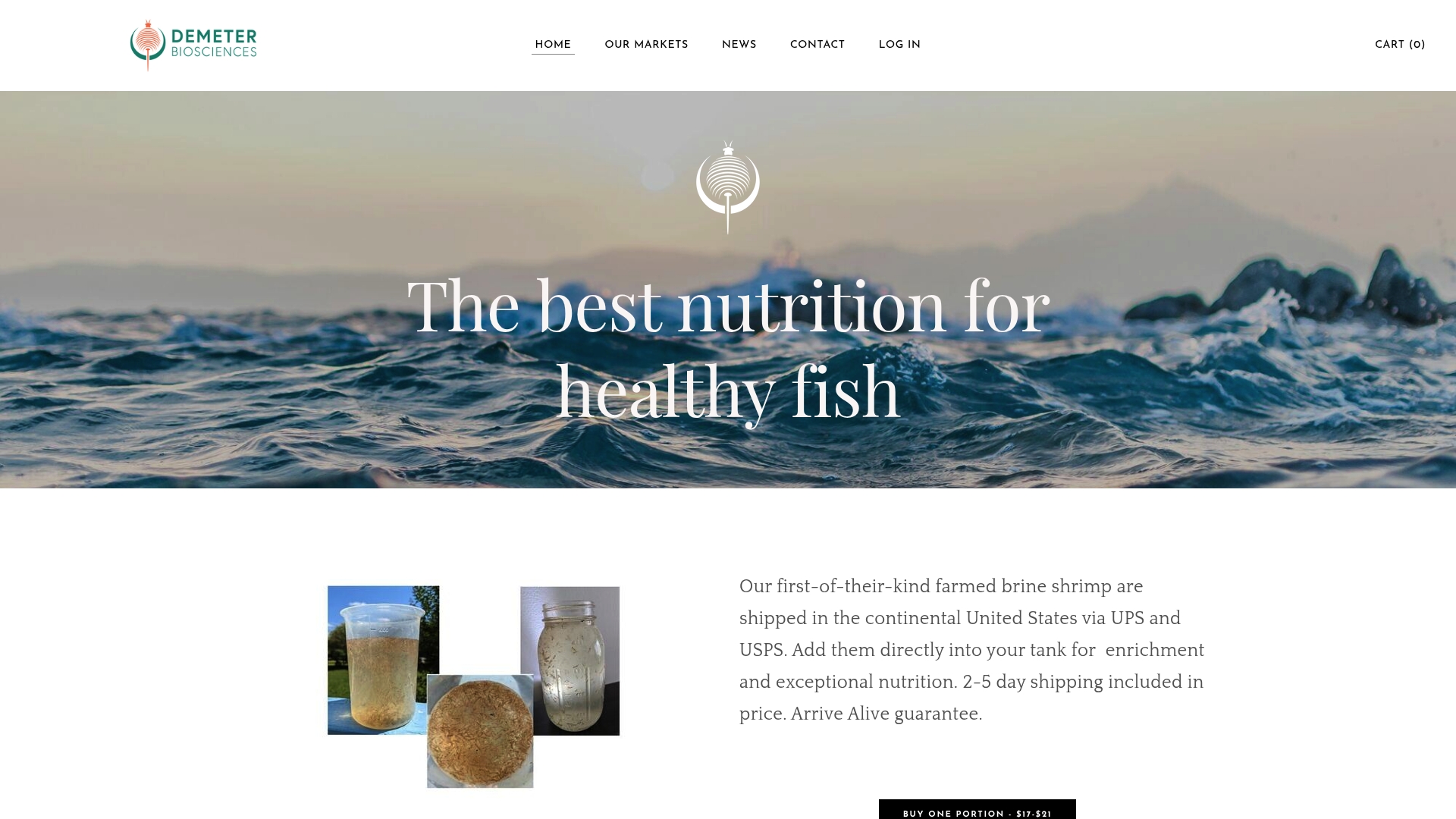
Demeterbioscience produces farmed live brine shrimp fed exclusively on Dunaliella microalgae, delivering a guaranteed minimum of 40% protein alongside stable carotenoid and fatty acid profiles. That consistency eliminates the seasonal variability that makes wild-harvested alternatives unreliable as a nutritional standard. The brine shrimp product line is available through direct shipment, monthly subscription plans, and bulk retail packages suited to museums, research facilities, and local fish stores. Demeterbioscience also offers algal products for producers who want to integrate microalgae directly into their feed programs. For operations looking to raise the nutritional floor of their aquatic livestock, this is a practical starting point.
FAQ
Why does fish food quality affect livestock health so directly?
Feed composition controls every major physiological process in fish, from protein synthesis to immune response. Contaminants and nutritional imbalances disrupt these processes at the cellular level, producing health deficits that no management practice can fully compensate for.
What are the most dangerous contaminants in commercial fish feeds?
Lead and arsenic are the most prevalent, appearing in 45% and 70% of samples respectively in recent analyses. Selenium toxicity and copper deficiency are also common and cause significant organ damage and reproductive failure.
How can I tell if my fish are experiencing metabolic stress from feed?
Elevated ALT and AST enzyme levels in routine blood panels are the earliest reliable indicators. A strong negative correlation between weight gain and ALT levels confirms that liver stress from feed imbalance precedes visible growth suppression.
Are insect-based proteins safe to use in aquaculture feeds?
Black soldier fly larvae meal is well-supported by research and improves immune markers and carcass yield in species like Nile tilapia. The main risk is mycotoxin transfer from contaminated insect substrates, which requires supplier auditing and batch testing.
How does poor feed digestibility affect water quality and fish health?
Undigested feed increases ammonia load and depletes dissolved oxygen, creating environmental stress that compounds the direct nutritional deficiencies. Managing digestibility is as important as managing feed composition.