
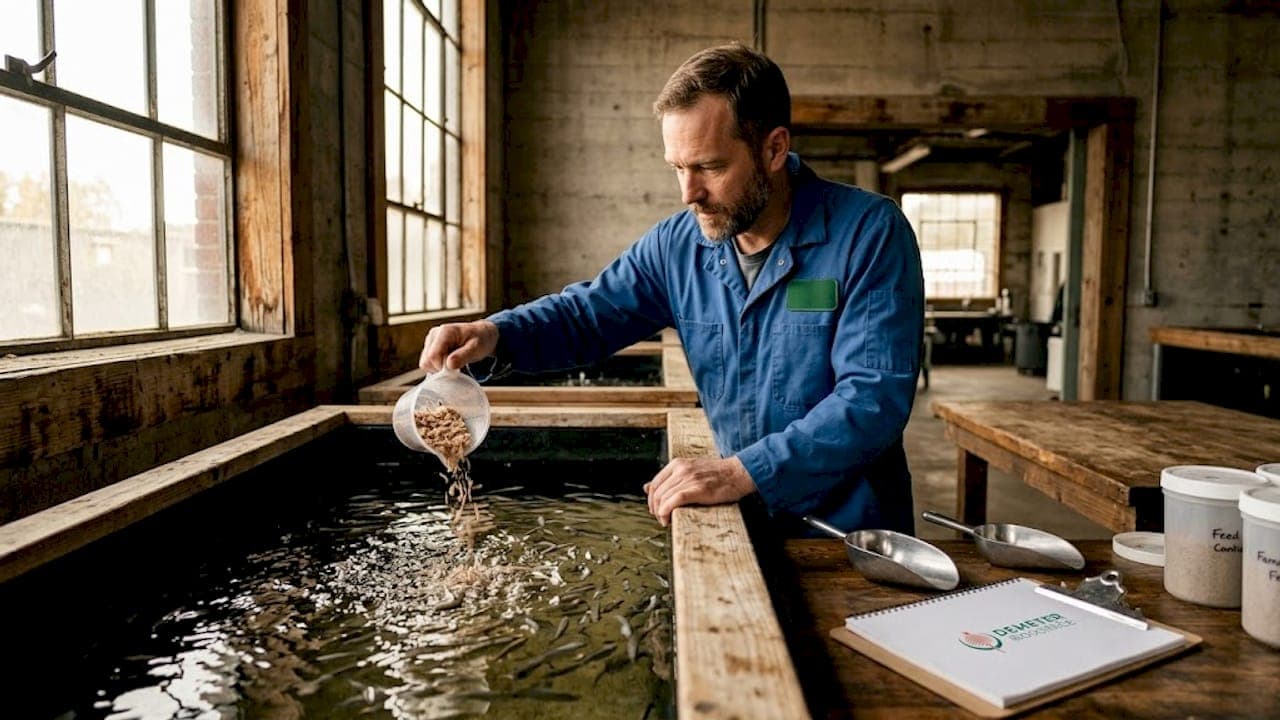
Most aquarium hobbyists and aquaculture farmers assume that feeding live food is automatically good for fish immunity. The reality is more nuanced than that. Understanding how brine shrimp improves fish immunity requires looking past the "live food is better" shorthand and into the actual nutrients, bioactive compounds, and delivery mechanisms at work. This article breaks down the science clearly, gives you practical guidance for both home aquariums and commercial operations, and explains why the quality of your brine shrimp matters just as much as the decision to use them.
Table of Contents
- Key Takeaways
- Nutritional profile of brine shrimp and fish immunity
- How enrichment shapes the immune-boosting value
- How brine shrimp activates fish immune mechanisms
- Bio-encapsulation: brine shrimp as a health delivery tool
- Best practices for using brine shrimp to support fish immunity
- What experience actually teaches about shrimp quality
- Quality brine shrimp, backed by science
- FAQ
Key Takeaways
| Point | Details |
|---|---|
| Nutrition drives immunity | Brine shrimp nauplii supply proteins and lipids that directly fuel fish immune cell development. |
| Enrichment is non-negotiable | Un-enriched brine shrimp lack the bioactive compounds needed to trigger real immune responses in fish. |
| Astaxanthin is a key player | This carotenoid in brine shrimp acts as a potent antioxidant, reducing oxidative stress and strengthening immune defenses. |
| Bio-encapsulation goes further | Brine shrimp can carry oral vaccines and immunostimulants, delivering targeted immune support directly to fish larvae. |
| Shrimp quality equals fish health | Poor culture conditions produce nutritionally hollow shrimp that provide calories without immune benefits. |
Nutritional profile of brine shrimp and fish immunity
Brine shrimp are not just convenient live food. They carry a specific combination of macronutrients and micronutrients that other feeds rarely match, especially at the larval fish stage when immune systems are still forming.
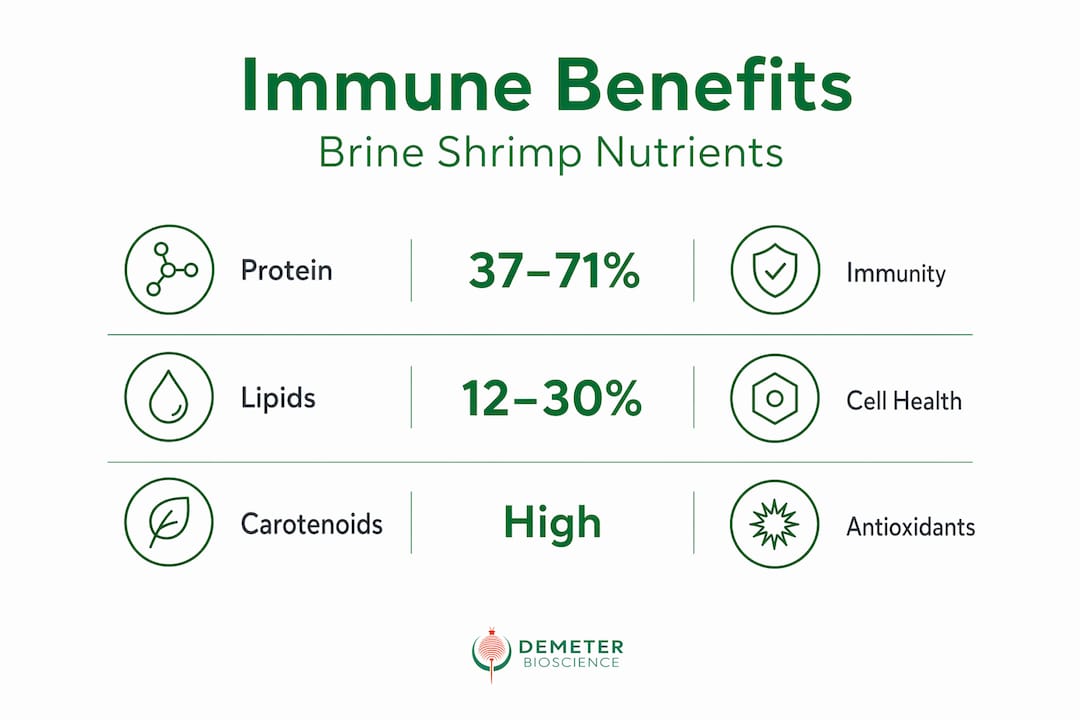
Newly hatched brine shrimp nauplii contain 37% to 71% protein and 12% to 30% lipid in dry weight. That range is wide because nutritional content depends heavily on the shrimp's own diet and environment. But even at the lower end, that protein density gives developing fish the amino acid building blocks needed for immune cell synthesis, antibody production, and tissue repair.
Lipids matter equally. Fatty acids like EPA and DHA, found in quality brine shrimp, are precursors to prostaglandins and other signaling molecules that regulate inflammation and immune activation. Without sufficient dietary lipids, fish cannot mount effective responses to pathogens.
The micronutrient story is where brine shrimp truly separate themselves from most alternatives. Carotenoids, particularly astaxanthin, are found naturally in brine shrimp and are largely absent from most commercial pellets. Astaxanthin reduces oxidative stress by neutralizing free radicals, which protects immune cells from damage during active immune responses.
| Nutrient | Content Range | Immune Role |
|---|---|---|
| Protein | 37%–71% (dry weight) | Supplies amino acids for antibody and immune cell production |
| Lipids | 12%–30% (dry weight) | Provides fatty acids for inflammatory signaling molecules |
| Astaxanthin | Variable, diet-dependent | Antioxidant defense, reduces immune cell oxidative damage |
| Carotenoids | Present, algae-diet enhanced | Supports mucosal immunity and overall antioxidant capacity |
Pro Tip: Harvest brine shrimp at the nauplii stage (within 24 hours of hatching) for the highest protein and carotenoid content. Older shrimp metabolize their own lipid reserves quickly, dropping the nutritional value significantly.
How enrichment shapes the immune-boosting value
The nutritional quality of brine shrimp is almost entirely determined by what the shrimp eat before they reach your fish. This is why the concept of "enrichment" is not optional if immune support is your goal. It is the core of the whole strategy.
Enrichment means feeding brine shrimp high-value foods such as microalgae, HUFA-rich emulsions, or immunostimulant supplements for a period of 12 to 24 hours before feeding them to fish. The shrimp act as living capsules, accumulating and concentrating whatever they ingest and then transferring it directly to the fish that eat them. Here is why that process matters:
- Algae-fed shrimp carry astaxanthin and carotenoids that un-enriched wild shrimp often lack, especially if harvested during seasons when their natural food is scarce.
- HUFA emulsions loaded with EPA and DHA allow you to specifically target the lipid profile of your shrimp, customizing the fatty acid content for the species of fish you are raising.
- Immunostimulant additives such as beta-glucans or probiotics can be introduced through the shrimp before feeding, which adds an additional immune-priming layer beyond basic nutrition.
- Enriched shrimp improve parasite resistance. Studies on larval marine fish show measurably better survival and disease resistance when fed enriched live food compared to non-enriched alternatives.
The synergy between nutritional value and bioactive components in fortified live foods primes both innate and adaptive immune responses. Nutrition alone is not the mechanism. It is the combination of macronutrients, fatty acids, and bioactives working together that creates genuine immune readiness in fish.
Pro Tip: Un-enriched brine shrimp from the wild or from low-quality hatcheries provide limited immune benefits. If you are using brine shrimp specifically for improving fish health naturally, always enrich for at least 12 hours with a quality algae or HUFA source before feeding.
How brine shrimp activates fish immune mechanisms
Understanding the "how" at the cellular level helps you make better feeding decisions and explain outcomes when they happen. The process is not mysterious, but it does involve several distinct pathways.
-
Innate immune stimulation. The proteins and lipopolysaccharide-like compounds in brine shrimp tissue trigger pattern recognition receptors in fish immune cells. This activates macrophages and neutrophils, the first-responder cells of the innate immune system, without requiring prior exposure to a pathogen. The result is a fish that is primed and reactive before a threat appears.
-
Adaptive immune priming. The bioactive compounds in enriched live foods stimulate lymphocyte production and activation. Lymphocytes are the cells responsible for producing specific antibodies. A well-fed fish with consistent access to quality brine shrimp develops a more responsive adaptive immune system over time.
-
Antioxidant protection during immune response. When a fish mounts an immune response, it generates reactive oxygen species as part of the attack on pathogens. Without adequate antioxidants, those molecules damage the fish's own tissue. Astaxanthin from brine shrimp neutralizes this collateral damage, allowing immune responses to complete without self-injury.
-
Gut-immune axis support. A significant proportion of fish immune activity originates in the gut. Dietary bioactive compounds from brine shrimp stimulate mucin gene expression in the gut lining, which thickens the mucosal barrier that physically blocks pathogens before they can cause infection.
-
Mucosal immunity enhancement. The skin and gill mucosa of fish are primary immune barriers. Nutrients like vitamins A and C, carried in well-enriched brine shrimp, support the production and renewal of mucus layers across these surfaces, reducing pathogen entry points.
Bio-encapsulation: brine shrimp as a health delivery tool
The role of brine shrimp in aquaculture extends well beyond basic nutrition. One of the most practical and underutilized applications is bio-encapsulation, which is the process of using live brine shrimp to carry and deliver specific compounds directly into fish larvae through oral ingestion.

Bio-encapsulation works because brine shrimp nauplii are filter feeders. They take up suspended particles in their water within minutes. When those particles are vaccine antigens, immunostimulants, or even therapeutic compounds, the shrimp become delivery vehicles. Fish larvae eat the shrimp, the shrimp gut ruptures during digestion, and the encapsulated material is released directly into the fish gut at the point of maximum absorption.
This method outperforms water-bath delivery or injection for larvae in several ways:
| Delivery Method | Dose Control | Stress on Fish | Suitable for Larvae | Absorption Efficiency |
|---|---|---|---|---|
| Bio-encapsulation | High | Low | Yes | High |
| Water additives | Low | Low | Partial | Variable |
| Injection | High | High | No | High |
| Medicated feed | Medium | Low | Limited | Medium |
For commercial hatcheries raising marine species, this technique has been used successfully to deliver oral vaccines against bacterial pathogens at the larval stage, before conventional injection vaccination is even physically possible. The shrimp must be healthy and actively filter-feeding for this to work, which is another reason why shrimp culture quality cannot be compromised.
Best practices for using brine shrimp to support fish immunity
Whether you manage a home reef tank or a large-scale hatchery, the principles for maximizing the immune benefits of brine shrimp are the same. Execution at each step determines whether your fish get genuine immune support or just a meal.
- Source shrimp with a documented diet. Shrimp fed on quality microalgae like Dunaliella carry significantly higher carotenoid and protein content than those from unknown or starvation conditions. Ask your supplier directly what the shrimp were fed before shipment.
- Enrich consistently, not occasionally. Feeding enriched shrimp once a week while using un-enriched shrimp for daily feeding defeats the purpose. Consistent enrichment is what builds systemic immune readiness over time, as research on consistent aquatic nutrition confirms.
- Match feeding frequency to growth stage. Larval fish require higher feeding frequency (3 to 5 times daily for marine larvae) because their immune systems are developing rapidly and their gut capacity is small. Juvenile and adult fish benefit from enriched brine shrimp 2 to 3 times per week as a supplement to staple diet.
- Recognize signs of poor shrimp quality. Shrimp that are sluggish, pale, or clumping at the surface are under stress. Poor shrimp culture conditions result in empty calories that will not deliver immune benefits and may even introduce stress-related pathogens to your tank.
- Observe your fish, not just your shrimp. Improved coloration, reduced fin clamping, and better feeding response are early indicators that the nutritional quality of your shrimp is translating into fish health improvements.
Pro Tip: Maintain salinity between 25 and 35 ppt, keep temperatures stable, and change culture water regularly. Culture water quality directly controls how well brine shrimp absorb and retain the nutrients you enrich them with.
What experience actually teaches about shrimp quality
I've watched hobbyists and commercial farmers make the same mistake repeatedly. They switch to live brine shrimp, see marginal improvement in their fish, and conclude that live food is overrated. Almost every time I trace it back, the shrimp were either wild-harvested without enrichment, cultured in deteriorating water, or fed generic yeast instead of a microalgae source.
The carotenoid and antioxidant content of brine shrimp is not something you can see with the naked eye, but it is the difference between a fish with a responsive immune system and one that just survives. I've seen fish in identical systems where the only variable was shrimp diet. The algae-fed group shows clearer skin, better wound recovery, and notably less secondary infection after stressors like transport or temperature swings.
My honest take: frozen brine shrimp have their place, but for immune support specifically, live and enriched is not interchangeable with frozen. The bioactive compounds degrade during freezing, especially the oxidation-sensitive carotenoids. If you are using brine shrimp because you want healthier fish, cutting corners on shrimp quality eliminates the main mechanism of benefit.
Start with shrimp you can verify. Know what they were fed. Enrich them yourself if you can. Monitor your culture conditions weekly. The results accumulate slowly at first, but after consistent feeding over four to six weeks, the difference in fish behavior and resilience becomes obvious.
— Demeter
Quality brine shrimp, backed by science
If you want to put this into practice without spending weeks sourcing and verifying shrimp quality yourself, Demeterbioscience does the work upfront. Their live brine shrimp products are raised in land-based, controlled systems on Dunaliella algae, guaranteeing at least 40% protein content and consistent carotenoid levels in every shipment.
Demeterbioscience offers direct-to-consumer shipments, monthly subscriptions for ongoing supply, and bulk options for local fish stores and aquaculture operations. Their full product range also includes complementary microalgae and fish meal options for building a complete immune-supporting nutrition program. If you have specific questions about enrichment protocols or species requirements, their team is available through the contact page to work through the details with you.
FAQ
What nutrients in brine shrimp support fish immunity?
Brine shrimp nauplii provide 37% to 71% protein and 12% to 30% lipid, along with carotenoids like astaxanthin, which collectively fuel immune cell production and reduce oxidative stress in fish.
Do brine shrimp help fish fight disease?
Yes. Enriched brine shrimp activate macrophages, support lymphocyte development, and strengthen gut mucosal barriers, all of which improve a fish's ability to detect and respond to pathogens.
What is bio-encapsulation in fish feeding?
Bio-encapsulation uses live brine shrimp as carriers to deliver vaccines or immunostimulants directly to fish larvae through oral ingestion, offering precise dosing without the stress of injection.
How often should I feed brine shrimp for immune benefits?
Larval fish benefit from enriched brine shrimp 3 to 5 times daily, while juvenile and adult fish should receive them 2 to 3 times per week as a consistent supplement to their staple diet.
Does frozen brine shrimp provide the same immune benefits as live?
No. Freezing degrades heat-sensitive and oxidation-sensitive bioactives, including carotenoids and fatty acids. For fish immune health, live enriched brine shrimp deliver significantly more functional benefit than frozen alternatives.