
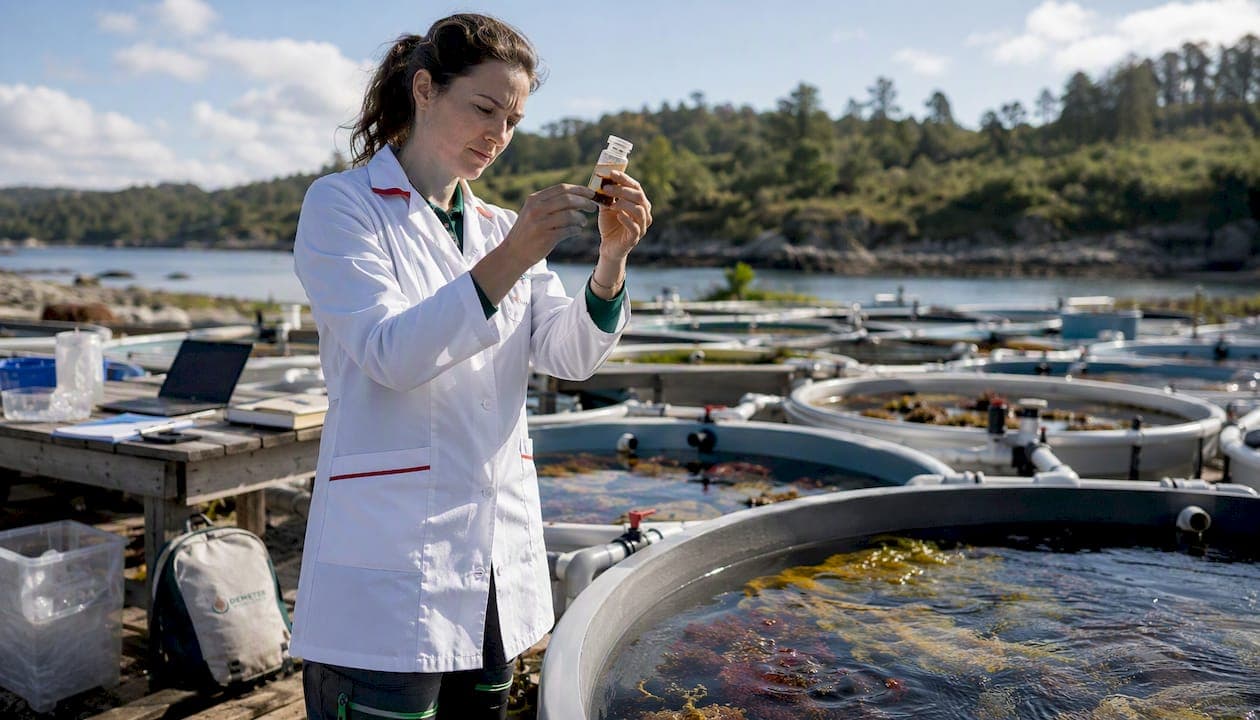
Protein is the single most important dietary driver of growth, immune function, and reproductive success in captive marine animals. The role of protein in captive marine animal health goes well beyond building muscle: it supplies the raw material for antibodies, enzymes, and reproductive tissues. The practical takeaway is simple — match protein percentage and source quality to species and life stage, and you'll avoid most of the nutritional problems that quietly undermine captive collections.
Quick checklist before you read further:
- Match crude protein percentage to life stage (fry need more; adults need less)
- Prioritize animal-based or algae-fed live protein sources for bioavailability
- Monitor water chemistry alongside diet — ammonia spikes are often a feeding problem first
Table of Contents
- How protein shapes growth, immunity, and reproduction in captive marine animals
- What protein percentages do different species and life stages actually need?
- Why protein source and bioavailability matter as much as percentage
- Managing water quality when feeding higher-protein diets
- How to read a feed label and choose the right product
- When and how to use live high-protein feeds
- Recognizing protein deficiency and excess before they become crises
- Starter feeding protocols by life stage
- Key Takeaways
- What we've learned about protein quality and why it changes everything
- Demeterbioscience's live brine shrimp for high-protein feeding programs
- Useful sources and further reading
How protein shapes growth, immunity, and reproduction in captive marine animals
Protein does far more than drive growth rates. The AZA Nutrition Advisory Group identifies proper nutrition as a cornerstone of disease prevention in captive collections, noting that appropriate protein supports faster recovery after pathogen exposure. The Merck Veterinary Manual reinforces this: protein functions as a direct input for immune response and stress resilience, not just tissue mass.
Here's what that looks like in practice across four key roles:
- Structural tissue: muscle, fin, scale, and organ repair all depend on dietary amino acids
- Enzymes and antibodies: immune proteins are synthesized from dietary protein; deficiency suppresses both
- Metabolic substrates: fish are ammoniotelic — they excrete nitrogen through gills and use protein efficiently as an energy substrate when carbohydrates are limited
- Reproductive tissues: egg quality, sperm viability, and larval survival are directly tied to broodstock protein intake
A feed that lists "high protein" on the label is not automatically enough. Crude protein percentage tells you nothing about amino-acid completeness. Lysine and methionine are the most commonly limiting amino acids in marine fish diets — a feed short on either will underperform regardless of the total protein figure.
What protein percentages do different species and life stages actually need?
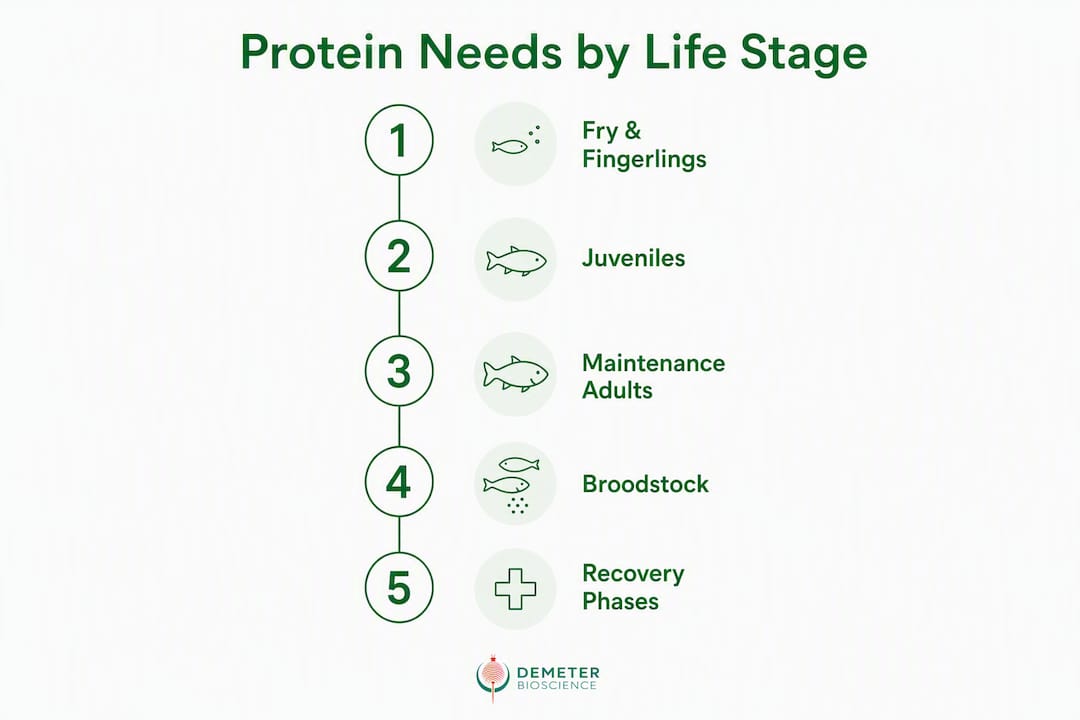
The short answer: fry and fingerlings need the most; maintenance adults need the least. University of Florida IFAS Extension guidance (FA096) puts fry and fingerling diets at a high crude protein level, while maintenance diets for mature fish typically fall in the moderate protein range to limit nitrogen excretion and protect water quality.
| Species / Life Stage | Protein % Range | Key Notes |
|---|---|---|
| Ornamental teleost fry | >50% protein | High bioavailability critical; live feeds preferred |
| Teleost grow-out (juvenile) | 40–50% protein | Transition from live to formulated feeds |
| Maintenance adult teleost | 25–35% protein | Lower range reduces nitrogenous waste |
| L. vannamei juvenile (small, <5 g) | ~34–35% protein | Optimal per broken-line analysis |
| L. vannamei adult (>10 g) | ~32% protein | Protein efficiency drops above this range |
| L. vannamei (range across all stages) | 20–45% protein | Varies with water conditions and protein quality |
| Captive nurse shark | ~55% protein | Fish and squid as primary sources |
| Pelagic sharks (e.g., blue shark) | 65% protein | High metabolic demand; mimicking wild diet critical |
Caveats matter here. Water temperature, stocking density, and protein source quality all shift the optimal range. Sharks are a special case: a 2024 review of captive shark nutrition found that nurse sharks thrived at approximately 55% protein, while blue sharks showed improved swimming performance and metabolic rates at 65%, and great white shark data pointed to around 68% for growth and reproductive success. For most hobbyists, the practical implication is that carnivorous species always sit at the upper end of any published range.
- Increase protein during growth phases, recovery from illness, or broodstock conditioning
- Drop toward the lower maintenance range for healthy adults in stable systems
- For shrimp, adjust based on size class and culture system — pond systems with natural productivity can support lower dietary protein
Why protein source and bioavailability matter as much as percentage
High bioavailability and a complete essential amino-acid profile are what separate a functional protein from a filler. Fishmeal remains the benchmark because it delivers essential amino acids and long-chain fatty acids that most terrestrial plant proteins cannot replicate. Total fishmeal replacement with plant proteins has documented immune and gut-health consequences unless the formulation is carefully balanced.
Source comparison:
- Fishmeal / fish by-products: highest bioavailability, complete amino-acid profile, supplies EPA and DHA; cost is the main drawback
- Whole prey (live or frozen): matches natural digestive triggers; ideal for larvae, sharks, and species with narrow prey preferences
- Insect meals: promising gut-health and immunostimulatory effects per PMC alternative protein research, but amino-acid profiles vary by species and processing
- Microalgae: strong immunostimulatory potential; Dunaliella and similar species deliver carotenoids alongside protein
- Plant proteins (soy, wheat gluten): lower bioavailability, antinutritional factors can cause gut inflammation; fermentation or hydrolysis mitigates this
- Protein hydrolysates: pre-digested peptides improve uptake and can boost immunological markers, especially useful for larvae and recovering animals
Pro Tip: For small fry and larval fish with limited digestive capacity, source matters more than marginal increases in crude protein percentage. A 45% protein live feed will outperform a 55% plant-based pellet every time for these animals.
Poor protein quality shows up as reduced growth, increased disease susceptibility, and gut inflammation. If you see those signs and the protein percentage looks fine on the label, look harder at the ingredient list.
Managing water quality when feeding higher-protein diets
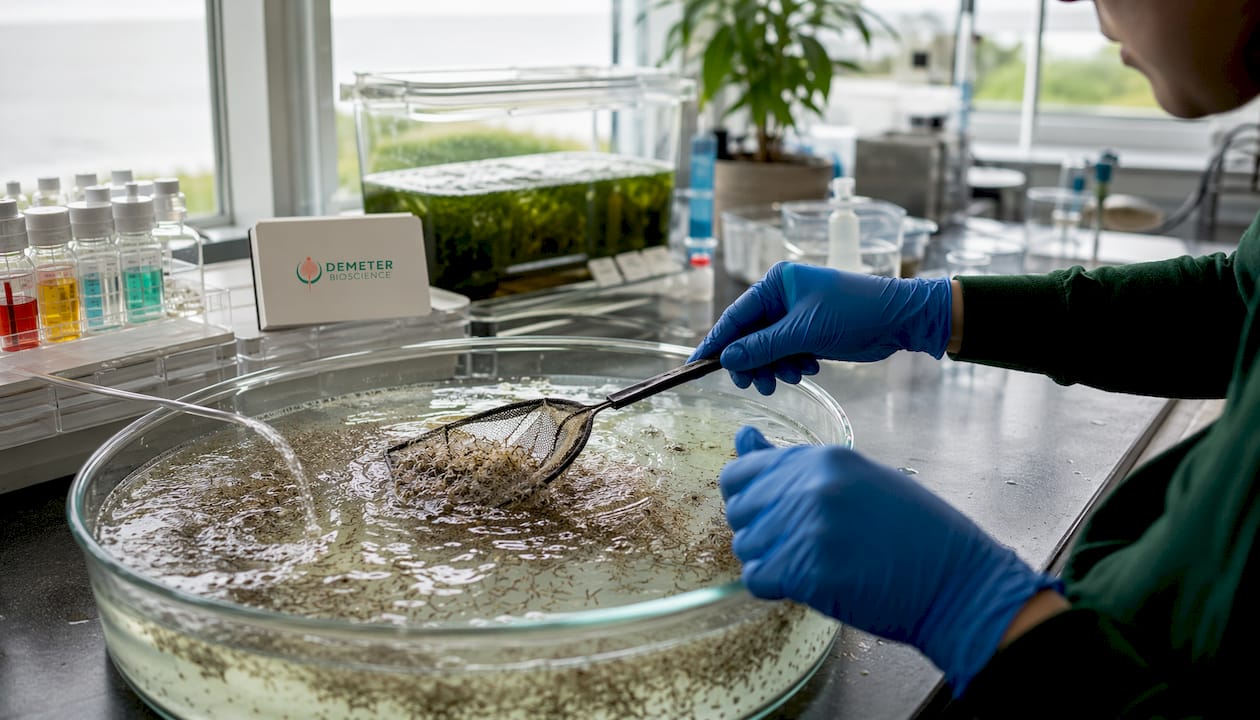
Higher dietary protein means more nitrogenous waste. Ammonia and urea loads scale with protein intake, so feeding a fry diet to adult fish doesn't just waste money — it degrades water chemistry and stresses the animals. The interaction between diet, water chemistry, and disease state is well documented: a technically complete feed can still fail if water parameters are outside species-specific ranges.
Management checklist:
- Feed at 2–5% of body weight per day for most species; reduce for adults on maintenance diets
- Split daily rations into 2–3 smaller feedings to reduce peak ammonia spikes
- Remove uneaten food within 10–15 minutes
- Run adequate biological filtration sized for your protein load, not just stocking density
- Test ammonia and nitrite weekly at minimum; increase frequency during growth phases or diet transitions
- Use protein skimmers in marine systems to remove dissolved organics before they break down
When to use higher-protein pulses: growth phases, post-illness recovery, and broodstock conditioning all justify temporarily increasing protein. Drop back to maintenance levels once the goal is met.
One often-overlooked factor: feed storage. High-protein, high-oil feeds deteriorate rapidly in heat and humidity, promoting rancidity. Commercial feeds opened at room temperature should be discarded after approximately two months; frozen feeds last significantly longer. Rancid feed contributes to high-protein fish food water quality problems even when the label protein percentage looks fine.
How to read a feed label and choose the right product
Prioritize declared crude protein percentage, ingredient source, and whether essential amino acids or hydrolysates are listed. The guaranteed analysis panel is your starting point, but the ingredient list is where the real information lives.
Label checklist:
- Crude protein % matches your species/life stage target range
- Named marine ingredients (fishmeal, herring meal, squid meal) appear in the top three ingredients
- Vitamin C and vitamin E are listed — both degrade during storage and matter for immune function
- Expiration date and lot code are present and legible
- Storage instructions specify cool, dry conditions or refrigeration
Red flags: "marine blend" without named species, "fish meal" without origin, or "natural flavors" as a primary protein source. These are filler terms that tell you nothing about amino-acid quality.
Pro Tip: Run a two-week trial with any new feed: track fecal output (loose feces suggest poor digestibility), feeding acceptance rate, and visible growth markers. If two of three are negative, the feed is not the right fit regardless of the label claims.
- Check the guaranteed analysis panel first
- Scan the ingredient list — the first three ingredients are the majority of the diet
- Verify vitamin supplementation for C and E
- Confirm storage and expiration information
- Run a short trial and observe behavior, feces, and growth
When and how to use live high-protein feeds
Use live feeds when animals require high bioavailability, specific prey cues, or when formulated feeds simply won't be accepted. Larvae, early fry, broodstock conditioning, and short-term recovery diets are the clearest use cases. Live feeds deliver essential fatty acids and amino acids in a form that matches the animal's digestive triggers — something no pellet fully replicates.
Specific use cases for live feeds:
- Larval rearing: live prey stimulates feeding behavior and delivers EPA/DHA in phospholipid form, which larvae absorb more efficiently
- Broodstock conditioning: improves egg quality and fertilization rates
- Post-illness recovery: highly digestible protein supports tissue repair when gut function is compromised
- Sharks and obligate carnivores: prey-recognition cues matter for feeding initiation
Demeterbioscience's algae-fed live brine shrimp are cultivated on Dunaliella microalgae in land-based systems, delivering a guaranteed minimum of 40% protein with consistent nutritional quality. Unlike wild-harvested brine shrimp, which can arrive nutritionally depleted after starvation in natural ecosystems, Demeterbioscience's controlled cultivation eliminates that variability. The result is a live feed with a stable amino-acid profile and the carotenoid load that supports fish immunity naturally.
Live feed handling checklist:
- Acclimate to system temperature before introducing to tank
- Use within 24–48 hours of receipt for peak nutritional value
- Rinse with clean saltwater before feeding to reduce pathogen load
- Never mix live feed water directly into display systems without screening
Pro Tip: Schedule live feed days 2–3 times per week during growth or conditioning phases rather than daily. This keeps costs manageable and prevents animals from refusing formulated feeds entirely.
Recognizing protein deficiency and excess before they become crises
Deficiency and excess have distinct, observable syndromes. Catching either early prevents the kind of chronic health decline that looks like disease but is actually a feeding problem.
Signs of protein deficiency:
- Stunted or stopped growth despite adequate feeding frequency
- Skeletal deformities in fry and juveniles
- Slow recovery from infection or injury
- Poor egg quality, low fertilization rates, or larval mortality
- Increased susceptibility to opportunistic pathogens
Signs of excess protein or poor-quality protein:
- Elevated ammonia and nitrite despite normal stocking density
- Hepatic lipidosis (fatty liver) — a common pathology in marine teleosts under suboptimal nutrition
- Soft or disintegrating feces indicating poor digestibility
- Increased mortality linked to rancid feeds or high carbohydrate fillers masking protein quality
Pro Tip: Before assuming disease, run this triage: check feed expiration and storage conditions first, then test ammonia and nitrite, then review recent diet changes. Most "mystery illness" cases in captive marine systems trace back to one of those three.
Starter feeding protocols by life stage
Select a protocol that matches species and life stage, then monitor growth and water metrics weekly. Adjust based on what you observe, not just the calendar.
- Larval and early fry: >50% protein, live feeds as primary diet (brine shrimp nauplii, rotifers), feed 4–6 times daily in small amounts; monitor survival and growth daily
- Juvenile grow-out: 40–50% protein, transition from live to formulated feeds over 2–3 weeks, feed 2–3 times daily; track weight gain and FCR proxies weekly
- Maintenance adult: 25–35% protein, formulated pellets or frozen feeds, feed once or twice daily; test ammonia weekly and adjust ration if levels rise
- Shrimp (all stages): 20–45% protein depending on size class and system; small juveniles target ~34–35%, adults ~32%; feed 2–4 times daily and remove excess within 30 minutes
Measuring outcomes:
- Weight gain or length increase over 2–4 weeks
- Feed conversion ratio (weight gained per unit fed)
- Behavioral indicators: active feeding, normal swimming, no hiding
- Ammonia and nitrite staying within species-safe ranges
Troubleshooting:
- Low intake: check water temperature, feed particle size, and palatability
- Poor feces: suspect digestibility issues or rancid feed
- Increased mortality: run full water chemistry panel and inspect feed for off-odors before any other intervention
Key Takeaways
Protein percentage alone does not determine captive marine animal health — source quality, life-stage matching, and water-quality management together determine outcomes.
| Point | Details |
|---|---|
| Match protein % to life stage | Fry need >50%; maintenance adults thrive at 25–35%; shrimp juveniles target ~34–35%. |
| Prioritize bioavailable sources | Animal-based and algae-fed live proteins deliver complete amino-acid profiles that plant proteins often cannot match. |
| Manage filtration against protein waste | Higher protein diets increase ammonia load; split feedings and biological filtration are non-negotiable management steps. |
| Use live feeds strategically | Larvae, broodstock, and recovering animals benefit most from live high-protein feeds; 2–3 sessions per week is a practical cadence. |
| Demeterbioscience algae-fed brine shrimp | Guaranteed ≥40% protein from Dunaliella-fed cultivation; consistent quality without the variability of wild-harvested sources. |
What we've learned about protein quality and why it changes everything
Most feeding guides focus on protein percentage and stop there. That's the wrong place to stop. After working closely with the nutritional science behind algae-fed live feeds, the clearer picture is this: the gap between a 40% protein live feed and a 40% protein dry pellet is enormous in practice, and it shows up in fry survival rates, broodstock egg quality, and recovery timelines after stress events.
The aquaculture industry has spent decades optimizing for growth rate and feed conversion ratio in commodity species. That's useful, but it leaves hobbyists and small-scale farmers with guidance that doesn't always translate to ornamental species, sharks, or the kind of long-lived exhibit animals that public aquariums care about. For those animals, longevity and reproductive success matter more than fast grow-out, and that shifts the protein calculus toward quality and consistency over raw percentage.
Sustainability is the other piece that rarely gets discussed honestly. Wild-harvested brine shrimp arrive nutritionally inconsistent because they've been starving in hypersaline lakes. Land-based cultivation on microalgae like Dunaliella solves that problem at the source. The microalgae-as-fish-feed model isn't just a sustainability story — it's a nutritional consistency story, and that consistency is what captive animals actually need.
Demeterbioscience's live brine shrimp for high-protein feeding programs
Consistent, bioavailable protein is the hardest part of running a serious captive marine feeding program. Demeterbioscience's algae-fed live brine shrimp deliver a guaranteed minimum of 40% protein from Dunaliella-fed cultivation, with none of the nutritional variability that comes with wild-harvested sources.
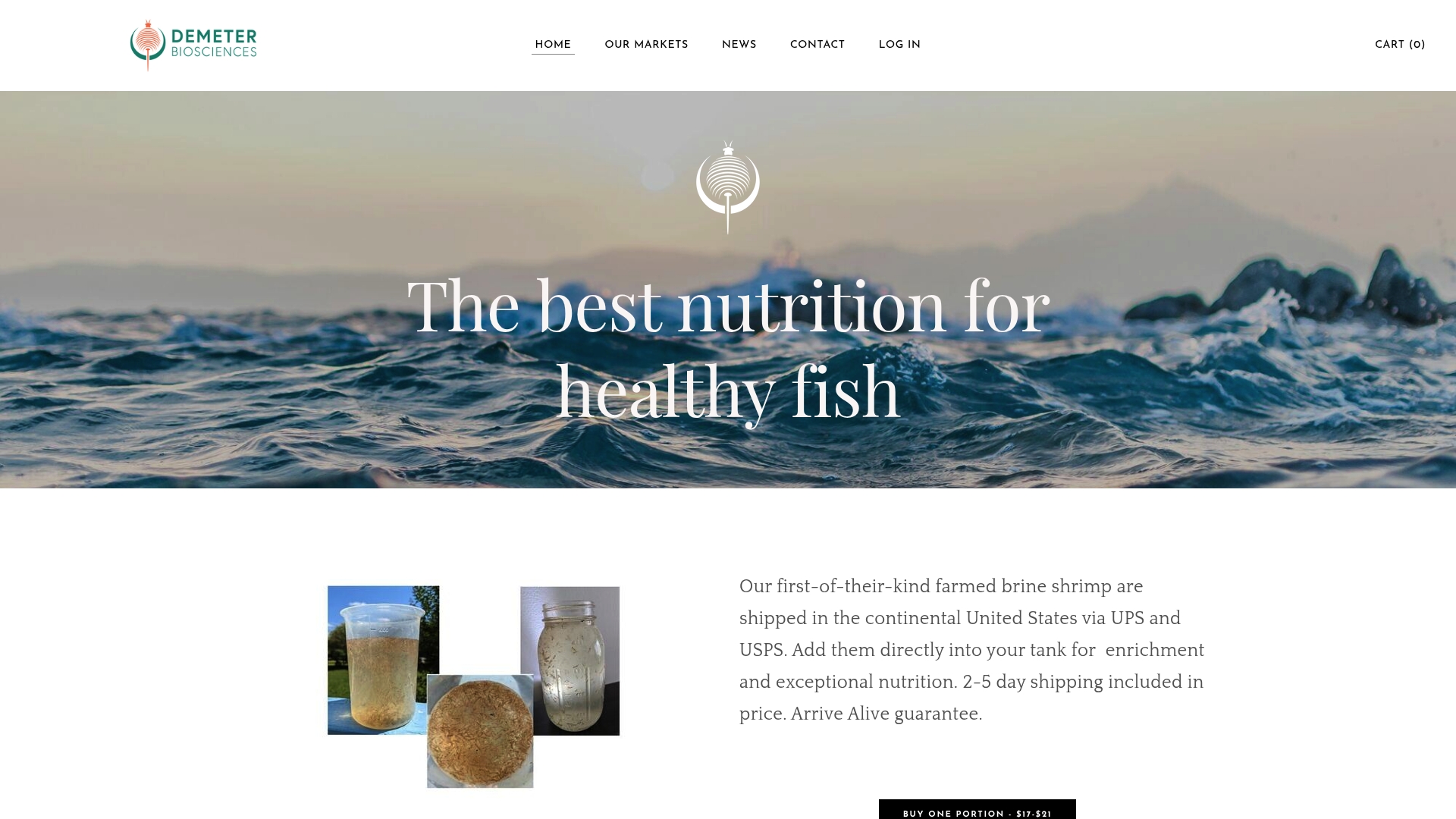
Supply options are built for both hobbyists and institutional buyers:
- Single orders: ideal for trials or seasonal use
- Monthly subscriptions: consistent supply for ongoing larval rearing or broodstock programs
- Bulk institutional orders: for fish stores, museums, and aquaculture operations needing larger volumes
View the live brine shrimp product page to choose the right supply option for your system, or contact Demeterbioscience directly for institutional pricing and custom order questions.
Useful sources and further reading
The sources below back the claims in this guide and are worth bookmarking for deeper reference:
- Merck Veterinary Manual — Nutritional Diseases of Fish: clinical signs of deficiency and excess, feed storage guidance, and hepatic lipidosis; the most accessible clinical reference for hobbyists and farmers
- University of Florida IFAS Extension, FA096 — Fish Nutrition: protein percentage ranges by life stage for teleosts and shrimp; the primary U.S. extension reference for practical feeding targets
- AZA Nutrition Advisory Group — Nutritional Physiology of Captive Fishes: broad framework for captive fish nutrition across species; useful for exhibit and zoo contexts
- AZA NAG — Diet, Water Chemistry, and Disease State: explains how nutrition interacts with water chemistry and disease; essential reading for anyone managing water quality alongside diet
- Acta Veterinaria Hungarica — Captive Shark Nutrition Review (2024): species-specific protein targets for nurse sharks, blue sharks, and great whites; the most current peer-reviewed reference for elasmobranch nutrition in captivity
- PMC — Alternative Proteins for Fish Diets: Implications beyond Growth: covers insect meals, microalgae, and hydrolysates; useful for anyone evaluating fishmeal alternatives
- Springer Nature — Dietary Protein Requirement of L. vannamei: broken-line analysis of optimal protein levels across three shrimp size classes; the most precise shrimp-specific reference available
- PMC — Recommendations for Ex Situ Nutrition of Marine Teleosts: covers hepatic lipidosis, broodstock nutrition, and the gap between aquaculture and exhibit-fish nutritional knowledge
For unusual or rare species, always consult species-specific husbandry manuals — the ranges above are starting points, not universal rules.