
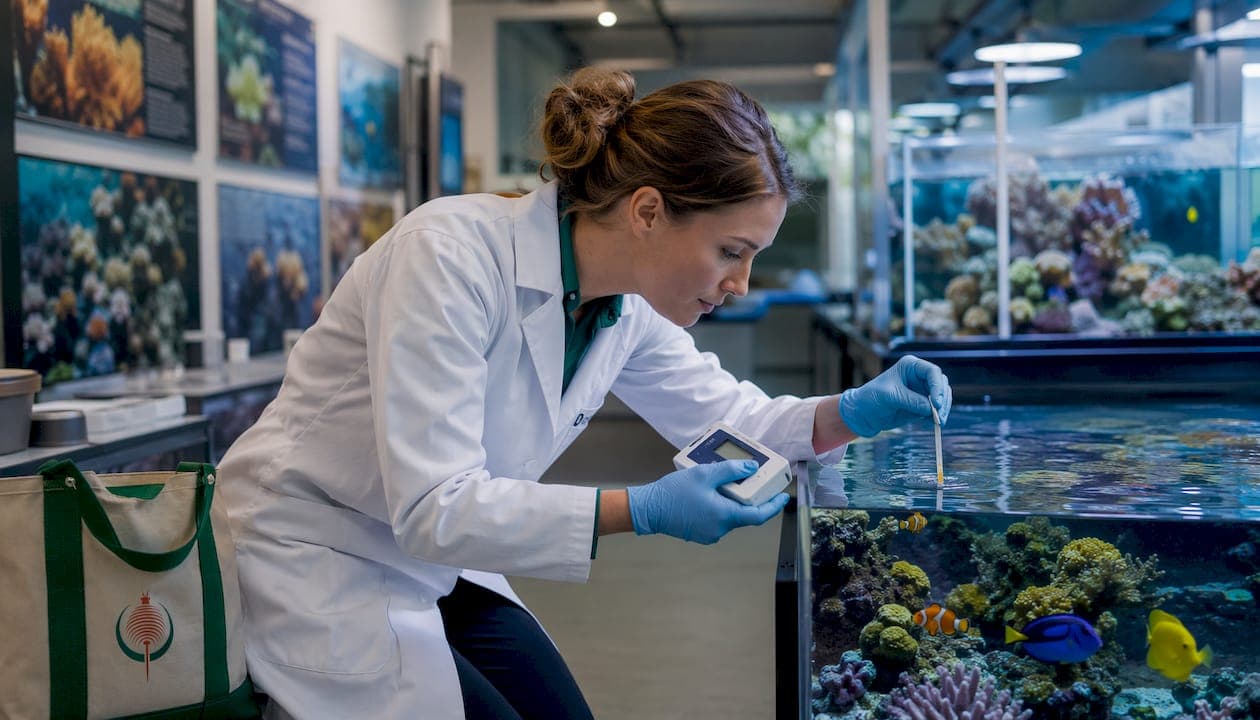
Aquatic displays maintain fish health through four interlocking pillars: precise water chemistry, microbial ecosystem balance, targeted nutrition, and proactive disease prevention. Get any one of these wrong and the others can't compensate. The good news is that each pillar responds to specific, learnable practices rather than expensive equipment or guesswork.
Here's what a well-managed display actually controls:
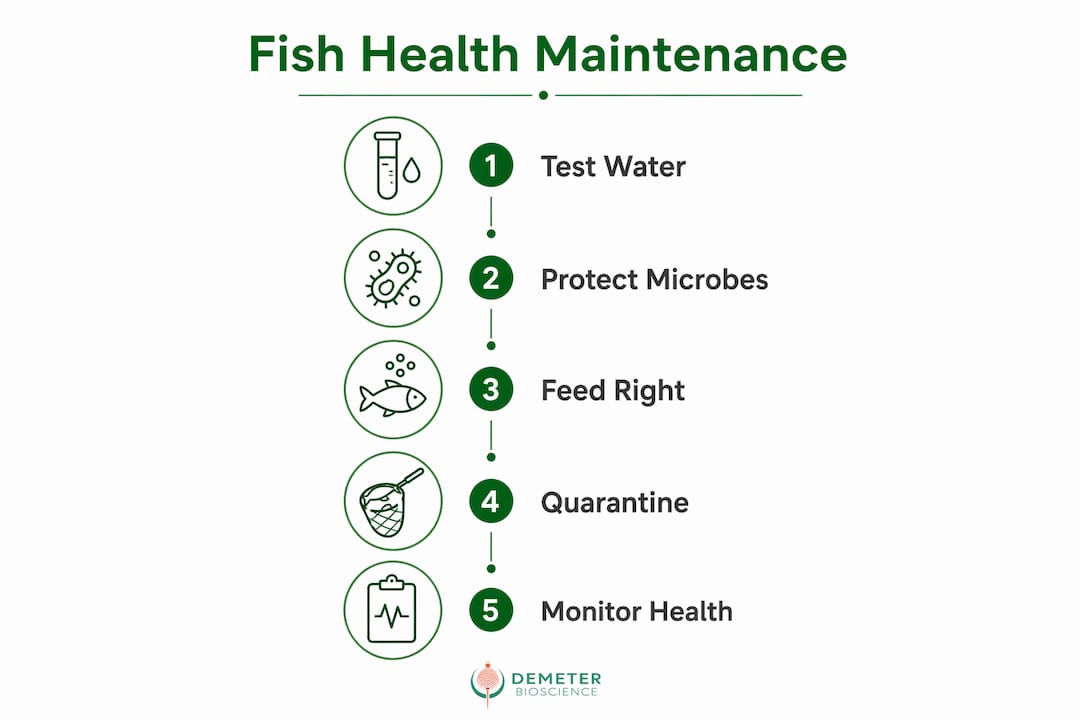
- Water chemistry: pH, ammonia, nitrite, nitrate, dissolved oxygen, and temperature held within species-specific ranges
- Microbial balance: beneficial nitrifying bacteria preserved through staggered cleaning schedules and partial water changes
- Nutrition: species-appropriate diets fed in controlled portions, with high-quality live foods supporting immune function
- Biosecurity: quarantine protocols, routine health observation, and environmental stress reduction
Veterinary experts frame this as preventive medicine applied to a living ecosystem. Small, consistent interventions prevent the complex disease outbreaks that reactive treatments rarely fully resolve.
Table of Contents
- How aquatic displays maintain fish health through water quality
- Routine husbandry practices that protect microbial health
- Nutrition and feeding strategies that support fish vitality
- Preventive health management: quarantine, biodiversity, and stress reduction
- Demeterbioscience supports healthier aquatic displays
- Key Takeaways
How aquatic displays maintain fish health through water quality
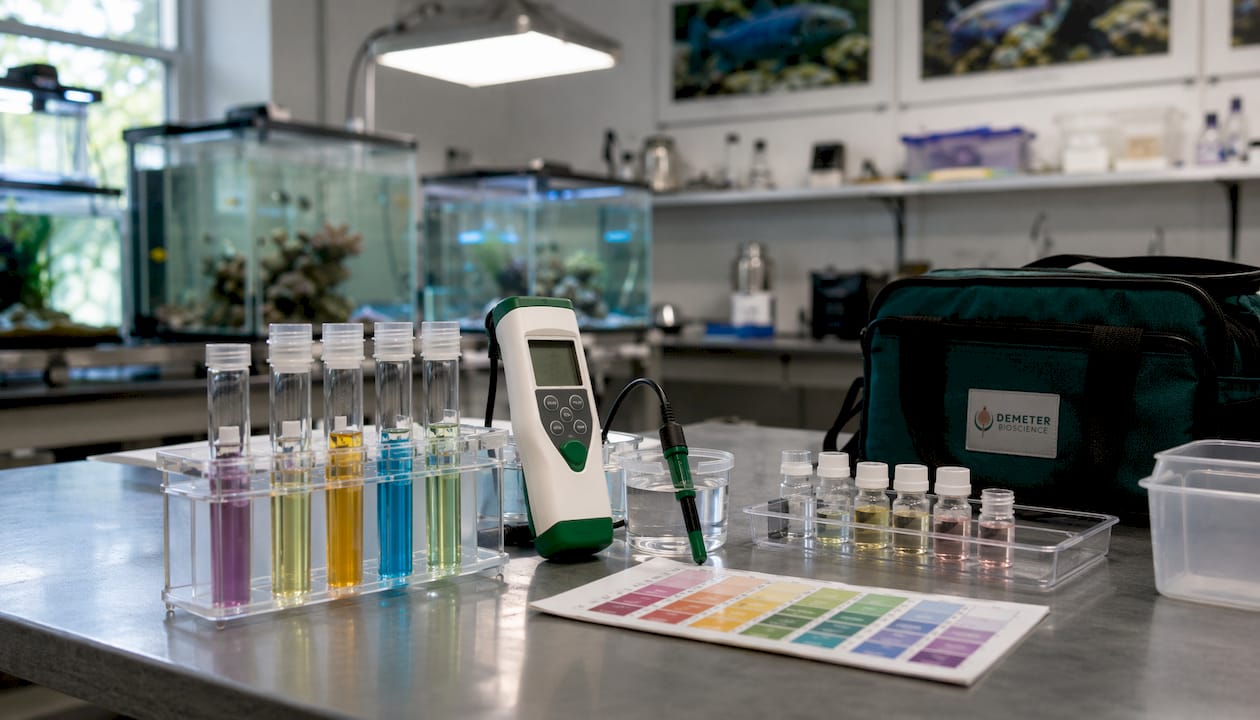
Water chemistry is the foundation everything else rests on. The impact of water quality on fish health is direct: ammonia burns gill tissue, pH swings suppress immune response, and temperature fluctuations alter metabolism faster than most fishkeepers realize.
| Parameter | Warm-water fish | Cold-water fish |
|---|---|---|
| pH | 6.5–9.0 | 6.5–8.0 |
| Ammonia | <0.02 mg/L | <0.01 mg/L |
| Nitrate | <50 mg/L | <50 mg/L |
| Temperature | species-specific temperature ranges | species-specific temperature ranges |
Cold-water species tolerate less ammonia than warm-water fish, which surprises many hobbyists who assume the reverse. Dissolved oxygen drops as temperature rises, so warm tanks need stronger surface agitation to compensate.
Filtration does the heavy lifting on water quality. Three types work together:
- Mechanical filtration traps suspended particles before they decompose into ammonia.
- Biological filtration uses porous media, gravel, and sponges as surfaces where nitrifying bacteria convert ammonia to nitrite, then nitrite to nitrate through the nitrogen cycle.
- Chemical filtration (typically activated carbon) removes dissolved organics and discoloration, though it doesn't replace the first two.
Pro Tip: Test pH and ammonia daily in new or recently disturbed tanks. Once a system is mature and stable, weekly testing with a liquid test kit catches drift before fish show symptoms.
Routine husbandry practices that protect microbial health
Aquarium systems are engineered yet biologically dynamic ecosystems where microbial communities regulate nutrient cycling and water quality. Disrupt those communities carelessly and you create the conditions for dysbiosis, where opportunistic pathogens like Pseudomonas, Aeromonas, and Flavobacterium bloom while beneficial nitrifiers decline.
The single most common mistake: cleaning filter media and substrate on the same day. Both harbor nitrifying bacteria, so doing both at once can crash the nitrogen cycle and spike ammonia within 48 hours. Separate these tasks by at least a week.
A structured maintenance schedule catches invisible parameter drift before fish show stress. Aquariums are slow-moving systems where problems develop quietly over days or weeks.
Daily tasks (2–5 minutes):
- Count fish and observe swimming behavior, fin condition, and respiration rate
- Confirm heater, filter, and lighting are running normally
- Remove uneaten food and dead plant material immediately
Weekly tasks (20–40 minutes):
- Replace 10–25% of water, gravel-vacuuming as you go
- Test ammonia, nitrite, nitrate, and pH with a liquid test kit
- Rinse mechanical filter media in old tank water, never tap water
- Trim plants and clean glass panels
Monthly tasks:
- Deep-clean filter impeller and intake tubing
- Inspect hoses and seals for calcium buildup or cracks
- Replace spent chemical media such as activated carbon
Partial water changes do more than dilute nitrate. Research on freshwater exhibit systems shows that routine husbandry interventions including partial water changes and substrate cleaning coincide with improved microbial evenness and reductions in opportunistic bacterial taxa.
Nutrition and feeding strategies that support fish vitality
Diet quality shapes immune competence more directly than most fishkeepers appreciate. A fish fed inconsistently or on nutritionally depleted food enters every disease challenge at a disadvantage. Overfeeding is the leading cause of poor water quality and algae overgrowth, so portion control protects both the fish and the water chemistry simultaneously.
Feeding best practices by life stage and species type:
- Juvenile fish need higher protein ratios and more frequent small feedings (2–3 times daily) to support rapid growth.
- Adult community fish typically do well with once or twice daily feeding, offering only what they consume within two minutes.
- Carnivorous species benefit from varied protein sources including live or frozen foods rather than flake-only diets.
- Herbivores need plant-based foods like spirulina-enriched flakes or blanched vegetables to avoid nutritional deficiencies.
Live foods add a dimension that processed feeds can't replicate. Microalgae-fed live brine shrimp deliver consistent, high-protein nutrition that supports immune function and vitality in exhibit fish. Demeterbioscience cultivates brine shrimp exclusively on the microalgae Dunaliella, guaranteeing at least 40% protein content and eliminating the seasonal nutritional variability common in wild-harvested sources.
Wild-caught brine shrimp often arrive nutritionally depleted from starvation conditions in natural salt lakes. The controlled cultivation model Demeterbioscience uses means the shrimp you feed your fish today carry the same nutritional profile as the batch from last month.
Pro Tip: For exhibit fish with specialized needs, the exhibit fish nutrition guide from Demeterbioscience covers species-specific feeding protocols that go well beyond standard hobbyist recommendations.
Preventive health management: quarantine, biodiversity, and stress reduction
The most cost-effective approach to fish health is preventing disease rather than treating it. Veterinary experts at the International Association for Aquatic Animal Medicine consistently emphasize this: even under optimal conditions, treatments stress fish and disrupt water chemistry. Prevention is cleaner on every level.
Quarantine is non-optional. Introducing new fish directly to an established display tank is the fastest route to a pathogen outbreak. A proper quarantine setup uses an external filter, strong aeration, and no substrate so medications can be applied cleanly if needed. Four to six weeks of observation catches most parasitic and bacterial issues before they reach your display.
Wild-caught marine fish and pond-raised tropical fish almost always carry subclinical parasite loads. Shipment stress can push a subclinical infection into an active one, turning a new arrival into a source of infection for every fish already in your tank.
Biodiversity strengthens ecosystem resilience. Research links higher aquatic biodiversity with more stable aquarium health and measurable human well-being benefits, including reduced heart rate and improved mood in observers. A species-rich display isn't just more interesting to watch. It functions better as an ecosystem.
Environmental stressors to control actively:
- Lighting: maintain consistent photoperiods (10–12 hours daily) using a timer; sudden changes disrupt circadian rhythms and feeding behavior.
- Temperature stability: fluctuations beyond 2–3°F within a day suppress immune function in most species; a quality heater with a thermostat guard prevents this.
- Noise and vibration: tapping on glass and loud environments trigger the startle response repeatedly, which is a documented stressor in display aquaria.
- Overcrowding: high stocking density amplifies ammonia load and social aggression, both of which depress immunity.
Monitoring for common diseases means knowing what healthy looks like first. Watch for clamped fins, labored breathing, white spots (ich), frayed fins, unusual hiding, or loss of appetite. Early detection, before a disease spreads through a tank, is where good daily observation pays off. The UF/IFAS fish health management guidelines recommend treating the entire aquarium as a patient-care system, with ongoing surveillance as standard practice rather than a response to visible illness.
Demeterbioscience supports healthier aquatic displays
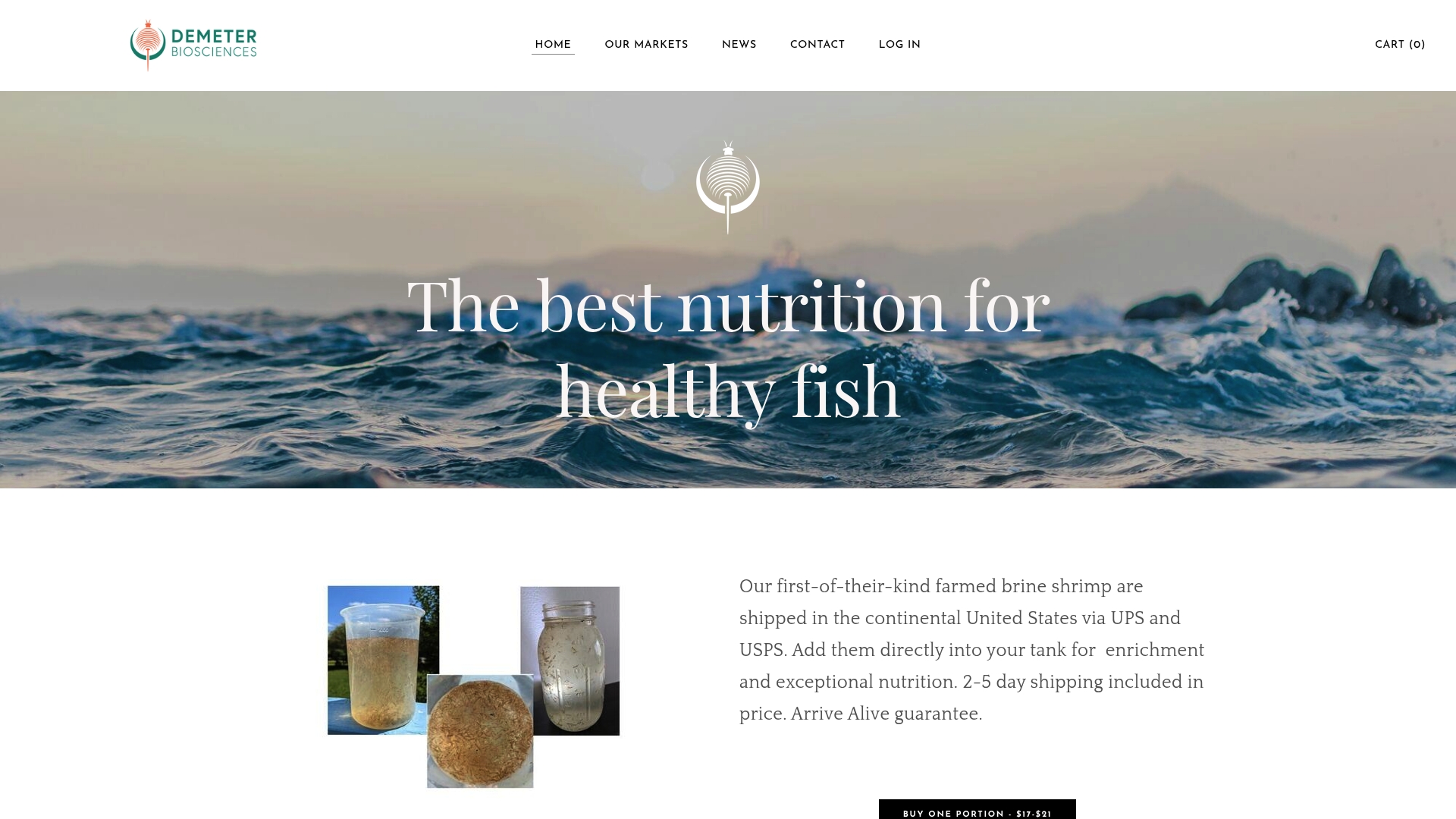
Nutrition is the one pillar of fish health that most hobbyists underinvest in. Demeterbioscience's live brine shrimp are farmed on Dunaliella microalgae in land-based, sustainable systems, delivering at least 40% protein with none of the nutritional inconsistency of wild-harvested alternatives. Whether you maintain a home display or supply a public aquarium, consistent live food quality is one of the most direct levers you have on fish immune function and long-term vitality. Bulk ordering options are available for museums and local fish stores through the bulk store order page.
Key Takeaways
Healthy aquatic displays depend on managing water chemistry, microbial balance, nutrition, and biosecurity as an integrated system, not as separate checklists.
| Point | Details |
|---|---|
| Species-specific water parameters | Cold-water species tolerate less ammonia than warm-water fish, which surprises many hobbyists who assume the reverse. |
| Stagger cleaning tasks | Never clean filter media and substrate on the same day; separate by at least one week to protect nitrifying bacteria. |
| Quarantine every new fish | Four to six weeks in a separate tank with an external filter prevents pathogen introduction to established displays. |
| Live food quality matters | Microalgae-fed brine shrimp with at least 40% protein deliver consistent nutrition that supports fish immune function. |
| Daily observation catches disease early | Monitoring fish behavior, fin condition, and respiration daily allows intervention before illness spreads through a tank. |