
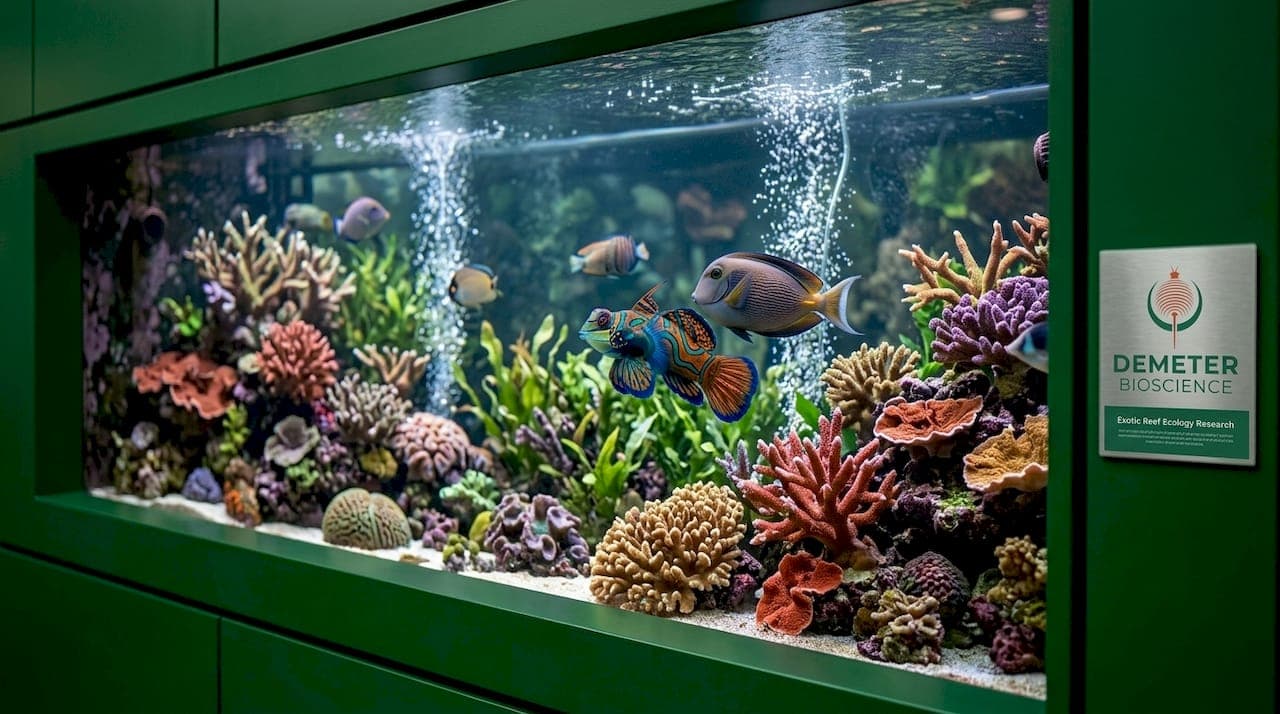
Exhibit fish require specialized nutrition because their immune function, coloration, growth rate, and disease resistance all depend on diets precisely formulated for controlled environments where no natural foraging exists. Unlike wild fish that self-select from diverse food sources, display fish in aquariums and public exhibits depend entirely on what you provide. Get the formulation wrong and the consequences show up fast: dull color, suppressed immunity, poor growth, and degraded water quality. This article covers the nutritional science behind exhibit fish diets, the risks of getting it wrong, and how to build a feeding program that supports both fish welfare and display quality.
Why exhibit fish require specialized nutrition
Specialized nutrition for exhibit fish is defined as the deliberate formulation of diets that replicate the full nutritional profile a species would obtain in the wild, calibrated to life stage, feeding behavior, and exhibit conditions. Wild fish access a rotating menu of prey, plant matter, and microorganisms. Exhibit fish get what you put in the tank. That single constraint makes balanced diets non-negotiable for maintaining growth, vibrant color, strong immunity, successful reproduction, and stress tolerance.
The nutritional needs of exhibit fish go well beyond calories. Proteins drive tissue repair and enzyme production. Lipids supply essential fatty acids for cell membrane integrity. Vitamins and minerals regulate metabolic pathways. Carotenoids like astaxanthin and spirulina-derived pigments directly determine color intensity. Immune-supporting compounds such as beta-glucans, yeast extracts, and antioxidants reduce disease susceptibility. Generic flake or pellet foods rarely deliver all of these in the right ratios for a specific species.
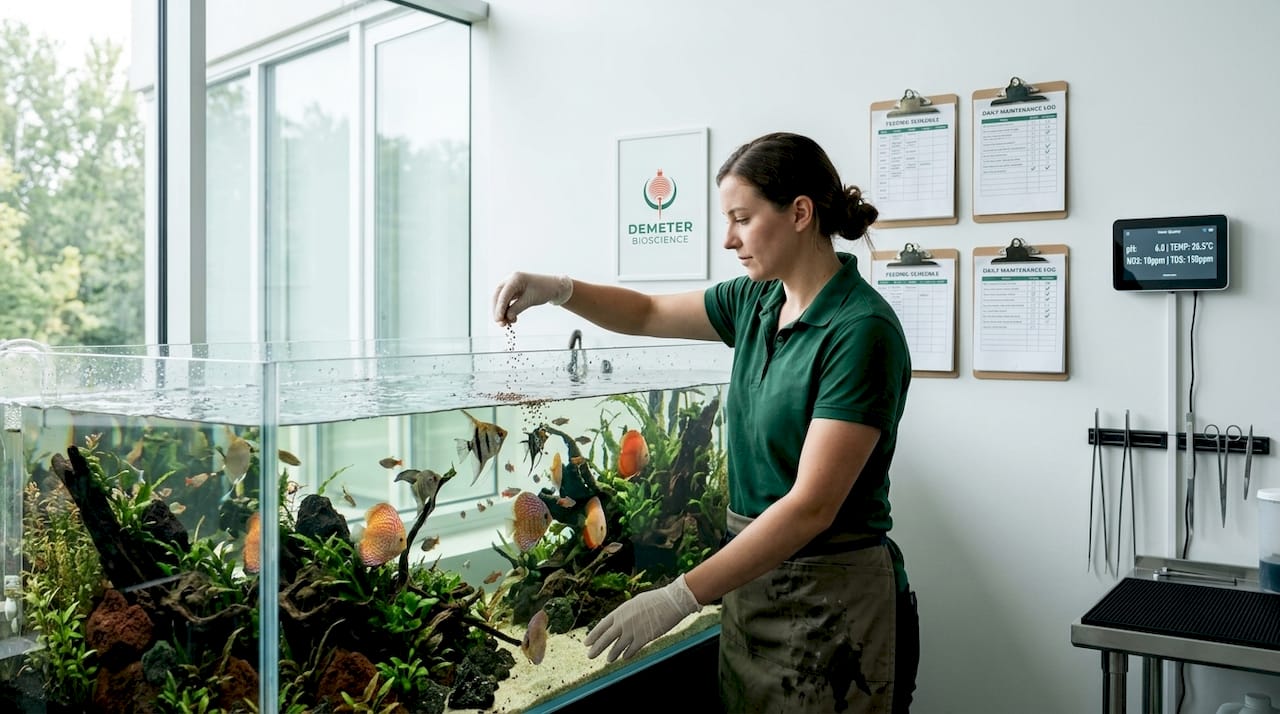
Exhibit conditions also amplify nutritional demands. Artificial lighting, controlled temperature, and high fish density create stressors that wild fish never face at the same intensity. A species-specific diet that accounts for these stressors is the primary tool for keeping fish physiologically stable and visually impressive. Formulations like Dr. Bassleer Biofish Food offer size-graded, species-targeted variants that address these demands more precisely than commodity feeds.
Water quality is the secondary reason specialized nutrition matters. Overfeeding or feeding nutritionally mismatched food generates excess organic waste, driving ammonia spikes and microbial imbalances that harm the entire exhibit ecosystem. Nutrition and tank management are not separate disciplines. They are the same discipline.
What makes exhibit fish diets different from standard aquarium food?
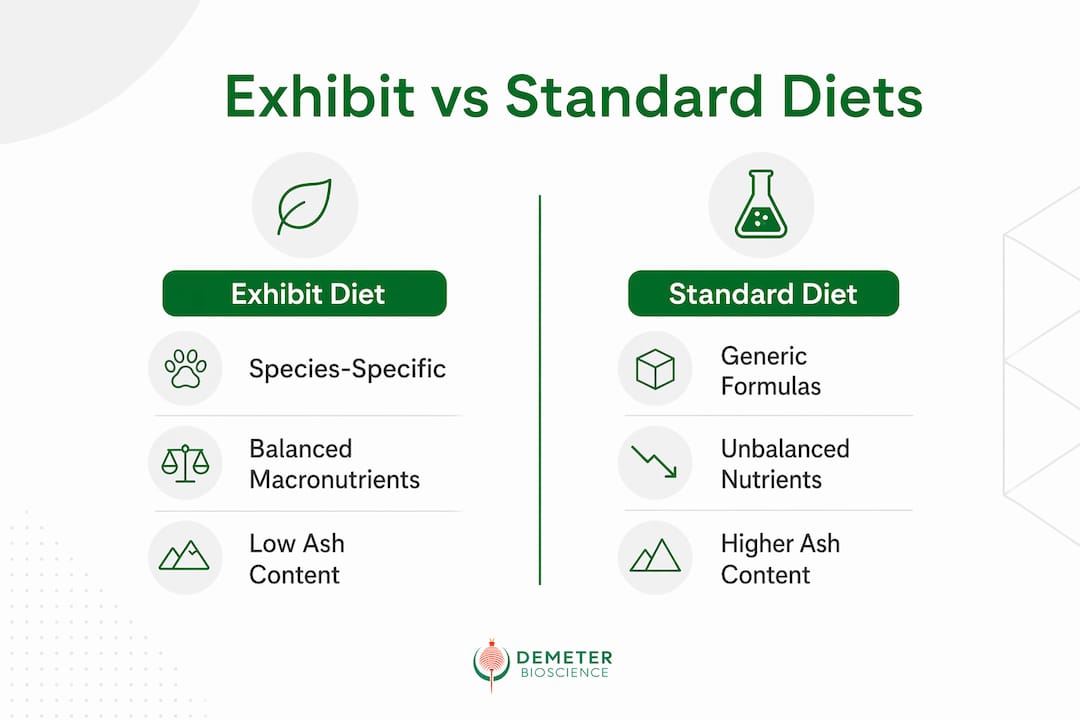
The gap between a standard aquarium diet and a true exhibit-grade formulation comes down to specificity. Standard foods are designed for broad palatability across many species. Exhibit-grade diets are designed to meet the metabolic and physiological requirements of a defined species at a defined life stage.
Here is what that specificity requires in practice:
- Protein calibration by feeding guild. Carnivorous species like lionfish or moray eels need 40 to 50% protein content. Herbivores like tangs and rabbitfish perform best at 20 to 30%. Feeding a carnivore-grade protein level to an herbivore stresses the kidneys and liver while generating excess ammonia.
- Targeted micronutrients. Vitamins C and E act as antioxidants under exhibit stress conditions. Phospholipids support larval and juvenile development. Taurine is critical for marine carnivores. These are not present in meaningful quantities in generic foods.
- Immune-active additives. Beta-glucans derived from yeast cell walls prime the innate immune system. Mannan-oligosaccharides support gut barrier integrity. These compounds are standard in high-quality exhibit formulations and absent from most commodity feeds.
- Color-enhancing pigments. Astaxanthin and canthaxanthin are the primary carotenoids responsible for red and orange coloration in many marine species. Spirulina drives blue-green pigmentation. Without dietary sources, fish cannot synthesize these compounds independently.
- Digestibility. High-quality protein sources with strong amino acid profiles and low ash content reduce metabolic waste and support nutrient absorption efficiency.
Pro Tip: When evaluating a commercial feed for exhibit use, check the ash content on the label. Ash above 10% typically indicates low-quality filler ingredients that reduce digestibility and increase waste load in the tank.
The importance of fish nutrition in exhibit settings also extends to consistent nutritional quality. Seasonal variability in wild-caught feed ingredients introduces unpredictable nutrient profiles. Farmed or controlled-source ingredients, such as Dunaliella-fed brine shrimp from Demeterbioscience, eliminate that variability and deliver a predictable nutritional baseline every feeding cycle.
How does species-specific diet affect health and display quality?
The connection between diet type and display quality is direct and measurable. A fish fed the wrong macronutrient ratio will show it within weeks through faded pigmentation, reduced activity, and increased susceptibility to pathogens.
The table below summarizes the core dietary differences across the three main feeding guilds found in exhibit settings:
| Feeding guild | Protein requirement | Key nutrients | Recommended food types |
|---|---|---|---|
| Carnivores (lionfish, eels) | 40 to 50% | Taurine, DHA, EPA | Meaty frozen, live brine shrimp, sinking pellets |
| Omnivores (cichlids, clownfish) | 30 to 40% | Balanced amino acids, carotenoids | Mixed pellets, frozen, algae wafers |
| Herbivores (tangs, rabbitfish) | 20 to 30% | Spirulina, vitamin C, fiber | Algae sheets, spirulina pellets, plant-based wafers |
Feeding strategy matters as much as feed composition. Limiting feeding to what fish consume in approximately five minutes reduces uneaten food accumulation, controls organic load, and prevents the water quality deterioration that undermines exhibit aesthetics. This is not a casual recommendation. It is an operational standard in professional exhibit management.
Multi-species exhibits add another layer of complexity. Surface feeders, mid-water feeders, and benthic feeders all occupy different zones and require varied food formats to receive adequate nutrition. Floating pellets serve surface feeders. Sinking wafers reach bottom dwellers. Live or frozen items like brine shrimp engage mid-water predators. Without format diversity, subordinate species in a mixed exhibit are chronically underfed even when total food volume appears adequate.
Gut microbiome health is the less visible but equally critical dimension of exhibit diet quality. Recent 2026 research published in Frontiers in Microbiology found that exhibit type influences gut bacterial communities, with distinct microbial patterns linked to feeding regimes and organic load. A destabilized gut microbiome reduces nutrient absorption efficiency and weakens immune response, creating a feedback loop where poor nutrition produces poor gut health, which produces worse nutrition outcomes.
Pro Tip: Rotate between two or three high-quality food types on a weekly schedule rather than feeding one product exclusively. Dietary variety reduces the risk of micronutrient gaps and supports a more diverse, stable gut microbiome.
Life stage also determines feeding frequency. Juveniles require multiple small feedings per day to support rapid growth. Adults in maintenance phases do well with one to two feedings. Breeding pairs need elevated protein and lipid inputs during conditioning. Treating all life stages identically is one of the most common and costly errors in exhibit nutrition programs.
What are the risks of unbalanced or excessive feeding?
Unbalanced feeding in exhibit systems produces compounding problems that affect fish health, water chemistry, and long-term exhibit viability simultaneously.
-
Ammonia toxicity from excess protein. Excess dietary protein increases ammonia waste, which degrades water quality and stresses fish kidneys and liver. This is the most common nutritional error in exhibit management, often driven by the false assumption that more protein accelerates growth.
-
Immune suppression from micronutrient deficiency. Diets lacking adequate vitamins C and E, zinc, or beta-glucans reduce the fish's ability to mount an immune response. The result is increased pathogen susceptibility and higher disease incidence across the exhibit population.
-
Color degradation. Without consistent dietary carotenoid intake, fish lose pigmentation within weeks. This is irreversible through water chemistry adjustments alone. Only dietary correction restores color, and recovery takes time.
-
Gut dysbiosis. Feeding regimens directly impact gut health and disease resistance. Diets high in indigestible fillers or low in prebiotic fiber disrupt the gut bacterial community, reducing nutrient absorption and creating conditions favorable to opportunistic pathogens.
-
Ecosystem destabilization. Uneaten food and metabolic waste accumulate as organic load, driving bacterial blooms, oxygen depletion, and pH instability. These changes affect every organism in the exhibit, not just the fish being overfed.
"Fish nutrition is one component of a holistic husbandry system; water quality and microbial management are equally critical to prevent disease and sustain vibrant displays." Source
The metabolic stress caused by chronic nutritional imbalance also shows up in hematological markers. Elevated cortisol, reduced red blood cell counts, and abnormal white blood cell differentials are documented responses to poor diet quality in teleost fish. These are not abstract concerns. They are measurable indicators that a feeding program is failing.
How to implement an effective specialized nutrition program
Building a nutrition program for exhibit fish requires matching feed formulation to species requirements, exhibit conditions, and operational constraints. The following framework covers the core components:
- Audit your species list by feeding guild. Categorize every species in the exhibit as carnivore, omnivore, or herbivore. Assign protein targets and identify key micronutrient requirements for each group. This audit is the foundation of every other decision.
- Select formulations with verified ingredient quality. Look for feeds that specify protein sources (fish meal, krill, spirulina) rather than generic "fish protein." Nutritional quality directly affects growth rate and long-term health outcomes. Demeterbioscience's Dunaliella-fed brine shrimp, with guaranteed minimum 40% protein content, exemplify the kind of verified, consistent sourcing that exhibit programs require.
- Diversify food formats to cover feeding niches. Use floating pellets, sinking wafers, algae sheets, and live or frozen items in combination. Multi-species feeding programs that address all feeding zones produce more uniform body condition across the exhibit population.
- Control feeding duration and quantity. Feed only what fish consume within five minutes. Remove uneaten food promptly. Track feeding amounts and adjust based on observed consumption, not fixed schedules.
- Monitor fish condition and water parameters together. Body condition scoring, coloration assessment, and behavioral observation should be conducted alongside ammonia, nitrite, and nitrate testing. Nutrition problems show up in both fish appearance and water chemistry before they escalate to disease events.
- Adjust for life stage and seasonal reproductive cycles. Increase feeding frequency and caloric density during juvenile growth phases and pre-spawning conditioning. Reduce quantity during low-activity periods to prevent unnecessary waste accumulation.
Coordinating nutrition with environmental management, including lighting schedules, temperature control, and filtration capacity, produces exhibit outcomes that neither discipline achieves alone.
Key takeaways
Exhibit fish health, coloration, and immunity depend on species-specific, life-stage-calibrated diets that no generic food product can replicate.
| Point | Details |
|---|---|
| Specialized diets are non-negotiable | Exhibit fish have no natural foraging access, making every nutrient dependent on what you supply. |
| Protein levels must match feeding guild | Carnivores need 40 to 50% protein; herbivores need 20 to 30%. Mismatches cause organ stress and water quality problems. |
| Gut microbiome responds to diet | Feeding regimes directly shape gut bacterial communities, affecting immunity and nutrient absorption. |
| Feeding duration controls water quality | Limiting feeding to five minutes of consumption reduces organic load and prevents ecosystem destabilization. |
| Food format diversity covers all feeders | Multi-species exhibits require floating, sinking, and live food types to feed every species adequately. |
What experience with exhibit nutrition has taught me
The most persistent mistake I see in exhibit nutrition is the belief that protein maximization equals performance. Professionals read that carnivores need high protein and conclude that more is always better. The research says otherwise. Excess protein generates ammonia that stresses the fish you are trying to support and degrades the water quality you are trying to maintain. The goal is precision, not volume.
The second misconception is treating nutrition as separate from husbandry. The 2026 microbiome research from Frontiers in Microbiology makes this impossible to ignore. What you feed directly shapes the microbial community in the gut and in the water column. A fish on a nutritionally complete diet in a poorly managed tank will still develop dysbiosis. A fish on a poor diet in a pristine tank will still show immune suppression. Both variables matter, and they interact.
What actually works is a program built on verified ingredient quality, species-appropriate formulation, and consistent delivery. Live brine shrimp fed on Dunaliella algae, for example, deliver a nutritional profile that frozen or dried alternatives cannot match for palatability and bioavailability. That difference shows up in coloration and feeding response within days, not weeks. The professionals who see the best exhibit outcomes are the ones who treat nutrition as a science, not a supply line.
— Demeter
How Demeterbioscience supports your exhibit nutrition program
Demeterbioscience produces farmed live brine shrimp cultivated exclusively on Dunaliella algae in controlled, land-based systems, guaranteeing a minimum 40% protein content and eliminating the nutritional variability that plagues wild-harvested alternatives. For aquarium professionals managing multi-species exhibits, that consistency is operationally significant. You can build a feeding protocol around a known nutritional baseline rather than adjusting for seasonal fluctuations in feed quality. Demeterbioscience's live brine shrimp products are available in direct shipments, monthly subscription plans, and bulk retail packages suited to museum and public aquarium scales. To discuss a customized feeding program for your exhibit, reach out directly to the Demeterbioscience team.
FAQ
Why do exhibit fish need specialized diets?
Exhibit fish depend entirely on supplied food and cannot forage naturally. Balanced, species-specific diets are required to maintain immune function, coloration, growth, and disease resistance in controlled environments.
What do exhibit fish eat in professional aquariums?
Professional exhibits use a combination of floating and sinking pellets, algae-based foods, frozen items, and live foods like brine shrimp to cover the dietary needs of carnivores, omnivores, and herbivores across all feeding zones.
How does overfeeding affect exhibit fish health?
Excess feeding increases ammonia waste, degrades water quality, and stresses fish organs. Limiting feeding to five-minute consumption windows is the standard practice for controlling organic load in exhibit systems.
How does diet affect fish coloration in display tanks?
Carotenoids like astaxanthin and spirulina-derived pigments must come from the diet because fish cannot synthesize them independently. Without consistent dietary sources, coloration fades within weeks regardless of water quality.
What role does the gut microbiome play in exhibit fish nutrition?
Diet directly shapes gut bacterial communities, which regulate nutrient absorption and immune response. Feeding regimens that destabilize the gut microbiome increase disease susceptibility and reduce the effectiveness of even high-quality feed formulations.