
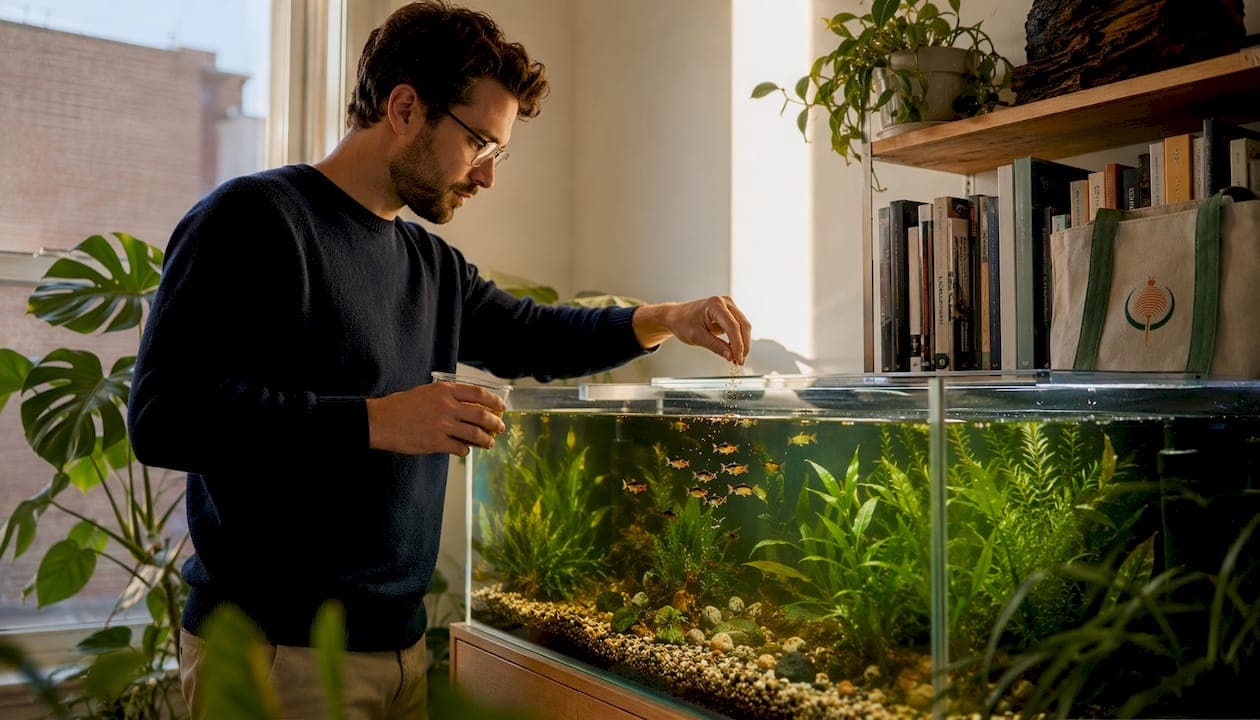
Gut loading is the practice of feeding live feeder organisms a nutrient-rich diet for 12–24 hours before offering them to your fish or reptile. The goal is straightforward: turn a nutritionally poor live food into a vehicle packed with vitamins, minerals, and fatty acids that transfer directly to your pet when it feeds. Without this step, many common feeders like brine shrimp or mealworms deliver little beyond calories.
Here is what gut loading actually involves:
- Feeder organisms include brine shrimp, daphnia, mealworms, and worms like grindal or white worms
- Nutrient targets are vitamins A, B-complex, and C, carotenoids, calcium, and omega fatty acids
- Timing runs 12–24 hours for most aquatic feeders; the window varies by species
- The transfer mechanism is simple: the feeder eats, fills its gut, and your pet eats the feeder while that gut is still full
- The result is a live food that rivals frozen or commercial pellet nutrition in bioavailable nutrient content
Think of it as using the feeder as a delivery capsule. The feeder itself is not the meal; its gut contents are.
What are the benefits of gut loading for fish and reptiles?
The most direct benefit is correcting nutritional gaps that standard live foods cannot fill on their own. Commercially raised feeder insects are often low in calcium and key vitamins when purchased. Freshly hatched brine shrimp are mostly water and simple sugars, essentially junk food until enriched. Gut loading closes that gap by loading the feeder with exactly what your pet needs.
For fish specifically, the payoff shows up in several ways:
- Immune function improves as bioavailable vitamins and antioxidants reach the fish through the feeder's gut contents
- Coloration brightens with carotenoid-rich gut loads, though research confirms the antioxidant function in fish health comes first, with color enhancement as a secondary effect
- Digestion benefits when feeders like daphnia are included, since their fibrous exoskeleton acts as natural fiber and helps move food through the digestive tract
- Activity and vitality increase as fish receive a more complete nutritional profile rather than isolated macronutrients
For reptiles, the calculus is similar. Feeder insects gut loaded with high-calcium, vitamin-rich diets at least 24–48 hours before feeding measurably improve reptile health and nutrient intake. Calcium deficiency is one of the most common nutritional problems in captive reptiles, and gut loading addresses it directly without requiring separate supplementation every single feeding.
Spirulina-enriched gut loads are worth singling out. Aquaculture research shows that spirulina transfers antioxidants and polyunsaturated fatty acids through the food chain, improving fish growth and fillet quality. The mechanism is the same whether you are raising rainbow trout commercially or keeping a community tank at home.
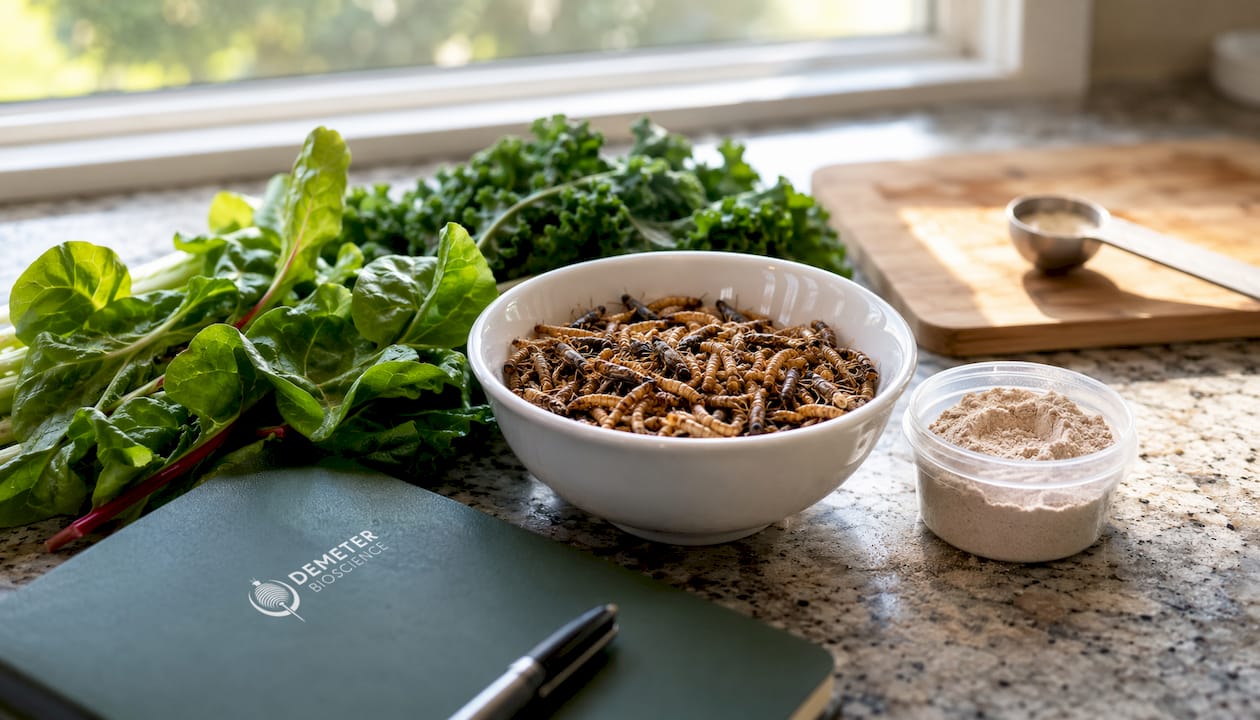
Pro Tip: Rotating daphnia into your gut loading schedule a few times per week adds natural fiber that helps prevent the digestive blockages that processed dry foods can cause, particularly in fish prone to bloating.
Which live foods work best for gut loading?
Not every live food responds to gut loading the same way, and knowing the differences saves you time and wasted effort.
Brine shrimp (Artemia spp.) are the most widely used aquatic feeder, and for good reason. They are filter feeders, which means they consume almost anything suspended in the water column, including phytoplankton, spirulina, and commercial enrichment products. That makes them easy to gut load. The catch is that brine shrimp lose nutritional value rapidly after hatching if not enriched. A 24-hour gut loading window with phytoplankton or a commercial enrichment product like Selcon or Vibrance brings them from near-zero nutritional value up to a level comparable with frozen mysis or quality pellets. For more on how their nutritional profile stacks up, the brine shrimp nutritional value breakdown is worth reading.
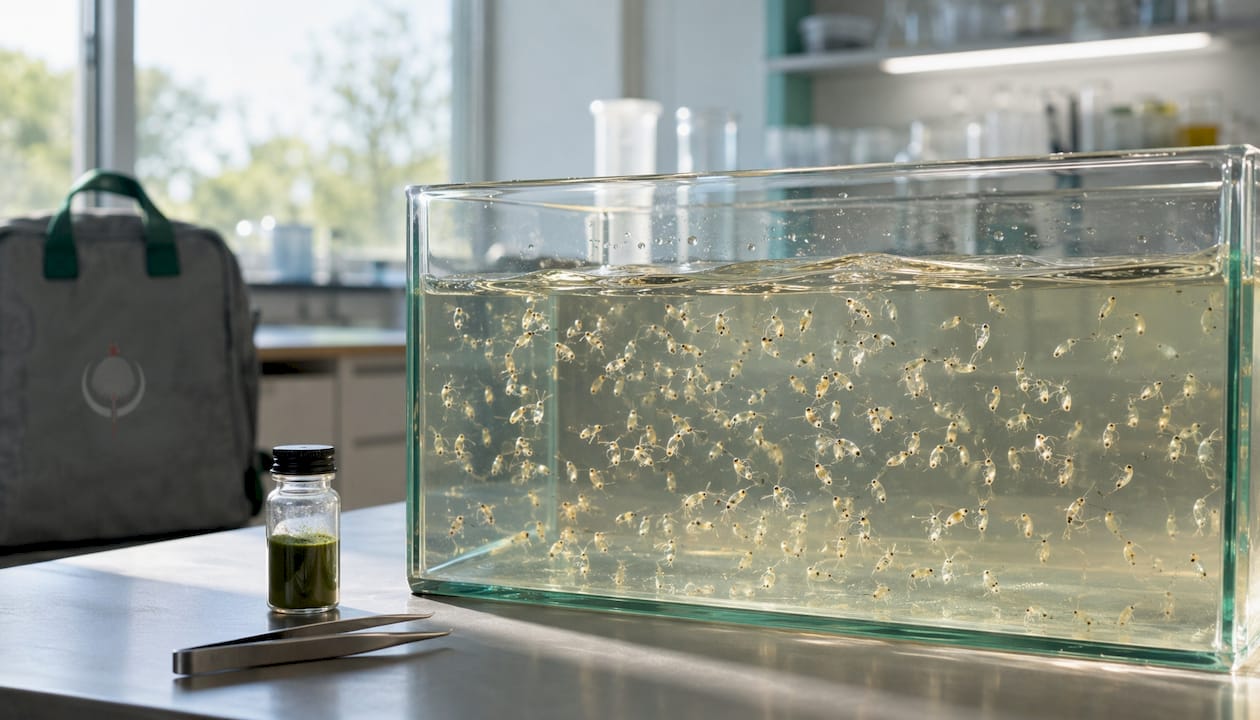
Daphnia are microcrustaceans that provide natural fiber through their exoskeleton, which aids digestion in fish. They gut load well with phytoplankton and spirulina, and their small size makes them ideal for smaller fish and fry. Hobbyists sometimes call daphnia "the aquarium laxative" because of how effectively they move food through a fish's digestive tract.
Mealworms (Tenebrio molitor) are the go-to feeder insect for reptiles and some larger fish. Their nutritional profile without gut loading is heavy on fat and light on calcium and vitamins. Gut loading with calcium-rich vegetables, spirulina, and nutritional yeast corrects this imbalance. Aquaculture studies confirm that mealworms can serve as a legitimate alternative protein source when properly prepared, with survival rates in some fish species running notably higher on mealworm diets than on other feeder types.
Grindal and white worms are excellent for smaller fish and fry. They are high in protein and fat, and they respond well to gel-based gut loading diets. Commercial gel foods are consumed faster than bread-based alternatives, resist mold, and support larger, healthier worm populations.
Bloodworms and other chironomid larvae are popular but offer limited gut loading potential due to their short holding time. Use them fresh and pair them with other gut-loaded feeders rather than relying on them as a primary enriched food source.
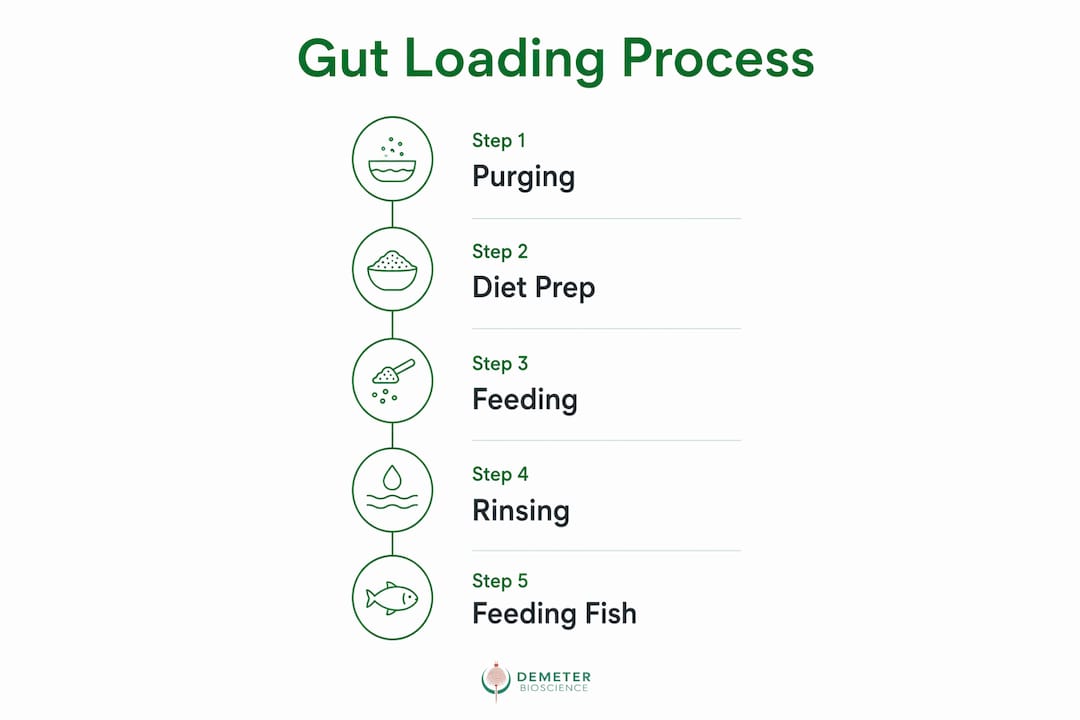
How do you gut load live fish food step by step?
The process is more forgiving than it sounds, but a few details make the difference between a nutrient-dense feeder and a contaminated tank.
Purging worms before gut loading
For any worm-based feeder, purging comes first. Place worms in a clean container with damp paper towels or coconut coir for 24–48 hours. This clears their digestive tracts of soil, unknown bacteria, and debris from their culture environment. Skip this step and you risk introducing a bacterial bloom into your aquarium. The purge is not optional.
Preparing the gut loading diet
The diet you feed your feeders determines what your pets actually receive. A practical base mix for worms includes:
- Finely ground rolled oats as the digestible base
- Spirulina powder for carotenoids and vitamins
- Nutritional yeast for B-vitamins
- Finely grated carrots or sweet potato for vitamin A
- A small amount of dechlorinated water to reach a damp, crumbly paste consistency
Avoid citrus, onions, garlic, dairy, and any oily or processed human food. These can harm the worms and introduce problematic compounds into your tank. The consistency of the gut load mix matters too: a damp crumbly paste prevents mold and gets consumed before it spoils, while a watery mix tends to sit and rot.
For brine shrimp and daphnia, the process is simpler. Add one or two drops of phytoplankton or a commercial enrichment product to a small, aerated vessel and let the shrimp or daphnia feed for 12–24 hours before harvesting. Aeration keeps the enrichment suspended and the feeders active.
Timing by organism
Timing is where many hobbyists get it wrong. Microcrustaceans like brine shrimp and daphnia need a full 12–24 hours to absorb enrichment. Terrestrial insects like mealworms reach peak nutrition earlier, and holding them too long after gut loading can actually reduce nutrient levels as their metabolism burns through what they consumed. For worms, the 12–24 hour window after the purge is the target.
Rinsing before feeding
Before adding any gut-loaded feeder to your tank, rinse it briefly under cool, dechlorinated water. This removes excess food from the feeder's exterior and prevents fouling your water. It takes thirty seconds and protects your tank's water quality.
Frequency and application
Gut loading works best as a targeted nutritional boost used 2–3 times per week, not as a daily staple. Daily gut-loaded feedings can tip the nutrient balance in the wrong direction. Pair gut-loaded live foods with a quality base diet of flake or pellet food, and use the live feeders as the enrichment layer on top.
Pro Tip: Alternate between gut-loaded brine shrimp, daphnia, and worms across the week rather than relying on a single feeder type. Each organism delivers a different nutrient profile, and rotating them gives your fish or reptile a more complete diet without overloading any single nutrient pathway.
Why Demeterbioscience brine shrimp are built for gut loading
Most live brine shrimp available to hobbyists come from wild harvests, which means their nutritional content varies with the season and the conditions of the lake they were collected from. Wild-caught shrimp often arrive in a semi-starved state, which is exactly the problem gut loading is designed to solve. Demeterbioscience takes a different approach entirely.
Demeterbioscience cultivates live brine shrimp in controlled, land-based systems fed exclusively on Dunaliella microalgae. The result is shrimp with a guaranteed minimum of 40% protein content, consistent across every batch. There is no seasonal variability, no starvation period in transit, and no guessing about what the shrimp actually contain nutritionally. The microalgae diet also loads the shrimp with carotenoids and fatty acids before they ever reach your tank, which means you are starting from a far higher nutritional baseline than wild-caught alternatives provide.
Key advantages of Demeterbioscience's approach:
- Controlled cultivation eliminates the nutritional inconsistency common in wild-harvested shrimp
- Microalgae feeding ensures the shrimp arrive pre-enriched with carotenoids, fatty acids, and protein
- Minimum 40% protein is guaranteed, not estimated
- Sustainable land-based systems avoid the environmental impact of wild harvesting
- Direct-to-consumer shipping and bulk retail options serve both hobbyists and commercial operations
For aquarists who want to understand how microalgae drives this nutritional advantage, the algae in brine shrimp diet guide explains the science behind it. Demeterbioscience also offers bulk orders for local fish stores and museums, making consistent live food access practical at any scale.
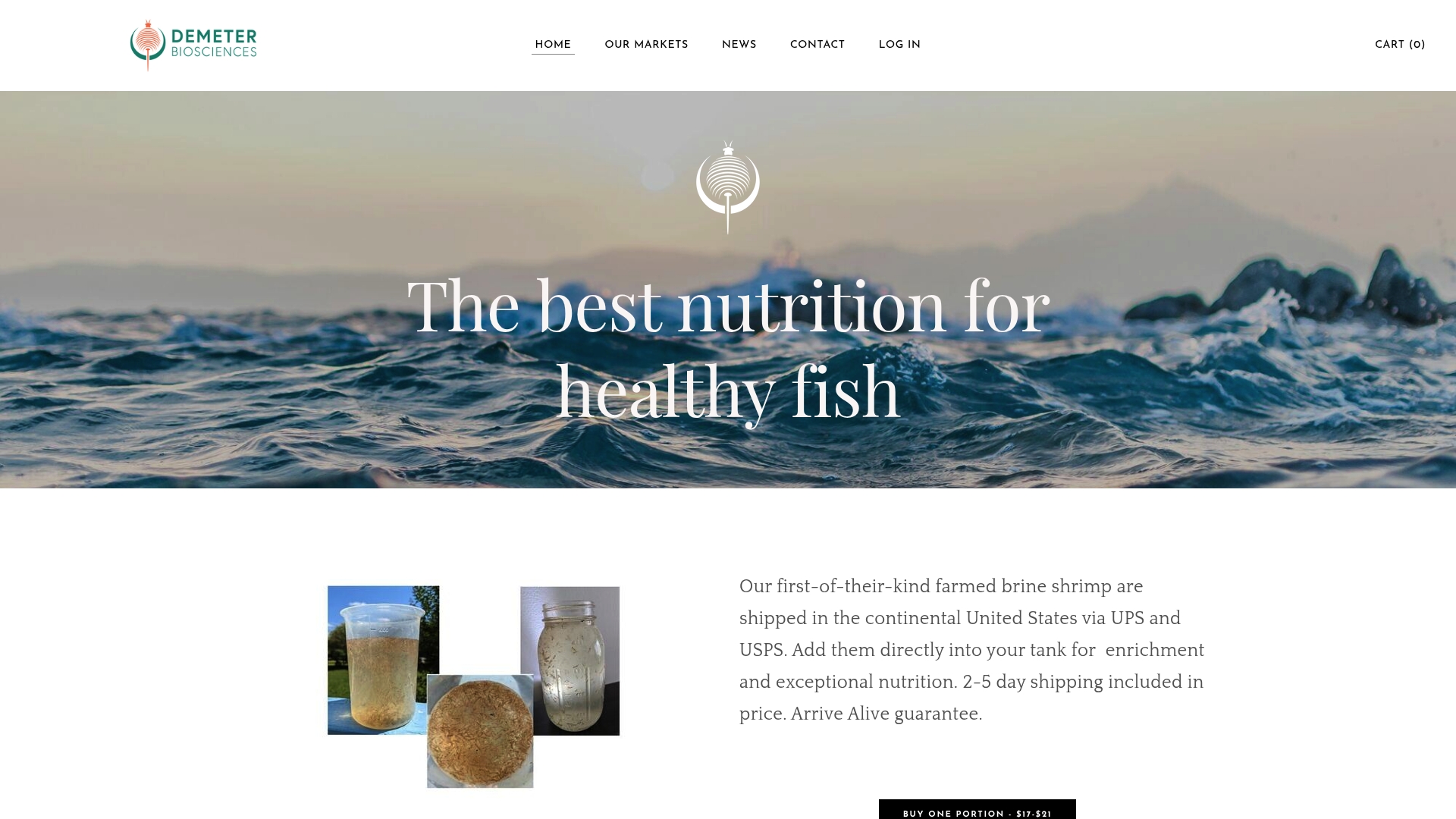
If you want live brine shrimp that arrive already nutritionally loaded, Demeterbioscience's live brine shrimp are farmed specifically to deliver that standard every time.
Key Takeaways
Gut loading transforms nutritionally poor live feeders into vitamin and mineral-rich meals by feeding the feeder organism a nutrient-dense diet for 12–24 hours before it reaches your pet.
| Point | Details |
|---|---|
| Timing window | Most aquatic feeders need 12–24 hours of gut loading to reach peak nutritional value. |
| Purge worms first | Clear worm digestive tracts for 24–48 hours before gut loading to prevent bacterial contamination. |
| Frequency matters | Use gut-loaded feeders 2–3 times per week as a nutritional boost, not as a daily replacement for a base diet. |
| Rotate feeder types | Alternating brine shrimp, daphnia, and worms delivers a broader nutrient profile than any single feeder alone. |
| Start with quality shrimp | Demeterbioscience brine shrimp arrive with a guaranteed minimum of 40% protein, fed on Dunaliella microalgae before shipping. |