
A bulk live food order is the practice of purchasing large quantities of live feeder organisms, such as brine shrimp, crickets, or mealworms, in a single shipment to sustain multiple aquatic pets efficiently and cost-effectively. For serious aquarium hobbyists, this approach cuts per-unit costs, reduces the frequency of reordering, and supports consistent nutrition across tanks. Suppliers like Demeterbioscience, Carolina Crickets, and Scale Companions have built entire fulfillment systems around this demand. Getting it right means understanding how to receive, store, and feed live animals so your investment actually reaches your fish alive and nutritious.
What is a bulk live food order and why does it matter?
A bulk live food order, known in the aquaculture trade as a feeder bulk purchase, is any order volume large enough to supply your animals for one to four weeks without reordering. The core appeal is straightforward: lower cost per feeder, fewer shipping events, and a more stable feeding schedule. For aquarium hobbyists managing multiple tanks or species with high feeding demands, that stability translates directly into healthier, more active fish.
The most common live feeders ordered in bulk include brine shrimp (Artemia salina), feeder crickets, mealworms, superworms, and silkworms. Each species has different shelf life, storage requirements, and nutritional profiles. Knowing which feeder fits your fish's needs before you place a large order prevents waste and keeps your animals on a diet that actually supports growth and coloration.
How to unpack and set up bulk live food shipments
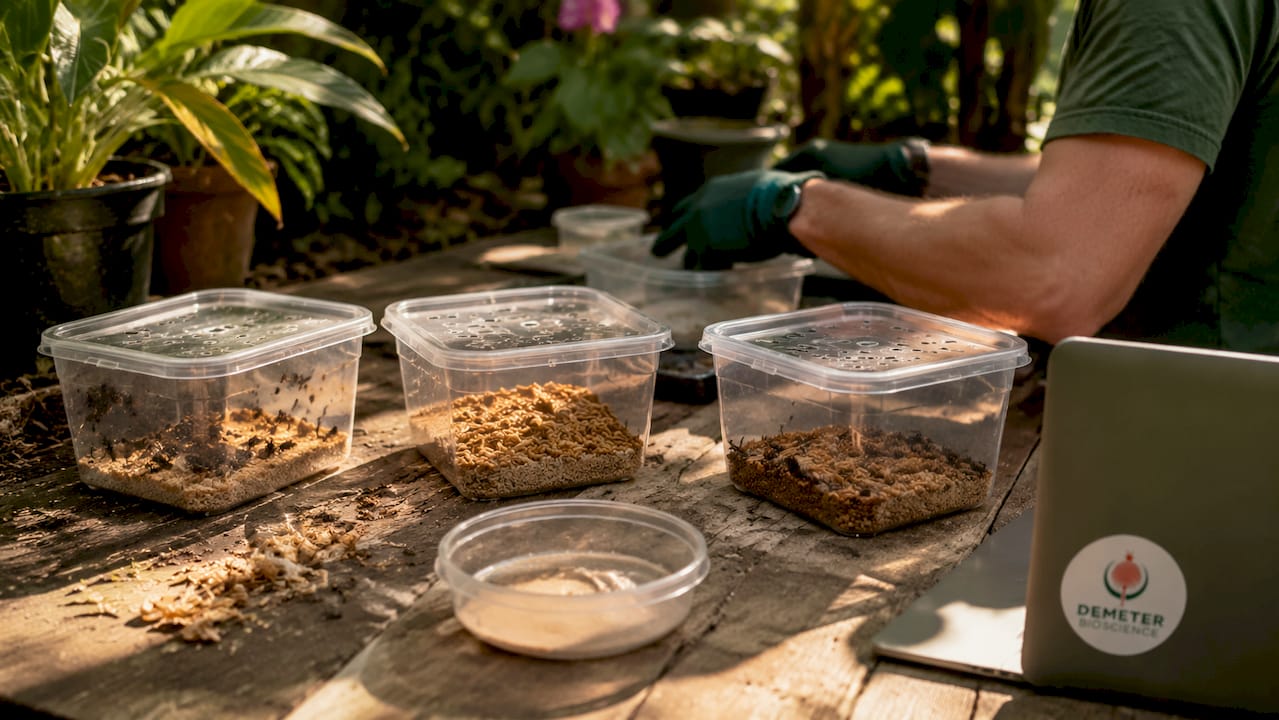
The first 30 minutes after a bulk shipment arrives determine whether you keep 95% of your feeders alive or lose a third of them to stress. Unboxing stress is one of the most overlooked causes of bulk feeder loss, and advanced hobbyists prepare the receiving habitat before the box even lands on the doorstep.
Follow these steps every time a bulk order arrives:
- Prepare the habitat first. Set up a ventilated enclosure at 70°F–85°F before the shipment arrives. Waiting until after the box arrives costs critical minutes.
- Open the box immediately. Do not leave the package in a hot car, on a sunny porch, or in a cold garage. Extreme temperature exposure for even 30–60 minutes can cause mass mortality across the entire order.
- Transfer using the tap-and-shake method. Tilt the shipping container over the habitat and gently tap the sides to move feeders without crushing them. Avoid pouring directly, which causes pileups and trampling.
- Add substrate immediately. Egg flats, cardboard tubes, or crumpled paper give feeders vertical space to spread out. Crickets and superworms that cannot separate will trample each other within hours.
- Check humidity. For crickets and similar insects, relative humidity around 85% supports survival during the acclimation window. A simple digital hygrometer costs under $10 and removes the guesswork.
Pro Tip: Set a calendar reminder for your expected delivery window and have the habitat fully prepped the night before. Rushed unpacking is the number one cause of preventable feeder loss.
How do you choose the best live food suppliers?
The difference between a specialized feeder breeder and a general pet retailer is not just price. Specialized feeder breeders who manage the full life cycle of their stock produce fresher, more nutritious feeders than retailers who source from third-party distributors and hold inventory in suboptimal conditions. When you buy from a specialist, you get animals that were raised on quality feed, not sitting in a warehouse for two weeks.
Here is what separates a quality bulk live food supplier from a mediocre one:
- Live arrival guarantee. Any reputable supplier covers losses from shipping mortality. If they do not offer this, move on.
- Regional shipping hubs. Suppliers sourcing from regional hubs and local breeders cut transit time significantly. Shorter transit means less stress and higher survival rates on arrival.
- Subscription and scheduled delivery options. A subscription model prevents the feast-or-famine cycle that stresses fish and forces hobbyists to use inferior food alternatives. Scheduled deliveries keep your supply continuous without requiring you to monitor stock levels daily.
- Transparent packaging. Ventilated boxes with appropriate insulation for the season signal that the supplier understands live animal logistics. A supplier who ships crickets in a sealed plastic bag in July does not know what they are doing.
- Responsive communication. Before placing a large order, send a question. How fast they respond and how specific their answer is tells you everything about their customer support culture.
"Choosing a supplier who specializes exclusively in feeder cultures guarantees fresher stock and expert advice that general retailers simply cannot match." — All Angles Creatures, 2026
Understanding live food delivery logistics in detail helps you ask the right questions before committing to a supplier relationship.
What are the risks of buying and storing bulk live feeders?
Bulk ordering carries real risks when hobbyists skip the math. Ordering mega-colony bulk sizes without enough turnover space results in 30–50% losses from overcrowding and stress. That wipes out the cost savings you were chasing in the first place.
The table below compares storage requirements for the most common bulk feeder types:
| Feeder Type | Storage Temperature | Humidity | Refrigeration Safe? |
|---|---|---|---|
| Feeder Crickets | 70°F–85°F | ~85% | No |
| Mealworms | 40°F–50°F (to slow growth) | Low | Yes |
| Superworms | 72°F–80°F | Moderate | No |
| Silkworms | 65°F–80°F | Moderate | No |
| Brine Shrimp | Per supplier spec | Aquatic | No |
Mealworms refrigerate safely to slow their growth cycle and extend shelf life. Superworms, by contrast, die in cold temperatures and must stay at room temperature. Mixing up these two rules is a common and costly mistake.
Seasonal shipping adds another layer of complexity. Summer heat and winter cold both kill live feeders in transit. Order during mild weather windows when possible, and always request heat packs or cold packs appropriate to the season.
Pro Tip: Calculate your tanks' weekly feeding demand before placing any bulk order. Multiply the number of feedings per week by the number of feeders consumed per session, then order no more than a two-week supply until you have confirmed your storage setup can handle the volume.
Calculating feeding demand precisely prevents overstocking, which can cost more than buying smaller amounts more frequently, even after bulk discounts are factored in.
How do you maintain nutritional value through gut-loading?
Gut-loading is the practice of feeding feeder insects a nutrient-dense diet for 24–48 hours before offering them to your fish or reptiles. The feeder's gut contents transfer directly to your aquatic pet, so what the cricket ate last night is what your fish gets today. This is not optional for serious hobbyists. It is the difference between a feeder that delivers protein and micronutrients and one that delivers empty calories.
Gut-loading with high-moisture vegetables improves the nutritional value of feeder insects measurably. The most effective gut-load foods by feeder type include:
- Crickets and superworms: Carrots, squash, sweet potatoes, and collard greens
- Silkworms: Mulberry chow or fresh mulberry leaves, which produce a uniquely high-protein feeder
- Mealworms: Oats as a base, with added carrot or apple for moisture and vitamins
Rotating between feeder types compounds the benefit. A fish fed only crickets misses the fatty acid profile that brine shrimp or silkworms provide. Alternating feeders across the week creates a nutritional spread that mirrors what fish encounter in the wild. Consistent nutrition through scheduled delivery supports this rotation by keeping multiple feeder types in stock simultaneously, rather than scrambling to find whatever is available at the local pet store.
For aquatic species specifically, brine shrimp remain one of the most complete live feeders available. Demeterbioscience's farmed brine shrimp, raised exclusively on the microalgae Dunaliella, deliver at least 40% protein content with none of the seasonal variability that wild-harvested shrimp carry. That consistency is exactly what a gut-loading and rotation strategy depends on. Learn more about transitioning fish to live food if your fish are currently on pellets or frozen feed.
Key takeaways
Bulk live food purchasing pays off only when storage, supplier quality, and feeding strategy are all managed together.
| Point | Details |
|---|---|
| Prepare before delivery | Set up a ventilated, temperature-controlled habitat before the shipment arrives to prevent stress mortality. |
| Choose specialist suppliers | Feeder breeders who manage full life cycles produce fresher, more nutritious stock than general retailers. |
| Match order size to demand | Calculate weekly feeding needs before ordering to avoid overcrowding losses that erase bulk savings. |
| Store by species requirements | Mealworms refrigerate safely; crickets and superworms require room temperature with proper ventilation. |
| Gut-load every batch | Feed insects nutritious vegetables 24–48 hours before use to maximize the nutrition your fish actually receive. |
What i've learned after years of bulk feeder orders
The mistake I see most often is hobbyists treating a bulk order like a grocery run. You cannot just stack 1,000 crickets in a bin and check back in a week. The first order I placed without a proper substrate setup cost me nearly half the batch in 48 hours. That lesson paid for itself in every order since.
Supplier selection matters more than price. I have tested suppliers who offered lower per-unit costs but shipped from a single national warehouse, and the transit stress showed up in arrival rates and feeder behavior. The suppliers worth staying with are the ones who respond to a pre-order question within hours and proactively communicate shipping delays. That communication quality predicts everything else about how they operate.
The other thing most guides skip: timing your order to your feeding rotation, not your calendar. If you gut-load for 48 hours before feeding, your order needs to arrive at least two days before your fish run out of feeders. Build that buffer into every subscription cycle. The benefits of consistent nutrition for aquatic specimens are real, and they only show up when the supply chain behind your tank is as disciplined as your feeding schedule.
— Demeter
Premium live brine shrimp from Demeterbioscience
Demeterbioscience produces farmed live brine shrimp in land-based, controlled systems where every animal is fed exclusively on Dunaliella microalgae. The result is a feeder with at least 40% protein content and zero seasonal variability. Wild-harvested brine shrimp starve in natural ecosystems during off-peak seasons. Demeterbioscience's shrimp arrive nutritionally loaded every time.
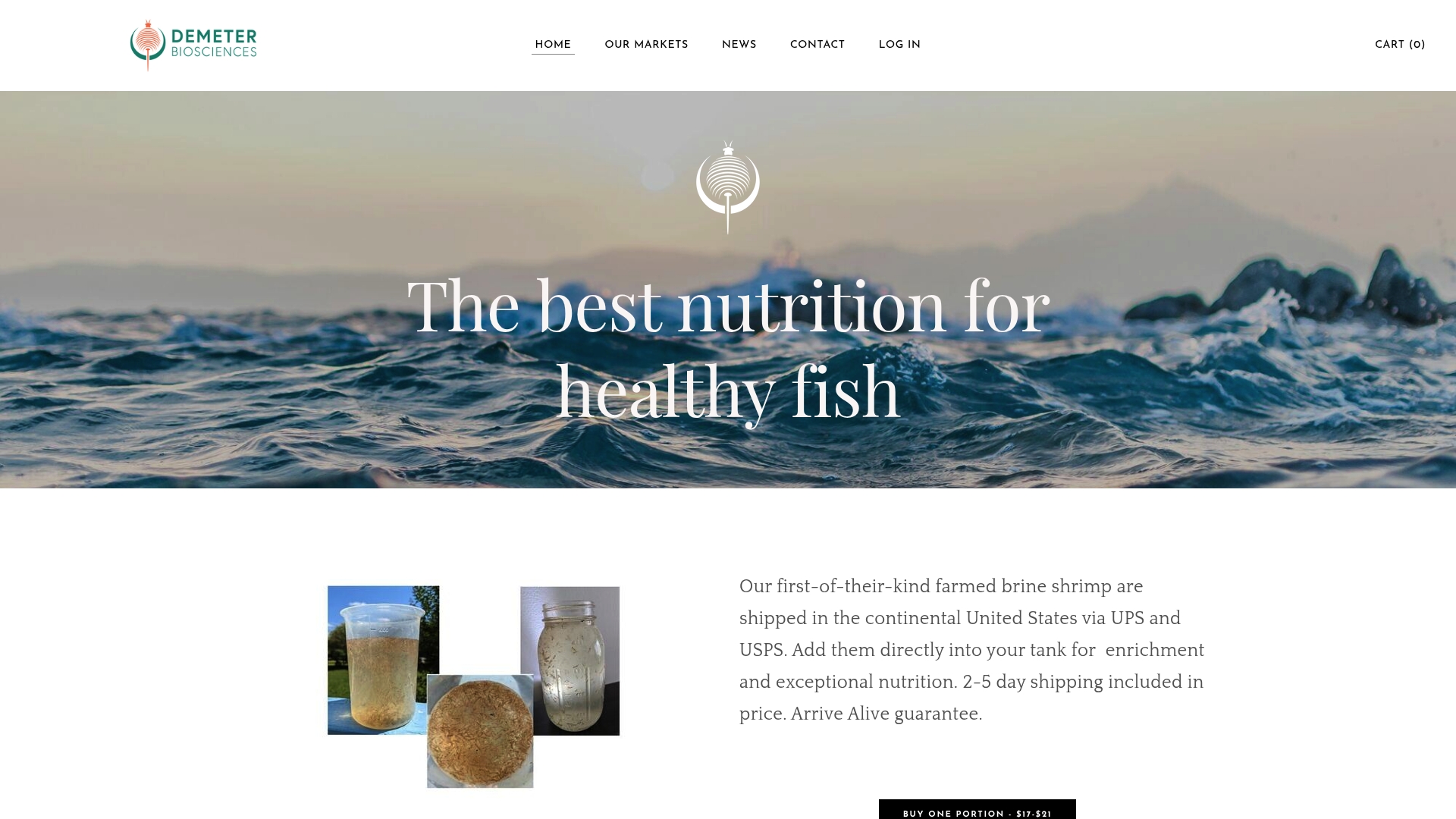
Whether you manage a single display tank or supply a local fish store, Demeterbioscience offers direct-to-consumer shipments, monthly subscription plans, and bulk retail packages built for consistent, high-volume feeding. Every order includes a live arrival guarantee. Explore the full brine shrimp product line and find the plan that fits your tank's feeding schedule.
FAQ
What does a bulk live food order include?
A bulk live food order typically includes a large quantity of a single feeder species, such as crickets, mealworms, or brine shrimp, shipped in a ventilated container with live arrival protection. Order sizes range from a few hundred to several thousand feeders depending on the supplier and your tank's demand.
How do i calculate the right bulk order size?
Multiply your weekly feeder consumption per tank by the number of tanks, then order no more than a two-week supply until your storage setup is proven. Overstocking without turnover space causes 30–50% losses that cancel out bulk pricing advantages.
Can i refrigerate bulk live feeders to extend shelf life?
Mealworms refrigerate safely at 40°F–50°F to slow their growth and extend usable life. Crickets, superworms, and silkworms must stay at room temperature, as cold kills them quickly.
What is gut-loading and why does it matter for fish?
Gut-loading means feeding feeder insects a nutrient-dense diet for 24–48 hours before offering them to your fish. The feeder's gut contents transfer directly to your fish, so a well-fed cricket delivers far more protein and vitamins than a starved one.
How do i find a reputable bulk live food supplier?
Look for suppliers who offer a live arrival guarantee, ship from regional hubs to reduce transit time, and respond quickly to pre-order questions. Specialized feeder breeders who manage the full life cycle of their stock consistently outperform general retailers on freshness and survival rates.