
Certified organic fish food is aquaculture feed made exclusively from certified organic ingredients, free of synthetic pesticides, antibiotics, and GMOs, produced under strict regulatory standards to support healthy, sustainable fish growth. For aquarium hobbyists, this distinction matters far beyond the label. Organic certification frameworks like the EU Organic Regulation, USDA National Organic Program, Naturland, and the Soil Association each require that at least 50% of dietary protein comes from certified organic or verified waste streams. That requirement alone separates genuine certified feed from products that simply market themselves as "natural."
What is certified organic fish food made from?
Certified organic fish food draws from a tightly controlled ingredient list. Accepted inputs include organic grains like wheat and corn, plant proteins such as soybean meal and pea protein, and fish trimmings sourced from certified, well-managed fisheries. These organic feed ingredients replace conventional fishmeal and fish oil without sacrificing the amino acid profiles fish need to thrive.

Prohibited substances are equally defining. Synthetic pesticides, antibiotics, GMOs, appetite stimulants, and terrestrial animal by-products are all excluded from certified formulations. The rationale is straightforward: these inputs introduce chemical residues into the food chain and disrupt the natural biological processes that keep fish healthy. Removing them forces formulators to rely on ingredient quality rather than chemical shortcuts.
Modern organic feed formulation has moved well beyond simple substitution. Research in 2026 confirms that microalgae and polyphenols added to organic feeds enhance gut health and reduce oxidative stress in fish. Dunaliella, the microalgae used by Demeterbioscience in its brine shrimp cultivation, is a strong example of this approach in practice.
Organic vs. conventional fish feed: key ingredient differences
| Category | Organic feed | Conventional feed |
|---|---|---|
| Protein sources | Certified organic plant proteins, verified fish trimmings | Fishmeal, rendered animal by-products |
| Grains and binders | Certified organic wheat, corn, soy | Conventionally grown grains, synthetic binders |
| Additives | Microalgae, polyphenols, natural vitamins | Synthetic vitamins, artificial preservatives |
| Prohibited inputs | Antibiotics, GMOs, synthetic pesticides | Often permitted in varying amounts |
| Certification required | Yes, third-party verified | No mandatory organic certification |
Pro Tip: Check the ingredient panel for the word "certified" next to each protein source. A feed labeled organic but listing uncertified fishmeal as the primary protein does not meet the 50% organic protein threshold required by most certification bodies.
What are the benefits of organic fish food for aquarium fish?
Fish fed certified organic diets show measurably better outcomes. Studies from 2021 and 2025 show that alternative proteins like pea and seaweed promote growth performance equivalent to conventional fishmeal, and fish fed organic diets have shown 20% higher weight gain compared to standard feeds. That figure reflects not just caloric intake but improved nutrient bioavailability from cleaner ingredient sources.
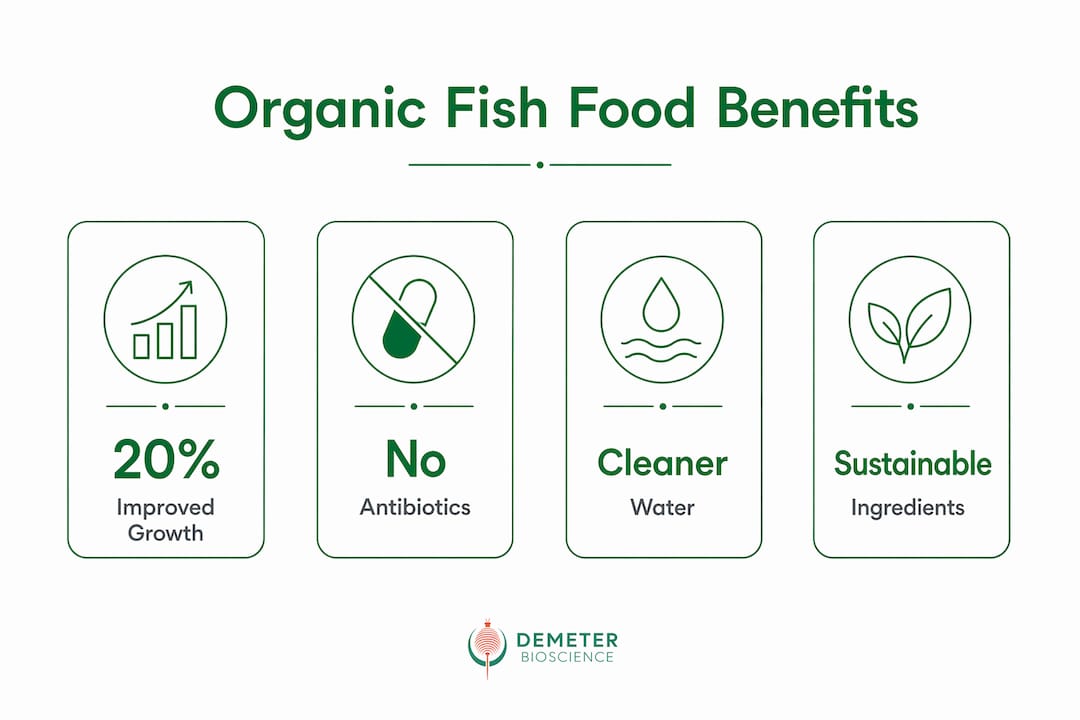
The absence of antibiotic residues is a significant welfare gain for aquarium fish. Antibiotics in conventional feed disrupt gut microbiota, which weakens immune response over time. Organic feeds preserve the natural microbial balance in the fish gut, which supports disease resistance without chemical intervention. For hobbyists managing closed aquarium systems, this matters because antibiotic residues also accumulate in tank water and affect other organisms in the ecosystem.
Gut health is where organic feed shows its clearest advantage. Functional feeds enriched with microalgae and phytochemicals reduce oxidative stress and support the intestinal lining, which translates to better nutrient absorption and fewer digestive issues. You can read more about this in Demeterbioscience's guide on consistent aquatic nutrition.
Key organic fish food benefits for aquarium fish include:
- Reduced chemical residue accumulation in tank water
- Stronger immune function from intact gut microbiota
- Improved growth rates from higher nutrient bioavailability
- Lower risk of antibiotic resistance developing in the tank ecosystem
- More stable coloration and behavior from natural ingredient profiles
Pro Tip: When evaluating organic fish food brands, look for feeds that list a specific microalgae species, such as Spirulina or Dunaliella, rather than a generic "algae meal." Named species indicate a controlled, traceable ingredient source.
How does organic fish food support environmental sustainability?
Organic aquaculture treats the farm or aquarium as a living, integrated system. The principle is disease prevention and ecosystem balance rather than reactive chemical treatment. That philosophy produces a measurably lower ecological footprint compared to conventional feed production.
Nutrient pollution is one of the biggest environmental risks in aquarium keeping. Uneaten feed breaks down and releases nitrogen and phosphorus into the water column, stressing fish and promoting algae blooms. Slow-release feed technologies reduce this risk by controlling the rate at which nutrients enter the water. Organic certification standards actively require feed management practices that minimize nutrient discharge, which makes certified feeds structurally better for closed aquarium systems.
Traceability is another environmental advantage that hobbyists often overlook. Certified organic feeds require documented ingredient sourcing at every stage. That traceability confirms that fish trimmings came from well-managed fisheries and that plant proteins were grown without synthetic pesticides. Consumer demand reflects this value: over 70% of European seafood buyers prefer eco-labeled or organic products and are willing to pay 15–20% premiums for traceable, sustainable options.
Closed-loop waste management is a formal requirement for certified organic operations. Standards require active nutrient discharge mitigation through natural filtration systems or recirculating aquaculture setups. For hobbyists, this means that choosing certified organic feed aligns your tank management with the same principles that govern responsible commercial aquaculture.
What should hobbyists consider when choosing organic fish food?
Palatability is the first practical challenge with organic fish food. Higher plant-based ingredient proportions can affect how readily fish accept a new feed, particularly for carnivorous species like cichlids or bettas. Feeding methods are critical to both fish health and water quality outcomes. Introducing organic feed gradually over 7–10 days alongside the existing diet gives fish time to adjust without stress.
Species-specific dietary needs require attention when switching to organic formulations. Omnivorous fish like goldfish and guppies adapt quickly to plant-protein-based organic feeds. Carnivorous species need organic feeds with higher protein concentrations, ideally from certified fish trimmings or live organic sources like brine shrimp. Checking the nutritional value of organic fish food against your species' requirements before purchasing prevents costly trial and error.
Verifying certification is non-negotiable. Organic certification covers not just feed ingredients but also management practices, broodstock sourcing, water quality standards, and animal welfare. A product claiming to be organic without a named certifying body on the label has not been independently verified. Look for seals from Naturland, the Soil Association, or a USDA-accredited certifier.
Follow these steps when selecting certified organic fish food:
- Confirm a named third-party certifier appears on the packaging.
- Check that the primary protein source is listed as certified organic or from a verified fishery.
- Match the protein percentage to your fish species' dietary requirements.
- Choose a pellet size appropriate for your fish's mouth to reduce uneaten feed.
- Use a slow-release feeder or feed small amounts twice daily to minimize waste.
Pro Tip: Live organic feeds like certified brine shrimp eliminate the palatability problem entirely. Fish accept live food instinctively, and a live feed from a controlled cultivation system delivers consistent nutrition without the guesswork of dry pellet formulations.
Key Takeaways
Certified organic fish food delivers measurable health and environmental benefits, but only when the label is backed by a named third-party certifier and ingredient traceability at every stage.
| Point | Details |
|---|---|
| Certification requires verified protein sources | At least 50% of dietary protein must come from certified organic or verified waste streams. |
| Organic feeds improve fish health outcomes | Studies show 20% higher weight gain and stronger immune function compared to conventional feeds. |
| Ingredient exclusions define organic status | Synthetic pesticides, antibiotics, GMOs, and appetite stimulants are prohibited in certified formulations. |
| Slow-release feeding reduces water pollution | Controlled feeding methods are required by organic standards to minimize nutrient discharge. |
| Traceability is a formal certification requirement | Every ingredient source must be documented and verified by an accredited certifying body. |
Why live organic feed changed how I think about aquarium nutrition
Most hobbyists focus on the label when they buy fish food. I used to do the same. After years of working with organic aquaculture systems, I now focus on the ingredient source first and the label second. A certified organic pellet with pea protein as its primary ingredient is a better product than a conventional fishmeal pellet, but it still cannot replicate what a live, nutritionally complete feed delivers.
The 20% weight gain figure from organic diet studies is real, but the mechanism behind it is what matters. Cleaner ingredients produce better gut health. Better gut health produces better nutrient absorption. The result is a fish that grows faster, resists disease more effectively, and shows more natural behavior. That chain of causation is why I think the conversation about organic fish food needs to move past ingredient lists and toward the full nutritional profile of what you are feeding.
The cost objection is real but often overstated. Certified organic feed costs more per gram than conventional alternatives. However, healthier fish require fewer interventions, fewer medications, and fewer water treatments. The total cost of keeping fish on a quality organic diet is frequently lower than the cost of managing the health problems that conventional feeding creates over time.
The future of organic aquarium nutrition points toward live and microalgae-based feeds. Dunaliella and similar microalgae species offer protein profiles and carotenoid concentrations that no dry pellet can match. The gap between what certification standards require and what the best organic feeds actually deliver is closing fast, and that is genuinely good news for every hobbyist who cares about their fish.
— Demeter
Demeterbioscience's organic approach to aquarium fish nutrition
Aquarium hobbyists who want certified organic nutrition without the palatability challenges of plant-based pellets have a direct solution in live, cultivated brine shrimp.
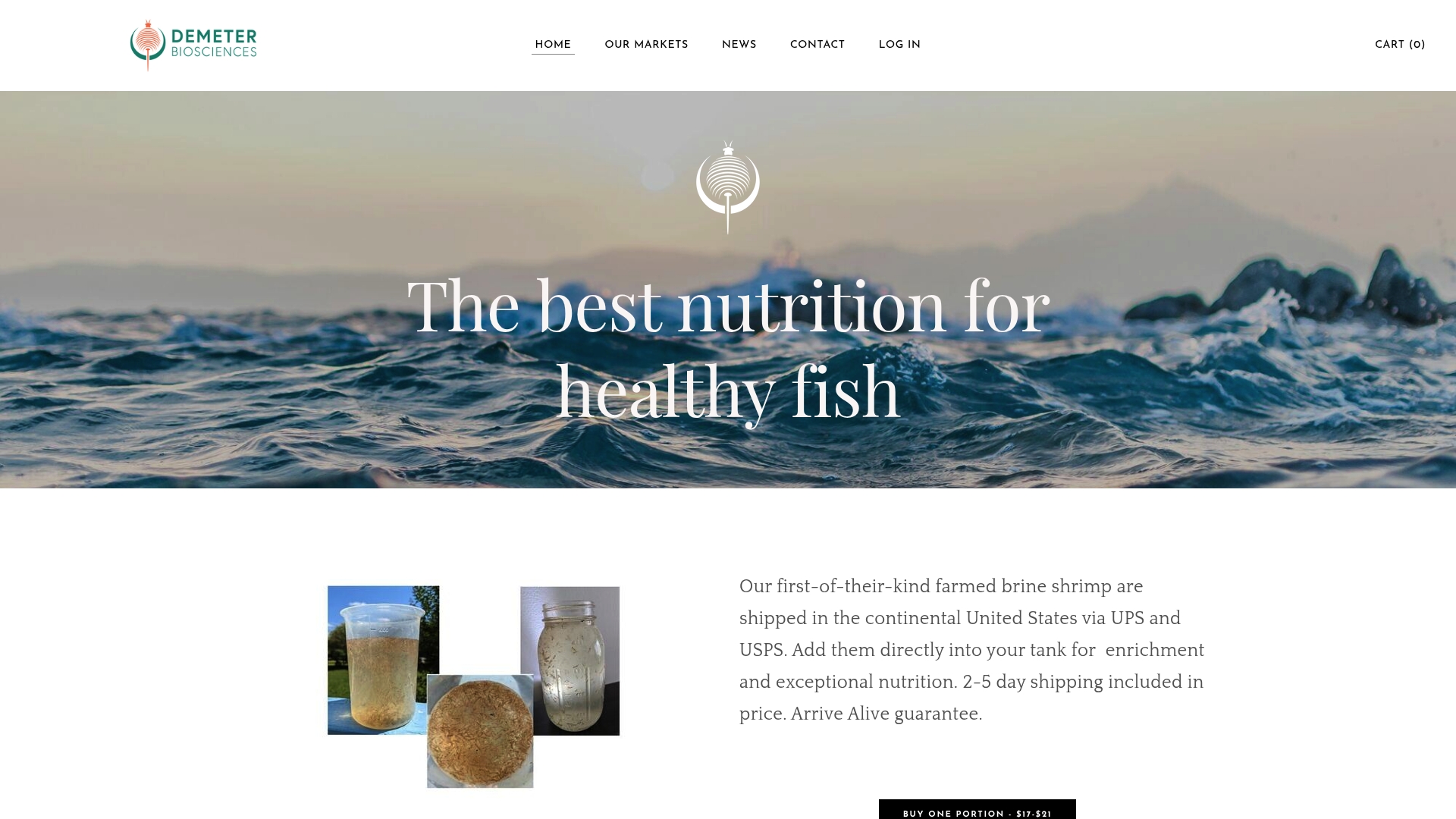
Demeterbioscience grows brine shrimp exclusively on Dunaliella microalgae in a land-based, controlled cultivation system. Every batch delivers at least 40% protein content with consistent nutritional quality, free from the seasonal variability and starvation conditions that affect wild-harvested brine shrimp. The system avoids synthetic inputs entirely, aligning with the same organic principles that certified feed standards require. Hobbyists can order live organic brine shrimp directly, subscribe for monthly deliveries, or explore bulk retail options for local fish stores and museums. For fish that need the real thing, this is where consistent organic nutrition starts.
FAQ
What does "certified organic" mean for fish food?
Certified organic fish food meets standards set by bodies like the USDA, EU Organic Regulation, or Naturland, requiring at least 50% organic protein sources and prohibiting synthetic pesticides, antibiotics, and GMOs. A named third-party certifier on the label confirms independent verification.
Can all aquarium fish eat organic food?
Most aquarium fish can eat certified organic food, but the formulation must match the species' dietary needs. Carnivorous fish require higher protein concentrations from certified fish sources, while omnivorous species adapt well to plant-protein-based organic feeds.
How do I verify that a fish food is genuinely certified organic?
Look for a named certifying body on the packaging, such as Naturland, the Soil Association, or a USDA-accredited certifier. A product without a specific certifier listed has not been independently verified, regardless of how it is marketed.
Does organic fish food improve water quality in aquariums?
Certified organic feeds reduce chemical residue accumulation in tank water by excluding synthetic additives and antibiotics. Paired with slow-release feeding methods, they also minimize nutrient discharge, which lowers the risk of algae blooms and oxygen depletion.
Is live brine shrimp considered organic fish food?
Live brine shrimp cultivated in controlled systems on certified microalgae diets qualify as organic fish food when the production system meets organic aquaculture standards. Demeterbioscience's Dunaliella-fed brine shrimp deliver consistent protein levels and avoid the nutritional gaps common in wild-harvested alternatives.