

Whether you run a reef tank or manage a commercial aquaculture operation, the eco friendly fish nutrition product categories you choose directly shape your fish's health and your environmental footprint. The challenge is real: ingredient labels are crowded with claims, and not every "natural" or "sustainable" tag means the same thing. This guide cuts through the confusion by walking through the major categories of sustainable aquatic nutrition, from plant proteins and algae to insect-derived ingredients and certified formulations, so you can match the right product type to your specific fish and your values.
Table of Contents
- Key takeaways
- Eco friendly fish nutrition product categories: how to evaluate what's real
- 1. Plant-based protein formulations
- 2. Microalgae and algal oil products
- 3. Insect-derived proteins and frass ingredients
- 4. Enzymatically hydrolyzed by-products
- 5. Functional additive categories
- 6. Certified and traceable feed products
- 7. Live and fresh natural feed categories
- 8. Comparing categories: which one fits your needs
- My honest take after working in this space
- See these categories in action with Demeterbioscience
- FAQ
Key takeaways
| Point | Details |
|---|---|
| Certifications matter | ASC and BAP standards provide third-party verification that feeds meet environmental and sourcing benchmarks. |
| Algae replaces fish oil | Algal omega-3 products fully substitute fish oil with no measurable impact on fish growth or fillet quality. |
| Insect ingredients need validation | Frass and insect proteins vary by substrate, so always verify nutrient data before scaling inclusion rates. |
| Combining categories works best | Mixing plant protein, algae, and functional additives produces more nutritionally complete eco-friendly diets. |
| Live feed quality is controllable | Farmed live foods like brine shrimp raised on microalgae deliver consistent protein and nutrition wild-caught feeds cannot match. |
Eco friendly fish nutrition product categories: how to evaluate what's real
Before selecting a product, you need a framework. The phrase "eco friendly" is not an industry-regulated term, so understanding what actually separates a green fish nutrition solution from conventional feed requires looking at four distinct dimensions.
Sustainability of ingredient sourcing. Does the product reduce pressure on wild fish stocks? Fishmeal and fish oil replacement in aquaculture through alternative proteins is the clearest indicator of genuine sustainability. Look for products that specify the origin of protein sources, not just claim "natural ingredients."
Nutritional quality. Protein content, amino acid profile, omega-3 fatty acid levels (specifically EPA and DHA), and digestibility are non-negotiable. An environmentally friendly fish diet that undermines fish health is not actually a good trade.
Functional additives. The best fish food for health goes beyond macronutrients. Probiotics, prebiotics, and marine bioactives support gut health, immunity, and stress resistance in ways that matter long-term, especially in high-density aquaculture systems.
Certification and traceability. ASC-certified feed mills across 28 countries now operate under standards that govern marine ingredient sourcing and environmental responsibility. BAP (Best Aquaculture Practices) certification covers similar ground. When a product carries one of these marks, it signals governance, not just marketing.
Pro Tip: Check whether a product lists its certification number, not just the logo. Legitimate ASC and BAP certifications are verifiable through public databases, and the distinction matters when you are making sourcing decisions for a commercial operation.
1. Plant-based protein formulations
Plant proteins are the most widely available category in eco-conscious fish products. Common sources include soy protein concentrate, pea protein, wheat gluten, and canola meal. Their appeal is straightforward: they do not rely on wild fish stocks, they scale reliably, and they fit well into the supply chains of both hobbyist brands and large aquafeed manufacturers.
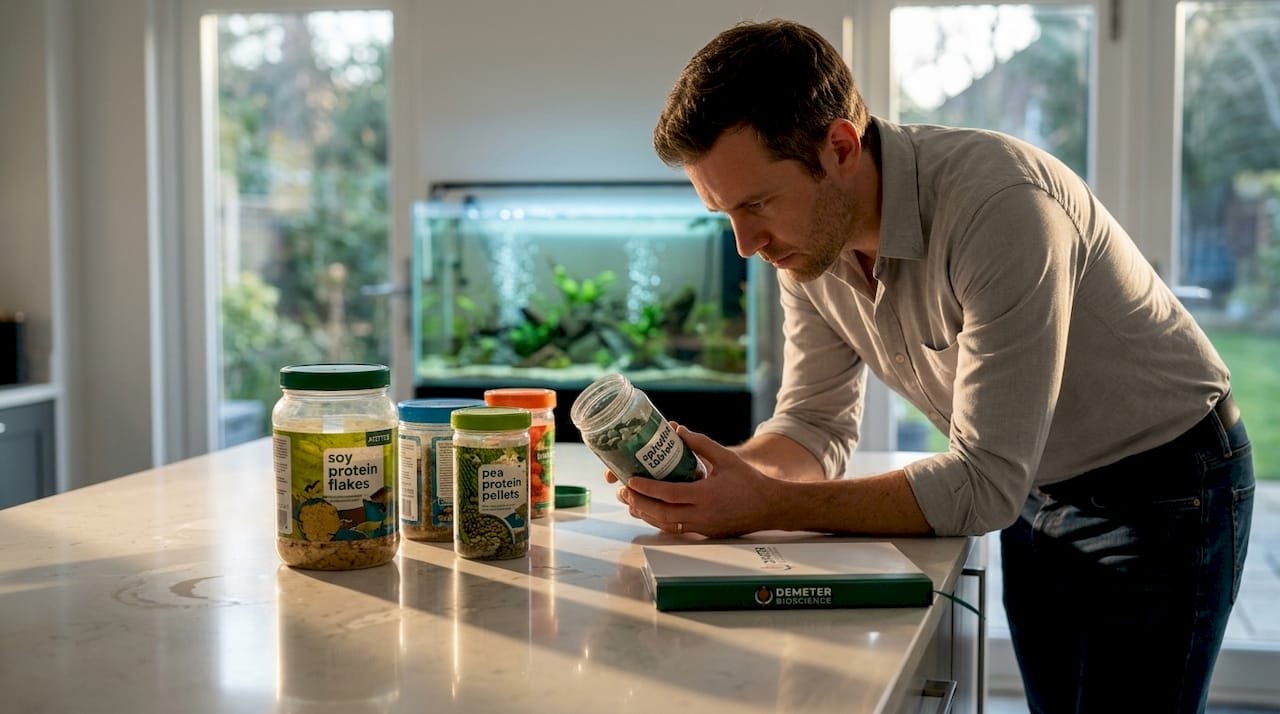
The nutritional picture is more complicated. Soy and pea proteins carry antinutritional factors that reduce digestibility in carnivorous fish unless properly processed. Fermentation and enzyme treatment significantly improve bioavailability, which is why the processing method listed on a product label matters as much as the ingredient itself.
For aquarium hobbyists, products combining plant protein with spirulina or chlorella give you the protein base plus pigment support for color enhancement. Spirulina-enriched pellets like those formulated with 45% protein and 31% spirulina demonstrate how plant-forward formulas can address digestion, immunity, and water quality simultaneously.
Understanding what plant protein means in practical nutrition terms helps you parse labels faster and avoid products where it is just a filler swap.
2. Microalgae and algal oil products
Microalgae occupy a unique position in marine life nutrition products: they sit at the base of the aquatic food chain, meaning fish evolved to use their nutrients efficiently. As a product category, algae appears in two main forms. First, whole microalgae used as feed (Spirulina, Chlorella, Dunaliella). Second, extracted algal oils providing concentrated omega-3 fatty acids.
The algal oil category has grown significantly in aquafeed as a direct substitute for fish oil. Atlantic salmon trials confirm that full replacement of fish oil by algal oil is viable with no adverse effects on growth or fillet quality. BioMar has sold over 4 million tonnes of feeds incorporating algal omega-3s, which signals this is no longer experimental technology.
One nuance practitioners should track: EPA and DHA ratios in algal oil products vary by strain and production method. Species-specific EPA:DHA optimization is an active area of formulation development, and selecting algal oil products that specify these ratios matters more for carnivorous marine species than for omnivorous freshwater fish.
The broader case for this category includes supply chain resilience. Algal oil production is not subject to wild fishery fluctuations, which means pricing and availability are more stable for aquaculture operators managing feed costs across seasons.
3. Insect-derived proteins and frass ingredients
Insect protein is now a mainstream category in sustainable aquaculture feed, with black soldier fly larvae (BSFL) and mealworms as the primary sources. Their profile is genuinely strong: high protein content (40 to 60%), meaningful fat content with functional fatty acids, and bioactive compounds including chitin that may support gut immunity.
The circular economy argument for insect ingredients is also credible. BSFL can be raised on organic waste streams, which means the feed input has a lower environmental cost than crops grown specifically for animal feed. Frass, the by-product left after larvae are processed, carries nutrients, chitin, and bioactives that make it a usable secondary ingredient rather than a disposal problem.
That said, this category requires scrutiny:
- Nutritional composition varies significantly based on rearing substrate
- Frass from different insect species shows different nutrient profiles
- Safety validation for contaminants is not yet standardized across producers
- Inclusion limits for some fish species still require species-specific trial data
Pro Tip: When evaluating insect-based fish feed products, ask suppliers for batch-specific nutritional analyses rather than relying on category averages. The substrate used to raise the larvae has a direct effect on the fatty acid and mineral content you actually receive.
4. Enzymatically hydrolyzed by-products
This is a category that does not get enough attention in hobbyist circles, though it is well established in commercial aquafeed. Hydrolyzed fish by-products are produced by using enzymes to break down low-value processing waste, including stickwater, offal, and trim, into highly digestible protein fractions.
The practical result is a protein source with excellent amino acid availability and palatability. Hydrolyzed fish stickwater and similar by-products increase growth rates and digestive enzyme activity in marine species when used as partial replacements for whole fishmeal or soybean meal.
From a sustainability standpoint, this category practices genuine circularity. It captures nutritional value from material that would otherwise be discarded, reducing waste in the seafood processing chain. Products in this category often appear as fish hydrolysate or fish peptides on ingredient labels.
5. Functional additive categories
Functional additives are a distinct product category, not just add-ons to other feeds. They serve specific health and performance goals that basic macronutrients do not address on their own. The main subcategories are probiotics, prebiotics, organic acids, antioxidants, and natural pigments.
Probiotics in fish feed colonize the gut microbiome, improving nutrient absorption and reducing pathogen susceptibility. Organic acids help maintain feed stability and reduce bacterial loads. Antioxidants such as astaxanthin serve double duty: they protect feed lipids from oxidation during storage and enhance coloration and immune function in fish.
Chitosan coatings represent an interesting functional category worth tracking. Chitosan-coated pellets show reduced water solubility and antifungal activity, which directly translates to less nutrient leaching in your tank and better water quality. The coating itself is derived from shrimp and crab shells, making it a by-product utilization story with a functional payoff.
6. Certified and traceable feed products
Certification is a product category in governance terms, not just a quality badge. When a feed carries ASC or BAP certification, it carries a verified supply chain history. Eco-friendly feed categories are best understood as supply chain governance categories as much as ingredient categories. This distinction matters because two products with similar ingredient lists can differ dramatically in how those ingredients were sourced, processed, and verified.
ASC's Feed Standard uses a progressive improvement model for marine ingredients, meaning certified products are held to improving benchmarks over time, not a static minimum. For practitioners managing sustainability reporting or ESG commitments, sourcing from certified mills provides documentation that holds up to external review. For hobbyists, it is the closest thing to verified transparency in a market crowded with vague "natural" claims.
7. Live and fresh natural feed categories
Live and fresh feeds are the oldest category in aquatic nutrition and arguably the most misunderstood. Wild-harvested brine shrimp, daphnia, and bloodworms are widely available, but their nutritional quality fluctuates with seasonal conditions, starvation periods in natural habitats, and collection methods.
Farmed live feeds solve this problem by controlling the feed chain from algae to shrimp. Farmed fish feed offers consistency that wild collection cannot match, particularly for protein content and omega-3 levels. When brine shrimp are cultured on high-quality microalgae like Dunaliella in controlled land-based systems, they deliver predictable nutritional profiles feeding session after feeding session.
This category also integrates well with the others. Live brine shrimp can serve as a nutrient vehicle, passing on the algae they consumed directly to your fish. It is a direct, short trophic chain with minimal processing and maximum nutrient retention.
8. Comparing categories: which one fits your needs
| Category | Protein quality | Sustainability footprint | Best use case | Relative cost |
|---|---|---|---|---|
| Plant-based protein | Moderate (needs processing) | Low impact on wild stocks | Omnivorous freshwater species | Low to moderate |
| Algae and algal oil | High EPA/DHA availability | Very low, no wild reliance | Marine species, reef tanks | Moderate to high |
| Insect protein | High, with bioactive chitin | Low with proper waste substrates | Most freshwater and some marine | Moderate |
| Hydrolyzed by-products | Very high digestibility | Circular, waste-valorizing | High-performance aquaculture | Moderate |
| Functional additives | Not a primary source | Low additive load | Health support, any system | Low per dose |
| Certified products | Verified ingredient quality | Third-party audited chain | Commercial operations, ESG buyers | Variable |
| Live farmed feed | High, consistent, species-matched | Land-based, closed-loop | Ornamental fish, larval stages | Moderate |
Combining categories consistently outperforms single-category approaches. A marine aquarium gets the most from algal oil or live algae-fed brine shrimp as the omega-3 base, a certified plant-protein pellet for daily feeding, and a probiotic functional additive to support gut health. Nutritional quality affects growth rate in ways that single-ingredient swaps rarely capture, which is why building a varied diet from complementary categories produces better outcomes.
My honest take after working in this space
I have watched hobbyists and practitioners alike get tripped up by the same mistake: selecting a product because of one impressive number on the label, a 45% protein claim or a "100% sustainable" badge, without checking what the rest of the formula actually does. In my experience, the products that deliver results over months and years are built on a combination of categories, not a single standout ingredient.
The transition to genuinely green fish nutrition solutions takes patience. I changed my own feeding protocols for brine shrimp-raised fish and went through a period of comparing results before I trusted the data. What I found is that farmed live feeds raised on controlled algae diets outperformed wild-collected alternatives consistently, not occasionally.
I have also come to see certification as undervalued by hobbyists who assume it only matters at commercial scale. Checking whether a product's supplier holds current ASC or BAP credentials takes three minutes and tells you more than any marketing copy. It is not about perfection in the supply chain. It is about verified accountability.
The ingredient categories that surprised me most were the hydrolyzed by-products and functional additives. Neither looks exciting on a bag, but both show up clearly in fish health, behavior, and water quality over time. The visible stuff, color, activity, feeding response, follows from getting those foundations right.
— Demeter
See these categories in action with Demeterbioscience
Demeterbioscience puts several of these categories into practice in a single product line. Their land-based, organic brine shrimp are cultivated exclusively on the microalgae Dunaliella, delivering a guaranteed minimum of 40% protein with consistent EPA and DHA levels that wild-harvested alternatives simply cannot replicate batch to batch.
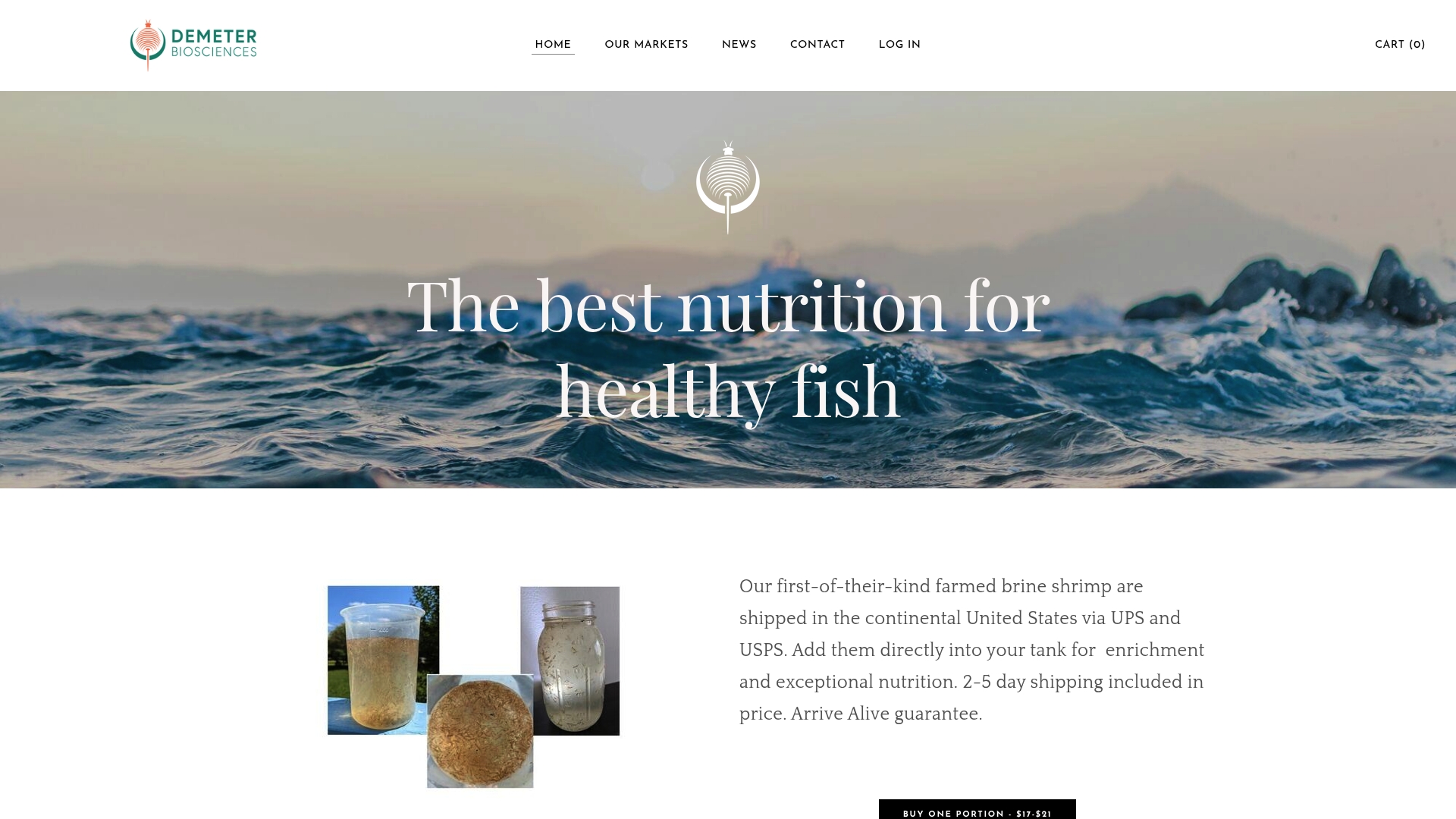
For aquaculture practitioners and hobbyists who want the live feed and algae-based nutrition categories working together, their algal nutrition products and live brine shrimp ship direct to your door with subscription options for consistent supply. If you are building out a more complete eco-conscious feeding protocol, their fish meal products round out the protein sourcing side. Reach out through the Demeterbioscience contact page to discuss bulk options or get tailored feeding recommendations for your system.
FAQ
What are the main eco friendly fish nutrition product categories?
The primary categories are plant-based proteins, microalgae and algal oils, insect-derived proteins, enzymatically hydrolyzed by-products, functional additives, certified traceable feeds, and farmed live feeds. Each serves different fish species, tank types, and sustainability goals.
Is algal oil a proven replacement for fish oil in aquaculture feeds?
Yes. Atlantic salmon trials and commercial-scale use by major feed producers confirm that algal oil fully replaces fish oil with no adverse effects on fish growth or fillet quality, provided EPA and DHA ratios are matched to species requirements.
How do ASC and BAP certifications differ?
Both are third-party audited standards covering environmental responsibility and feed ingredient sourcing. ASC's Feed Standard focuses specifically on marine ingredient improvement and supply chain traceability, while BAP covers a broader set of aquaculture practices including social and food safety criteria.
Are insect protein products safe for aquarium fish?
Insect protein products from reputable suppliers are safe, but nutritional composition varies by production substrate. Always request batch-level nutritional data and start with lower inclusion rates before scaling up in a home or commercial system.
Why do farmed live feeds outperform wild-harvested ones nutritionally?
Farmed live feeds like brine shrimp raised on controlled microalgae diets deliver consistent protein content and omega-3 levels. Wild-harvested brine shrimp go through starvation periods in natural ecosystems, which depletes their nutritional value in ways that batch-to-batch testing confirms.