
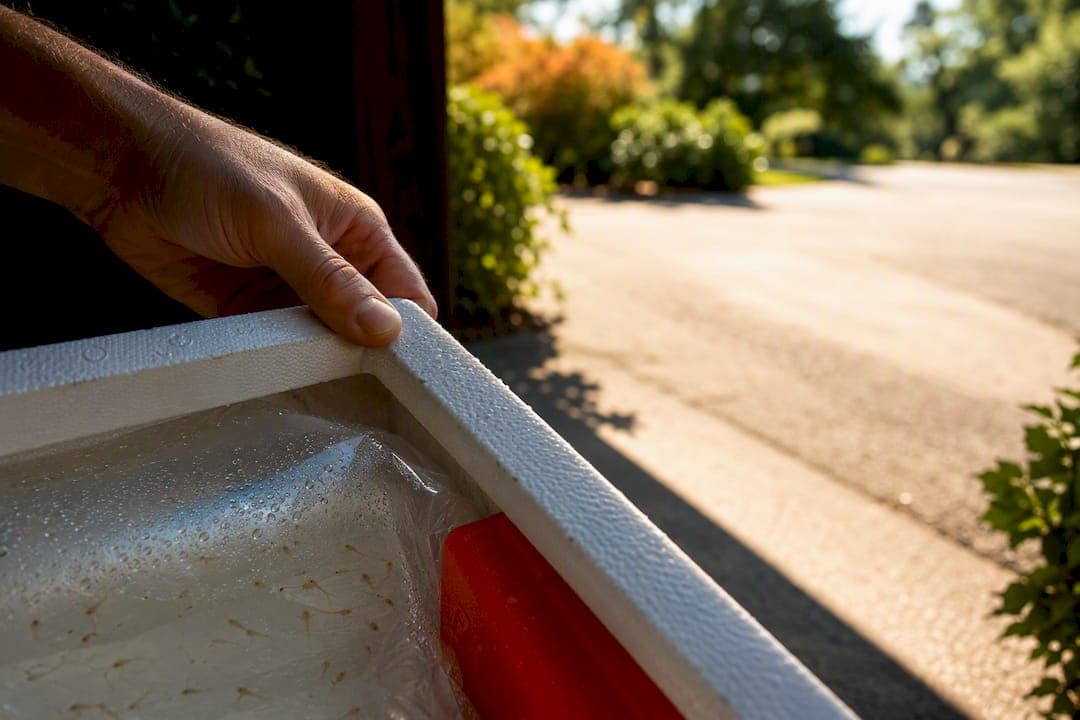
Live brine shrimp can die in summer transit, but the risk is manageable: dry cysts shrug off heat, while hydrated and live stages cannot survive sustained exposure above roughly 86°F to 95°F. The single most effective fix is the shortest possible cool-controlled transit, meaning overnight shipping with proper insulation. The company builds its shipping schedule around exactly that constraint.
TL;DR:
- Brine shrimp's survival during shipping is highly dependent on maintaining temperatures below 86°F to 95°F, especially for live nauplii and adults, to prevent significant mortality.
- Using insulated packaging, cold packs, and overnight shipping significantly reduces heat exposure risks during summer transit, with extended heat exposure sharply decreasing survival chances.
- Dry cysts are heat-tolerant and can handle temperature extremes, but once hydrated, they become as heat-sensitive as live shrimp, requiring careful temperature control.
- Shipping in summer should be scheduled early in the week, with gradual water cooling and reduced biomass to improve outcomes, especially for shipments lasting longer than overnight.
- Delaying shipments during heatwaves or days with temperatures above 95°F is safer than risking high mortality, with coordinated delivery and temperature monitoring crucial for success.
Table of Contents
- How heat changes brine shrimp survival during shipping
- Summer shipping checklist for senders before you pack
- Packaging and temperature control choices for hot weather
- Realistic survival windows once summer heat is in play
- What to do when shrimp arrive warm or stressed
- Why farmed, microalgae-fed brine shrimp reduce shipping surprises
- When to delay a shipment instead of risking it
- Getting live brine shrimp to your door without the summer gamble
- Sources
- FAQ
How heat changes brine shrimp survival during shipping
Brine shrimp are cold-blooded, so their body temperature tracks the water around them. As that water warms, metabolism speeds up, oxygen demand climbs, and waste products accumulate faster in a sealed bag with no filtration. That combination is what actually kills shrimp in transit, not heat alone.
Research on Artemia sinica found that adult survival and growth peak between 20°C and 30°C, or 68°F to 86°F, with survival dropping sharply once temperatures push past 30 to 35°C (86 to 95°F). Sustained exposure in that upper zone can cause significant mortality, which is exactly the range a shipping box can hit sitting on a truck or a loading dock in July.
Dry cysts are a different story. They tolerate extreme temperature swings in their dormant state, but once hydrated they lose that protection and become just as heat-sensitive as live nauplii and adults, according to Artemia production research from Texas A&M's extension service. That distinction should drive every shipping decision you make.
- Dry cysts: Withstand heat and cold extremes without special handling.
- Hydrated or live shrimp: Require temperature control from the moment they're packed.
- Overnight shipments: Give you the best odds of staying inside a safe range.
- Multi-day shipments: Multiply the chance of a heat excursion at some point in transit.
Survival drops sharply above 86 to 95°F for adult Artemia held at sustained high temperatures. (MDPI, 2024) That threshold is the number to build your entire summer shipping plan around.
Summer shipping checklist for senders before you pack
Getting live brine shrimp through a hot summer shipment comes down to a handful of decisions made before the box ever leaves your hands.
- Pick Monday or Tuesday for shipping so the package never sits in a warehouse over a weekend; our overnight shipping scheduling guide walks through why day-of-week matters as much as speed.
- Choose overnight or next-day air over ground shipping whenever ambient temperatures exceed 80°F.
- Cool the water gradually before packing, since a sudden temperature drop can shock the shrimp as badly as heat can.
- Reduce biomass per bag so oxygen depletion and ammonia buildup happen more slowly.
- Fill bags with oxygen instead of air to extend the safe window if transit runs longer than expected.
- Size gel packs to the box, place them against the inner wall rather than directly against the bag, and separate them with a layer of insulation or paper so the shrimp never touch the pack directly.
- Double-bag every shipment and orient the box so bags stay upright.
- Label the box "Live Animals" and "This Side Up", and confirm the receiver will be home to open it the moment it arrives.
Pro Tip: Text or call your recipient the morning of delivery so the box never sits on a porch in direct sun.
Packaging and temperature control choices for hot weather
The container and pack combination you choose determines how long shrimp stay in a safe range once they leave a climate-controlled space. Extension guidance on shipping live aquatic animals in boxes emphasizes that insulated packaging and correctly sized cold packs are what actually hold the line against outside heat, not the shipping speed alone.
- EPS foam coolers are lightweight, cheap, and provide solid insulation, though they crush easily and offer no help once the interior warms up.
- Reusable hard-sided coolers hold temperature longer and survive rough handling, but add weight and cost to every shipment.
- Insulated foil liners are a middle ground: light enough for standard boxes, better than foam alone, but weaker than a hard cooler on multi-day routes.
- Gel or cold packs rely on phase-change materials that hold a steady temperature for a set number of hours, and the same extension guidance notes that runtime varies from roughly 8 to 100 hours depending on the pack type, box volume, and how much liquid is inside. Placing a pack directly against a shrimp bag risks localized chilling and thermal shock, so a barrier layer matters as much as the pack itself.
- Oxygen-filled bags buy extra time on longer routes, while waterless methods used for some warm-water crustaceans exist but come with their own handling requirements and aren't a drop-in substitute for standard bagged shipping.
Realistic survival windows once summer heat is in play
Under controlled conditions, live brine shrimp generally tolerate overnight shipping well, and even a 24 to 48 hour window can work if temperature stays inside the safe band. The problem is that summer heat narrows that window fast.
Sustained temperatures above 86 to 95°F significantly reduce Artemia survival. (MDPI, 2024) A single hot layover, a delivery truck without climate control, or a box left on an asphalt loading dock can push a shipment into that danger zone even if the total transit time looks fine on paper. Carrier handling, not just the calendar, is often the deciding factor in whether a summer shipment arrives alive.

What to do when shrimp arrive warm or stressed
A warm, sluggish shipment doesn't mean a total loss. What you do in the first few minutes after opening the box matters more than anything that happened in transit.
- Check the water temperature against room temperature before doing anything else.
- Look for movement, since even slow swimming is a better sign than shrimp sitting motionless on the bottom.
- Smell for ammonia and check for cloudiness, both signs of waste buildup during a long or hot transit.
- Acclimate gradually by floating the sealed bag in your tank or holding container for 15 to 20 minutes before mixing water.
- Add gentle aeration rather than a strong air stone, which can stress already-weakened shrimp.
- Cull anything unresponsive and dispose of it away from your holding system to avoid contaminating healthy stock.
Pro Tip: Hold survivors in a separate container for a few hours before adding them to a main tank, so any hidden die-off doesn't foul water you're already using. Our storage and aeration guide covers how to hold shrimp for 48 to 72 hours if you're not feeding them out right away.
Why farmed, microalgae-fed brine shrimp reduce shipping surprises
Demeter Biosciences raises brine shrimp in land-based, controlled systems fed exclusively on the microalgae Dunaliella, which means the animals going into a box are healthier and more consistent than shrimp pulled from a wild, seasonally variable environment. That consistency matters in summer, when there's no room for animals that were already stressed before shipping even started.
Because harvest and conditioning happen on a predictable schedule, shipments can be timed around the shipping days least likely to sit in summer heat, the same logic behind our temperature range guidance for hobbyists on holding shrimp at 68 to 74°F.

When to delay a shipment instead of risking it
If daytime highs along a shipping route sit above 95°F for more than a day, delaying is smarter than hoping the cooler holds. A short checklist helps: confirm overnight transit, confirm insulation and pack placement, confirm the receiver is available. Scheduled deliveries beat rushed ones every time a heatwave is in the forecast, and coordination between sender and receiver closes most of the remaining risk.
— Demeter
Getting live brine shrimp to your door without the summer gamble
Ordering through a Demeter Biosciences membership puts your shipments on a predictable monthly schedule instead of a one-off order timed around whatever the weather happens to be doing.
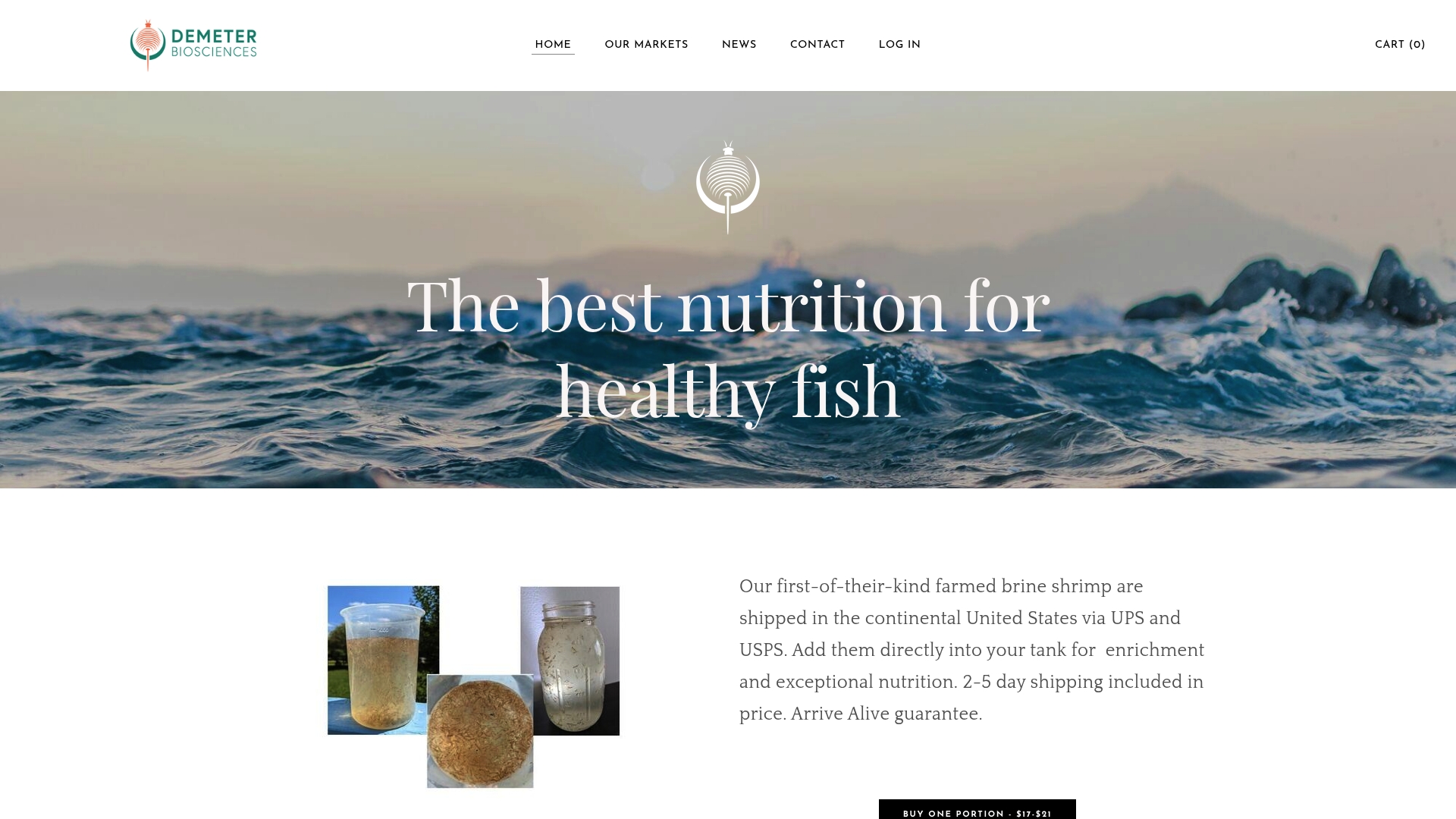
Farm-sourced, microalgae-fed shrimp arrive conditioned and ready to ship the moment a route looks safe, whether you're stocking a home tank or placing a bulk order for a store or institution. Visit our live brine shrimp page to see current shipping availability.
Sources
- Effects of Temperature and Salinity on the Growth, Reproduction, and Carotenoid Accumulation in Artemia sinica and Transcriptome Analysis
- Artemia production for marine larval fish culture (SRAC publication)
- Shipping Fish in Boxes (SRAC / Mississippi State extension)
FAQ
What is the temperature tolerance of brine shrimp?
Adult brine shrimp generally survive best between 68°F and 86°F, with growth and survival dropping sharply once temperatures pass 86 to 95°F for sustained periods. Dry cysts tolerate far wider extremes than hydrated or live shrimp.
How long can shrimp live in shipping?
Live brine shrimp typically handle overnight shipping well, and controlled 24 to 48 hour windows can work if temperature stays in a safe range throughout transit. Heat exposure, rough handling, and long layovers all shorten that window regardless of the total time in the box.
Will brine shrimp hatch in 70 degree water?
Hatching is aided by warmer conditions, with temperatures above about 77°F generally producing better hatch rates. Water at 70°F sits below that range, so hatching tends to be slower and less consistent.
Can shrimp live in 72 degree water?
Yes, 72°F falls within the range where adult brine shrimp generally survive well, sitting near the lower end of the 68°F to 86°F band linked to good survival. It's also close to the 68 to 74°F holding range recommended for hobbyists keeping shrimp before feeding them out.