
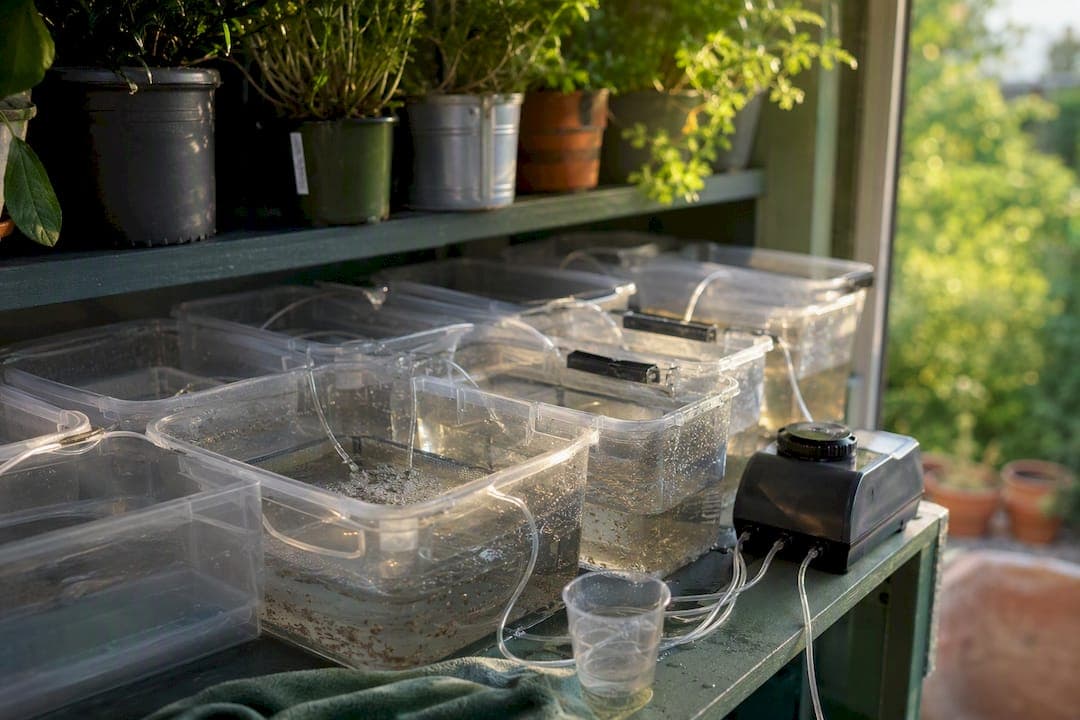
Yes, quarantine any live food that you didn't culture yourself under conditions you controlled and verified. The moment a batch of brine shrimp, worms, or feeder fish arrives from a retail source, isolate it in a dedicated container with gentle aeration, and label it with the date and origin before it goes anywhere near your display tank. This matters for two reasons: it catches parasites and bacteria before they reach fish you actually care about, and it protects the biological balance you've spent months building.
Key Takeaways
Quarantining live food for four to eight weeks with dedicated, separated equipment is the single most reliable safeguard against introducing parasites or bacteria into a display tank.
| Point | Details |
|---|---|
| Quarantine everything non-home-cultured | Isolate any retail or wild-sourced live food in a separate, aerated container before it reaches your display tank. |
| Match protocol to species risk | Feeder fish and wild shellfish need the longest holding periods; home-hatched brine shrimp need the least. |
| Keep equipment fully separate | Dedicated nets, pumps, and buckets prevent the most common cause of accidental cross-contamination. |
| Use acceptance criteria, not guesswork | Stable populations, normal behavior, clear water, and a symptom-free buffer decide when a batch is safe to feed. |
| Farmed, algae-fed sources cut variability | Demeter Biosciences' land-based, Dunaliella-fed brine shrimp reduce nutritional swings and pathogen exposure versus wild-harvested feeds, though quarantine is still recommended. |
Table of Contents
- Before You Feed: A Quick Checklist For Every Live Feed Batch
- How Do You Quarantine Different Types of Live Food?
- What Equipment Do You Need for Live Food Quarantine?
- How Long Should You Quarantine Live Food?
- What Health Risks Do Live Foods Carry?
- How Do You Prevent Cross-Contamination Between Batches?
- Why Farmed, Microalgae-Fed Brine Shrimp Lower Quarantine Risk
- How Does Enrichment Improve the Safety and Nutrition of Live Food?
- What Water Parameters Should You Track During Quarantine?
- What's the Right Way to Feed Live Food During Quarantine?
- How Demeter Biosciences Fits This Quarantine Workflow
- Sources
Before You Feed: A Quick Checklist For Every Live Feed Batch
Run this before any batch touches your main tank. Skipping steps here is how outbreaks start.
- Inspect the source packaging and water clarity for anything unusual (cloudiness, dead individuals, floating debris).
- Check for gross signs of illness: lesions, erratic swimming, unusual color, or lethargy in feeder fish and shrimp.
- Confirm a separate quarantine container is ready and aerated before the batch arrives.
- Set aside dedicated nets, cups, and tools that never touch your display tank.
- Label the container immediately with species, source, and date received.
Pro Tip: Keep a simple log, even a sticky note taped to the container, tracking date received, source, and any early observations. When something goes wrong three weeks later, that log is the only thing that tells you which batch caused it.
If the water smells foul or carries heavy sediment on arrival, discard the batch rather than attempting to quarantine it. That's not a batch worth the risk.
How Do You Quarantine Different Types of Live Food?
Every live food carries a different risk profile, and the protocol should match it. Common feeder organisms range from crustaceans and rotifers to worms and feeder fish, and each demands its own handling.
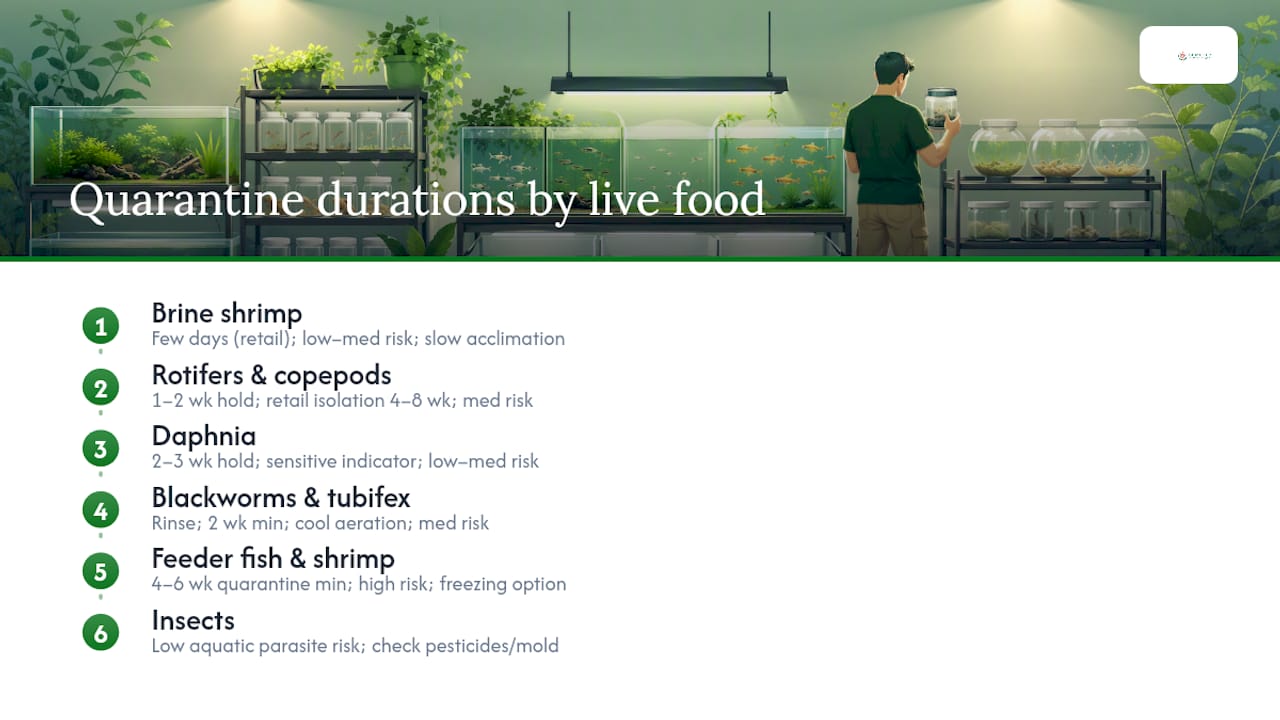
Brine shrimp (Artemia): Low to medium risk. Home-hatched brine shrimp from clean, dry cysts carry minimal risk since you control the entire cycle. Retail live brine shrimp needs a short holding period, usually a few days in aerated saltwater matched to shipping salinity, to check for die-off or cloudiness before feeding. Acclimate salinity slowly if your source water differs from your tank's.
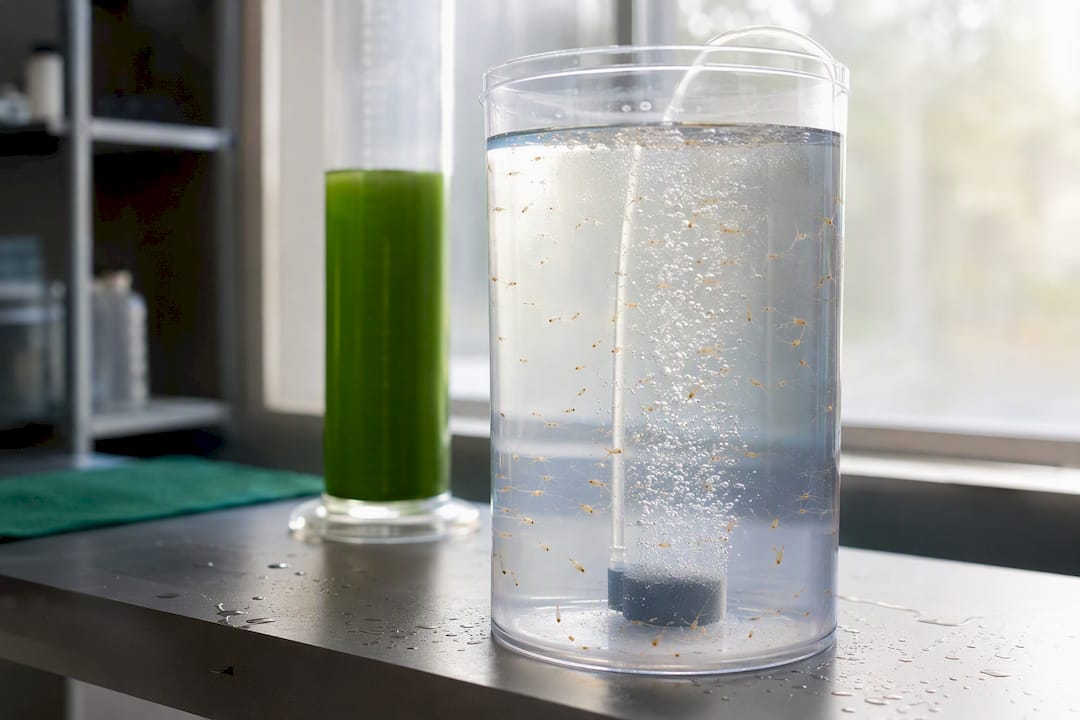
Rotifers and copepods: Medium risk, especially from retail cultures. Hold in aerated containers for one to two weeks, watching for population crashes, which often signal contamination. Isolation periods for these cultures commonly run four to eight weeks when sourced retail, since latent issues take time to surface.
Daphnia: Low to medium risk. Daphnia are sensitive bioindicators. A crash within days of arrival usually means poor water quality traveled with them. Two to three weeks of observation in a separate container is typically enough.
Blackworms and tubifex worms: Medium risk. Rinse thoroughly before quarantine, hold in shallow, cool, well-aerated water, and watch for a foul ammonia smell, which signals decay. Two weeks is a reasonable minimum.
Feeder fish and feeder shrimp: High risk. These carry the highest parasite and bacterial load of any live feed category, partly because they're often mass-farmed in crowded, low-oversight conditions. Quarantine four to six weeks minimum. Freezing (for shrimp) is a practical option some keepers use to sidestep live parasites entirely, though it sacrifices some nutritional value.
Insects (crickets, mealworms, waxworms): Low risk for aquatic parasites but check for pesticide exposure or mold if home-raised versus store-bought.
Label every batch with species, source, date, and any observations, so a problem three weeks in traces back to a specific shipment.
What Equipment Do You Need for Live Food Quarantine?
You don't need a filtration system or a cycled tank. You need consistency and separation.
- A dedicated container. A 5-gallon container is a commonly recommended size because it's easy to clean, easy to monitor, and large enough to buffer sudden parameter swings.
- A separate air pump and airline that never connects to your display tank's system.
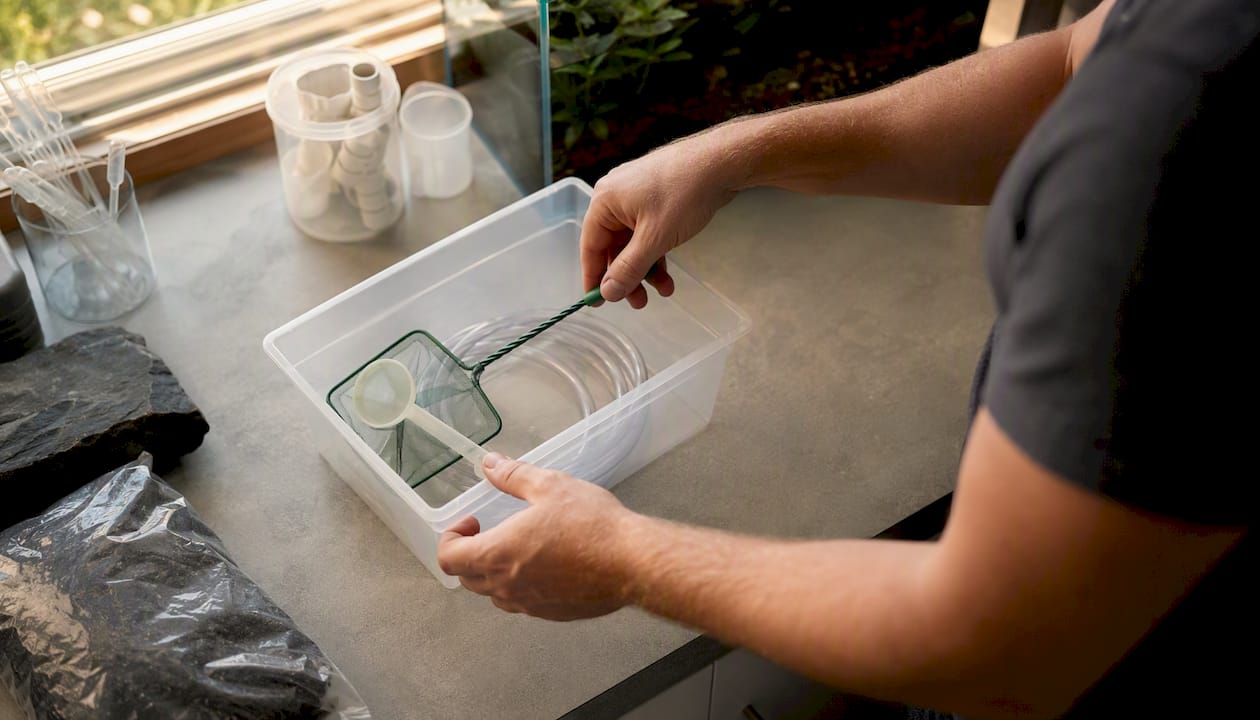
- A fine mesh harvest net used only for quarantine work.
- A basic thermometer and water-test strips for quick daily checks.
| Feed group | Temperature range | Salinity notes |
|---|---|---|
| Freshwater zooplankton (Daphnia, rotifers) | 65-75°F | Freshwater, no salinity adjustment needed |
| Marine brine shrimp | 70-80°F | Match shipping salinity, then acclimate slowly to tank levels |
| Feeder fish and feeder shrimp | 70°F | Freshwater or brackish depending on species; verify against source |
Maintenance stays simple: gentle aeration around the clock, small daily top-offs rather than full water changes, and only add a sponge filter if the batch will sit longer than a week. Most quarantine windows are short enough that they don't need it.
Pro Tip: Store quarantine gear in its own bin, physically separate from display tank supplies. The single most common way hobbyists accidentally contaminate a display tank is grabbing "the net" without checking which net it is.
How Long Should You Quarantine Live Food?
Retail-sourced cultures need longer observation than anything you culture at home, since you have no visibility into how they were handled before they reached you. A conservative approach holds most retail batches for four to eight weeks, giving latent bacterial or parasitic issues time to become visible, a range echoed in quarantine guidance for copepods and Daphnia cultures.
A batch is safe to feed when it clears all of the following:
- The population is stable or growing, not crashing.
- Activity and swimming behavior look normal for the species.
- Water stays reasonably clear between top-offs, with no ammonia smell.
- No visible parasites, spots, or lesions on feeder fish or shrimp.
- At least several symptom-free days have passed since any issue was noticed or treated, as a buffer before you trust the batch.
Check daily: quick visual scan, a temperature reading, and a note in your log if anything looks different from the day before. That five-minute habit is what catches problems while they're still small.
What Health Risks Do Live Foods Carry?
The biggest threats aren't exotic. They're the ordinary hazards that show up whenever live organisms travel through unregulated supply chains, and wild-caught or unregulated live food sources are the most common origin point.
- Gram-negative bacteria (Vibrio and relatives): Common in wild-harvested shrimp and filter-feeding shellfish. Isolate immediately on suspicion; there's rarely a safe treatment for feed-grade batches, so discard if symptoms appear.
- Protozoa and external parasites: Show up as spots, cloudy eyes, or erratic behavior in feeder fish. Extend the observation window rather than treating, since most anti-parasitic medications leave residues you don't want in your display tank.
- Pest invertebrates (hydra, planaria, unwanted snails): Usually hitch a ride in worm or Daphnia cultures. A partial water change plus manual removal often solves it, but a heavy infestation means starting over with a fresh source.
- Ammonia spikes from decaying biomass: Dead individuals in a dense culture rot fast. Small, frequent water changes prevent this from becoming a crisis.
When in doubt, discard rather than treat. A feed batch is not worth risking your display tank over, and aggressive chemical treatments rarely belong anywhere near something you're about to feed to fish.
How Do You Prevent Cross-Contamination Between Batches?
Separation is the whole game. Dedicated nets, buckets, and siphons for quarantine work should never touch your display tank, and washing your hands between handling different batches takes ten seconds and prevents most transfer risk.
For disinfecting containers between uses, hobbyists generally rely on a contact-time approach: a diluted disinfectant solution left to sit for the recommended contact period, followed by a thorough rinse and full air-dry before reuse. Skipping the air-dry step is a common shortcut that undermines the whole process.
When a batch fails quarantine, discard the organisms and the water down a drain away from any tank plumbing, and disinfect the container fully before the next use. Don't dump contaminated water near sumps or nearby tanks.
Why Farmed, Microalgae-Fed Brine Shrimp Lower Quarantine Risk
Wild-harvested brine shrimp come from seasonal salt lakes where nutrition and exposure to pathogens swing constantly. Controlled, land-based rearing removes that variability, and enrichment research on live food confirms that feeding cultures a consistent microalgae diet raises protein and HUFA content while narrowing the nutritional gaps that wild sourcing leaves behind.
- Demeter Biosciences raises brine shrimp exclusively on the microalgae Dunaliella, in enclosed, land-based systems, aiming for at least 40% protein content batch after batch.
- That controlled diet, detailed further in this breakdown of microalgae types fed to brine shrimp, removes the starvation cycles and pathogen exposure common in wild salt-lake harvests.
- Practitioner reviews on bioencapsulation support the idea that microalgae-fed live food carries a lower health burden for the receiving tank than lower-quality alternatives.
Pro Tip: Farmed, algae-fed brine shrimp still deserve a quarantine check, but the expected failure rate runs lower than with wild-harvested batches. A shorter inspection window, a few days rather than weeks, is often reasonable once you've built a track record with a consistent supplier.
How Does Enrichment Improve the Safety and Nutrition of Live Food?
Enrichment, often called bioencapsulation, means loading a live food organism with nutrients before it gets eaten, turning the prey into a nutrient-delivery vehicle rather than just calories. Artemia and rotifers don't naturally carry high levels of docosahexaenoic acid (DHA) or eicosapentaenoic acid (EPA), the long-chain fatty acids fish larvae and many adult species need for proper development.
Practical enrichment feeds these organisms a microalgae paste or a commercial emulsion for several hours before harvest, letting the live food absorb and hold those nutrients in its gut and tissue. Research on enhancing live food nutritional status shows this method can bring Artemia and rotifer HUFA ratios close to what copepods provide naturally, closing a nutritional gap that plain, unenriched brine shrimp leave open.
Some enrichment protocols add probiotics to shift the live food's own gut microbiota toward beneficial strains, which theoretically reduces the pathogen load passed on when the prey is eaten. That's a promising direction, but it's not a substitute for quarantine. Enrichment improves nutritional quality; it does nothing to guarantee a culture is free of parasites or harmful bacteria picked up during shipping or storage.
The safety angle matters as much as the nutrition angle. A batch that's been enriched with a clean, consistent microalgae source carries less nutritional variability than a wild-harvested batch that might be starving one week and gorged the next. Consistency itself is a form of risk reduction, since sudden nutritional swings stress fish immune systems and make them more vulnerable to whatever pathogens do slip through.
What Water Parameters Should You Track During Quarantine?
Water quality drifts fast in a small, densely stocked quarantine container, faster than most keepers expect from something that isn't even a "real" tank. Three numbers matter most: temperature, pH, and dissolved oxygen.
Temperature swings stress live food the same way they stress fish. Most freshwater zooplankton (Daphnia, rotifers) tolerate 65 to 75°F, while marine brine shrimp and many feeder fish prefer a slightly warmer 70 to 80°F range. Check with a basic aquarium thermometer once or twice daily. A sudden two or three degree shift, especially in a small container without a heater, can trigger a population crash overnight.
pH matters more for crustaceans and worms than for hardy feeder fish, since organisms like Daphnia and blackworms are sensitive to acidic swings caused by decaying waste. Test strips give you a fast enough read for quarantine purposes. You're not aiming for precision here, just watching for a downward trend that signals the water is souring.
Oxygen levels are the one parameter that fails silently. A quarantine container is almost always more densely stocked, pound for pound, than your display tank, and gentle, continuous aeration is non-negotiable. Watch for organisms clustering at the surface or air pump lines that have quietly clogged; that's often the first visible sign oxygen has dropped. A cheap air pump running around the clock solves this for less than the cost of a single lost batch.
What's the Right Way to Feed Live Food During Quarantine?
Feeding practices inside the quarantine container directly affect how clean that batch stays, and sloppy feeding is one of the fastest ways to turn a healthy culture into a contaminated one.
Feed quarantined organisms modestly and match their metabolism. Overfeeding rotifers, Daphnia, or feeder fish inside a small container leads to uneaten food rotting on the bottom, which spikes ammonia and creates exactly the bacterial bloom you're trying to screen out. For brine shrimp and zooplankton, a light dusting of algae paste or micro-feed once or twice daily is usually enough; for feeder fish, small portions of a quality flake or pellet, only what clears within a couple of minutes.
Never use tools from your display tank to add food to a quarantine container. A shared feeding cup or siphon is one of the most common ways cross-contamination happens, since it's easy to forget which cup touched which water. Keep a separate, labeled feeding scoop dedicated to quarantine work.
If you're enriching brine shrimp or rotifers before they go into quarantine (loading them with microalgae or an emulsion), do that enrichment step in a separate vessel first, then transfer the enriched batch into quarantine for the observation window. Mixing enrichment and quarantine in the same container makes it harder to tell whether a water quality problem came from the enrichment feed or from the organisms themselves.
Track feeding in your batch log too. Note what you fed, how much, and whether uneaten food accumulated. That detail, paired with your daily temperature and behavior notes, gives you a complete picture if something goes wrong two weeks in.
A Hobbyist's Lesson in Patience
I once skipped quarantine on a "trusted" retail brine shrimp batch to save time. Three days later, half my display fish showed stress. Now that two-week buffer isn't optional, it's insurance.
How Demeter Biosciences Fits This Quarantine Workflow
Farmed, microalgae-fed brine shrimp remove a lot of the guesswork from sourcing. Because Demeter Biosciences raises its shrimp in controlled, land-based systems on a consistent Dunaliella diet, you're not dealing with the seasonal starvation cycles or unpredictable pathogen exposure that come with wild-harvested batches, and that consistency is exactly what shortens your quarantine risk profile.
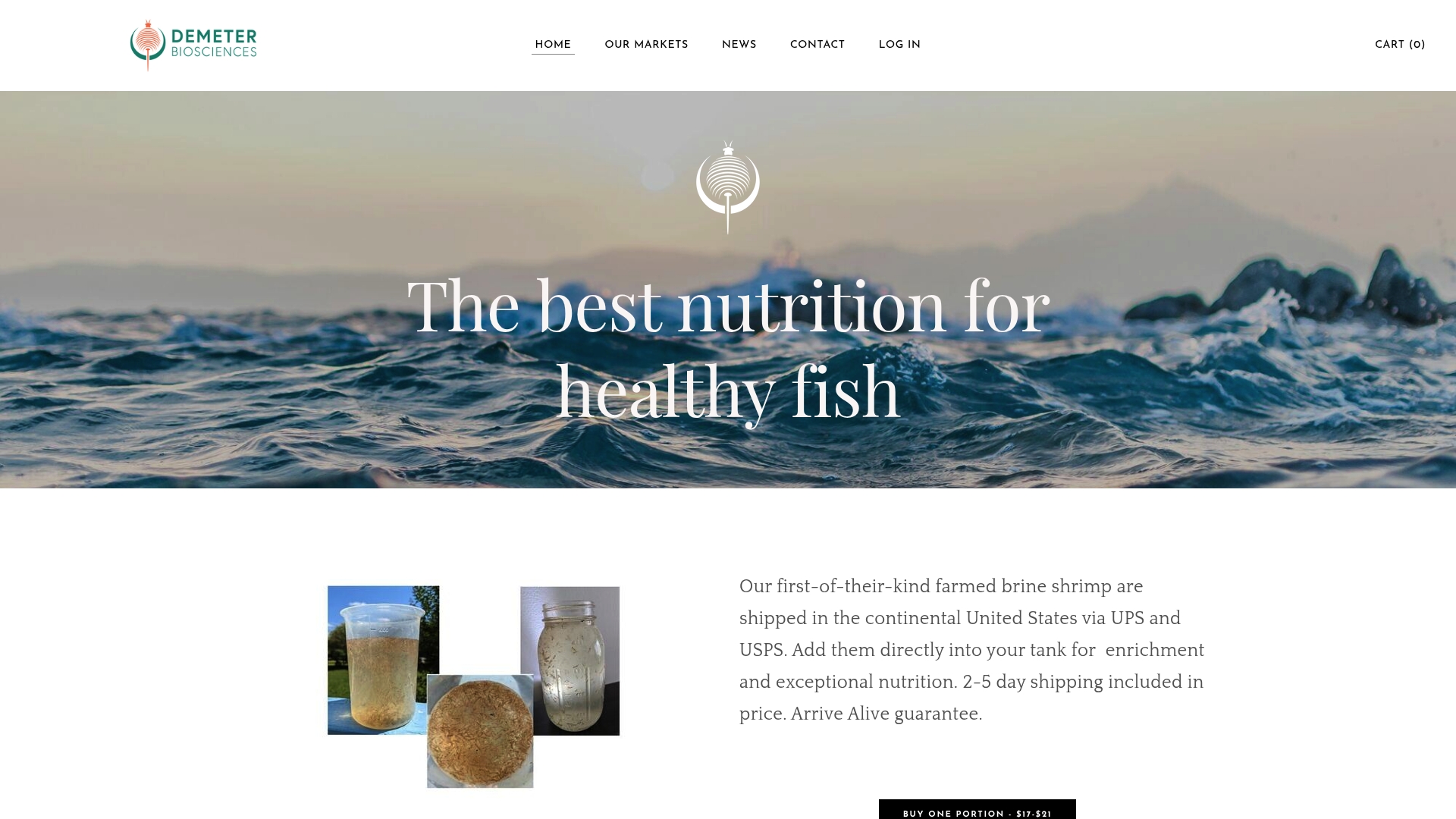
That doesn't mean skipping quarantine. Even a low-variability, farmed source deserves the same inspection and short holding period outlined above, just with a lower expected failure rate. Demeter ships live brine shrimp directly to hobbyists in ready-to-quarantine batches, and offers subscription plans for keepers who feed regularly and want that same consistent supply on a schedule. Local fish stores, museums, and research operations needing larger volumes can look at bulk ordering options or reach out directly to discuss custom volumes. Order your first batch, run it through the checklist above, and see how much shorter that observation window feels with a controlled source behind it.
Sources
- Saltwaterfish
- Copepodsforsale
- Enhancement of live food nutritional status with essential nutrients for improving aquatic animal health — MDPI (Animals)
- Practitioner and academic review on live food enrichment and feeding strategies — PMC
- Benefits of feeding live food to your fish (vet-reviewed) — Dial A Vet