
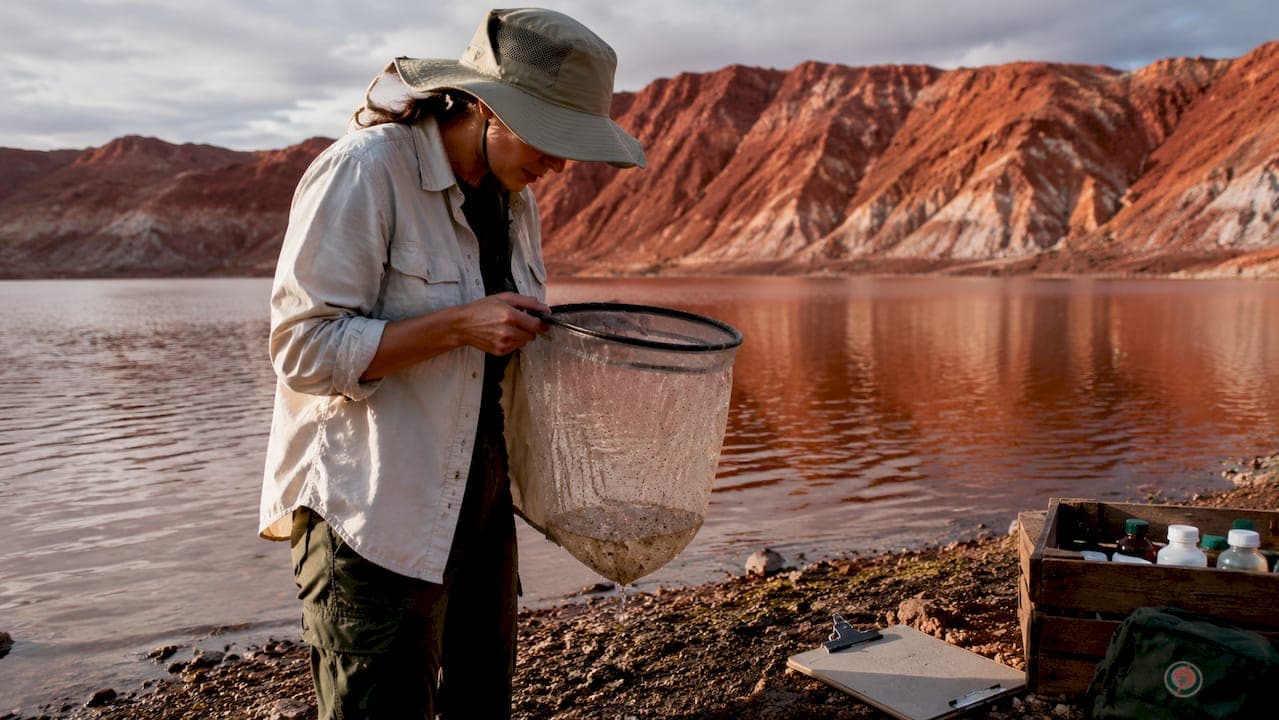
Wild-harvested brine shrimp are unsustainable because their natural hypersaline lake habitats are ecologically fragile and increasingly compromised by overharvesting, climate change, and water diversion. The Great Salt Lake alone supplies 40% to 50% of the world's brine shrimp cysts, yet it is in active ecological crisis. Global aquaculture demand for Artemia cysts has reached roughly 800 tonnes annually, representing about 40% of early-stage aquaculture feed. That demand is colliding with shrinking lake volumes, rising salinity, and genetic disruption from intensive harvesting. The result is a supply system that cannot hold.
Why wild-harvested brine shrimp are unsustainable: the core problem
Wild brine shrimp harvesting is formally classified as an extractive industry operating within fragile hypersaline lake ecosystems. These lakes, including the Great Salt Lake in Utah, Lake Urmia in Iran, Aibi Lake in China, and Bolshoye Yarovoye in Siberia, are not renewable resource pools in any practical sense. They are closed or semi-closed systems with narrow ecological tolerances. When harvesting pressure exceeds the ecosystem's recovery rate, the damage compounds rather than reverses.
Aquaculture's growing demand paradoxically endangers the very ecosystems providing wild brine shrimp. The industry depends on a resource it is actively degrading. This is not a future risk. It is the current operating condition for every hatchery sourcing wild cysts in 2026.
What environmental factors threaten wild brine shrimp habitats?
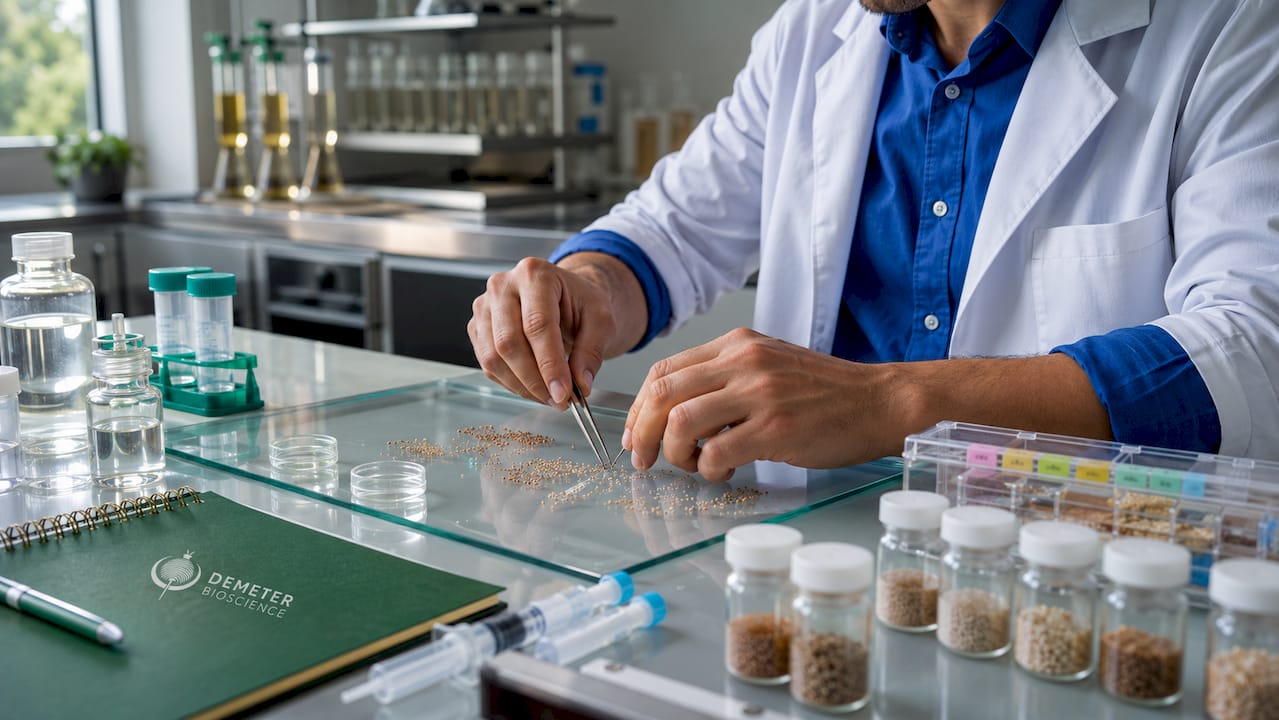
The Great Salt Lake has lost a significant portion of its surface area due to upstream water diversion for agriculture and municipal use. Shrinking water volume concentrates salinity beyond the tolerance range that supports healthy Artemia franciscana reproduction. At extreme salinity, adult shrimp survive but cyst production drops sharply. That directly cuts the supply available for commercial harvest.
"Hypersaline lakes are among the most vulnerable ecosystems on Earth. Climate change, mineral extraction, and water diversion are pushing them toward a tipping point from which recovery may not be possible." — CABI Compendium on Artemia
Climate change intensifies every existing pressure. Higher evaporation rates accelerate water loss. Reduced snowpack in the Wasatch Range cuts freshwater inflow to the Great Salt Lake. Experts warn of potential ecosystem collapse that would eliminate brine shrimp populations and devastate migratory bird species that depend on them as a primary food source. The lake contributes about $1.3 billion annually to Utah's GDP through mining, aquaculture, and recreation. That economic value is at risk alongside the ecological one.
Pollution compounds the problem at every major harvest site. Agricultural runoff introduces nutrients that alter microbial communities and oxygen levels. Industrial discharge near Lake Urmia and Aibi Lake has already degraded water quality to the point where Artemia populations in those lakes are measurably reduced. Small to intermediate salt lakes are especially susceptible to human activity. The global network of wild harvest sites is shrinking, not expanding.
How does wild harvesting affect brine shrimp populations and genetics?
Intensive harvesting does not simply remove individuals from a population. It applies selection pressure that reshapes the population's reproductive strategy over time. Harvest methods often do not account for long-term ecological balance. The result is a documented shift in how wild populations reproduce.
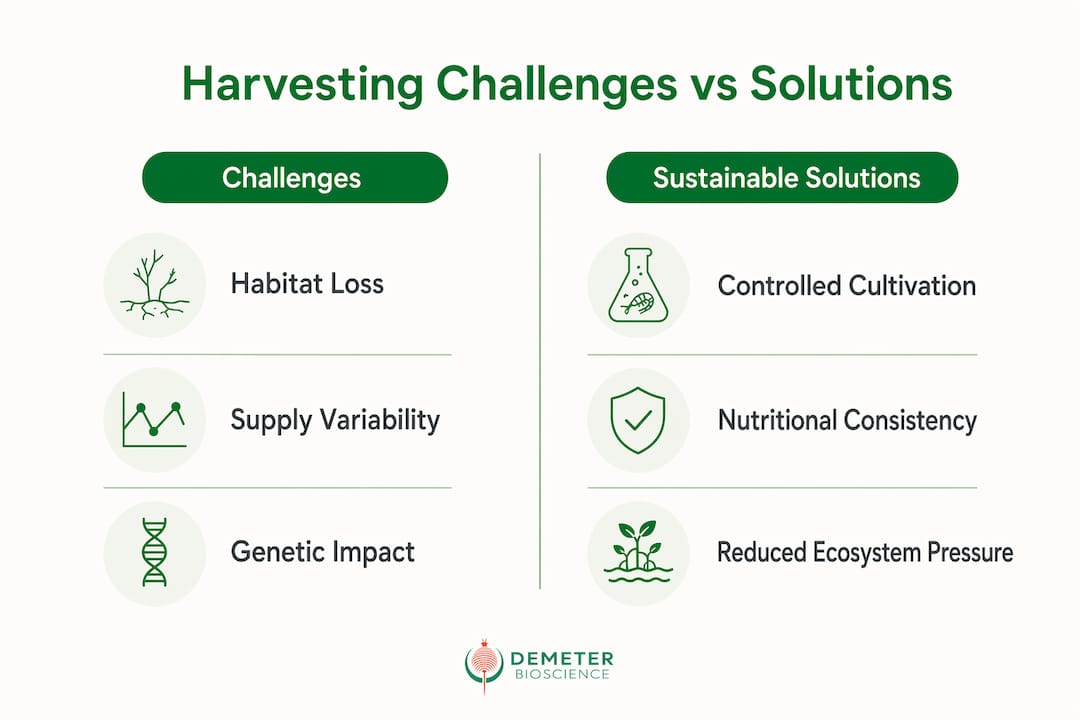
Specifically, intensive cyst harvesting favors shrimp that reproduce ovoviviparously, meaning they retain embryos internally rather than releasing dormant cysts. This is the population's adaptive response to having its cysts systematically removed. The consequence for the industry is direct: systematic harvesting selects for shrimp that produce fewer viable cysts, reducing the very output that hatcheries depend on. It is a feedback loop that tightens with every harvest season.
The food web effects extend well beyond the shrimp themselves. Brine shrimp are the primary food source for millions of migratory birds, including eared grebes, phalaropes, and avocets, that stop at the Great Salt Lake during annual migrations. A collapse in Artemia biomass would cascade through these bird populations. Conservation scientists treat brine shrimp population decline as a sentinel indicator for broader hypersaline ecosystem health.
Key ecological consequences of intensive wild harvesting include:
- Genetic shift toward ovoviviparity, reducing cyst output per female
- Reduced population density in heavily harvested lake zones
- Disrupted age structure that weakens population resilience to environmental stress
- Cascading food web effects on shorebirds and waterfowl
- Long-term reduction in viable cyst banks within lake sediments
Pro Tip: When evaluating wild cyst suppliers, request multi-year harvest data from the source lake. A declining trend in annual yield is an early signal of population stress, not just a bad season.
What challenges does aquaculture face relying on wild cysts?
Hatcheries that depend on wild Artemia cysts face three compounding problems: supply instability, nutritional variability, and hidden operational costs. None of these problems is minor. Together, they represent a structural vulnerability in any production system built around wild harvest inputs.
Supply instability is the most visible problem. Wild harvest supply fluctuates with salinity, temperature, and pollution levels that no hatchery can control. A poor harvest season at the Great Salt Lake sends shockwaves through global aquaculture feed markets because no single alternative site can absorb the volume shortfall.
| Challenge | Wild-harvested cysts | Controlled cultivation |
|---|---|---|
| Supply consistency | Seasonal and unpredictable | Year-round and stable |
| Nutritional profile | Variable; often EPA/DHA deficient | Standardized; diet-controlled |
| Hatching efficiency | Varies by batch and strain | Consistent across production runs |
| Enrichment required | Yes, at additional cost | Minimal or none |
| Ecological impact | High | Low |
Nutritional variability is the second major problem. Wild cysts often lack critical fatty acids EPA and DHA because wild shrimp eat whatever microalgae are available in their lake environment. Hatcheries must enrich nauplii with marine oil emulsions after hatching, adding labor, equipment, and cost. This enrichment step also introduces variability of its own, since uptake rates differ by nauplii age and batch quality.
The third problem is hidden cost from poor standardization. Hatcheries may unknowingly pay for high hatching waste rates because wild cyst batches lack standardization. Environmental parameters critical for hatching, including light, temperature, salinity, oxygen, pH, and cyst density, vary widely among strains, forcing hatcheries to run batch-specific testing protocols that inflate operational costs without improving outcomes.
How do sustainable alternatives address these challenges?
Controlled Artemia cultivation solves the core problems of wild harvesting by replacing ecological dependence with managed production. Land-based pond culture and indoor recirculating systems allow producers to control diet, water chemistry, and harvest timing. The nutritional profile of the resulting shrimp is a direct function of what they are fed, not what happens to be available in a lake.
Climate-smart aquaculture interventions using Artemia pond culture have demonstrated biological success, achieving biomass yields of 853.69 kg/ha. Cost optimization through a 20% reduction in brine costs improves the economic viability of these systems. That data point matters because it shows controlled cultivation is not just ecologically preferable. It is becoming economically competitive.
Demeterbioscience takes this further by feeding cultivated brine shrimp exclusively on Dunaliella microalgae in a land-based, organic system. This produces shrimp with at least 40% protein content and a consistent fatty acid profile. Hatcheries using this approach eliminate the enrichment step entirely, which removes a major source of cost and variability. Researchers studying Artemia nutrition can also rely on controlled-diet brine shrimp for reproducible experimental conditions that wild-caught specimens cannot provide.
Pro Tip: When transitioning from wild cysts to cultivated live shrimp, run a parallel feeding trial for at least two weeks before fully switching. Larval fish response to live nauplii differs from decapsulated cysts, and the adjustment period matters for survival rates.
The broader industry shift toward controlled cultivation also reduces pressure on hypersaline lake ecosystems directly. Every kilogram of cultivated Artemia that replaces a kilogram of wild-harvested cysts is a measurable reduction in extraction pressure on the Great Salt Lake and its counterparts globally. Conservation and production goals align here in a way they rarely do in aquaculture.
Key Takeaways
Wild-harvested brine shrimp are unsustainable because hypersaline lake ecosystems are collapsing under combined pressure from overharvesting, climate change, and water diversion, while controlled cultivation offers a viable, nutritionally superior alternative.
| Point | Details |
|---|---|
| Habitat collapse is active | The Great Salt Lake, supplying 40%–50% of global cysts, is in documented ecological crisis right now. |
| Harvesting reshapes genetics | Intensive cyst removal selects for ovoviviparous reproduction, reducing future wild cyst output. |
| Wild cysts cost more than listed | Nutritional deficiencies and batch variability force hatcheries into enrichment and testing expenses. |
| Controlled cultivation is viable | Pond culture has achieved 853.69 kg/ha biomass, and cost optimization is closing the economic gap. |
| Demand reduction protects ecosystems | Replacing wild cysts with cultivated shrimp directly reduces extraction pressure on fragile lake systems. |
What I've learned watching this industry ignore its own supply problem
The aquaculture industry has known about Great Salt Lake's decline for over a decade. The response has been to source from Lake Urmia, then Aibi Lake, then Bolshoye Yarovoye, treating each new site as a solution rather than a delay. That pattern is not supply chain management. It is sequential ecosystem extraction.
What strikes me most is the mismatch between how hatcheries talk about sustainability and how they actually procure feed. The conversation about sustainable aquaculture focuses heavily on fish meal reduction and mangrove protection. Wild Artemia harvesting gets far less scrutiny, partly because brine shrimp are not charismatic and partly because the supply chain is opaque. Most hatchery operators cannot tell you which lake their cysts came from, let alone what the harvest volume was that year.
The genetic selection problem is the detail that concerns me most long-term. Reducing cyst output by selecting for ovoviviparity is not reversible on a short timeline. Once a wild population shifts its reproductive strategy, restoring it requires removing harvest pressure for years. No commercial operation is willing to do that voluntarily. This is exactly the kind of problem that requires regulatory intervention, not just market incentives.
The path forward is not complicated. Controlled cultivation technology exists. The nutritional case for it is strong. The ecological case is overwhelming. What is missing is the industry will to pay a fair price for a sustainable input rather than continuing to externalize the ecological cost onto lake ecosystems that have no voice in the transaction.
— Demeter
Demeterbioscience's approach to sustainable brine shrimp supply
Demeterbioscience produces live brine shrimp in a land-based, organic system fed exclusively on Dunaliella microalgae, delivering at least 40% protein content with a consistent fatty acid profile.
For aquaculture operations and research institutions that need a reliable, nutritionally standardized Artemia source, Demeterbioscience offers direct shipments, monthly subscription plans, and bulk retail packages. The controlled production environment eliminates the batch variability and enrichment costs that define wild cyst sourcing. Explore the full range of sustainable brine shrimp products or contact the team to discuss supply needs for your hatchery or research program.
FAQ
Why is wild brine shrimp harvesting harmful to lake ecosystems?
Wild harvesting removes biomass from closed hypersaline systems faster than populations can recover, while also applying genetic selection pressure that reduces future cyst output. Combined with climate change and water diversion, this pushes lakes like the Great Salt Lake toward irreversible ecological decline.
What is brine shrimp population decline caused by?
Brine shrimp population decline results from shrinking lake volumes, rising salinity beyond reproductive tolerance, intensive cyst harvesting, and pollution from agricultural and industrial sources. The Artemia population at any given site reflects the cumulative impact of all these pressures simultaneously.
How does wild cyst quality affect aquaculture hatchery performance?
Wild cysts vary in hatching efficiency and fatty acid content by batch, strain, and source lake conditions. Hatcheries compensate with enrichment protocols and batch testing, both of which add cost and introduce additional variability into larval fish nutrition programs. Learn more about larval fish nutrition and how cyst quality affects outcomes.
What are the best alternatives to wild-harvested brine shrimp?
Controlled pond culture and land-based indoor cultivation are the most developed alternatives. Systems fed on Dunaliella or other microalgae produce shrimp with standardized nutrition, eliminating the need for post-hatch enrichment and reducing ecological impact on natural lake systems.
Can wild brine shrimp populations recover if harvesting stops?
Recovery is possible but slow, particularly where genetic shifts toward ovoviviparity have already occurred. Restoring cyst production capacity in a wild population requires sustained reduction in harvest pressure over multiple reproductive cycles, which no current regulatory framework actively enforces at the major harvest sites.