
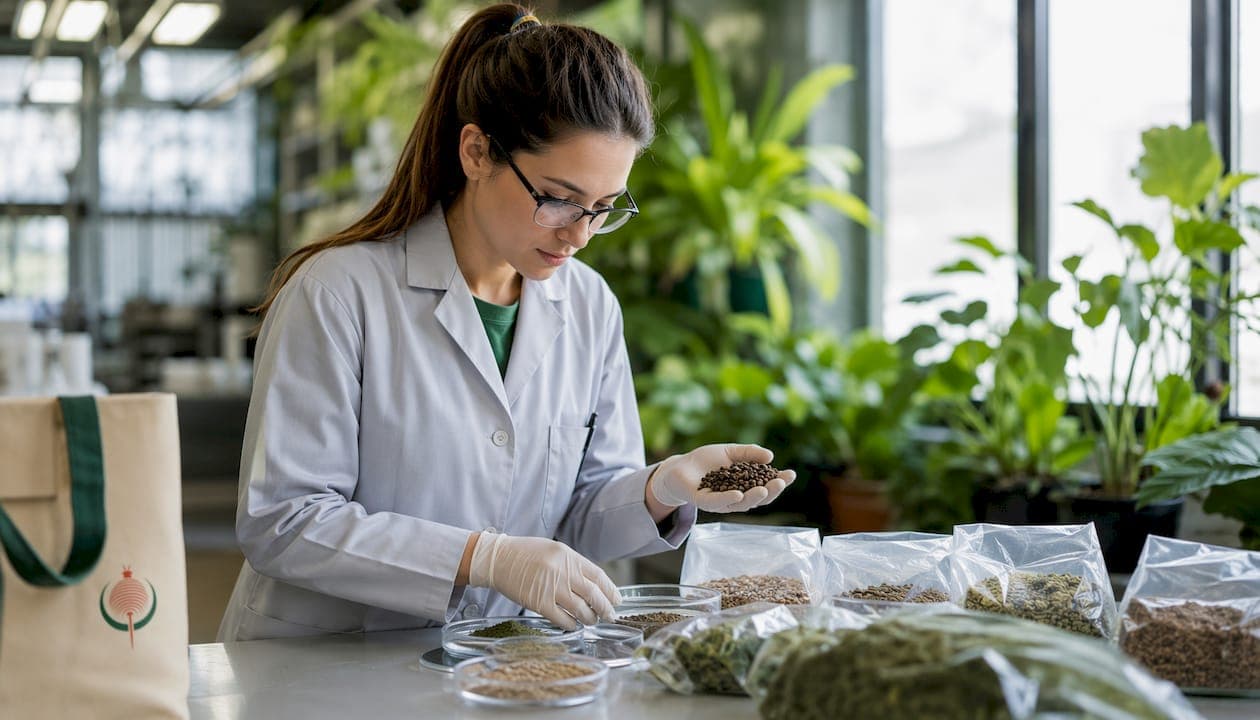
Environmentally responsible fish food is feed formulated to minimize ecological harm by replacing wild-caught fishmeal and fish oil with sustainable alternatives, including insect meal, plant proteins, and microalgae while fully meeting the nutritional needs of aquatic species. The core standard is simple: reduce marine resource extraction without sacrificing fish health. Producing one ton of traditional fishmeal generates approximately 320 kg of CO2 equivalent, while one ton of fish oil generates roughly 4,430 kg CO2 equivalent. Those numbers alone explain why the aquafeed industry has accelerated its shift toward alternatives. Key sustainable ingredients now validated by research include High-protein insect meal that can replace substantial portions of fishmeal in salmonid diets
- Nannochloropsis microalgae: a marine microalga shown in trials to potentially replace fishmeal in rainbow trout without compromising growth
- Tetraselmis microalgae: a fish oil alternative demonstrated to preserve trout health and feed efficiency at substantial inclusion levels
- Plant proteins: soy, corn, and rapeseed derivatives that reduce marine ingredient dependence, with known amino acid limitations
- Fish processing trimmings: heads, bones, and offcuts that reclaim nutritional value from waste rather than harvesting additional wild fish
NOAA and USDA have jointly pursued alternative feed development since 2007 through the NOAA-USDA Alternative Feeds Initiative, and their work has helped drive fishmeal's share of salmon diets have decreased significantly since the 1980s as alternative feeds have developed.
What sustainable ingredients actually go into eco-friendly fish feed?
The shift away from wild-caught fishmeal has produced a genuinely diverse ingredient toolkit, and understanding each option's strengths and trade-offs is what separates a well-formulated feed from a marketing claim.
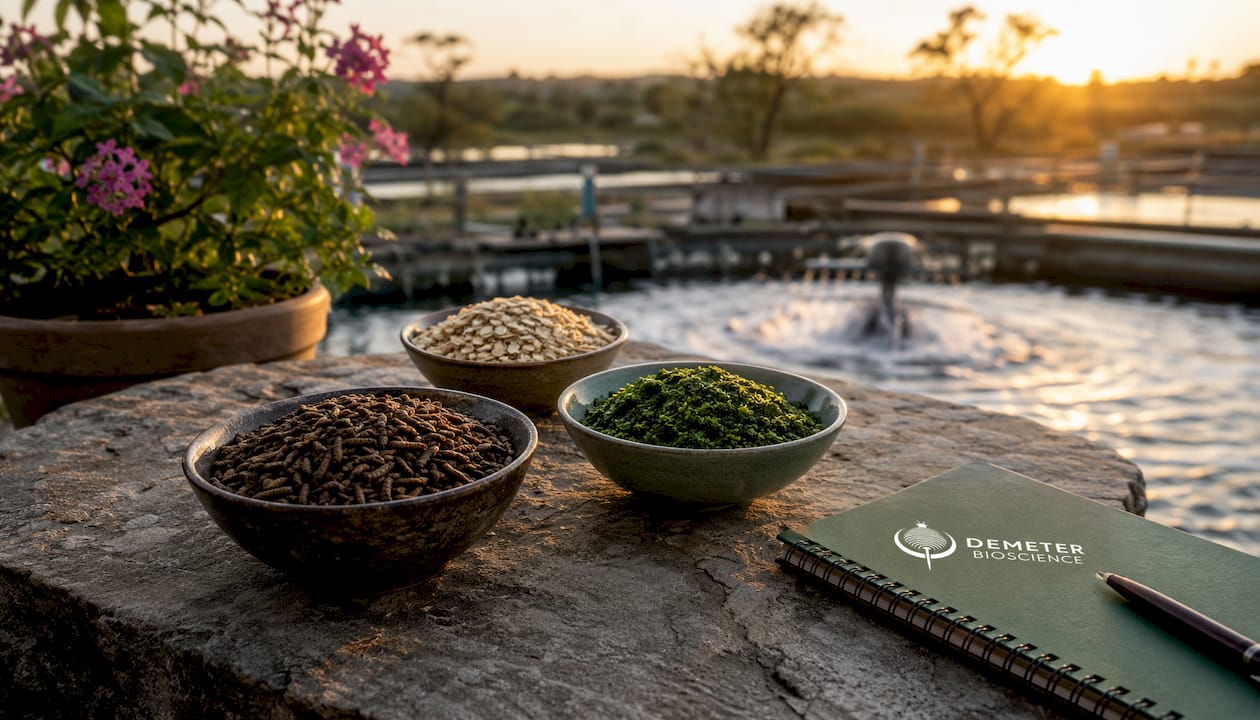
Black Soldier Fly Meal delivers a high-protein profile that makes it one of the most practical fishmeal substitutes available. 2025 research confirms that BSFM can replace up to 50% of fishmeal in rainbow trout diets without compromising growth or nutritional quality. It also fits circular economy principles well, since larvae can be raised on organic waste streams, recycling nutrients that would otherwise be lost.
Nannochloropsis is the microalga with the most compelling replacement data. A peer-reviewed feeding trial showed that Nannochloropsis sp. QH25 co-product can replace 100% of fishmeal in rainbow trout diets while maintaining growth, feed conversion, fillet composition, and cost-effectiveness. The 100% replacement diet actually produced the lowest feed cost per kilogram of fish. Marine microalgae also grow on non-arable land using wastewater, produce at least twice the biomass per hectare compared to soy, and sequester carbon through photosynthesis. For a deeper look at how microalgae function as fish feed, Demeterbioscience has published detailed resources on species selection and nutritional profiles.
Tetraselmis targets fish oil replacement rather than fishmeal. Research published in 2026 found that replacing fish oil with Tetraselmis chui biomass did not compromise rainbow trout health, with the 66% inclusion rate yielding the best growth performance across all experimental groups. DHA and EPA levels were lower in Tetraselmis diets, but fish compensated through endogenous biosynthetic pathways.
Plant proteins remain widely used but carry real limitations. Soy and corn lack essential amino acids like lysine and methionine, contain antinutrients that reduce digestibility, and their cultivation drives deforestation and freshwater depletion. The addition of taurine, FDA-approved for U.S. fish feed in 2017, has helped close the amino acid gap and made plant-based formulations more competitive.
Environmental benefits and the nutritional challenges you need to know
Sustainable fish food delivers genuine environmental gains, but it also introduces trade-offs that require careful feed formulation.
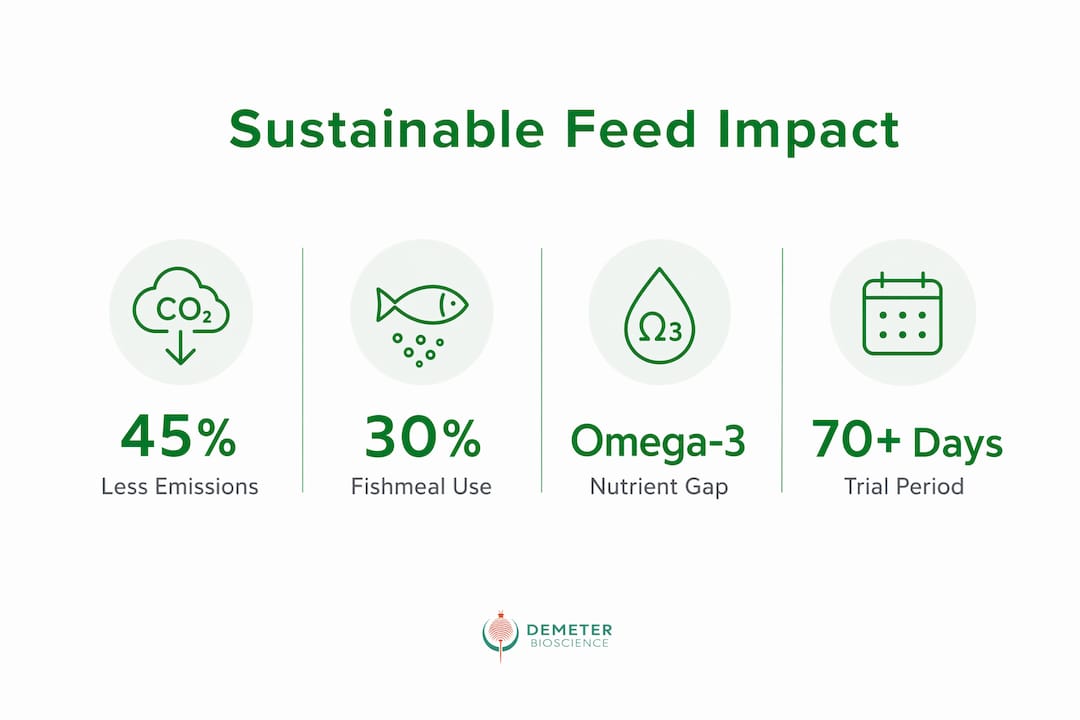
On the benefits side, replacing fishmeal and fish oil cuts greenhouse gas emissions substantially, as the CO2 figures cited above make clear. Reduced reliance on wild forage fish eases pressure on marine ecosystems, where approximately 16 million of the 29 million tonnes of wild-caught forage fish are currently rendered into aquafeed annually. Phosphorus emissions are another concern: fishmeal contains indigestible hydroxyapatite phosphorus, and terrestrial crops carry phytate phosphorus that fish cannot process, both of which drive eutrophication in surrounding waterways. Marine microalgae show real promise for reducing phosphorus loading compared to both fishmeal and crop-based alternatives.
One finding that cuts against simple "plant vs. fish" framing: ingredient origin and processing drive more variability in environmental footprint than ingredient type alone. A soy protein sourced from deforested land in one region can have a worse footprint than fishmeal from a well-managed fishery. Responsible sourcing geography matters as much as ingredient category.
The main nutritional challenge is omega-3 fatty acids. Researchers caution that some sustainable feed sources may lack sufficient long-chain EPA and DHA, requiring supplementation to maintain fish immune health over time. Algae oil and high omega-3 plant oils are the primary tools for closing that gap. Understanding omega supplementation for aquatic animals helps both professionals and hobbyists make informed formulation decisions.
Best practices for feeding management that actually reduce your footprint
Feed efficiency is where environmental responsibility becomes operational. Choosing the right ingredients matters, but how and how much you feed determines whether those gains hold.
- Feed only what fish will consume. Uneaten feed accumulates as sediment, depletes oxygen, and drives nutrient pollution. NOAA notes that underwater cameras allow salmon farmers to observe when feeding behavior slows and stop excess feed from entering pens.
- Choose highly digestible formulations. Insect-based and microalgae-based feeds with optimized amino acid profiles produce less waste per gram of fish growth than poorly digestible plant proteins.
- Monitor behavior, not just rations. Behavioral observation, whether direct or via camera, catches the moment fish stop feeding actively, which is the most reliable signal to stop delivery.
- For hobbyists: portion control with insect- or plant-based commercial pellets reduces nutrient leakage into tank water, directly improving water quality and reducing filter load.
- For professional operations: automated feeders combined with real-time camera monitoring represent the current standard for waste reduction at scale.
Pro Tip: Set a feeding log for the first two weeks with any new formulation. Track feed input against visible waste and water quality parameters. That baseline tells you faster than any trial period whether the formulation is performing as claimed.
Long-term diet completeness also requires attention. Extended feeding trials exceeding 70 days are critical for evaluating how novel ingredients affect fish health and microbiome stability, and short trials can miss immune function effects that only emerge over a full production cycle.
How Demeterbioscience approaches sustainable fish food production
Demeterbioscience operates a land-based, organic brine shrimp cultivation system that addresses several of the challenges outlined above simultaneously. Their brine shrimp are fed exclusively on Dunaliella algae, delivering at least 40% protein content with consistent nutritional quality across every batch. That consistency is the practical advantage over wild-harvested brine shrimp, which vary seasonally and often arrive in a nutritionally depleted state due to starvation conditions in natural ecosystems.
The microalgae-fed production model also carries direct environmental benefits. Microalgae cultivation sequesters carbon, can use wastewater as a nutrient source, and requires no arable land, aligning with the circular economy principles that sustainable aquaculture nutrition increasingly demands. Demeterbioscience's controlled environment eliminates the variability and ecological extraction costs associated with wild harvest.
Sustainability note: Demeterbioscience's Dunaliella-fed brine shrimp deliver guaranteed minimum 40% protein, produced without wild-capture inputs, making them a traceable, low-footprint live feed option for both professional aquaculture and ornamental fish applications.
Product offerings include direct-to-consumer live shipments, monthly subscription plans, and bulk retail packages suited to museums and local fish stores. Their ongoing research missions continue to refine microalgae cultivation and brine shrimp nutrition, contributing to the broader evidence base for sustainable live feed.
Demeterbioscience live brine shrimp: a direct path to responsible feeding
If you've worked through the ingredient science and feeding practices above, the next practical question is where to source live feed that actually meets these standards without the variability of wild-caught alternatives.
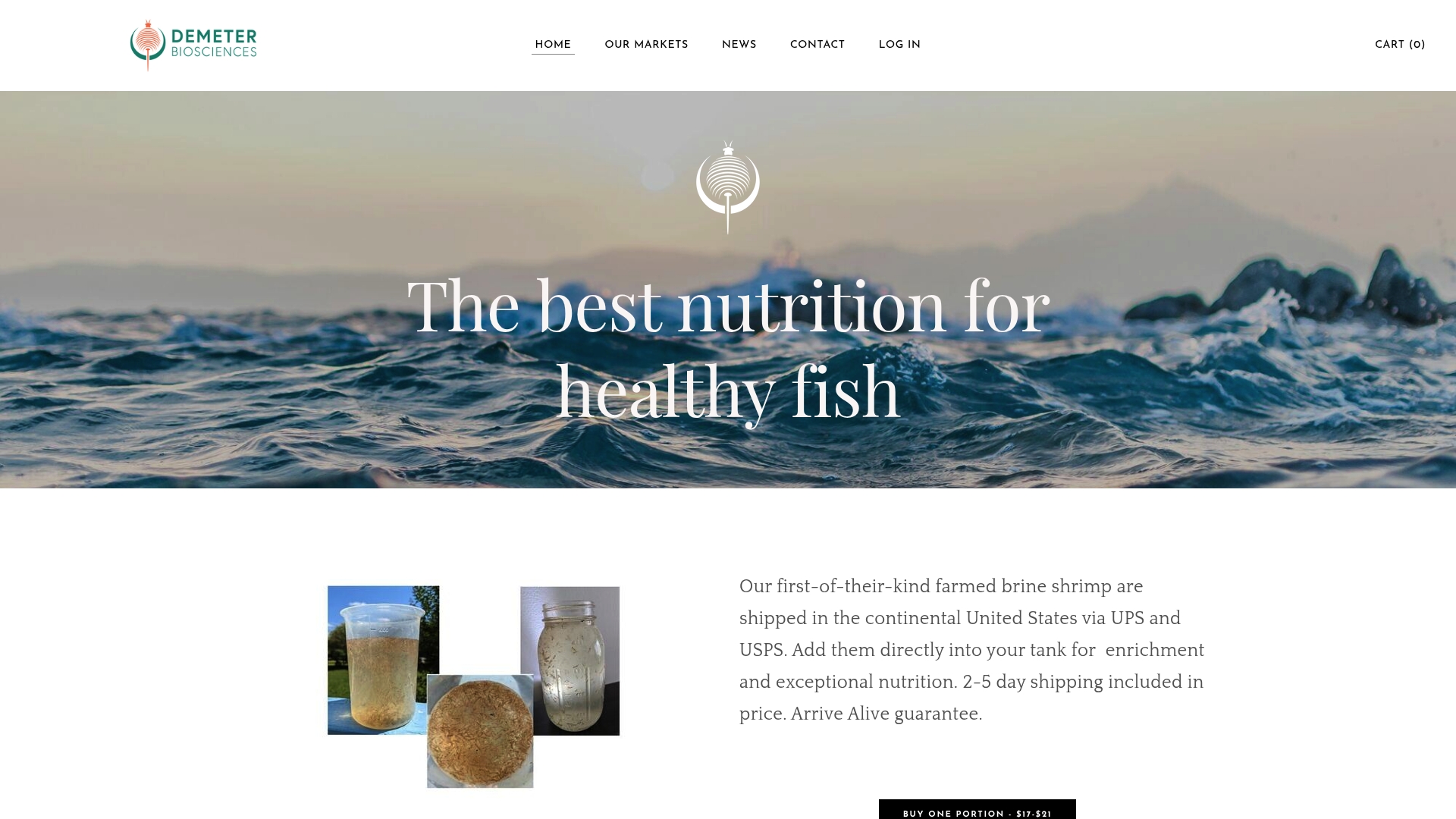
Demeterbioscience's live brine shrimp are farmed on Dunaliella algae in a controlled, land-based system, guaranteeing at least 40% protein levels and nutritional consistency that wild-harvested shrimp cannot reliably deliver. For operations that need volume, the bulk brine shrimp order option supports large-scale sustainable sourcing without compromising on quality or traceability. Whether you run a professional aquaculture facility or maintain a serious reef or freshwater setup, Demeterbioscience offers a live feed option grounded in the same microalgae-based sustainability principles this guide covers. Visit Demeterbioscience to review product options and place an order.
Key Takeaways
Environmentally responsible fish food replaces wild-caught marine ingredients with sustainable alternatives like microalgae and insect meal, maintaining full nutritional quality while cutting CO2 emissions and reducing pressure on wild forage fish populations.
| Point | Details |
|---|---|
| CO2 cost of conventional feed | One ton of fish oil generates ~4,430 kg CO2 equivalent; fishmeal generates ~320 kg CO2 equivalent. |
| Nannochloropsis replaces fishmeal fully | Nannochloropsis sp. QH25 co-product replaced 100% of fishmeal in rainbow trout with no loss in growth or fillet quality. |
| Ingredient origin matters most | Sourcing geography and processing drive more footprint variability than ingredient type alone. |
| Omega-3 supplementation is often needed | Sustainable feeds may lack sufficient EPA and DHA, requiring algae oil or high omega-3 plant oil additions. |
| Demeterbioscience live brine shrimp | Farmed on Dunaliella algae, delivering at least 40% protein with consistent quality and no wild-capture inputs. |