
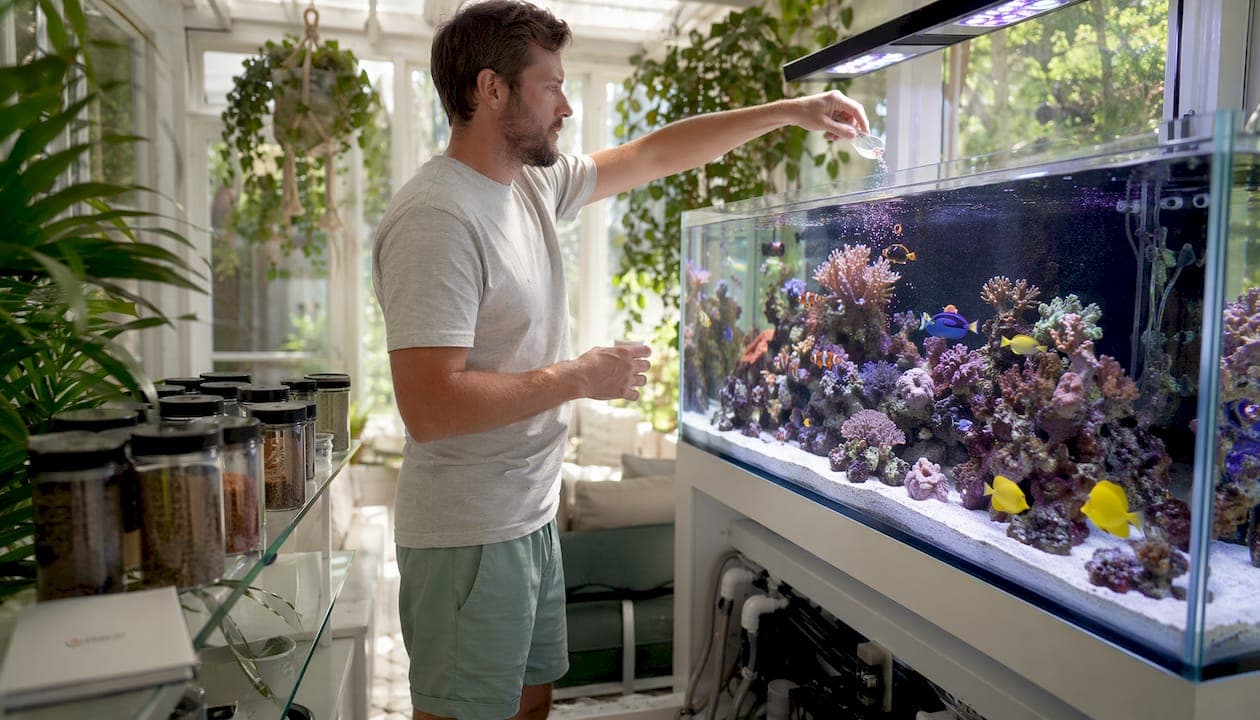
A varied diet is the single most important factor in keeping saltwater fish healthy, colorful, and disease-resistant in a home aquarium. The saltwater fish diet variety list that works best combines pellets, frozen foods, algae-based options, and live foods tailored to each species' ecological role. Relying on one food type causes long-term nutritional deficiencies that suppress immunity and fade coloration. Herbivores, carnivores, and omnivores each have distinct digestive systems, and feeding them correctly means understanding those differences from day one.
1. What are the main food categories in a saltwater fish diet variety list?
A balanced marine feeding program cycles through pellets, flakes, frozen foods, algae, and live foods to mimic the complexity of wild reef diets. Each category fills a different nutritional gap. No single food covers every amino acid, fatty acid, and micronutrient a marine fish needs.
The main food categories for saltwater fish are:
- Pellets and flakes: Convenient staple foods that deliver a baseline of protein, vitamins, and minerals. High-quality pellets hold their nutrients longer in water than flakes, reducing waste.
- Frozen foods: Mysis shrimp, krill, bloodworms, and chopped seafood supply dense animal protein and natural fatty acids. These are the closest commercial equivalent to wild prey.
- Algae-based foods: Nori sheets, spirulina flakes, and algae wafers provide plant fiber, carotenoids, and trace minerals. These are non-negotiable for herbivorous species.
- Live foods: Copepods, rotifers, and live brine shrimp trigger natural hunting behavior and deliver nutrition in its most bioavailable form. They also stimulate feeding in fish that refuse prepared foods.
- Gel and paste foods: Homemade or commercial gel diets allow you to blend multiple ingredients into one feeding. They reduce waste and let you customize nutrient ratios.
Pro Tip: Match food type to the fish's ecological role first. A Tang needs algae as its primary food, not frozen mysis. A Lionfish needs meaty protein, not spirulina flakes. Getting this right from the start prevents the slow nutritional decline that looks like disease.
2. How herbivores, carnivores, and omnivores differ in their marine fish diet options
Fish dietary needs align directly with ecological roles: herbivores need plant fiber, carnivores need protein-rich foods, and omnivores need variety across both categories. Feeding a carnivore an algae-heavy diet starves it of essential amino acids. Feeding a herbivore too much animal protein overloads its digestive system and causes bloating.
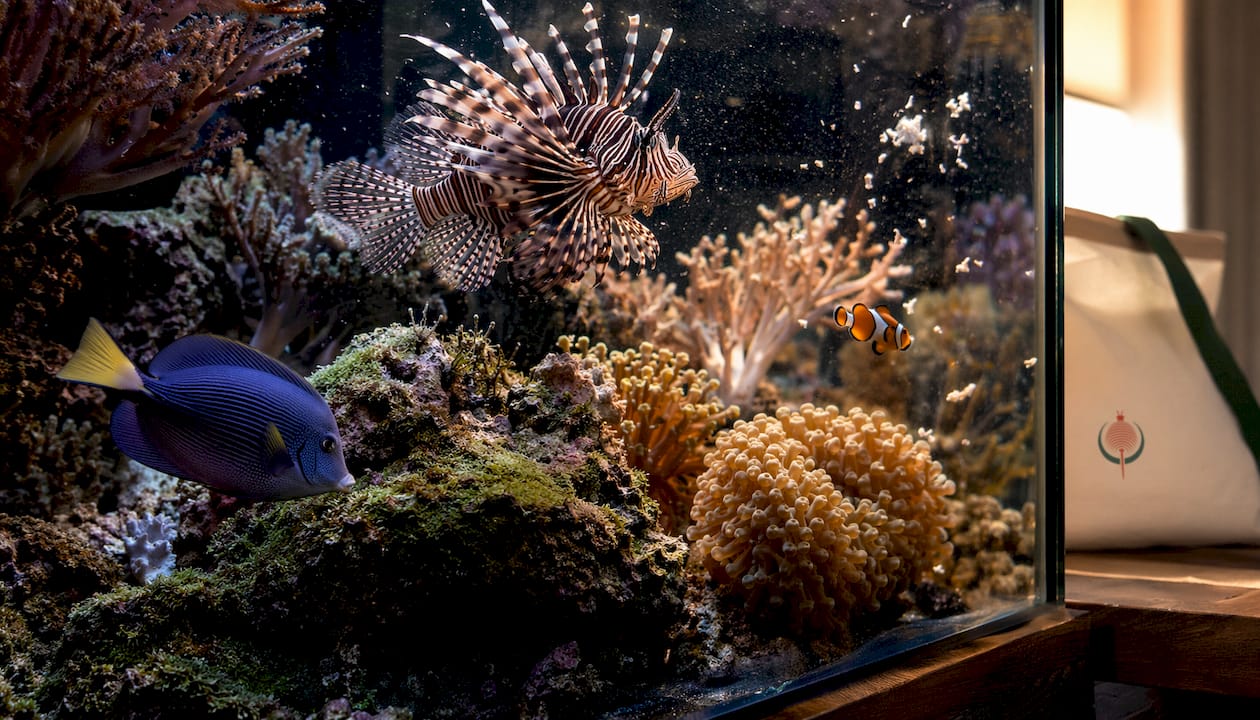
Herbivores
Herbivorous saltwater fish include Tangs, Rabbitfish, and Blennies. Their digestive tracts are long and designed to break down plant cellulose. They need frequent access to algae sheets, spirulina-based flakes, and vegetable pellets. Feed them small amounts multiple times per day rather than one large meal.
- Nori (dried seaweed sheets) clipped to the glass
- Spirulina flakes or pellets as a daily staple
- Algae wafers for bottom-feeding herbivores
- Fresh macroalgae like Chaetomorpha when available
- Vegetable-based gel foods for added variety
Carnivores
Carnivorous species include Lionfish, Groupers, Hawkfish, and most Dottybacks. They need high-protein meals from animal sources. Frozen mysis, krill, silversides, and chopped squid are the core of their diet. Feed them less frequently than herbivores because their metabolism processes large meals more slowly.
- Frozen mysis shrimp as a protein staple
- Krill for larger carnivores needing bigger prey
- Chopped squid or clam for variety
- Silversides for large predatory species
- Live brine shrimp as an appetite stimulant
Omnivores
Clownfish, Wrasses, Damsels, and Angelfish fall into the omnivore category. They thrive on a rotating mix of pellets, frozen foods, and occasional algae. Omnivores are generally the easiest to feed because they accept the widest range of foods.
Pro Tip: Never feed herbivores a protein-heavy diet to "boost growth." Excess protein causes digestive stress and ammonia spikes in the tank. Stick to plant-based staples and add protein only as an occasional supplement.
3. What feeding schedules and portion sizes work best for saltwater fish?
Most saltwater fish thrive on 1–3 feedings daily, but the right frequency depends on species metabolism and tank population. Feeding consistency matters as much as food variety. Overfeeding deteriorates water quality, while underfeeding triggers aggression and stunted growth.
Key principles for scheduling and portioning:
- Feed only what fish consume in 2–3 minutes. Any food sitting on the substrate after that window is excess. Remove it with a turkey baster or siphon.
- High-metabolism species need more frequent meals. Anthias require 4–5 small feedings daily to mimic their natural constant foraging on the reef. One large meal per day causes them to waste away.
- Match particle size to mouth size. Large chunks risk choking; micro-foods cause nutrient buildup if uneaten. A fish that spits food repeatedly is telling you the particle size is wrong.
- Observe behavior before adjusting. Fish hovering at the surface between feedings are underfed. Fish ignoring food are either overfed or stressed.
- In mixed-species tanks, feed at multiple spots simultaneously. Dominant fish will monopolize a single feeding point and leave subordinate fish underfed.
Tangs and other active grazers do best with two to three feedings per day. Slower predators like Lionfish and Groupers need feeding only every two to three days. Knowing your species' natural foraging pattern is the most reliable guide to frequency.
4. Which live and specialized foods help finicky or newly introduced saltwater fish?
Live foods are the most reliable tool for getting a reluctant feeder to eat. Copepods, rotifers, and enriched live brine shrimp trigger instinctive predatory responses that frozen or prepared foods cannot replicate. The movement of live prey activates a fish's lateral line and visual system simultaneously.
The best live and specialty foods for difficult feeders include:
- Live copepods: Ideal for Mandarins, Dragonets, and small reef fish that hunt micro-prey. They colonize refugiums and provide a continuous food source.
- Live rotifers: Suited for very small fish and juveniles. They are nutritionally dense when gut-loaded with phytoplankton before feeding.
- Enriched live brine shrimp: A strong appetite stimulant for most marine species. Demeterbioscience cultivates brine shrimp fed exclusively on the microalgae Dunaliella, delivering at least 40% protein content and consistent nutrition. That level of quality is not available from wild-harvested sources, which suffer from seasonal variability and starvation conditions.
- Blackworms and amphipods: Useful for mid-sized carnivores that need movement-based feeding cues.
Live foods should not replace a balanced staple diet. They work best as a bridge for newly introduced fish or as a weekly enrichment addition. Once a fish accepts live food, you can transition it to frozen and prepared foods using a gradual substitution method. For a full breakdown of live food categories, the types of live fish food guide covers each option in detail.
5. How algae and seaweed supplements support herbivore health and tank balance
Algae-based foods are not optional for herbivorous marine fish. They supply dietary fiber, carotenoids for coloration, and trace minerals that animal-based foods cannot provide. Tangs, Rabbitfish, Surgeonfish, and many Angelfish species develop immune deficiencies and color loss without regular plant-based feeding.
The right algae products and feeding methods make a measurable difference:
- Nori sheets: Plain, unseasoned dried seaweed is the gold standard. Human-grade nori with seasonings or salt additives harms fish and degrades water quality. Always check the ingredient label for additives before buying.
- Spirulina flakes and pellets: Spirulina is a freshwater microalgae with a high protein and carotenoid profile. It supports both herbivores and omnivores as a daily staple.
- Algae wafers: Designed for bottom-feeding herbivores like Blennies and some Gobies. They sink slowly and hold together longer than flakes.
- Macroalgae in refugiums: Growing Chaetomorpha or Caulerpa in a refugium provides a live, self-replenishing food source for grazers.
Remove uneaten algae sheets within a few hours. Decomposing plant matter raises nitrates faster than uneaten protein foods. A clean feeding clip attached to the glass makes removal easy and keeps the sheet off the substrate.
Pro Tip: Use a dedicated algae clip positioned at mid-water height. Fish that graze naturally at that level will feed more confidently than when food sits on the bottom.
Key Takeaways
A varied marine fish diet combining pellets, frozen foods, algae, and live foods tailored to species type is the most reliable path to long-term health, strong immunity, and vivid coloration in saltwater aquariums.
| Point | Details |
|---|---|
| Match diet to species role | Herbivores need algae staples; carnivores need protein-dense frozen foods; omnivores need both. |
| Feed frequency by metabolism | High-metabolism fish like Anthias need 4–5 small daily feedings; slow predators need feeding every 2–3 days. |
| Live foods for reluctant feeders | Enriched live brine shrimp and copepods trigger feeding responses that prepared foods cannot replicate. |
| Algae quality matters | Use plain, unseasoned nori and spirulina; additives in commercial seaweed products harm fish and water quality. |
| Particle size affects feeding success | Match food size to fish mouth size to prevent choking, waste, and nutrient buildup. |
What I've learned from watching fish eat the wrong diet for years
The most common mistake I see is keepers rotating food brands instead of food categories. Switching from one pellet brand to another is not dietary variety. Real variety means cycling through pellets, frozen mysis, nori, and live brine shrimp across the week. Each category delivers a different nutritional profile, and no single product covers all of them.
Particle size is the detail that gets overlooked most often. A fish that spits food repeatedly is not being picky. It is telling you the food is the wrong size. Matching food particle size to mouth size changes feeding success more than any brand choice. I have watched fish that refused every prepared food for two weeks start eating the moment the particle size matched their anatomy.
The other pattern I keep seeing is keepers who feed on a rigid schedule but never observe the fish during feeding. Watching how each fish eats tells you everything. Is one fish eating aggressively while another hangs back? Is food hitting the substrate uneaten? Those observations are the feedback loop that makes a feeding routine actually work. Consistency in timing combined with genuine variety in food type is the combination that produces healthy, long-lived marine fish.
— Demeter
Live brine shrimp from Demeterbioscience for your marine feeding routine
Adding live food to your rotation does not have to mean sourcing from unreliable wild-harvested suppliers. Demeterbioscience produces live brine shrimp in a controlled, land-based system where every animal is fed exclusively on Dunaliella microalgae. The result is a minimum 40% protein content and nutritional consistency that wild-caught brine shrimp cannot match.
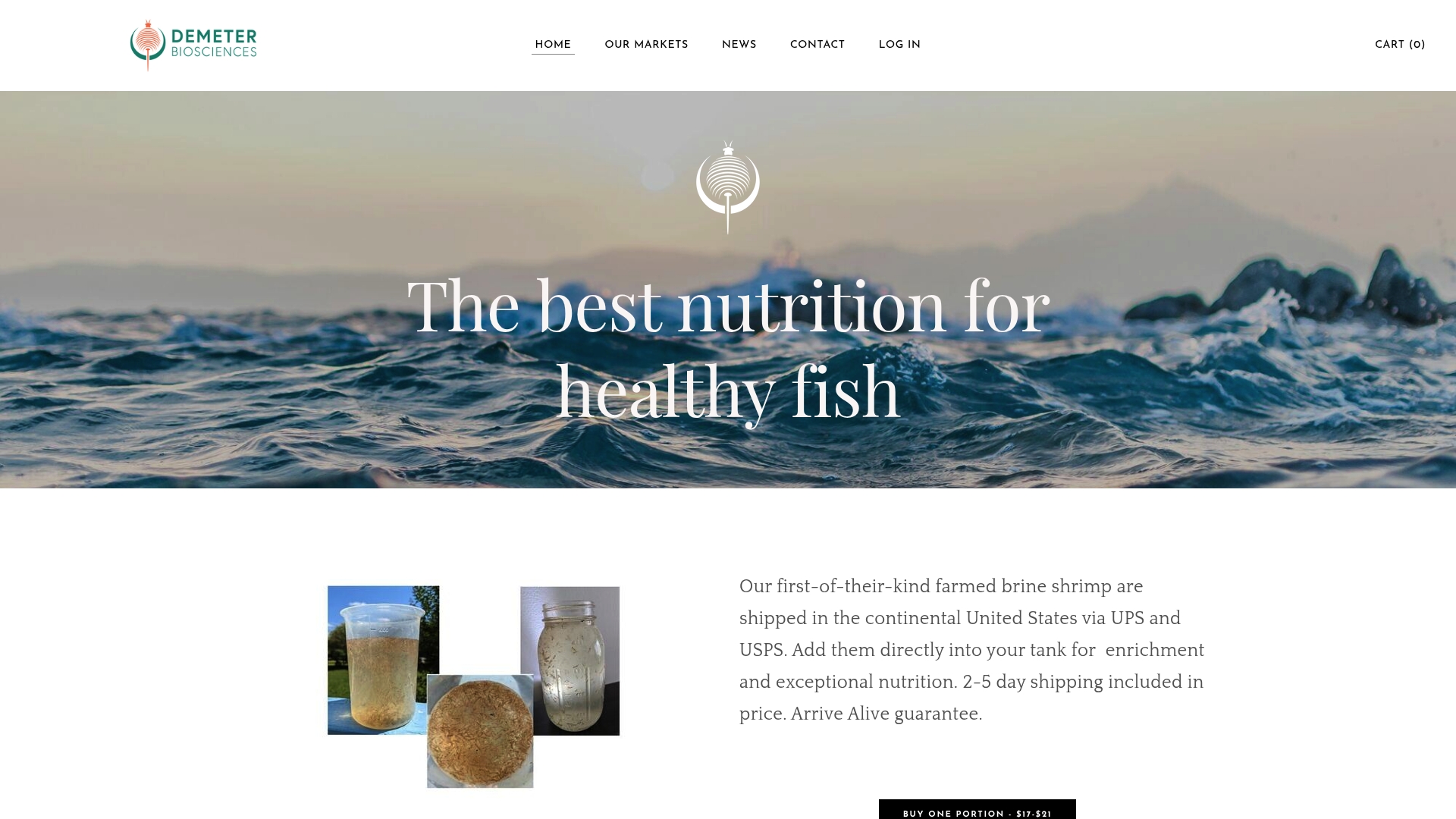
Whether you keep a single reef tank or supply a local fish store, Demeterbioscience offers direct shipments, monthly subscription plans, and bulk brine shrimp orders to fit your feeding volume. Live brine shrimp from a controlled source give you a feeding tool that works on finicky fish, newly introduced species, and high-metabolism grazers alike.
FAQ
What do saltwater fish eat in a balanced diet?
A balanced saltwater fish diet includes high-quality pellets or flakes, frozen foods like mysis and krill, algae-based foods, and periodic live foods. The exact mix depends on whether the species is a herbivore, carnivore, or omnivore.
How often should you feed saltwater fish?
Most saltwater fish thrive on 1–3 feedings daily, while high-metabolism species like Anthias need 4–5 smaller meals. Feed only what fish consume within 2–3 minutes to protect water quality.
Are live brine shrimp good for saltwater fish?
Enriched live brine shrimp provide better nutrition than non-enriched versions and serve as a strong appetite stimulant for picky or newly introduced fish. They work best as a supplement to a varied staple diet, not as the sole food source.
Can you feed saltwater fish regular nori from a grocery store?
Plain, unseasoned nori is safe for marine herbivores, but seasoned or flavored human-grade nori harms fish and degrades water quality. Always check the ingredient label and choose nori with no added salt, oil, or flavoring.
Why is diet variety important for marine fish?
A varied diet replicates the nutritional complexity of wild reef feeding and prevents the deficiencies that suppress immunity and fade coloration. Single-food diets cause long-term health decline even when the fish appears to eat normally.