

Selecting nutritious food from marine fish means choosing species rich in omega-3 fatty acids, high-quality protein, essential vitamins, and minerals while prioritizing sustainable sources. The American Heart Association recommends two servings of fatty fish per week to reduce inflammation and support heart and brain health. That single guideline, backed by decades of research, positions marine fish as one of the most nutrient-dense proteins available to families today. Getting the most from your seafood choices requires understanding which species deliver the best nutrition, where to find them responsibly, and how to cook them without destroying what makes them healthy in the first place.
What nutrients make marine fish nutritious and why they matter
Marine fish nutrition centers on a few key compounds that work together in ways no supplement can fully replicate. The two most studied are EPA (eicosapentaenoic acid) and DHA (docosahexaenoic acid), the omega-3 fatty acids that reduce cardiovascular inflammation, support cognitive function, and regulate the immune response. These are not interchangeable with plant-based omega-3s like ALA from flaxseed. The body converts ALA to EPA and DHA at a rate below 10%, making direct marine sources far more efficient.
Beyond omega-3s, marine fish deliver a nutrient package that stands apart from most land-based proteins. Whole fish provide high-quality complete protein, multiple B vitamins including B12, vitamin D, iodine, selenium, and zinc. Vitamin B12 supports nerve function and red blood cell production. Selenium acts as an antioxidant that protects cells from oxidative damage. Iodine is critical for thyroid regulation, and most Americans do not get enough of it from non-seafood sources.
The synergy of these nutrients in whole fish is the key point. Whole fish consumption is nutritionally superior to omega-3 supplements alone because the fat-soluble vitamins, minerals, and protein work together in a matrix that supplements cannot reproduce. Think of it as the difference between eating an orange and taking a vitamin C tablet. The orange delivers fiber, flavonoids, and hydration alongside the vitamin C. Fish works the same way.
Protein and fatty acid profiles vary widely among marine species, with protein content ranging from around 7% in moisture-rich forms to over 51% in processed varieties, and PUFA content reaching up to 40%. This means species selection matters as much as frequency of consumption.
- Omega-3 fatty acids (EPA and DHA): Reduce cardiovascular risk, support brain development, and lower systemic inflammation.
- Complete protein: All essential amino acids present, supporting muscle repair and immune function.
- Vitamin B12: Critical for neurological health and energy metabolism.
- Vitamin D: Supports bone density and immune regulation, especially important in low-sunlight climates.
- Selenium and iodine: Antioxidant protection and thyroid support, respectively.
Pro Tip: Pair fish with a squeeze of lemon or a drizzle of olive oil. The acidity and healthy fat improve absorption of fat-soluble vitamins like D and A without adding significant calories.
Which marine fish varieties are the most nutritious to choose
The acronym SMASH gives you a practical shortcut for identifying the top nutrient-dense marine fish: Salmon, Mackerel, Anchovies, Sardines, and Herring. These five species are widely available, affordable in canned form, and consistently high in omega-3s and protein. Memorizing this list alone will improve most families' seafood choices immediately.
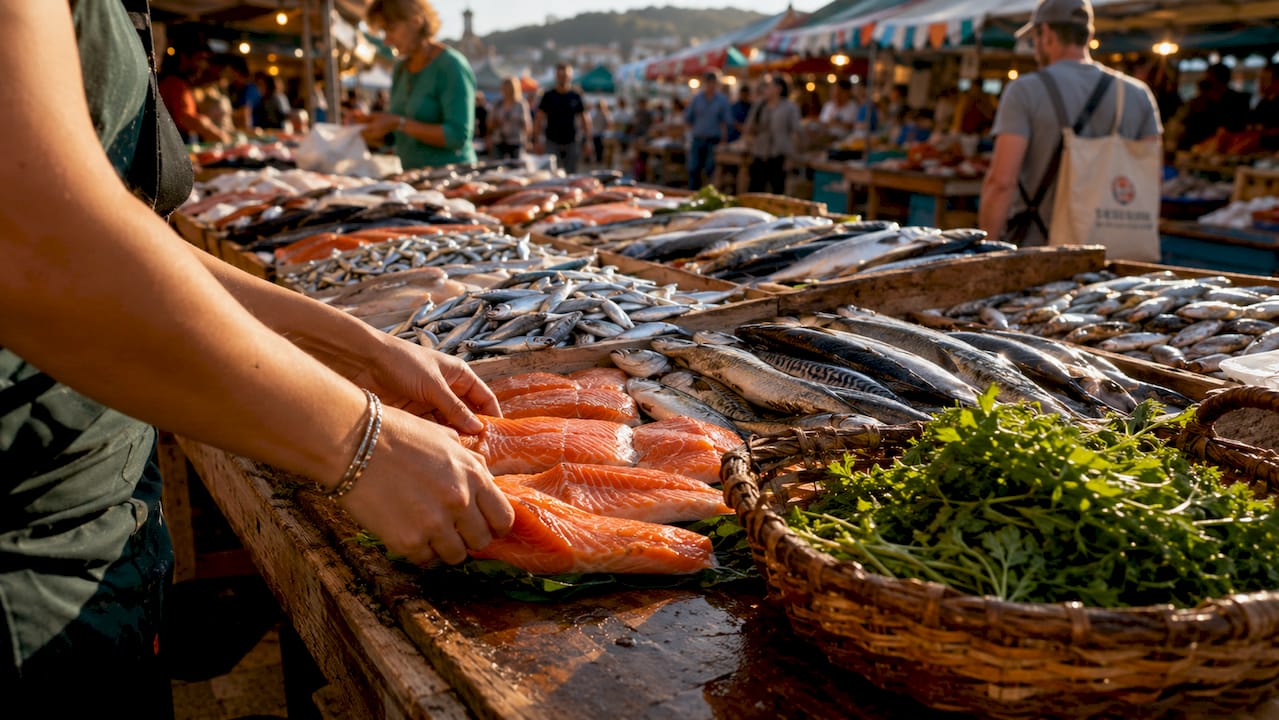
A 3-ounce serving of mackerel contains approximately 174 calories, 16 grams of protein, and up to 2,000 mg of omega-3 fatty acids. That is one of the highest omega-3 concentrations available in a single serving of any food. Atlantic mackerel in particular is both affordable and widely available canned or fresh.
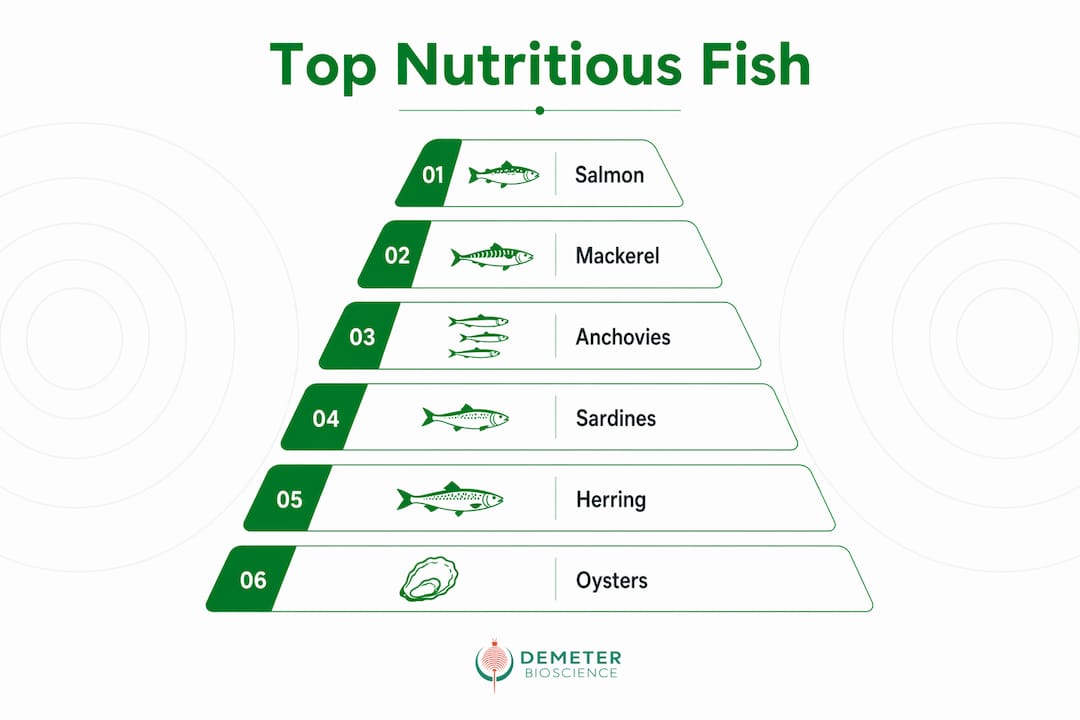
Oysters deserve a place on this list that most people overlook. Farmed oysters provide 8 grams of protein, over 500% of the daily value for vitamin B12, high zinc, and meaningful EPA/DHA per 3-ounce serving. They are also among the most environmentally responsible seafood choices available, requiring no feed or fertilizers and actively filtering water as they grow. That combination of nutritional density and environmental benefit is rare.
Lower-trophic species like sardines and oysters support both nutritional and environmental health goals because they accumulate fewer contaminants and require fewer resources to produce. Eating lower on the food chain is not a compromise. It is often the smarter nutritional choice.
| Species | Omega-3 per 3 oz | Protein | Sustainability | Best Form |
|---|---|---|---|---|
| Atlantic mackerel | Up to 2,000 mg | 16 g | High | Canned, fresh |
| Wild salmon | 1,200–1,800 mg | 22 g | Moderate to high | Fresh, frozen |
| Sardines | 1,000–1,500 mg | 21 g | Very high | Canned |
| Herring | 1,700 mg | 20 g | High | Canned, smoked |
| Oysters (farmed) | 400–600 mg | 8 g | Excellent | Fresh, jarred |
| Anchovies | 900 mg | 13 g | Very high | Canned, packed |
Pro Tip: Canned sardines packed in water or olive oil are nutritionally equivalent to fresh sardines and often contain edible bones, which add calcium and vitamin D to the serving.
Where and how to source healthy, sustainable marine fish
Sourcing matters as much as species selection. A nutritious fish purchased from an irresponsible fishery contributes to stock depletion and ecosystem damage, which ultimately reduces the availability of healthy seafood for everyone. Two resources make responsible sourcing straightforward: NOAA Fisheries and the Monterey Bay Aquarium's Seafood Watch program. Both provide free, regularly updated guides that rank seafood by sustainability and contaminant risk.
Choosing sustainable seafood supports both personal and planetary health goals simultaneously. This is not an abstract environmental argument. Overfished stocks produce smaller, less nutritious fish. Responsible fisheries maintain healthier populations with better nutrient profiles.
Practical sourcing options for most families include:
- Local grocery stores: Look for Marine Stewardship Council (MSC) or Aquaculture Stewardship Council (ASC) certification labels on packaging.
- Asian markets: Often carry a wider variety of fresh and frozen small fish like mackerel, herring, and anchovies at lower prices than mainstream supermarkets.
- Online retailers: Companies like Vital Choice and Wild Alaskan Company ship frozen wild-caught fish directly to consumers with full sourcing transparency.
- Frozen and canned options: Canned and pouched fish are nutritionally equivalent or superior to fresh fish in many cases, with longer shelf life and consistent quality. Canned salmon, sardines, and mackerel are among the most cost-effective nutritious seafood options available.
- Farmers markets and community-supported fisheries (CSFs): Provide direct access to locally caught, seasonal seafood with full traceability.
For families concerned about mercury, the FDA and EPA advise limiting consumption of large predatory species like swordfish, king mackerel, and bigeye tuna, particularly for pregnant women and young children. The SMASH species carry low mercury loads and are safe for regular weekly consumption.
Best cooking methods to preserve nutrition in marine fish
How you cook fish determines how much of its nutritional value you actually consume. High-heat frying reduces omega-3 content significantly, while baking, steaming, air frying, and grilling better preserve these nutrients. The difference is not trivial. Deep-frying at high temperatures oxidizes the delicate polyunsaturated fats that make marine fish valuable in the first place.
The goal is gentle, controlled heat. Steaming and pan-searing optimize omega-3 preservation while avoiding the saturated fat intake common with deep frying. Baking at 375°F to 400°F for 12 to 15 minutes is the most forgiving method for most home cooks and works well for salmon, mackerel, and cod.
| Cooking method | Omega-3 retention | Fat added | Best for |
|---|---|---|---|
| Steaming | Excellent | None | Delicate white fish, salmon |
| Baking | Very good | Minimal | Salmon, mackerel, cod |
| Grilling | Good | Minimal | Salmon, tuna, swordfish |
| Air frying | Good | Minimal | Fillets, fish cakes |
| Pan-searing | Good | Moderate | Salmon, sardines |
| Deep frying | Poor | High | Not recommended for nutrition |
Seasoning choices also affect the health profile of your meal. Herbs like dill, parsley, and cilantro add flavor without calories. Garlic and lemon complement omega-3-rich fish naturally. Avoid heavy cream sauces or breaded coatings if your goal is maximizing the nutritional value of the fish itself.
Pro Tip: When grilling fatty fish like salmon or mackerel, use a cedar plank or foil packet to retain natural juices and prevent the omega-3-rich fats from dripping into the flame and oxidizing.
Common mistakes to avoid when selecting and preparing marine fish
The most frequent mistake families make is substituting fish oil supplements for actual fish consumption. Whole fish provide a complete nutritional matrix that capsules cannot replicate. Supplements deliver isolated omega-3s without the protein, B vitamins, minerals, and co-factors that make whole fish so effective for long-term health.
A second common error is defaulting to the same one or two species repeatedly. Rotating through sardines, herring, salmon, oysters, and mackerel across the week delivers a broader spectrum of nutrients and reduces the risk of accumulating contaminants from any single source.
"Eating a variety of seafood, particularly lower-trophic species, is one of the most effective dietary strategies for combining personal nutrition goals with environmental responsibility." — Harvard Health
Key mistakes to avoid:
- Ignoring mercury risk in large predatory fish: Swordfish, shark, and king mackerel carry higher mercury loads. Limit these to occasional consumption, especially for children and pregnant women.
- Choosing unsustainable seafood without checking labels: Without MSC or ASC certification, you cannot verify sourcing practices. Use Seafood Watch as a quick reference.
- Undereating fish: The two servings per week recommendation from the American Heart Association represents a minimum for cardiovascular benefit, not a ceiling.
- Overcooking: Fish is done when it flakes easily with a fork. Overcooking destroys texture and degrades heat-sensitive nutrients.
- Skipping canned options: Canned sardines and salmon are among the most nutrient-dense, affordable, and sustainable proteins available. Dismissing them as inferior to fresh fish is a misconception with real nutritional cost.
Key takeaways
The most effective way to get maximum nutrition from marine fish is to choose SMASH species or oysters, source them from certified sustainable fisheries, and cook them with gentle heat methods like baking or steaming.
| Point | Details |
|---|---|
| Prioritize SMASH species | Salmon, mackerel, anchovies, sardines, and herring deliver the highest omega-3 and protein density. |
| Eat two servings per week | The American Heart Association's minimum recommendation supports heart and brain health. |
| Choose lower-trophic fish | Sardines, herring, and oysters offer strong nutrition with lower contaminant risk and environmental impact. |
| Use gentle cooking methods | Baking, steaming, and air frying preserve omega-3 content that high-heat frying destroys. |
| Canned fish is a smart choice | Canned sardines and salmon are nutritionally equivalent to fresh and often more affordable and sustainable. |
What I've learned from working at the intersection of fish nutrition and sustainability
Most people treat fish selection as a simple health decision, but the sustainability dimension changes the calculation in ways that matter. From my perspective working in aquatic nutrition, the most underrated shift a family can make is moving toward lower-trophic species and bivalves. Sardines and oysters are not consolation prizes for people who cannot afford salmon. They are, in many measurable ways, the superior nutritional choice.
I have also watched the canned fish category get dismissed repeatedly by consumers who associate it with compromise. That perception is wrong. Lower food chain fish like herring and sardines in canned form retain their calcium from edible bones, their vitamin D, and their omega-3 profile at a fraction of the cost of fresh fillets. The shelf stability makes consistent weekly consumption realistic for busy families in a way that fresh fish often is not.
The other misconception I encounter constantly is that farmed fish is automatically inferior to wild-caught. That is not accurate. Responsible aquaculture, particularly for species like oysters and mussels, produces nature-positive seafood that actively improves water quality. The quality of what fish eat determines the quality of the fish itself. That principle applies whether you are talking about human consumption or aquatic animal nutrition. Understanding sustainable fish feed practices gives you a clearer picture of why sourcing decisions at every level of the food chain matter.
— Demeter
How Demeterbioscience supports healthier fish from the inside out
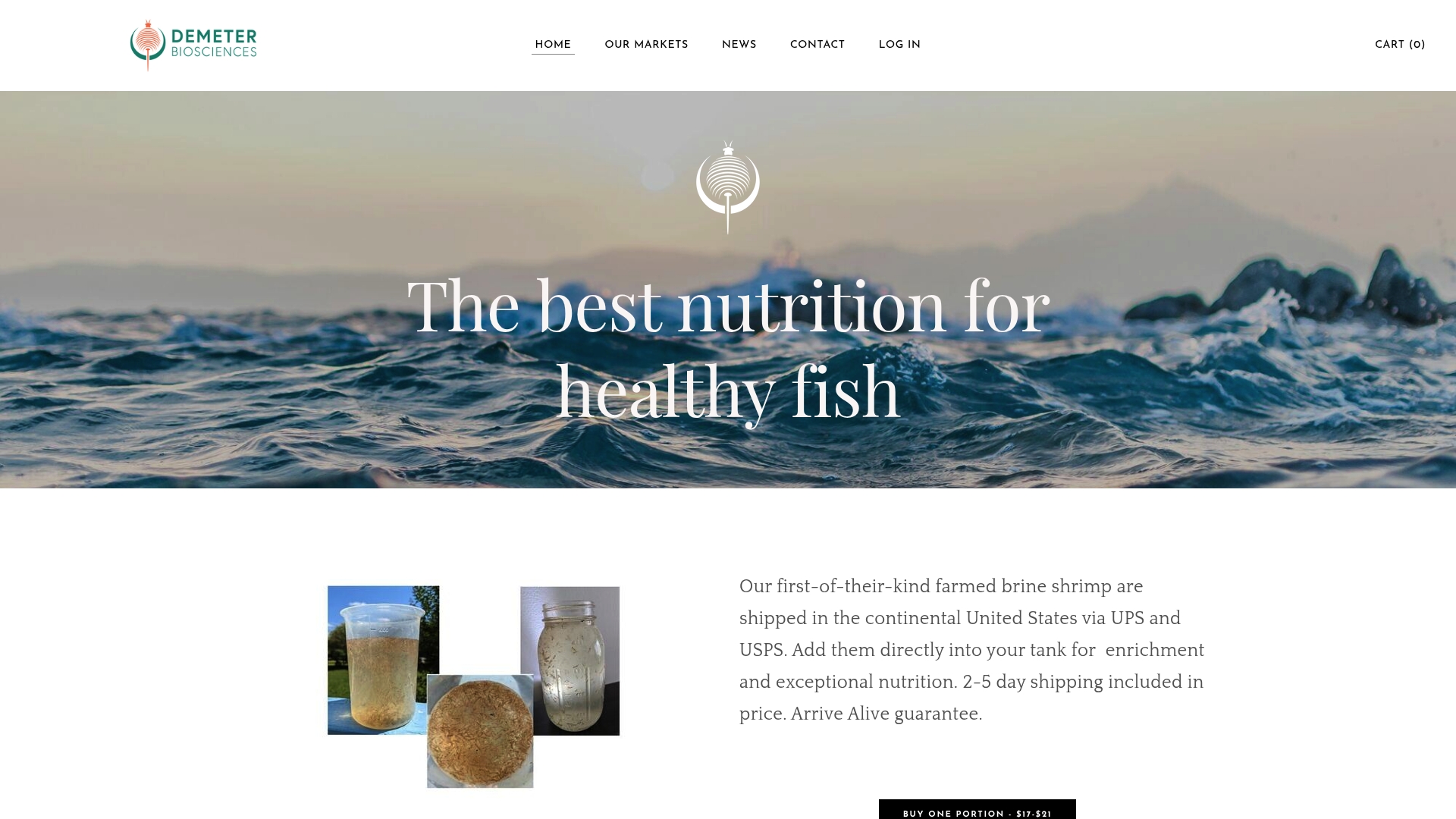
Demeterbioscience approaches marine fish nutrition from the foundation up. Healthy fish start with what they eat, and Demeterbioscience's land-based, organic brine shrimp cultivation system ensures that aquatic animals receive consistent, nutrient-dense live feed. Their brine shrimp are raised exclusively on Dunaliella microalgae, delivering at least 40% protein content and a stable omega fatty acid profile that wild-harvested brine shrimp cannot match due to seasonal variability and starvation conditions in natural ecosystems. For aquarists, fish store owners, and aquaculture operators who want to support the nutritional quality of their fish, Demeterbioscience offers direct-to-consumer shipments, monthly subscription plans, and bulk retail packages. Better feed produces healthier fish, and healthier fish deliver better nutrition to the people who eat them.
FAQ
What are the most nutritious marine fish to eat?
The SMASH species (Salmon, Mackerel, Anchovies, Sardines, Herring) and farmed oysters consistently rank as the most nutrient-dense marine fish, delivering high omega-3s, complete protein, and essential vitamins like B12 and D per serving.
How many servings of fish should you eat per week?
The American Heart Association recommends two servings of 3.5 ounces of cooked fatty fish per week to support heart and brain health through regular omega-3 intake.
Is canned fish as nutritious as fresh fish?
Canned fish is nutritionally equivalent to fresh fish and often superior in calcium content because sardines and salmon are canned with edible bones. Omega-3s, protein, and B vitamins are well preserved through the canning process.
Which fish should you limit due to mercury?
Swordfish, shark, king mackerel, and bigeye tuna carry the highest mercury loads and should be limited, particularly for pregnant women and children. SMASH species carry low mercury levels and are safe for regular weekly consumption.
Does cooking method affect the health benefits of fish?
Cooking method directly affects omega-3 retention. Baking, steaming, grilling, and air frying preserve omega-3 fatty acids effectively, while deep frying at high temperatures oxidizes and degrades these beneficial fats significantly.