
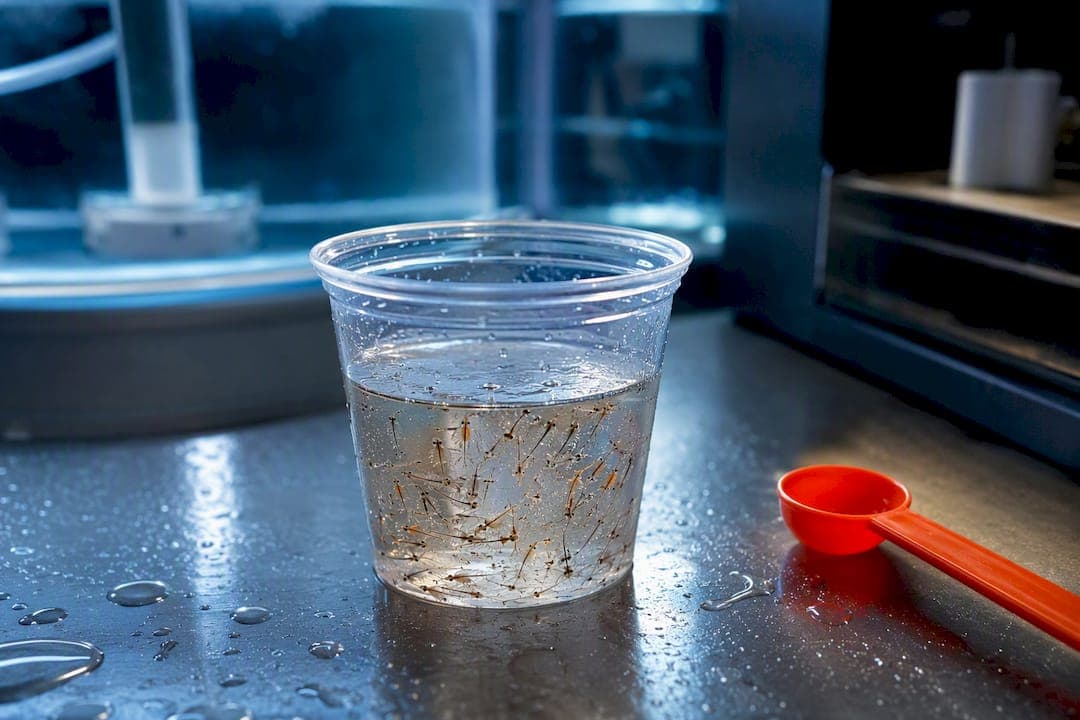
Expect to pay roughly $10 to $20 for a small live nauplii bottle, $15 to $40 per ounce for packed live brine shrimp, and $5 to $15 for a can of decapsulated eggs. For hobbyists who want predictable freshness without hunting through marketplace listings, a direct farm subscription is the fastest reliable route, since it locks in a hatch and ship schedule instead of leaving you to chase whatever a local shop happens to have in stock.
TL;DR:
- A small live nauplii bottle typically costs $10 to $20, with per-ounce prices decreasing for larger packages or bulk orders.
- Prices for live shrimp fluctuate based on life stage, cultivation method, packaging, and seasonal wild harvest variations.
- Subscription services offer fresher, more predictable stock, while marketplace sellers often have less reliable quality and harvest notes.
- Calculating cost per feeding involves dividing package price by usable volume and multiplying by your actual feed amount, with larger packages lowering true cost.
- Proper shipping timing and immediate aeration are crucial for live shrimp survival, or using eggs can bypass transit-related losses.
Table of Contents
- How Much Does Live Brine Shrimp Cost by Package Size?
- What Makes Brine Shrimp Prices Go Up or Down?
- Where Should You Buy Live Brine Shrimp in the United States?
- How Do You Calculate Cost Per Feeding?
- How Do You Keep Live Shrimp Alive After Shipping?
- Why Farmed, Algae-Fed Brine Shrimp Cost More
- Order Live Brine Shrimp: Single, Subscription, or Bulk
- Where to Verify Current Prices and Learn More
How Much Does Live Brine Shrimp Cost by Package Size?
Price swings a lot depending on format, and comparing raw dollar figures across sellers is close to useless unless you convert everything to the same unit. Here's what current US retail listings tend to look like, broken down by format:
- Small live nauplii bottles (1 to 2 oz): $10 to $20, which works out to roughly $8 to $15 per ounce
- Live packed ounces (sold by weight, not bottle count): $15 to $40 per ounce, with premium farmed sources sitting at the higher end
- Egg cans (decapsulated or standard, 4 to 8 oz): Egg pricing at retailers like Aquarium Co-Op commonly lands between $10 and $25 depending on can size and hatch-rate guarantees
- Hatch-in-transit "nano" bottles: these ship 24 to 48 hours before hatch and are priced per bottle with volume discounts for multi-bottle orders
- Bulk retail packages (for stores, museums, or research use): per-unit cost drops sharply, since bulk ordering exists specifically to serve institutional buyers at volumes a hobbyist would never need
What Makes Brine Shrimp Prices Go Up or Down?
Four factors drive most of the price spread you'll see between listings.
- Life stage: nauplii (newly hatched) are the cheapest form to buy live, juveniles cost more because they've eaten and grown, adults cost more still, and eggs sit in their own category since you're paying for hatch potential rather than immediate feeding
- Feed and cultivation method: brine shrimp raised on a controlled microalgae diet in a managed system tend to cost more than wild-harvested shrimp, because the feed input and consistent water quality are real production costs, not marketing
- Packaging and shipping: anything shipped live in water with aeration costs more to package and ship than eggs in a dry can, and rush or overnight shipping adds a real dollar amount on top
- Seasonal supply: wild-harvest brine shrimp pricing can spike when natural populations dip, though farmed sources are less exposed to that swing since they don't depend on wild lake conditions
Pro Tip: If a listing doesn't specify life stage, assume it's nauplii unless "adult" or "juvenile" is stated. Nauplii are smaller, cheaper, and better suited for fry and small fish, so paying an adult-shrimp price for a nauplii bottle is money wasted.
Where Should You Buy Live Brine Shrimp in the United States?
You've got four realistic channels, and each one trades price against convenience differently.
- Direct farm subscriptions. These typically run slightly higher per unit than a one-off marketplace buy, but you get predictable cadence and fresher stock on arrival, which cuts down on the die-off that eats into your actual usable volume. This is the best fit if you feed on a routine schedule and hate guessing when your next order will show up.
- Specialty online retailers. Good stock availability and occasional autoship discounts, though many enforce a minimum order size to make shipping worthwhile, so a single small bottle might not qualify for free or discounted shipping.
- Local fish stores and pet shops. Same-day pickup with no shipping risk, but per-unit cost usually runs higher and stock can be inconsistent, especially at smaller independent shops that don't move live foods quickly.
- Marketplace and classified sellers. Prices can look attractive, but quality is unpredictable since you're relying entirely on an individual seller's harvest timing, packaging skill, and shipping habits. Always check for recent harvest or hatch notes and read seller reviews before committing to a marketplace order.
How Do You Calculate Cost Per Feeding?
The math is simple once you have the two numbers that matter: package price and usable live volume.
- Formula: package price ÷ usable live volume (oz or hatch yield) = cost per unit, then multiply by your daily feed amount
- Hobby tank example: a $15 one-ounce bottle used at roughly 1/8 oz per feeding, three times a week, works out to under $1 a week, or around $4 a month
- Breeder with fry example: a breeder running daily nauplii feedings for a growing batch of fry might use a full ounce every two to three days, which pushes monthly cost into the $30 to $60 range depending on batch size and how many tanks are being fed
Buying a slightly larger package almost always lowers your true cost per feeding, even when the upfront price tag looks bigger.
How Do You Keep Live Shrimp Alive After Shipping?
Timing your delivery matters as much as the price you paid. Shipping typically takes two to three days in transit, and scheduling delivery for early in the week avoids shrimp sitting in a hot delivery truck or a cold porch over a weekend.
- Schedule shipments for Monday through Wednesday arrival whenever a seller lets you choose a date
- On arrival, check water temperature and aerate immediately before doing anything else
- Acclimate slowly into a holding container rather than dumping shrimp straight into your display tank
- Use gentle aeration or a sponge filter for short-term holding, and feed juveniles a bit of microalgae paste if you're holding them more than a day
- If your delivery schedule is unreliable or you order infrequently, buying eggs instead of live shrimp sidesteps the whole transit-survival problem since eggs store far longer before you need them
Pro Tip: Keep a spare air pump and battery backup on hand if you order live shrimp regularly. A short power outage during a heatwave can wipe out an entire shipment in a few hours.
Why Farmed, Algae-Fed Brine Shrimp Cost More
Wild-harvested brine shrimp come from lakes where feed availability swings with the season, and shrimp caught during a lean stretch carry less nutritional value than shrimp caught after a algae bloom. A controlled system removes that guesswork. Cultivation fed exclusively on Dunaliella algae produces a consistent protein profile batch after batch, which is exactly what a breeder tracking fry growth rates actually needs. Buyers running subscriptions get that consistency on a schedule instead of hoping a fresh batch lines up with their feeding calendar.
— Demeter
Order Live Brine Shrimp: Single, Subscription, or Bulk
Demeterbioscience sells live brine shrimp three ways: a one-time order for buyers testing the waters, a monthly subscription for anyone feeding on a routine, and a bulk order option built for local fish stores, museums, and research institutions that need volume.
Before you check out, settle three things: what life stage your tank actually needs, what package size matches your feeding volume, and whether a recurring subscription beats placing new orders every few weeks. Check current hatch and harvest timing before you order so your delivery window lines up with when you'll actually feed it out, and if you're weighing live shrimp against frozen or freeze-dried alternatives, this comparison of live versus frozen brine shrimp is worth a read first. Ready to place an order? Head to the live brine shrimp product page and pick the package size that matches what you calculated above.
Where to Verify Current Prices and Learn More
Check the live brine shrimp and bulk order pages for current pricing, or read storage tips for holding live shrimp and general aquarium care guidance for feeding schedules.