

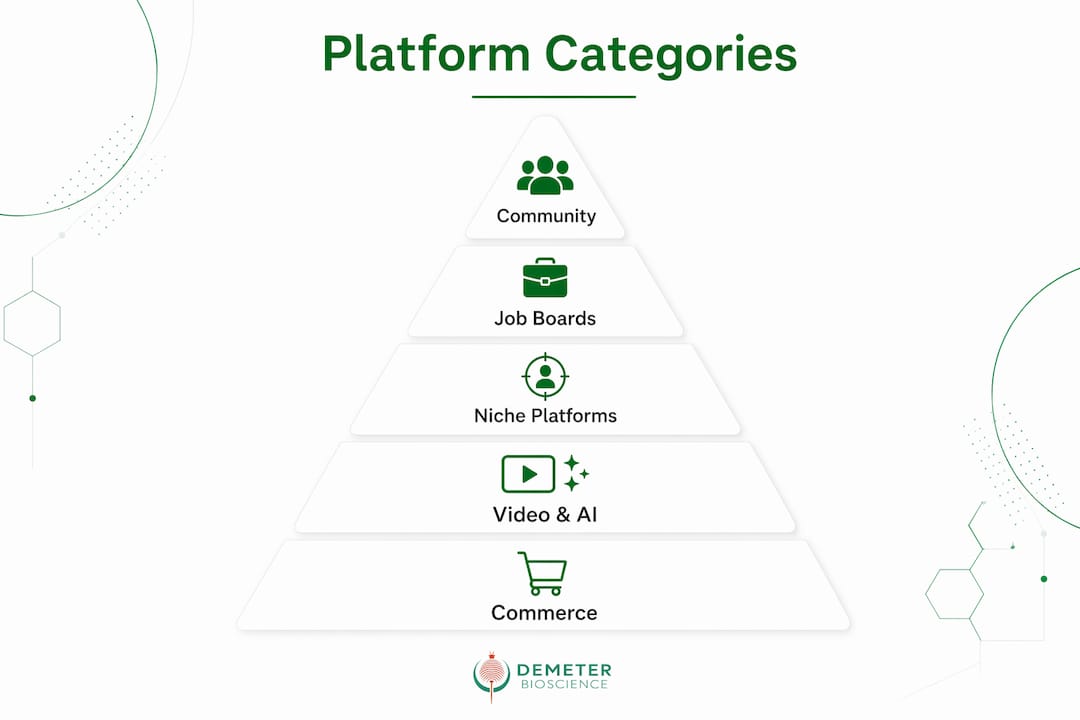
For aquatic animal farmers and ornamental fish hobbyists in the United States, the best linkedin.com alternatives fall into three clear categories: community-based platforms built on local trust, job-board-focused sites suited for hiring and commerce, and niche professional or portfolio networks that verify skills through multimedia and AI. Each solves a different problem that legacy LinkedIn has stopped solving well.
Here is a quick map of the field:
- Community-based: Meetup, Alignable (trusted by over 10 million business owners)
- Job-board-focused: Indeed, Wellfound
- Niche professional and portfolio: Peerlist, GitHub, Behance
- Video-first and AI-driven: Fliq, Insorea
- Commerce-enabled: Aura Social
For aquaculture professionals, the platforms that matter most are the ones where trust is built before a transaction happens, not after.
Table of Contents
- Which linkedin.com alternatives fit your professional use case?
- How to choose a professional networking platform for aquaculture commerce
- How Demeterbioscience connects sustainable brine shrimp nutrition with trusted commerce
- Key Takeaways
- Why the right network matters more than the biggest one
Which linkedin.com alternatives fit your professional use case?
Not every platform deserves equal attention. The right choice depends on what you actually need: local relationships, a talent pipeline, a portfolio, or a trusted place to buy and sell live aquatic feed.
Community-based platforms
Meetup connects professionals through in-person and virtual events, with over 60 million users and groups organized by geography and interest. For ornamental fish hobbyists, local aquarium clubs and aquaculture meetups are already active on the platform. The face-to-face format builds the kind of trust that a cold LinkedIn connection never does.

Alignable is the standout here. It prohibits cold solicitation outright, which means conversations on the platform are genuinely productive rather than pitch-heavy. Small aquaculture operations benefit from its local-first architecture: you connect with nearby fish stores, feed suppliers, and hobbyist communities rather than a global audience that has no use for your product.
Job-board-focused platforms
Indeed carries over 600 million job seeker profiles, making it one of the deepest talent pools available to aquaculture operations looking to hire hatchery technicians or aquatic nutrition specialists. The tradeoff is competition: you will need a promoted listing to stand out.
Wellfound (formerly AngelList Talent) skews toward startup-minded professionals and offers a free tier, which suits smaller aquaculture ventures that cannot justify LinkedIn Recruiter pricing.
Niche professional and portfolio platforms
Peerlist lets professionals build verified skill profiles with project-level evidence, not just job titles. For aquaculture researchers or sustainable feed developers, that specificity matters when you are trying to establish credibility with a buyer or collaborator.
GitHub is the go-to for any aquaculture operation building proprietary monitoring software, sensor integrations, or data pipelines. Recruiters can search by programming language and location, and the public activity record speaks louder than a resume.
Behance serves creative professionals, including those producing educational content, branding, or visual documentation for aquatic exhibits and hobbyist communities.
Video-first and AI-driven platforms
Fliq takes a direct shot at LinkedIn's core problem: too much noise, not enough signal. Its 60-second video profiles replace bullet-point resumes, and an AI startup scoring system rates credibility on a structured scale. Verified badges confirm identity instantly. For aquaculture professionals tired of cold pitches, Fliq's matching model connects people based on relevance rather than connection count.
Insorea was built from scratch rather than retrofitted with AI features. Its autonomous agents, Freda and Jud, handle job matching, content creation, and outreach without requiring constant manual input. That architecture is a genuine departure from platforms that bolt AI onto 20-year-old infrastructure.
Commerce-enabled platforms
Aura Social was designed for the South African market, offering ZAR-native escrow and direct EFT payouts. It is worth noting for U.S. aquaculture professionals as a model of what commerce-first professional networking looks like: payment protection built in, not added later. U.S.-based platforms in this category are still catching up.
How to choose a professional networking platform for aquaculture commerce
The wrong platform costs you time and credibility. These criteria cut through the noise.
- Use case alignment: Define whether you need networking, hiring, portfolio visibility, or direct commerce before signing up. A platform optimized for job seekers will frustrate a small aquaculture business owner looking for local buyers.
- User base characteristics: Platform size matters less than relevance. A smaller, niche-focused community of aquatic professionals will outperform a massive general network where your posts disappear.
- Trust and solicitation policies: Alignable's anti-solicitation stance is the clearest example of a platform that protects its members' time. Look for explicit policies, not just community guidelines that nobody enforces.
- Verification methods: AI credibility scores and video profiles, as seen on Fliq and Insorea, reduce the guesswork of evaluating a new contact. A verified badge or a 60-second video tells you more than a profile photo and a job title.
- Payment and currency support: If your platform doubles as a marketplace, payment protection is non-negotiable. Escrow, built-in contracts, and local currency support all reduce friction and risk.
- AI integration depth: Platforms built natively with AI agents, like Insorea, reduce the manual work of lead sourcing and outreach. That matters when you are running a lean aquaculture operation and cannot afford a dedicated sales team.
Pro Tip: Balance platform innovation with community size. A cutting-edge AI networking tool with 500 active users in your region is less useful than a well-established local group on Meetup with 2,000 members who actually show up.
How Demeterbioscience connects sustainable brine shrimp nutrition with trusted commerce
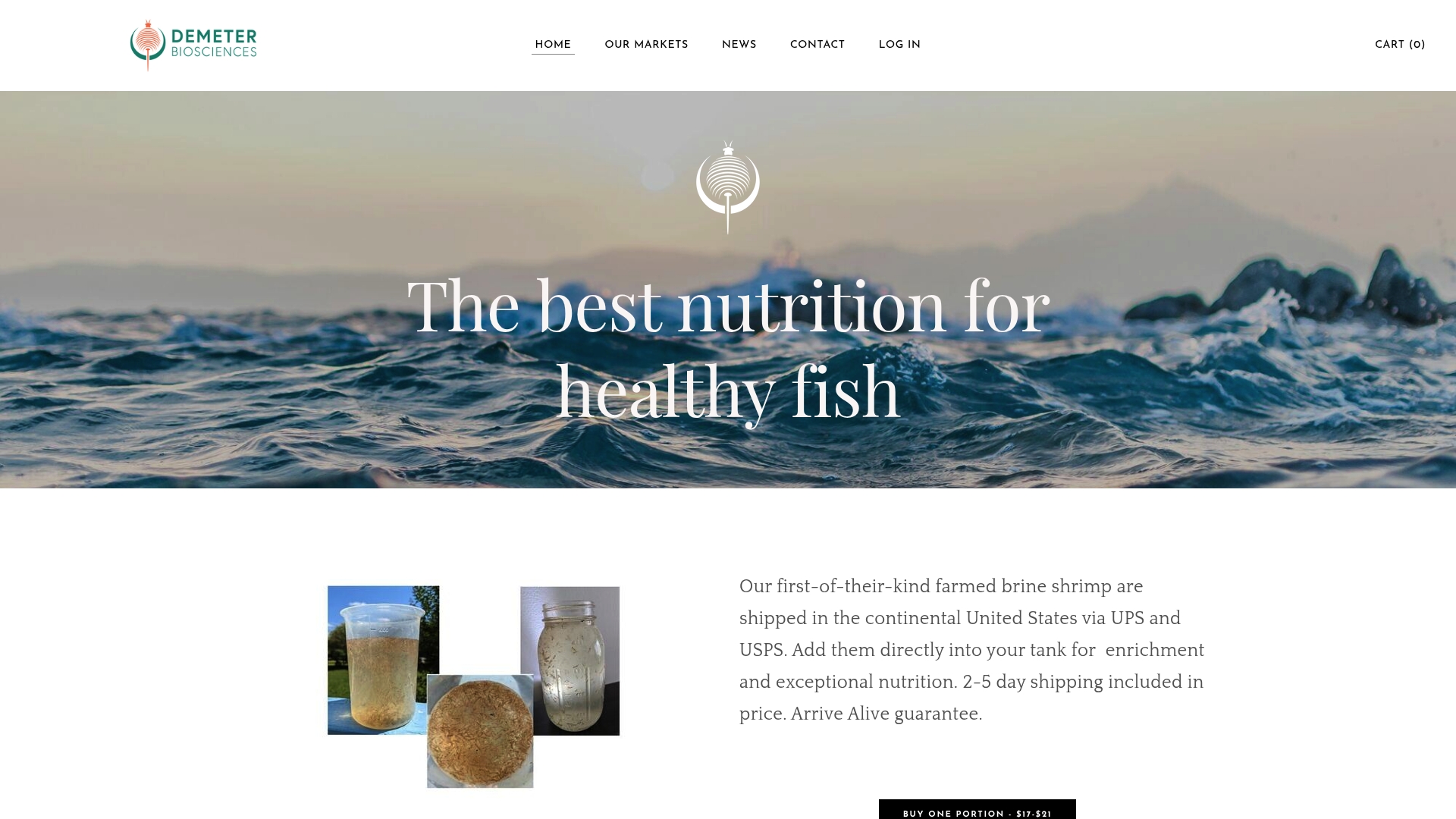
Demeterbioscience operates at the intersection of sustainable aquaculture and the kind of trusted commerce that professional networks are supposed to enable. Their live brine shrimp are cultivated in land-based systems fed exclusively on Dunaliella algae, delivering a minimum 40% protein content with consistency that wild-harvested brine shrimp cannot match. Seasonal variability and starvation conditions in natural ecosystems make wild sources unreliable; Demeterbioscience's controlled environment eliminates both problems.
The product line covers a range of buyer needs:
- Direct-to-consumer shipments for hobbyists and small-scale farmers
- Monthly subscription plans for operations that need a reliable, recurring supply
- Bulk institutional orders for museums, public aquariums, and local fish stores
For aquaculture professionals sourcing sustainable aquatic feed, the quality gap between Demeterbioscience's farmed product and wild-caught alternatives is significant. The controlled Dunaliella diet produces brine shrimp with consistent nutritional profiles, which translates directly to better fish health outcomes. That consistency is what buyers in trusted commerce networks are actually paying for.
Community-based professional networks amplify this advantage. When aquaculture professionals connect through platforms like Alignable or Meetup, they share sourcing experiences, supplier recommendations, and product feedback. Demeterbioscience's role in that ecosystem is not just as a supplier but as a resource for the broader community of professionals committed to sustainable aquatic nutrition. Their brine shrimp product page details the full production methodology for buyers who want to understand what they are purchasing before they commit.
Key Takeaways
The most effective professional networking platforms for U.S. aquaculture and ornamental fish professionals in 2026 combine local trust, verified credibility, and commerce-ready features that legacy platforms have consistently failed to deliver.
| Point | Details |
|---|---|
| Three platform categories | Community-based, job-board-focused, and niche portfolio platforms each serve distinct professional needs. |
| Alignable's trust model | Over 10 million business owners use Alignable, which bans cold solicitation to keep connections productive. |
| AI and video verification | Platforms like Fliq and Insorea use video profiles and AI scoring to replace resume noise with real credibility signals. |
| Commerce criteria | Payment protection, escrow, and currency support are non-negotiable when a platform doubles as a marketplace. |
| Demeterbioscience's role | Farmed brine shrimp with minimum 40% protein content supports trusted, consistent commerce within aquaculture networks. |
Why the right network matters more than the biggest one
The conventional wisdom says go where the most people are. For aquaculture professionals, that logic leads straight to LinkedIn, where your post about sustainable brine shrimp nutrition competes with motivational quotes and AI-generated thought leadership from people who have never touched a tank.
The shift happening across professional networking in 2026 is a move away from connection counts toward verified, interest-aligned matches. That shift is directly relevant to aquatic animal farmers and ornamental fish hobbyists, because your buyer is not a generic professional. They care about protein content, sourcing transparency, and whether a supplier can deliver live product reliably. A platform that connects you with 10,000 irrelevant contacts is less valuable than one that connects you with 50 people who are actively sourcing sustainable aquatic feed.
Demeterbioscience's model reflects this logic. Their products are built for a specific, knowledgeable buyer, and the networks that serve that buyer best are the ones that prioritize quality of connection over volume. Community platforms like Alignable, where local business owners build relationships before they make purchasing decisions, align naturally with how live aquatic nutrition commerce actually works. Video-first platforms like Fliq accelerate trust by letting a supplier show their operation rather than describe it. And AI-native platforms like Insorea reduce the friction of finding the right contact in the first place.
The best professional network for your aquaculture business is not the one with the most members. It is the one where the right people are already talking about the problems you solve.