

Securing a reliable supply of live brine shrimp that meets consistent nutrition standards and delivers on time is a challenge for both hatcheries and aquarium hobbyists. Many suppliers restrict shipping to certain regions, lack transparent pricing, or offer inconsistent product quality and support, making regular feeding routines unpredictable. This comparison covers price, nutrition claims, live delivery options, and bulk ordering policies so you can select a live brine shrimp supplier that fits your volume needs and scheduling demands.
Table of Contents
- Demeter Biosciences
- Aquadip
- Brine Shrimp Direct
- Great Salt Lake Artemia
- Comparative Analysis of Leading Live Brine Shrimp Suppliers
Demeter Biosciences
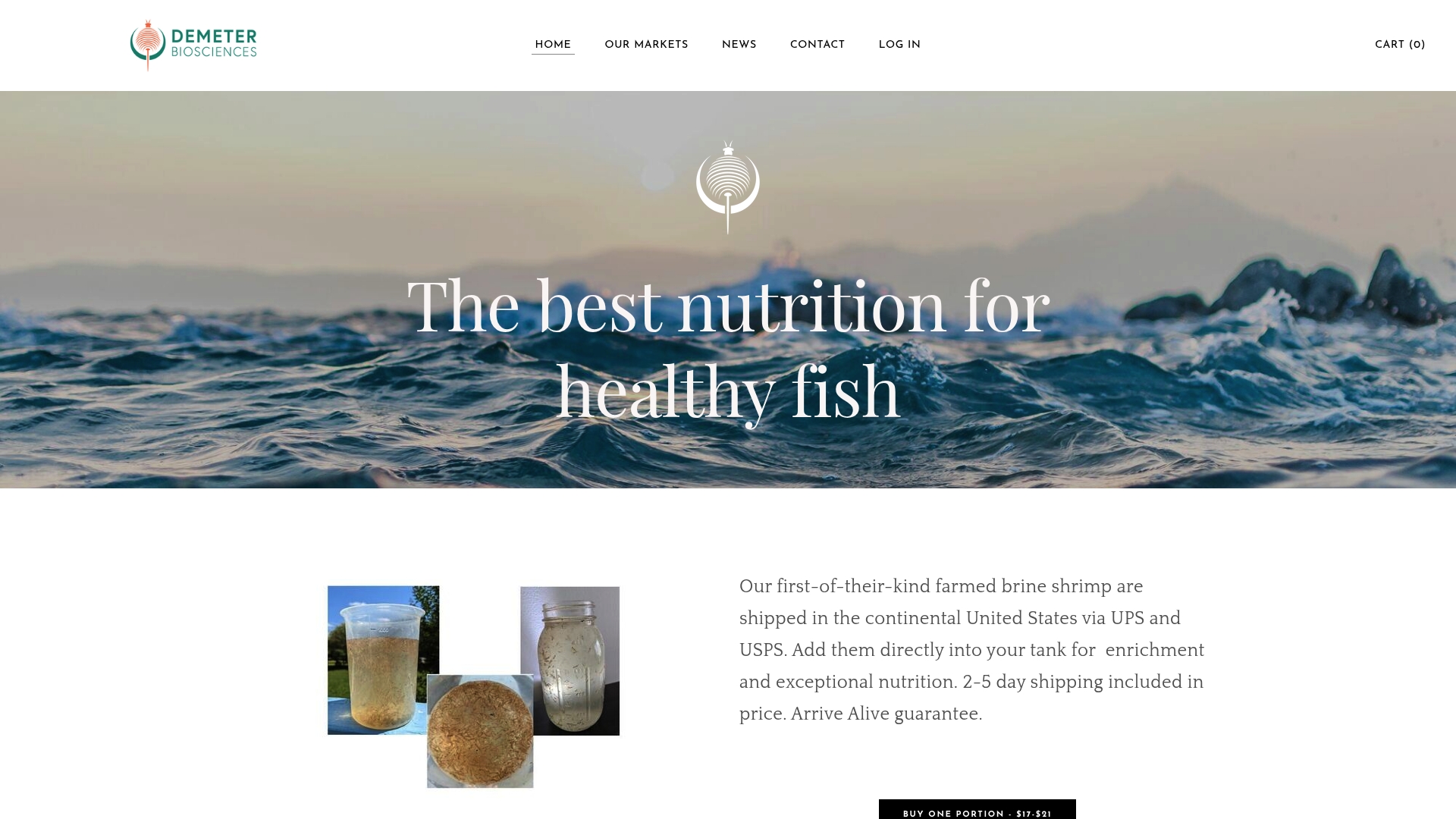
At a Glance
Live brine shrimp subscriptions start at $25 per month and single live portions sell from $17 to $21, with bulk boxes advertised between $90 and $130. The company reports at least 40% protein content for its farmed brine shrimp, a vendor claim that underscores its nutrition pitch.
Core Features
- Land-based cultivation of microalgae and brine shrimp to avoid ocean harvest volatility and reduce mercury exposure.
- Customizable fish and animal feed ingredients formulated for protein and omega-3 content.
- Microalgae used for bioremediation of agricultural waste and for CO2 sequestration as part of production.
- Versatile product formats including live, frozen, and bulk options to serve hatcheries, hobbyists, and institutional buyers.
Key Differentiator
Demeter advances organic, land-based systems that produce mercury-free biomass and let customers specify nutritional profiles. That production model combines controlled feedstock and cultivation so product composition stays consistent across shipments rather than fluctuating with seasonal ocean harvests.
Pros
- Land-based production reduces pressure on wild stocks and provides predictable supply windows for hatcheries that need continuous feed rather than seasonal pickups.
- High nutrition profile aimed at higher protein and omega-3 content supports healthier larval growth and stronger postlarval survival for commercial hatcheries.
- Organic cultivation and on-farm quality control lower contamination risk from ocean pollutants and make lot-to-lot composition more consistent.
- Direct-to-consumer live shipments, monthly subscription plans, bulk retail packages for museums and local fish stores, and gift card options give both hobbyists and buyers institutional ordering paths.
Cons
- Distribution is focused on select U.S. regions, notably East Coast and Midwest, so international and many West Coast customers cannot order reliably right now.
Who It's For
Aquaculture producers, fish hatcheries, and sustainable farming operations that need mercury-free, high-protein feed ingredients and predictable deliveries. Researchers testing alternatives to ocean fish meal and aquarium hobbyists who want consistent, lab-cultured live feed also fit this profile.
Unique Value Proposition
A predictable purchase model with live shipments and subscriptions stabilizes hatchery feed logistics. For operators juggling larval supply cycles, paying a flat subscription and receiving scheduled live feed reduces last-minute sourcing from wild harvests and cuts seasonal variability in nutrition.
Real World Use Case
A small hatchery signs up for the monthly brine shrimp subscription and receives timed shipments matching its spawn schedule. Staff report easier feeding routines, more consistent growth across cohorts, and fewer sudden nutrition shortfalls during off seasons.
Pricing
Prices vary by product and quantity. Live portions run from $17 to $21, monthly subscriptions start at $25, and bulk boxes are listed from $90 to $130. Shipping is included in those figures and no wholesale discount schedule is detailed.
Website: https://demeterbioscience.com
Aquadip
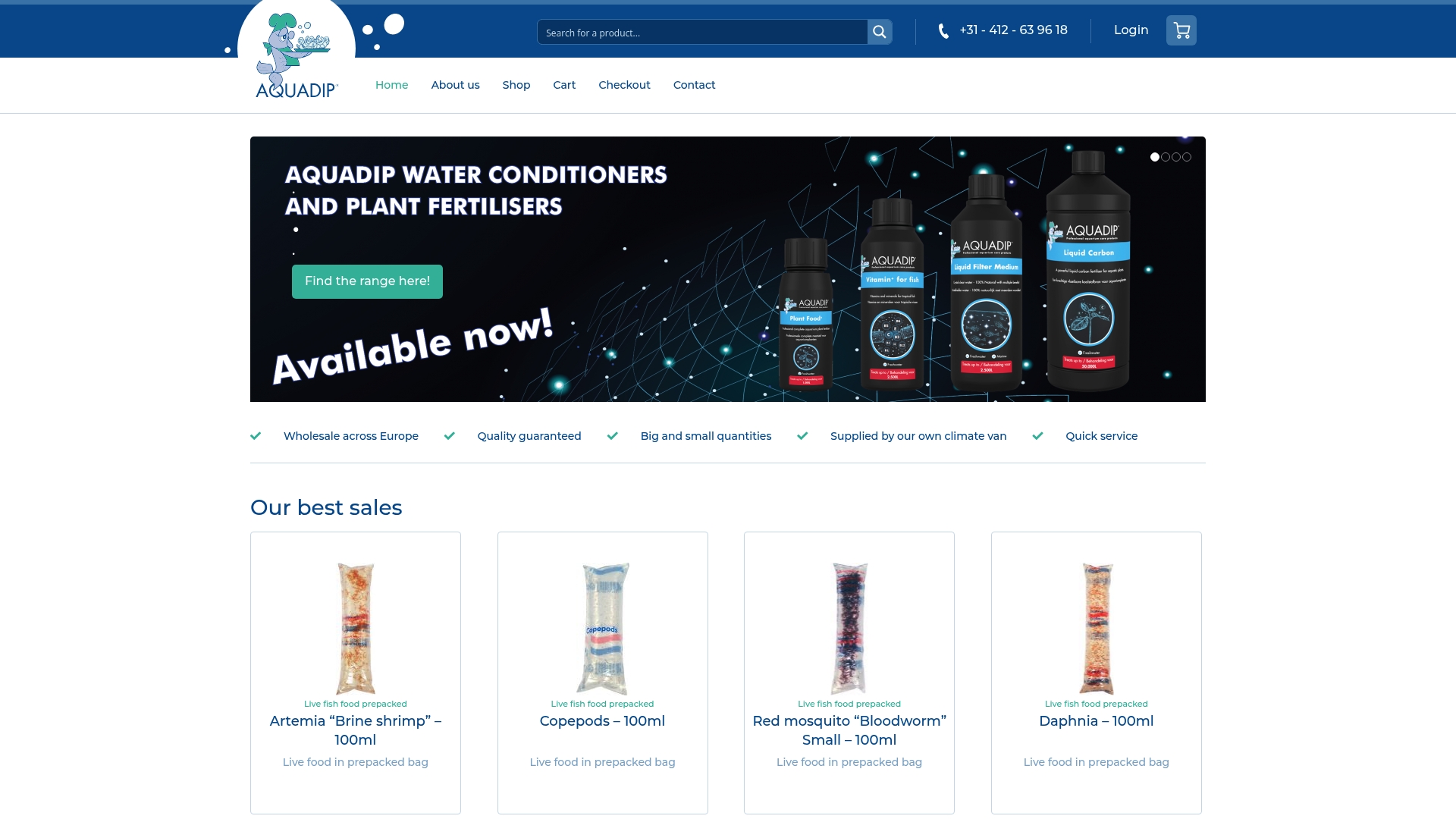
At a Glance
Aquadip manufactures its own live, frozen, and dry fish foods while offering private label production and year-round supply across Europe. That manufacturing control lets dealers and retailers order branded product runs and predictable volumes even during seasonal demand swings.
Core Features
Aquadip maintains a broad catalog that covers live foods, frozen and dry feeds, aquatic plants, and pond care items. The vendor advertises an in-house manufacturing process and a quality guarantee that supports both retail packs and bulk volumes.
Aquadip ships across Europe and supports private label runs for clients who want branded lines rather than relabeling generic stock.
Key Differentiator
Aquadip’s control over manufacturing and private label capability lets customers scale a branded product line without managing multiple vendors. Compared with Demeterbioscience, which focuses on farmed live brine shrimp fed on microalgae, Aquadip targets retailers and pond owners who need a wider assortment of feeds, plants, and branded SKUs.
Pros
- Broad selection reduces vendor count. Retailers stocking aquariums and ponds can source feeds, plants, and care products from a single supplier, simplifying purchasing.
- Manufacturing control improves consistency. Owning production lets Aquadip hold product specs steady across seasons.
- Private label capability opens a revenue stream for independent shops and small brands who want branded packaging without new production infrastructure.
- Year-round availability helps businesses avoid seasonal gaps in live and frozen stock because Aquadip emphasizes consistent supply.
- Customer service and reliable deliveries are highlighted in the product data, which matters if you run weekly storefront orders.
Cons
- Limited third-party reviews are available, so independent performance records are sparse compared with larger consumer brands.
- Shipping outside Europe can be costly or restricted. That makes single orders from distant markets less practical.
- The catalog focuses on aquatic and pond supplies and offers fewer related accessories compared with some full-line pet wholesalers.
When It May Not Fit
If you operate outside Europe or need a global dropship partner, Aquadip may frustrate you due to the shipping and service limits noted above. Likewise, stores that want a full pet supply assortment including terrestrial reptile gear and major aquarium hardware might find the product mix narrower than a broadline distributor.
Who It's For
Aquadip suits European hobbyist buyers, local fish stores, and professional aquaculture operators who value consistent product quality and the option to produce private label lines. It fits buyers who prefer one supplier for live foods, frozen feeds, plants, and regular bulk deliveries.
Real World Use Case
A small retail shop partners with Aquadip to stock aquarium and pond sections. The shop places monthly bulk orders for live food and plants, uses the private label service to launch a branded line, and relies on regular deliveries and responsive customer support to keep inventory fresh.
Pricing
Prices vary by category with affordable small packs and premium large-volume options. Bulk pricing is available for retailers and private label orders. Shipping costs depend on order size and destination and are a material part of landed cost for non European customers.
Website: https://aquadip.nl
Brine Shrimp Direct
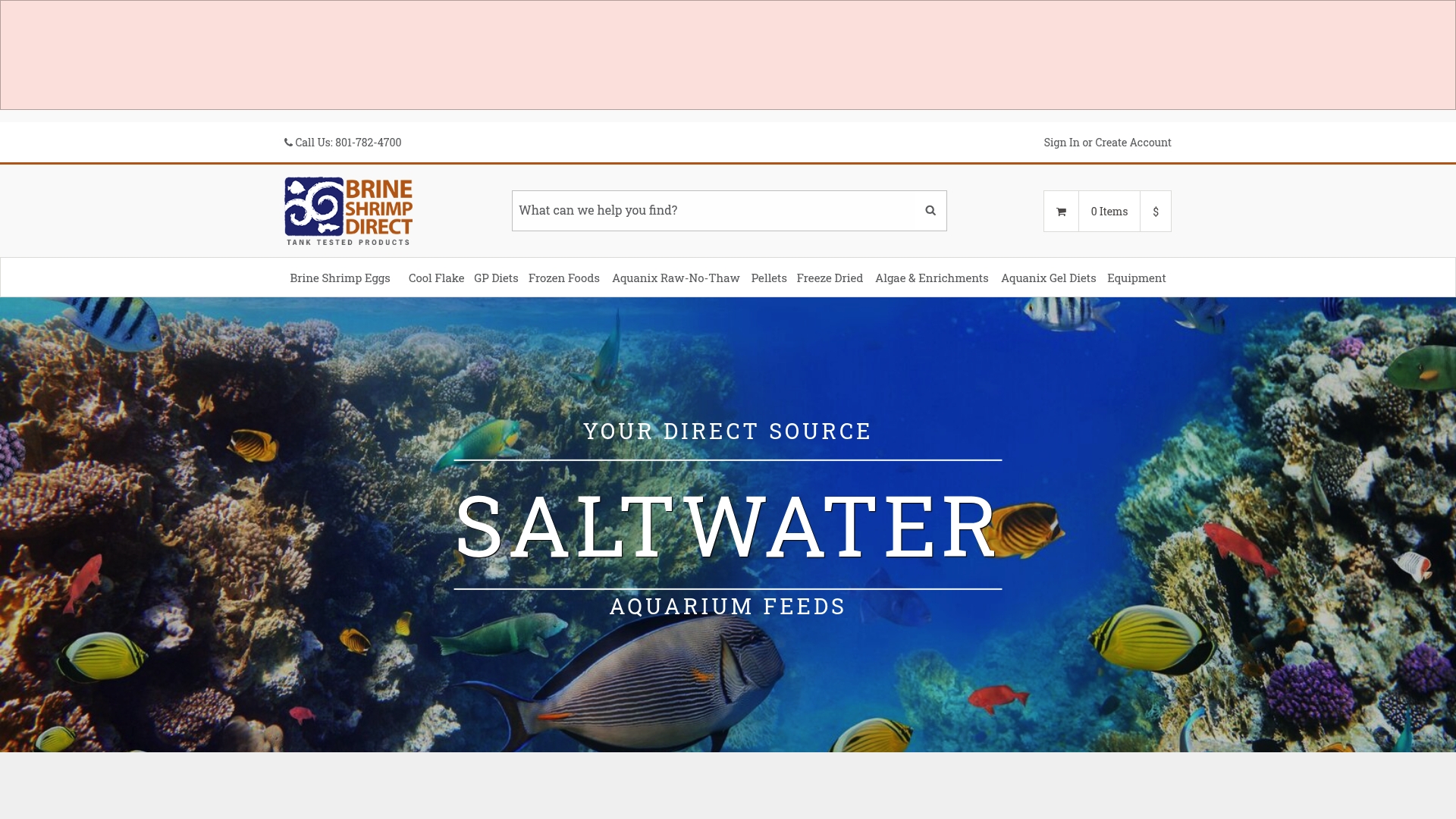
At a Glance
Decapsulated and strain specific brine shrimp eggs sit alongside hatchery kits, frozen invertebrate foods, algae pastes, and gel diets in the catalog. The offering targets U.S. aquaculture pros, breeders, and serious hobbyists who need research grade feeds and detailed technical support.
Core Features
- Brine shrimp eggs in multiple grades, including premium, Grade A, decapsulated, and strain specific options for targeted breeding or research.
- Frozen foods covering invertebrates, reef mixes, and marine specific blends formulated for juvenile and adult stages.
- Hatchery kits and accessories plus educational guides for setup, troubleshooting, and improving hatchery outcomes.
- Algae pastes and gel diets tailored for larval development and species with specialized feeding needs.
- Industry oriented quality guarantees and customer support focused on product consistency and technical questions.
Key Differentiator
The catalog depth is the selling point. Brine Shrimp Direct combines a wide array of egg grades with a full suite of frozen and prepared feeds so buyers can source everything from eggs to feed in one place. Compared with Demeter Biosciences, which emphasizes farmed live brine shrimp fed on Dunaliella, this supplier is more of a specialty feed and hatchery catalog for labs, breeders, and advanced hobbyists.
Pros
-
Recognized in aquarium and aquaculture circles for product consistency and technical documentation that helps repeatable results.
-
The non egg feed selection is strong, with frozen invertebrates and reef mixes that breeders rely on during juvenile growth stages.
-
A single supplier model reduces vendor juggling. You can order eggs, kits, frozen foods, and algae pastes in the same place.
-
Educational resources and classroom materials make the product line accessible for aquaculture classes and new hatchery operators.
-
Customer support includes a satisfaction guarantee and detailed product pages that explain storage, handling, and expected outcomes.
Cons
-
Users report inconsistent hatch rates at times, which introduces variability for hatchery workflows and requires tighter handling and storage discipline.
-
Pricing is relatively high, and shipping costs often add materially to the final price, especially for frozen items and expedited parcels.
-
Limited international shipping makes this a poor option for buyers outside the United States who need reliable delivery.
-
Some hatchery equipment is niche and unnecessary for casual hobbyists who only want occasional live feed.
When It May Not Fit
If you need regular live shipments grown on a specific microalgae diet or a subscription model that guarantees a steady live feed supply, this catalog approach may not match your workflow. International breeders will face delivery limitations and higher transport costs. Budget buyers buying in bulk may find per unit pricing less competitive after shipping.
Who It's For
Serious aquarium hobbyists, commercial breeders, hatcheries, and research labs that need consistent, traceable feed sources and technical support. Buyers who value product variety, strain options, and lab style documentation will get the most out of this supplier.
Real World Use Case
A professional hatchery orders decapsulated eggs and two strain specific lots to run parallel hatches. They supplement larval tanks with frozen invertebrates and algae paste while using the supplier's hatchery kit and setup guide. Prompt technical support helps resolve a salinity issue and improves yield over several cycles.
Pricing
Brine shrimp eggs generally range from $10 to $30 per package depending on grade and strain. Frozen foods in 16 ounce boxes typically cost $12 to $20. Algae pastes and gel diets fall in the $6 to $16 range. Hatchery kits are about $24 to $32. Shipping is calculated by weight and method and can add significant cost.
Website: https://brineshrimpdirect.com
Great Salt Lake Artemia
At a Glance
The vendor reports more than 30 years of experience harvesting Artemia from the Great Salt Lake, operating as a member collective focused on sustainable, traceable cysts, hatchery diets, and broodstock feeds for commercial aquaculture.
Core Features
GSLA centers its offering on a science-led harvest management approach with visible traceability and environmental controls. The product mix spans cysts, hatchery diets, and broodstock feeds plus proprietary processing tools meant for hatchery use.
- Science-based harvest management system
- Traceability and environmental controls for batch-level tracking
- SEP-Art proprietary processing technology
- Artemia Guard for biosecurity and hatchery protection
- Broad portfolio of Artemia brands and aquaculture feeds
Key Differentiator
That combination of long experience and lab-driven processing is the standout. GSLA pairs field ecology knowledge with processing technology and collective governance to prioritize product consistency while funding conservation measures for the Great Salt Lake.
Pros
-
Deep expertise in Artemia ecology and harvesting gives hatcheries a technically informed supplier for larval nutrition protocols.
-
Strong focus on product quality and traceability supports repeatable hatch rates when hatchery teams adopt recommended handling routines.
-
Proprietary processing solutions such as SEP-Art and Artemia Guard reduce contamination risk and can improve hatch performance for biosecure operations.
-
Dedicated conservation efforts and sustainability certifications let buyers align procurement with environmental sourcing objectives.
Cons
-
Third-party reviews indicate shipping and delivery issues that create uncertainty for operations on tight larval schedules.
-
Customer service responsiveness and communication are reported as problematic, which can complicate technical troubleshooting or order resolution.
-
Limited visibility into pricing and shipping policies on the storefront makes cost comparison and budgeting harder for purchasing teams.
When It May Not Fit
If your operation needs guaranteed, time-sensitive shipments outside the United States, GSLA may be a poor fit because delivery delays have been reported. Also avoid GSLA if you require rapid, hands-on technical support during critical hatch windows.
Who It's For
GSLA fits commercial hatcheries, shrimp and fish breeders, and research institutions that prioritize product quality, traceability, and environmental stewardship. Buyers should plan for relationship-based ordering rather than instant online checkout clarity.
Real World Use Case
A shrimp hatchery formed a long-term supply relationship with GSLA to source cysts and hatchery diets. The hatchery used SEP-Art and Artemia Guard to raise hatch rates and reduce contamination, while occasionally managing delivery timing and support gaps.
Pricing
Pricing details are not listed on the website; costs likely vary by product type and quantity. The lack of disclosed shipping and handling policies means buyers should request written estimates before committing to large or urgent orders.
Website: https://gsla.us
"``markdown
Comparative Analysis of Leading Live Brine Shrimp Suppliers
Selecting a supplier for live brine shrimp and related products requires a nuanced look at offerings, trade-offs, and specialized features. Here’s a comparative analysis of four prominent suppliers to aid informed decision-making.
Nutritional Consistency vs. Product Variety
Demeter Biosciences specializes in land-based cultivation, ensuring predictable nutritional content and reducing contaminants, which appeals to hatcheries seeking high-protein, mercury-free feeds. Conversely, Aquadip offers a more extensive product range, including plants and other aquatic supplies, which is advantageous for multi-purpose retailers. Although both provide consistent quality, buyers focused solely on nutritional feed precision might favor Demeter, whereas those requiring a broader inventory could opt for Aquadip.
Geographic Reach and Accessibility
Brine Shrimp Direct caters primarily to U.S.-based customers with an extensive selection of decapsulated and strain-specific brine shrimp eggs, along with educational resources. Alternatively, Great Salt Lake Artemia faces challenges with international shipping reliability despite their focus on sustainability and traceability. Demeter’s U.S. distribution, although limited geographically, ensures timely fulfillment within specified regions—ideal for those prioritizing punctual deliveries within its service areas.
Tailored Solutions for Specialized Applications
Demeter's emphasis on custom nutritional profiles offers unmatched benefits for operations requiring tailored feed compositions. In contrast, GSLA supports high biosecurity levels via proprietary technology such as SEP-Art, benefiting hatcheries with strict contamination safeguards. While GSLA appeals to buyers valuing technical innovation, Demeter satisfies those focusing on bespoke nutritional solutions.
Best Fit Recommendations
- Demeter Biosciences: Ideal for U.S. hatcheries and aquaculture professionals seeking predictable, high-protein live feed with customizable nutritional profiles.
- Aquadip: Best suited for European retailers requiring a comprehensive inventory, including live feeds, aquatic plants, and private label options.
- Brine Shrimp Direct: Provides extensive educational resources and strain-specific brine shrimp eggs for U.S. breeders and research institutions.
- Great Salt Lake Artemia: Appeals to environmentally-conscious buyers needing sustainable, traceable supplies for commercial aquaculture.
Our Pick
Demeter Biosciences stands out for hatcheries in its distribution zones seeking consistent and tailored live feed solutions compatible with scheduled spawn cycles. However, buyers requiring broader geographic coverage or additional product types might find Aquadip or Brine Shrimp Direct more fitting to their needs.
## Live Brine Shrimp Suppliers Comparison
Explore the options for live brine shrimp suppliers based on cultivation methods, product availability, and customer suitability.
| Product Name | Core Feature | Key Differentiator | Best For | Pricing | Notable Limitation |
|----------------------|---------------------------------------------|-----------------------------------------|-----------------------------------------|-----------------------------|-------------------------------------------------------|
| Demeterbioscience | Land-based culture, live and bulk formats | Organic mercury-free brine shrimp | Aquaculture producers | $25/month, live portions $17-$21, bulk $90-$130 | Limited to select US regions (East and Midwest focus) |
| Aquadip | Live and frozen foods, aquatic plants | Private label capability | European hobbyists and aquaculture | Not disclosed | Shipping restrictions outside Europe |
| Brine Shrimp Direct | Decapsulated brine shrimp eggs, algae paste | Wide selection for hatcheries | US breeders and research labs | Eggs $10-$30 per package | Inconsistent hatch rates, limited international shipping |
| Great Salt Lake Artemia | Field-derived cysts, hatchery diets | Traceability and conservation focus | Commercial hatcheries valuing sustainability | Not disclosed | Reports of delayed shipments and customer support gaps |
## Consider Sustainable Aquaculture Solutions as Euroquity.com Alternatives for 2026
Choosing the right investment alternative requires addressing consistent supply and environmental impact concerns. Demeterbioscience offers a proven path with its land-based, organic systems that grow live brine shrimp fed on nutrient-rich algae. This method delivers a stable, high-protein feed that avoids the unpredictability and contaminants of wild harvests — a key factor if you are exploring reliable, sustainable investments in aquaculture.
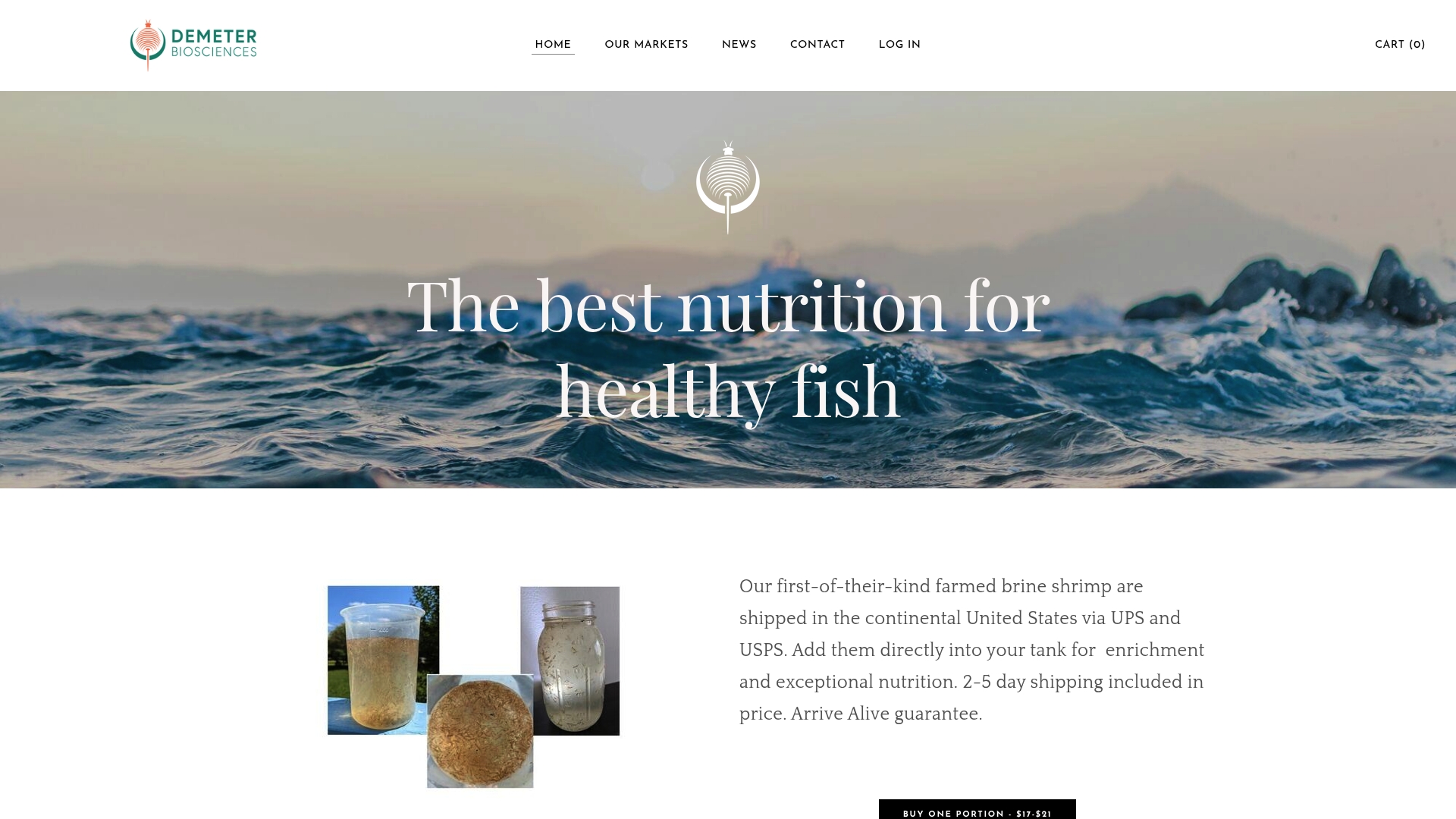
Discover how Demeterbioscience’s live shrimp subscriptions and bulk options can stabilize your supply chain and support healthier hatchery outcomes. Visit [Demeterbioscience](https://demeterbioscience.com) now and schedule a consultation to connect your investment goals with sustainable aquatic nutrition solutions.
## Frequently Asked Questions
#### How does Demeterbioscience ensure consistent quality for its live brine shrimp?
Demeterbioscience uses land-based cultivation to produce mercury-free biomass, which leads to a consistent nutritional profile across shipments. This is backed by their claim of at least 40% protein content for the farmed brine shrimp. Users can expect reliable nutrition for their fish and animals by choosing Demeterbioscience's products.
#### What is the difference between Demeterbioscience and Brine Shrimp Direct?
Brine Shrimp Direct offers a wide array of brine shrimp eggs and frozen foods targeted towards U.S. aquaculture professionals and serious hobbyists. In contrast, Demeterbioscience focuses on providing high-protein, live brine shrimp with predictable delivery, which is beneficial for hatcheries needing consistent feed supplies. This makes Demeterbioscience a better choice for those seeking stable supply logistics.
#### Which platform is better for sustainable aquaculture, Demeterbioscience or Great Salt Lake Artemia?
Great Salt Lake Artemia emphasizes traceability and sustainable harvesting from the Great Salt Lake with a science-led approach. Demeterbioscience, on the other hand, offers customizable feed ingredients formulated for higher protein and omega-3 content, specifically catering to the needs of aquaculture producers. Thus, Demeterbioscience may be preferable for users focused on nutritional profile customization.
#### Can I use Demeterbioscience's live brine shrimp if my local supply is inconsistent?
Yes, Demeterbioscience’s direct-to-consumer live shipments and subscription plans aim to stabilize hatchery feed logistics, solving issues of inconsistent local supply. This approach allows hatcheries and hobbyists to mitigate the risks associated with seasonal variations in feed availability.
#### What pricing options does Demeterbioscience offer for its subscriptions?
Demeterbioscience offers subscriptions starting at $25 per month, with single live portions costing between $17 and $21. This flexible pricing structure gives customers a range of options to meet their specific needs, making it easier for operators to manage costs while maintaining a steady supply of live feed.
#### How can Demeterbioscience's land-based production benefit aquaculture operations?
The land-based production model used by Demeterbioscience reduces pressure on wild stocks and minimizes contamination from ocean pollutants. This allows aquaculture operations to receive a reliable, consistent feed that ensures better larval growth and survival rates.
## Recommended
- [Top 3 Biomarinetropicals.com Alternatives 2026](https://blog.demeterbioscience.com/blog/biomarinetropicals-com-alternatives-3)
- [Top 6 Sustainable Brine Shrimp Alternatives for demeterbiodynamic.com.au Alternatives 2026](https://blog.demeterbioscience.com/blog/demeterbiodynamic-com-au-alternatives-6)
- [Eco Friendly Fish Nutrition Product Categories Guide](https://blog.demeterbioscience.com/blog/eco-friendly-fish-nutrition-product-categories-guide)
- [Our Markets - Demeter Biosciences](https://demeterbioscience.com/our-markets.html)