
Finding a consistent supply of sustainable, high-protein live brine shrimp is unpredictable for hatcheries and aquarium buyers. Most suppliers depend on seasonal wild harvests, limit delivery regions, or lack transparency on feed formulations and certifications. This comparison aligns guaranteed delivery, feed safety, and format options across five aquatic feed providers so buyers can match sources to farm or shop needs.
Table of Contents
Demeter Biosciences
At a Glance
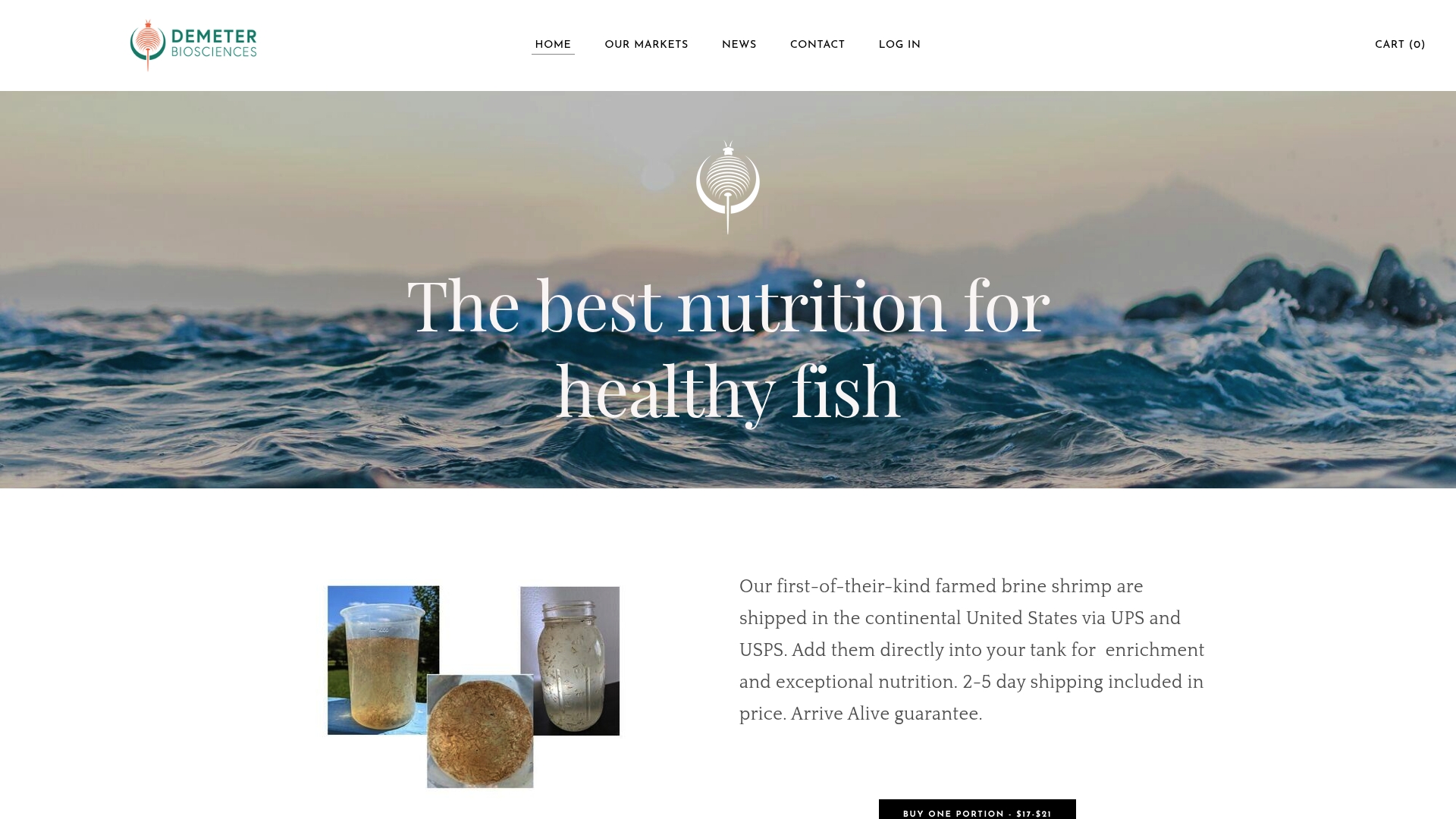
Their shrimp and microalgae deliver at least 40% protein, according to the company. The operation runs on land using waste-derived nutrients and atmospheric CO2 to grow biomass. The offering targets live, frozen, and dried feed for aquaculture, hatcheries, and aquarium suppliers.
Core Features
Demeter Biosciences cultivates microalgae and brine shrimp in land-based systems that use animal waste and CO2 for inputs. Product formats include live, frozen, and dried brine shrimp and microalgal biomass, and the company offers custom formulations for species-specific diets. They sell by single portions, monthly subscriptions, and bulk packages and back deliveries with an Arrive Alive guarantee.
Key Differentiator
The single biggest difference is the closed, land-based growth method that converts waste streams and atmospheric CO2 into feedstock. That production model reduces reliance on wild harvests and stabilizes supply against seasonal ocean variability. The setup also lets buyers request nutrient profiles and tailored mixes for specific species.
Pros
Land-based cultivation removes dependence on wild shrimp harvests and offers predictable nutrition across seasons. The product line covers live, frozen, and dried forms, which helps hatcheries and retail stores consolidate suppliers. Subscription deliveries and bulk LFS packages reduce ordering friction for shops and farms. The company advertises CO2 sequestration and use of waste streams as part of its sustainability claims.
Cons
- Limited delivery regions for some products within the U.S.
Who It's For
Acquaculture producers and fish hatcheries that need consistent, mercury-free feed will find this most useful. Pet stores and aquarium hobbyists seeking higher-protein live food also match the profile. Environmental organizations and research labs can use the microalgal biomass for pollution mitigation and CO2 capture projects.
Unique Value Proposition
Monthly shrimp deliveries from a land-based supplier with custom formulations and a delivery guarantee reduce supply risk for hatcheries and LFS buyers. Subscriptions and bulk boxes cut ordering overhead for small retailers. That combination turns a biological input into a predictable procurement line rather than a seasonal purchase.
Real World Use Case
A hatchery subscribes to monthly live and frozen shrimp to avoid seasonal shortages. It uses a custom microalgae mix to match larval dietary needs and markets the mercury-free, land-farmed feed to customers. The arrangement stabilizes growth rates and simplifies inventory for the hatchery.
Pricing
Individual brine shrimp portions range from $17 to $21. Monthly shrimp deliveries are listed at $25. Bulk local fish store boxes start at $90. Shipping is included and subscriptions receive discounts, per the vendor.
Website: https://demeterbioscience.com
SPF Shrimp Feeds
At a Glance
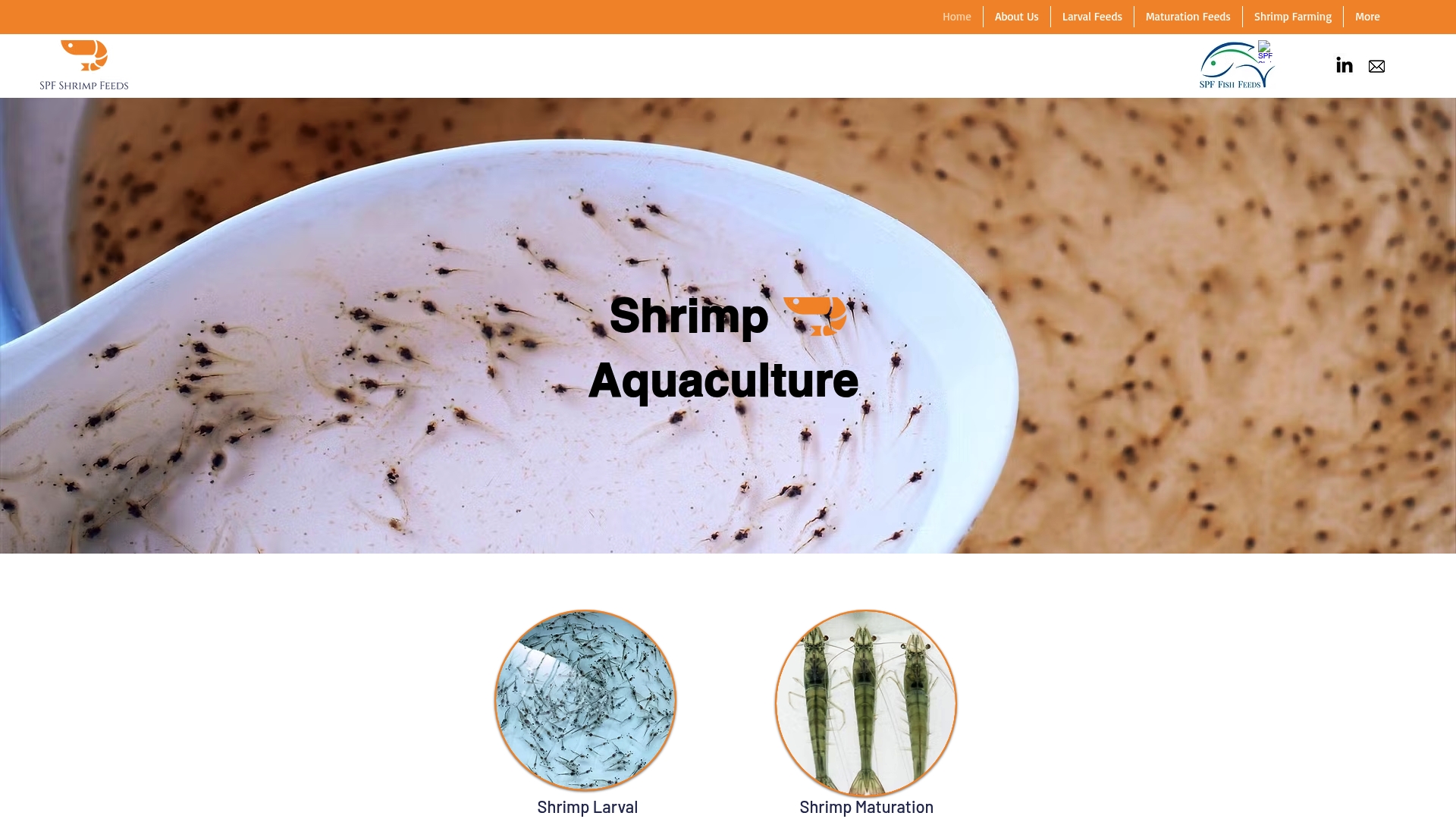
SPF Shrimp Feeds reports its live diets are SPF certified and tested by the University of Arizona's Aquaculture Pathology Laboratory. That certification claim targets biosecurity for hatcheries and research labs. The company emphasizes live, natural probiotic diets aimed at improving larvae quality and protecting maturation stages.
Core Features
The product line centers on live, natural feeds formulated for shrimp larvae and maturation stages, with an emphasis on probiotic approaches and pathogen control. Nutrition programs are tailored to shrimp production risks, and the company promotes protocols that reduce feedborne pathogen vectors. Testing and certification from a university lab form a key part of the product narrative.
Key Differentiator
SPF Shrimp Feeds focuses exclusively on SPF certified live feeds, not on generic commercial diets, which narrows its technical angle. That certification claim and the university testing aim to separate these feeds from untested live products. For operators whose main priority is biosecurity, this narrow focus is the defining feature.
Pros
Specialization delivers a clear strength for hatcheries that prioritize pathogen control. The emphasis on biosecurity and live, natural formulations fits facilities working to reduce disease introduction. University testing supports the safety narrative and gives hatcheries a single-source feed option for larvae and maturation stages.
Cons
-
Limited public details on the full product range or specific feed formats. This makes catalog comparison difficult for buyers.
-
The offering targets shrimp only, so farms needing feeds for other species must source elsewhere.
-
Customer support and service information are not detailed on the site, leaving buyers unsure about logistics and technical assistance.
-
Availability may be restricted to certain regions or industry channels, which could complicate supply for distant operations.
When It May Not Fit
Operations that need broad aquafeed catalogs or multi species feed lines will find the focus too narrow. Facilities outside the supplier's operational region may face supply or shipping constraints. Buyers who require transparent retail pricing or quick online purchases will encounter limited public information.
Who It's For
Professional shrimp hatcheries and commercial farmers focused on larvae survival and maturation stages will find this relevant. Research institutions testing feed impacts and feed distributors specializing in pathogen control also match the profile. The product suits teams that prioritize live, natural diets and high biosecurity.
Real World Use Case
A shrimp hatchery sets a biosecure feeding protocol and receives regular shipments of SPF certified live feeds. The hatchery reports more consistent larval survival after switching to those feeds and using the recommended probiotic schedule. The supplier became a single-source partner for larvae nutrition and biosecurity practices.
Pricing
Pricing details are not publicly available on the website. The vendor indicates custom or bulk pricing is likely for industry clients, which suggests quotes are provided per order or contract. Prospective buyers should request a formal quote for their hatchery size and delivery needs.
Website: https://spfshrimpfeeds.com
CFEED
At a Glance
According to the company, CFEED's copepod nauplii hatch within 24 hours. The vendor runs a land based production facility in Norway focused on traceability and biosecurity. The product line targets larval feed with high DHA and EPA so enrichment is not required.
Core Features
CFEED supplies sustainably farmed copepod eggs and nauplii produced in Norway, delivered as ready to feed solutions that simplify first feeding. The company emphasizes high DHA and EPA levels, which it says removes the need for enrichment. Production follows strict biosecurity protocols and includes technical support and feeding advice for hatcheries.
Key Differentiator
CFEED stands out for its large scale, land based, biosecurity-focused production with strong traceability from batch to hatch. That model reduces seasonal variability and aims to offer a contamination-free alternative to wild-harvested live feeds. The facility and supply chain orientation align with sustainability goals and hatchery reliability demands.
Pros
CFEED's on-land production produces consistent batches, which helps hatcheries maintain stable feeding schedules and stocking plans. High nutritional content supports better larval growth and survival, and the ready to feed format lowers handling time for technicians. Global cold-chain shipping preserves product freshness, and R&D collaborations show ongoing protocol refinement for different species.
Cons
- Limited adaptation for species outside trials: options may be narrower for less-studied species.
- Premium pricing: costs sit above traditional live feeds because quality and sustainability add expense.
- Species focus: emphasis on certain marine species may not fit every aquaculture niche.
When It May Not Fit
If you require the lowest possible per-unit cost and accept seasonal quality variation, this premium offering may not match budget goals. If your operation relies on a very broad live feed menu for unusual species, CFEED's tested range may feel restrictive. Customers seeking commodity-level, low-margin supply chains could find the product alignment limited.
Who It's For
Marine hatcheries and aquaculture producers focused on reliable first feeding and larval health will gain most from these products. Research institutions testing live feed impacts also benefit from the controlled, traceable batches. Organizations that prioritize biosecurity and sustainability in early-stage rearing will find a strong fit.
Real World Use Case
A Norwegian marine hatchery integrated CFEED copepod eggs into first feeding for Atlantic cod larvae and reported improved survival and faster growth in their production notes. The hatchery reduced deformities and shortened production cycles after switching to the ready to feed nauplii. That operational change translated to clearer scheduling and reduced feed handling workload.
Pricing
Product prices vary by quantity and product type, with bulk deals and subscription options available. Shipping is generally included for larger orders, and prices are positioned in the premium segment because of production quality and sustainability features. Exact rates are available on request from the vendor.
Website: https://cfeed.no
Alltech Coppens
At a Glance
Alltech Coppens exports feed to more than sixty countries, servicing both commercial farms and hobbyists. The company reports ASC certification and views sustainability as a core part of its production model. Its catalog covers species from trout and sturgeon to koi and seabream, with diet options for distinct life stages.
Core Features
Alltech Coppens supplies species specific feed formulations developed from research and trials, covering trout, catfish, eel, koi, seabass, seabream, pond fish, and more. The company offers private label solutions and a global distribution network that supports exports and local agents. Production emphasizes sustainable practices and certified supply chains alongside research driven nutrition development.
Key Differentiator
The supplier pairs reported ASC certification with lab backed formulations for a wide set of aquatic species. That combination appeals where traceable sustainability and nutrition science matter more than lowest price. Research support and private label capability make it easier for farms to scale branded feed programs.
Pros
Alltech Coppens focuses on sustainable production and certified supply chains, which helps buyers show provenance. The product range spans commercial aquaculture, hobby pond feeds, and private label lines, so purchasers can buy for multiple channels without switching vendors. Scientific formulation supports life stage nutrition and specialist species, and a broad export network speeds access for customers outside Europe.
Cons
- Premium pricing may exclude budget conscious hobbyists or very small farms.
- Limited direct to consumer retail presence means you will often buy through distributors or dealers.
- Product scope centers on aquatic nutrition and offers little for terrestrial or alternative marine needs.
When It May Not Fit
If you need a low cost bulk feed and cost is the main decision factor, this supplier may be a poor match. Buyers that require direct online retail ordering in small hobby packs could find distribution channels inconvenient. Organizations outside aquaculture or those needing feeds for land animals should look elsewhere.
Who It's For
Aquaculture operators, private label brands, and serious hobbyists who prioritize sustainability and documented nutrition will get the most value. Facilities that need species specific, life stage targeted diets and that can justify a price premium for certified sourcing benefit most. Research institutions that require documented formulation may also find it useful.
Real World Use Case
A mid sized trout farm worked with Alltech Coppens to develop a feed tuned to local water conditions and growth targets. The farm used the private label program to sell feed under its own brand across neighboring markets while relying on the supplier’s research support. The result was a cohesive supply chain with certified sourcing for buyers.
Pricing
Prices vary by product line and market segment. Industrial feeds are typically priced per kilogram, with volume discounts for large orders. Hobby feeds and private label packs use per unit pricing and options that reflect certification and formulation costs.
Website: https://alltechcoppens.com
biogreco
At a Glance
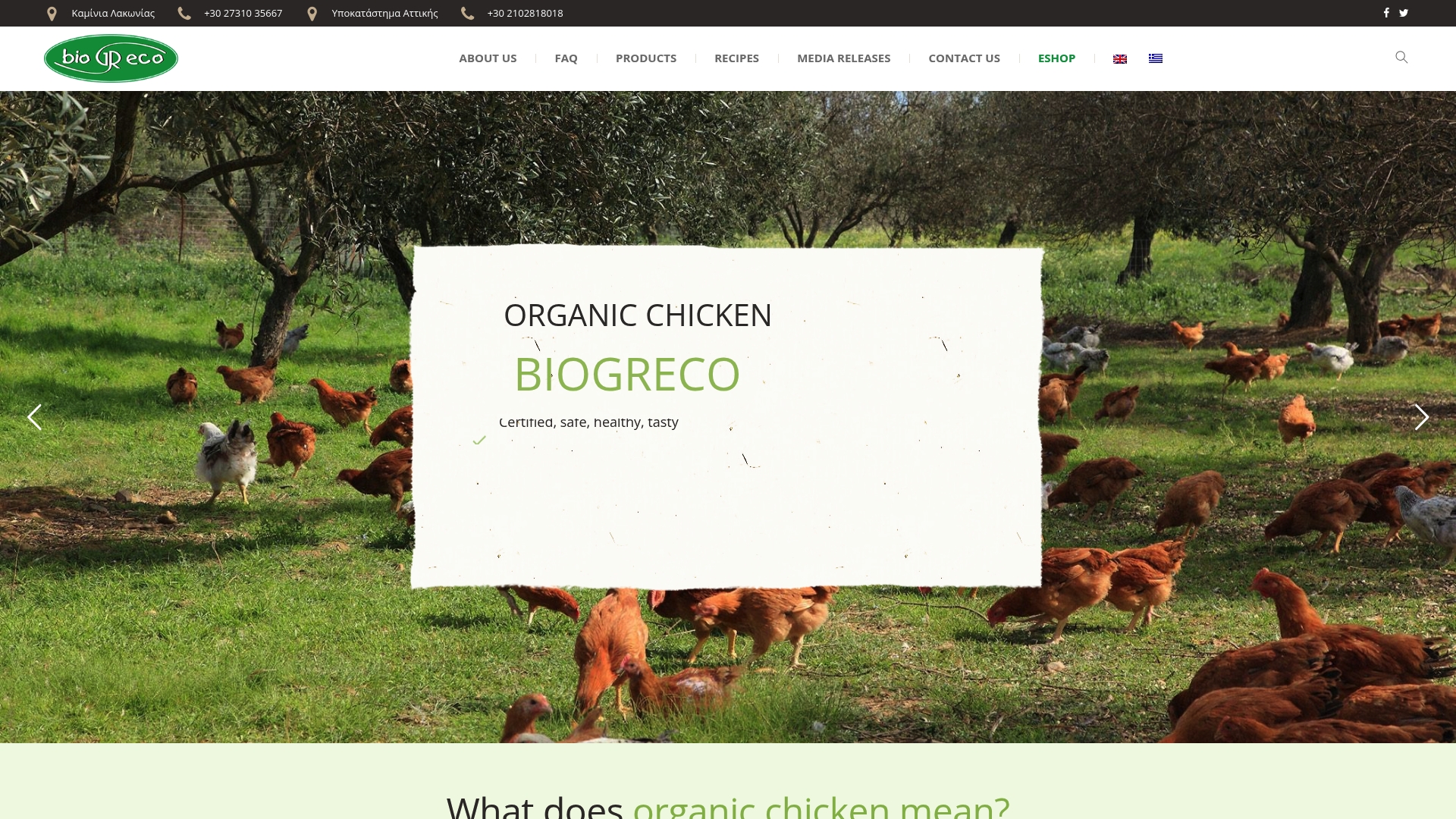
Products come from family farms in Laconia and carry certified organic labels tied to traditional animal husbandry. The company sells fresh, frozen, and feed items through a content-rich online shop. Transparency about farming practices and recipes is a central part of the brand.
Core Features
biogreco maintains certified organic standards across poultry and animal feed and lists farm practices and certifications on its website. The site includes a full online shop for fresh and frozen products and feed, plus recipes and media that explain sourcing and handling. The brand emphasizes safety, taste, and sustainability as priorities for both home cooks and professionals.
Key Differentiator
The most distinctive aspect is the combination of certification and family farm sourcing that the company highlights. That pairing aims to deliver traceability and a clear provenance story for each product. This positioning focuses on authenticity more than commodity pricing.
Pros
biogreco’s product line centers on certified organic poultry, eggs, and animal feed, which appeals to buyers seeking traceable ingredients. The online shop supports direct ordering for households and small businesses, while detailed farm pages and recipes help buyers understand the product lifecycle. The brand’s emphasis on safety and traditional farming gives chefs and breeders a clear reason to choose its products over anonymous imports.
Cons
- Limited shipping outside Greece and nearby regions makes long distance orders difficult for many international hobbyists.
- Higher price points are common, reflecting organic certification and small scale sourcing.
- Product range focuses mostly on poultry and related feed, so buyers seeking diverse aquaculture nutrition will find gaps.
When It May Not Fit
If you need bulk nonorganic feed for large-scale commercial operations, this brand will likely be too costly and narrow in scope. If you live far from Greece, shipping restrictions will reduce availability and add expense. For hobbyists focused on specialized aquatic nutrition beyond poultry feed, the product mix may not match your needs.
Who It's For
People who prioritize certified organic provenance and taste will find this offering attractive. Professional chefs, boutique restaurants, and small-scale breeders in Greece or neighboring countries will appreciate the traceability and farm-level detail. Health conscious consumers who want documented sourcing for their chicken and eggs will also fit this profile.
Real World Use Case
A home cook orders organic chicken and eggs for a weekend family meal and reads the farm notes to confirm animal welfare practices. A neighborhood restaurant purchases certified poultry for seasonal dishes and relies on the website’s product information to list provenance on the menu. An animal breeder buys organic feed packs for a small flock and uses the brand’s guidance on storage.
Pricing
Prices vary by product category and appear as live figures in the online shop. The site offers premium small packs and larger bulk options, with free shipping above a stated order threshold for qualifying purchases.
Website: https://biogreco.gr/en
Comparison of alternatives
Selecting the live brine shrimp supplier involves assessing crucial factors including product offerings, certifications, sustainability, and supported customer needs. This analysis highlights where featured providers excel to meet aquaculture and hobbyist nutrition demands.
Product flexibility and customization
Demeter Biosciences offers live, frozen, and dried brine shrimp alongside customizable dietary formulations. CFEED, in contrast, specializes in copepod nauplii offering high DHA and EPA content, suitable for marine larvae first feeding. While CFEED delivers an efficient, nutritious feed tailored to specific stages, Demeter’s broader range and customizable options support aquaculture's species-specific nutritional needs.
Certifications and biosecurity focus
SPF Shrimp Feeds emphasizes biosecurity with SPF certifications validated by expert testing. This specialization provides assurance to facilities requiring pathogen-controlled feed environments. Conversely, Demeter delivers a broader range of aquatic feeds, compensating for slightly less refined pathogen-specific control with tailored nutrient profiles and environmental resilience.
Pricing and accessibility
Demeter Biosciences caters to various market sizes through bulk deals, subscriptions, and single purchases. CFEED’s premium offering reflects its production quality, best serving marine-focused hatcheries. Alltech Coppens provides internationally distributed diets for a broader species range but at a premium price. Thus, Demeter serves as an intermediate option for cost-sensitive niche-focused clients.
Best fit
- Hatcheries seeking adaptable dietary formulations and reliable deliveries will benefit from Demeter Biosciences' customized options.
- Shrimp farms prioritizing biosecurity improvement through SPF tested and certified feeds should consider SPF Shrimp Feeds.
- Marine hatcheries requiring ready-to-feed copepod nauplii with high covered DHA and EPA needs will find CFEED.
- Large-scale aquatic farms needing broad feed coverage for global species can rely on Alltech Coppens’ extensive product range.
Our pick
For aquatic nutrition requirements combining sustainability, tailored feed formulations, and multi-format availability, Demeter Biosciences stands out as the top choice. Its range of options allows customization for diverse aquatic species diets, stabilizes supply chains against harvest fluctuations, and ensures reliable procurement for aquaculture producers and retailers alike.
Land-based cultivation represents a key factor in ensuring sustainability and consistent quality for aquafeed products.
Product | Key Feature | Unique Aspect | Suitable For | Pricing | Limitation Demeterbioscience | Live, frozen, and dried brine shrimp | CO2-based land cultivation | Aquaculture operations and aquarium hobbyists | $17–21 per portion | Limited U.S. delivery regions for some items SPF Shrimp Feeds | SPF-certified live shrimp feeds | Biosecurity and certifications | Shrimp hatcheries and research labs | Price not published | Exclusively targets shrimp nutrition CFEED | High DHA/EPA copepod eggs and nauplii | Sustainable land-based production | Marine hatcheries and research institutions | Price not published | Premium pricing above commodity feed Alltech Coppens | Research-backed feed for multiple species | ASC certification and global footprint | Commercial farms and serious hobbyists | Price not published | Limited direct-to-consumer retail presence biogreco | Organic-certified poultry and feed | Family-sourced organic production | Chefs, small breeders, and health-conscious buyers | Prices listed online | Limited shipping outside Greece and surrounding regions
Choosing Sustainable Live Feed Alternatives for Aquaculture
Aquaculture producers and fish hatcheries looking for reliable, mercury-free live feed often face challenges with seasonal supply and unpredictable nutrition. Demeterbioscience offers a solution by cultivating farmed live brine shrimp through a controlled, land-based system fed exclusively on the algae Dunaliella. This process guarantees consistent protein content above 40% and removes the risks tied to wild harvest variability.
Live, frozen, or dried options come with subscription plans and bulk retail packages designed to fit hatchery and retail needs. Learn how Demeterbioscience supports healthier fish and predictable nutrition on their website. Explore sustainable, microalgae-fed brine shrimp as a steady alternative to bio-hellas.gr alternatives and reduce supply risks for your operation.
Explore Demeterbioscience live feed options and stabilize your aquatic nutrition supply with a land-based commitment to quality and sustainability.
FAQ
What specific feed formats does Demeterbioscience offer?
Demeterbioscience provides live, frozen, and dried brine shrimp and microalgal biomass. This versatility helps cater to the needs of aquaculture producers and fish hatcheries looking for consistent and varied feed options.
How does SPF Shrimp Feeds compare to Demeterbioscience?
SPF Shrimp Feeds specializes in SPF certified live feeds designed to enhance biosecurity for shrimp hatcheries. Demeterbioscience is ideal for operations seeking consistent, mercury-free feed, although SPF Shrimp Feeds excels in stringent biosecurity protocols.
What advantages does Demeterbioscience have in terms of sustainability?
Demeterbioscience uses land-based growth methods that convert waste streams and atmospheric CO2 into feedstock, promoting sustainability in production. This method significantly reduces reliance on wild harvests and stabilizes supply against seasonal ocean variability.
Can I tailor the feed offered by Demeterbioscience for specific species?
Demeterbioscience allows customers to request nutrient profiles and tailored mixes for specific species. This feature is especially useful for hatcheries aiming to optimize the diets for different aquatic organisms.
What are the costs associated with ordering from Demeterbioscience?
Individual brine shrimp portions from Demeterbioscience range from $17 to $21, with monthly shrimp deliveries listed at $25. Bulk local fish store boxes start at $90, which presents various pricing options for different buyer needs.