
Finding a supplier that delivers fresh, reliable live artemia nauplii for hatcheries and labs can be unpredictable across regions. Most companies restrict shipping, require bulk orders, or offer incomplete pricing that complicates planning for small operations. This comparison lays out supply coverage, pricing, and feeding reliability for five leading vendors so hatchery managers and researchers can pick the best fit for their needs.
Table of Contents
- Demeter Biosciences
- Brine Shrimp Direct
- Great Salt Lake Artemia
- I&V-BIO
- Aquafauna Bio-Marine, Inc.
- Comparison of alternatives
Demeter Biosciences
At a Glance
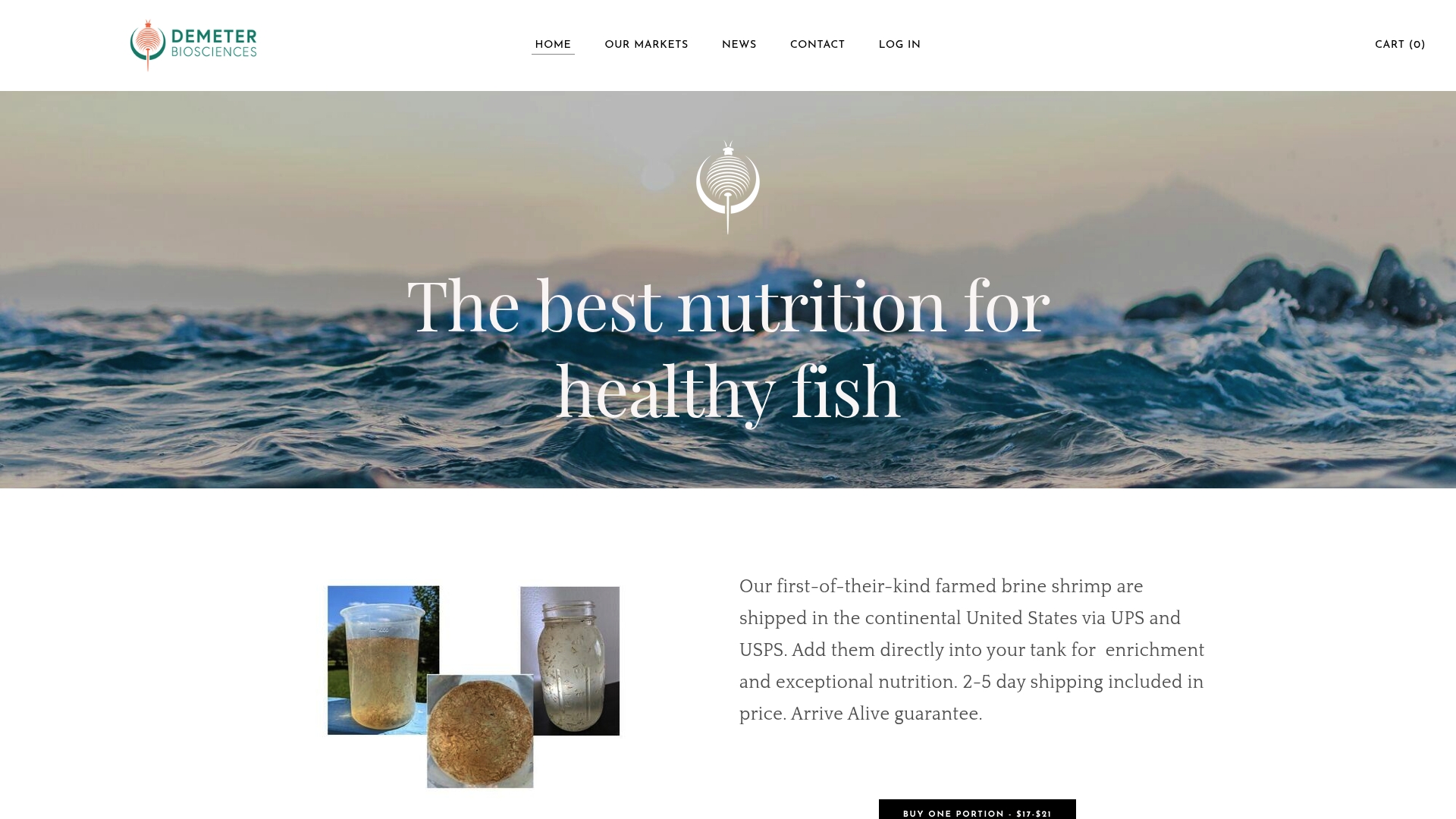
Live brine shrimp portions cost $17 to $21, and subscriptions start at $25 per month for 15g. Demeter grows microalgae and brine shrimp on land to supply live shrimp, microalgae biomass, and fish meal. The company ships mainly within the United States and offers bulk boxes and gift cards.
Core Features
Demeter runs land-based cultivation of live brine shrimp and microalgae biomass, using algae as the primary feedstock to produce organic aquatic feeds. The catalog includes live shrimp, fish meal, nutritional supplements, and customizable feeds tailored for aquaculture and ornamental fish. Delivery options cover monthly subscriptions, bulk retail packages for museums and stores, and gift card purchases.
Key Differentiator
According to the company, Demeter Biosciences leads in land-based, sustainable production of microalgae and brine shrimp, reducing ocean harvesting and environmental impact. Their systems aim to avoid seasonal variability and the starvation cycles that affect wild-harvested shrimp. That control yields more consistent nutritional quality for farms and hobbyists who need predictable feed outcomes.
Pros
Land-based production keeps quality consistent and reduces reliance on wild fish stocks, which matters for operators tracking feed composition. The product range covers live shrimp, microalgal biomass, fish meal, and supplements, so a single supplier can meet multiple feeding needs. Subscription plans and bulk discounts make repeat ordering simpler for small farms and pet stores, and the company supplies educational material to improve feeding practices.
Cons
- Limited geographic delivery to certain US regions.
Who It's For
Demeter fits environmentally conscious aquaculture operators, pet store owners, researchers, and food security advocates who prioritize sustainable marine biofeeds. Small farms that need predictable, repeatable nutrition will find the subscription model useful. Buyers outside the United States or those needing terrestrial feeds should look elsewhere.
Unique Value Proposition
A $25 monthly subscription for 15g establishes predictable, regular deliveries for live feed and reduces supply variability at the farm level. Consistent, land-grown biomass removes seasonal swings in nutrient content and helps you plan feeding schedules with confidence. That payment and delivery model cuts ordering time and reduces stock outs for small operations.
Real World Use Case
A small Eastern US aquaculture farm subscribes to monthly deliveries of live shrimp and adds microalgal biomass to the diet. The owner mixes live shrimp with biomass and fish meal to hit nutritional targets while keeping feed sourcing local. Educational resources reduce feed waste and improve growth consistency across batches.
Pricing
Prices vary by product. Live brine shrimp portions list for $17 to $21, subscriptions start at $25 per month for 15g, and bulk boxes range from $90 to $130. Shipping is included for most products, and discounts apply for bulk and subscription orders.
Website: https://demeterbioscience.com
Brine Shrimp Direct
At a Glance
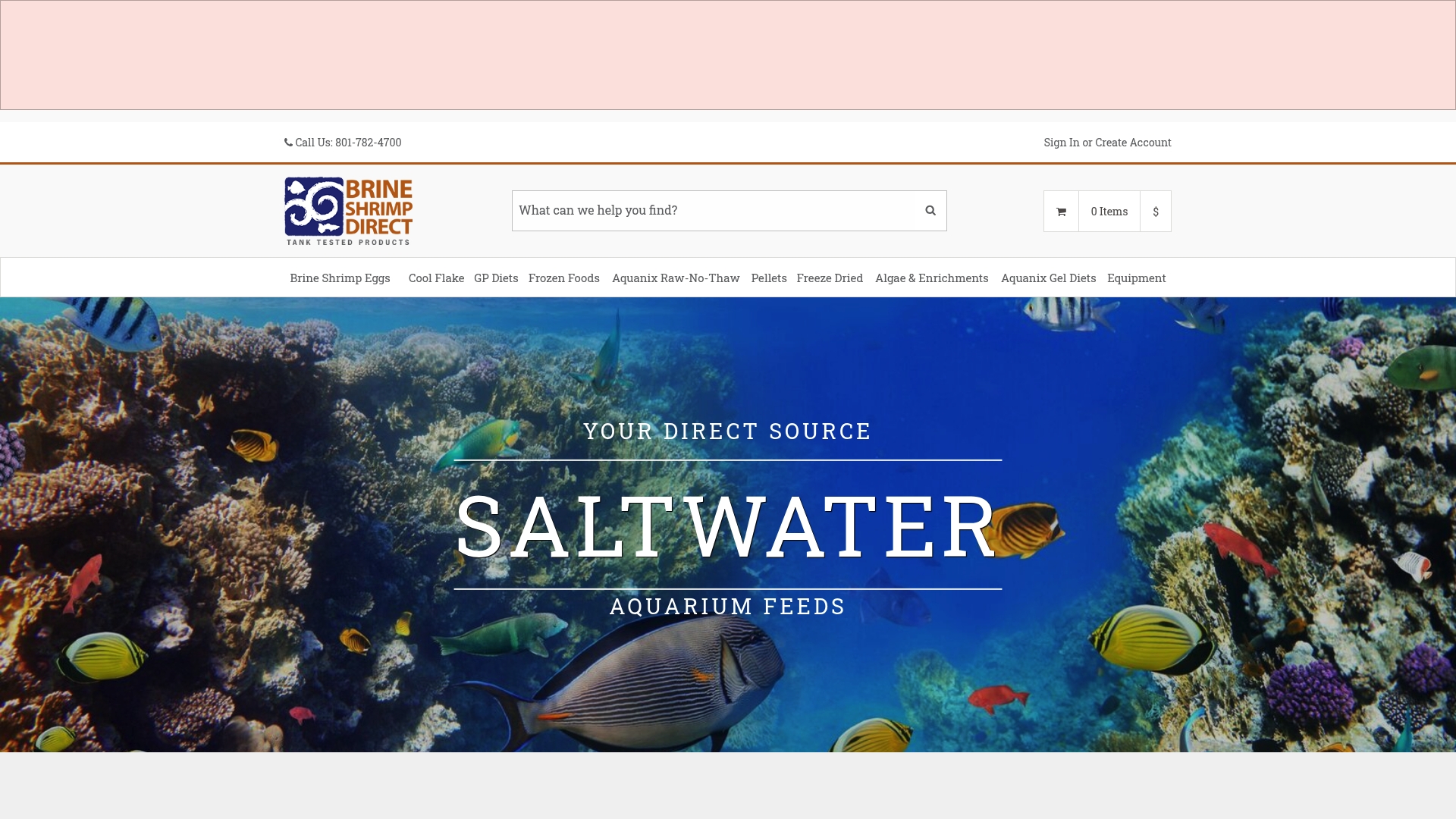
Brine Shrimp Direct operates from Utah while offering worldwide shipping with specialized handling for perishable feeds. The company focuses on live and frozen feed lines, plus culturing gear and educational support. That mix targets both hatchery managers and serious hobbyists who need reliable, repeatable feed supplies.
Core Features
The catalog spans brine shrimp eggs, frozen diets, algae pastes, gel diets, and a range of culturing equipment. Orders ship with temperature-aware packing and shipping options suited for perishable items. The vendor also publishes practical guides and support materials aimed at both classroom and commercial culturing use.
Key Differentiator
The product narrows its catalog to high-quality feeds and culturing tools focused on shrimp-based diets. That specialist scope makes the company a convenient single source when you want consistent feed inputs and matching culturing supplies. The offering fits buyers who value depth in one feed niche rather than breadth across many live animals.
Pros
The inventory covers rare and hard to source feed items, which helps hatchery staff maintain consistent diets. Reputation for freshness is a recurring customer point, and the packing choices reflect that concern for perishable goods. Educational resources and customer support reduce setup time for new culturing projects and for classroom kits.
Cons
- Limited product range: the catalog sticks to feeds and culturing gear, not live fish or other aquatic animals.
- Price point: primary focus on commercial and research buyers can make small hobby orders feel expensive.
- Shipping restrictions: some regions face active delivery limits for perishable items, which can block international orders.
When It May Not Fit
If you need low-cost, generic fish foods, this supplier is not a good match. Hobbyists on tight budgets will likely find bulk or specialized items more than they want to spend. If your region has strict import rules for perishables, the shipping constraints will make ordering unreliable.
Who It's For
This supplier fits serious aquarium hobbyists, commercial breeders, and research labs that need dependable, high-quality feed. Buyers who require culturing equipment alongside feed will find coordinated products and guidance helpful. Casual hobbyists seeking bargain basics will not get the best value here.
Real World Use Case
A commercial hatchery orders bulk brine shrimp eggs and frozen diets to feed larval tanks. The hatchery also buys culturing tanks and follows the vendor's published procedures to scale nauplii production. That approach reduces variation in feed quality between spawning cycles and simplifies staff training.
Pricing
Price varies by product line, from a few dollars for small egg quantities to several hundred dollars for bulk frozen product orders. Shipping costs depend on weight and destination and reflect the special handling for perishable goods. The overall model favors professional and committed hobbyist purchases.
Website: https://brineshrimpdirect.com
Great Salt Lake Artemia
At a Glance
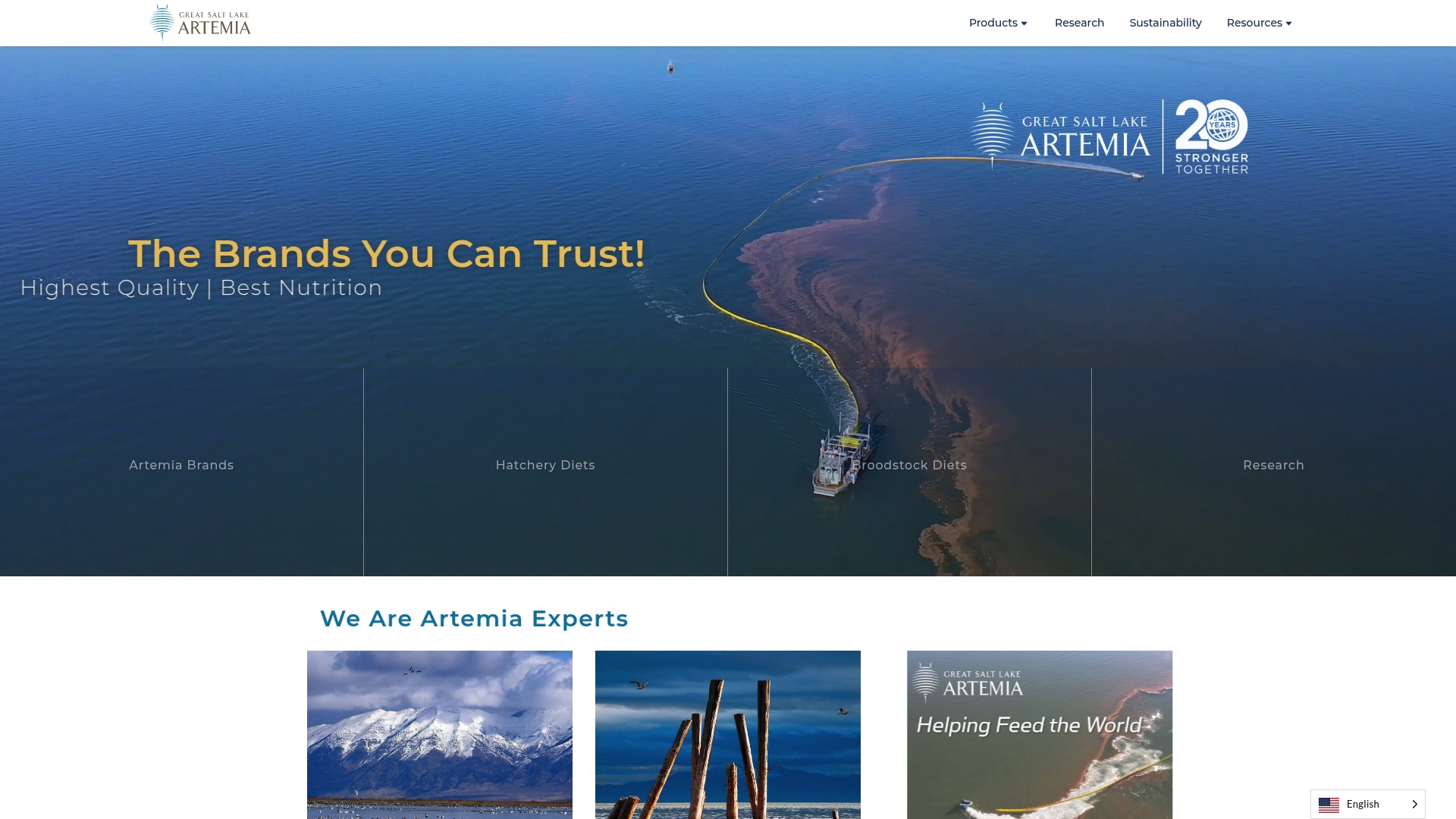
Great Salt Lake Artemia reports over 30 years of Artemia production experience. The vendor advertises MSC certification for its fishery and uses science-based harvest management. Products focus on high-hatchability cysts, hatchery diets, broodstock feeds, and branded tools such as SEP-Art and Artemia Guard.
Core Features
GSLA combines harvest management guided by scientific research with traceability and environmental controls to stabilize supply quality. The product line includes processed Artemia cysts, formulated hatchery diets, and broodstock feeds, and the company exports these products globally. Proprietary tools like SEP-Art and Artemia Guard target higher nauplii yields and safer handling.
Key Differentiator
The strongest distinction is GSLA’s emphasis on science-driven harvest rules paired with technology designed for hatchery results. That operational mix aims to reduce seasonal variability in cyst quality and give hatchery managers a predictable input. The company ties sustainability practices directly to product reliability.
Pros
GSLA brings deep sector experience that translates into consistent cyst quality and seasoned supply logistics. That tenure supports predictable lot performance and documented traceability that hatchery teams can use for quality control. The vendor advertises third-party MSC certification, which bolsters the sustainability claim and helps operations meeting environmental criteria. Branded technologies and high-hatchability guarantees reduce the risk of low nauplii yield and simplify early-stage feeding programs.
Cons
- Product range is limited to Artemia and related hatchery feeds, so hatcheries seeking broader live feed portfolios will need other suppliers.
- Distribution focuses on aquaculture and selected international markets, which can make small retail purchases harder to arrange.
- Emphasis on U.S. Great Salt Lake sourcing means customers wanting diverse regional Artemia strains may find fewer options.
When It May Not Fit
Buyers that prioritize the lowest cost per cyst over quality and traceability may find GSLA too premium. Operations needing non-Artemia live feeds or a wide menu of microalgae-fed options will have to pair GSLA with other vendors. Small hobby retailers without direct wholesale channels may face minimums or limited access.
Who It's For
This supplier suits hatchery managers, aquaculture nutritionists, and research scientists who require consistent cyst performance and documented sustainability. People running broodstock programs or certification-driven hatcheries will value traceability and that sustainability focus. Facilities prioritizing cost above supply predictability will find it less aligned.
Real World Use Case
A hatchery manager adopts GSLA cysts and SEP-Art protocols to raise rotifer-fed larvae with higher initial nauplii counts. Lab records show steadier hatch rates across seasonal batches, which eases feed planning and stocking schedules. The supplier’s traceability records help the hatchery meet environmental reporting requirements.
Pricing
Pricing is not publicly listed. The company positions its products as premium, quality-focused Artemia cysts, hatchery diets, and broodstock feeds. Buyers should expect price points that reflect certification, traceability, and proprietary technology rather than commodity-level rates.
Website: https://gsla.us
I&V-BIO
At a Glance
Daily live deliveries of Artemia nauplii reach hatcheries from facilities in Asia, Latin America, and Europe. I&V-BIO claims a Vibrio free guarantee for its stocks. That focus on daily supply and pathogen control targets hatcheries that need consistent feeds and predictable schedules.
Core Features
The company runs strict quality control and standardized counting so feeding schedules match live feed counts. They offer enriched Artemia options and a range of live Artemia nauplii products for larval diets. Operations emphasize eco friendly practices and daily logistics from multiple global facilities to support commercial supply chains.
Key Differentiator
The clearest difference is daily guaranteed deliveries combined with pathogen control and a global production footprint. For commercial hatcheries that run tight feeding timetables, that delivery rhythm reduces the risk of supply gaps. The global footprint allows regional sourcing and shorter transit times in many markets.
Pros
Long experiences since 2012 and a track record of regular shipments support reliability for large scale operations. That guarantee and standardized counting reduce larval health risk and make feeding more predictable. Global facilities also mean local support in key aquaculture regions and faster response for shipment issues.
Cons
- Focus on Artemia limits choices when you need dry feeds, rotifers, or formulated diets for later stages.
- Premium live feeds may cost more than commodity alternatives, so budgets for daily live supply can grow quickly.
- Service reach may shrink outside main aquaculture regions and shipping constraints can affect order lead times.
When It May Not Fit
Small hobbyists and non commercial hobby tanks will likely find the supply model overkill. Operations that need a wider feed portfolio will miss rotifers and formulated diets. Buyers who need transparent online pricing or fixed bulk discounts may find site information lacking. Custom logistics and contract negotiation are likely for locations outside primary service regions.
Who It's For
Commercial hatcheries and shrimp or finfish farms running continuous larval production will benefit most. Research facilities that require consistent, counted live Artemia for experiments will also get value. You should prefer this supplier if you value daily delivery schedules and pathogen control over low cost options.
Real World Use Case
A tropical shrimp hatchery places weekly orders and receives daily shipments to keep larval tanks fed. The vendor states daily deliveries contributed to improved larval survival at that hatchery. That steady supply reduced last minute rationing and helped the hatchery meet production targets.
Pricing
Pricing is not publicly listed on the website. Products arrive live daily and the company offers custom solutions for bulk or contract orders, but the site does not list specific prices or thresholds. Contact sales for quotes and to discuss regional shipping or volume pricing.
Website: https://iandv-bio.com
Aquafauna Bio-Marine, Inc.
At a Glance
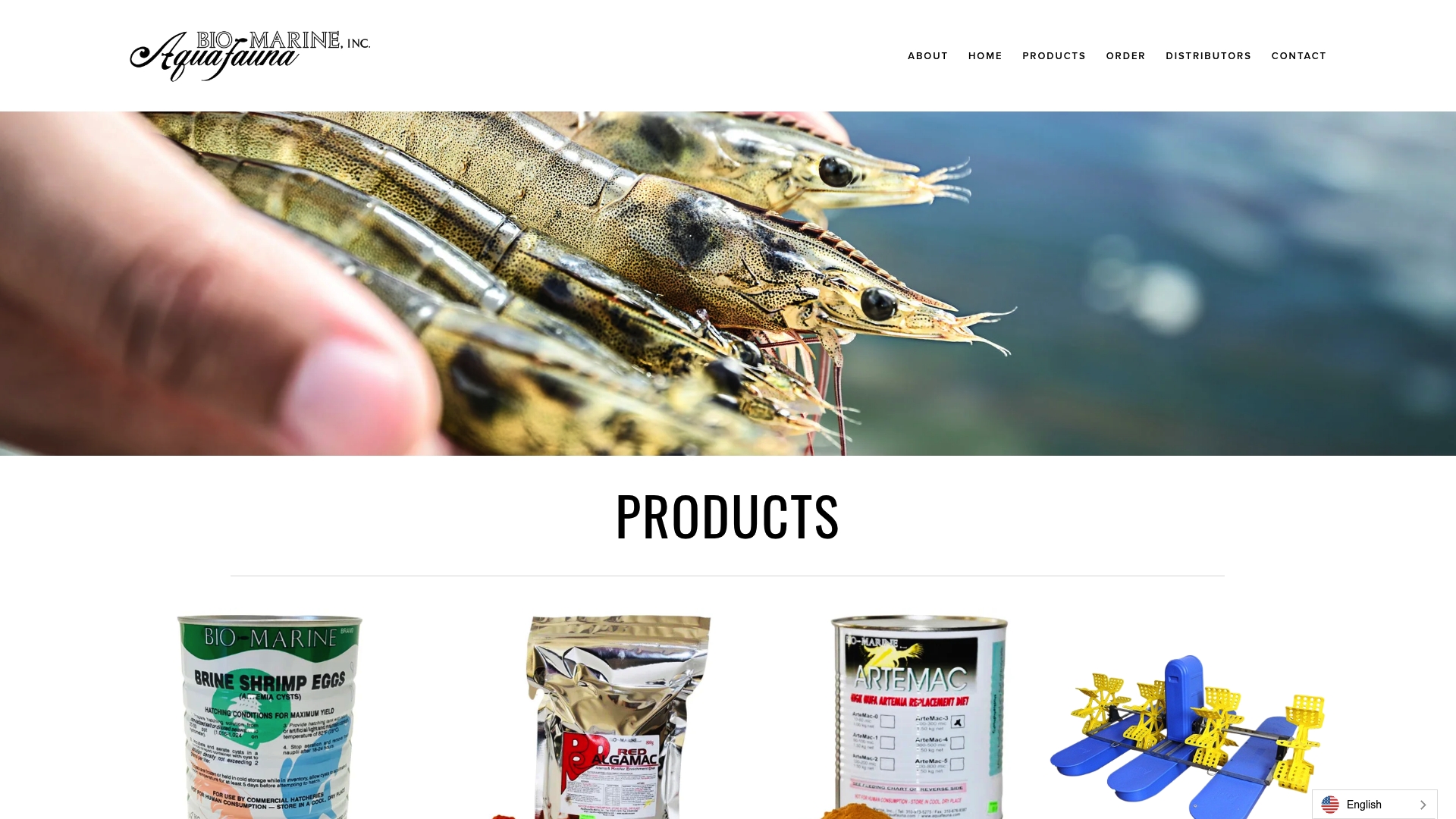
Aquafauna has supplied premium Great Salt Lake brine shrimp for decades, dating back to 1977. The vendor advertises guaranteed hatch rates for its processed cysts. The company also ships formulated diets and hatchery equipment worldwide from its California base.
Core Features
Aquafauna processes, packs, and quality tests Artemia cysts to maintain consistent hatch performance. Its catalog also includes formulated diets, enrichment formulas, specialty hatchery materials, and a selection of hatchery equipment. A global representative network supports international distribution and product availability.
Key Differentiator
Aquafauna positions itself as the exclusive commercial source of Great Salt Lake Artemia for many hatcheries. That guarantee about hatch performance, paired with decades of technical experience and a broad hatchery product line, is the single feature most buyers notice when comparing suppliers.
Pros
Long operational history since 1977 signals deep technical experience with larval nutrition and hatchery workflows. The company offers a wide product mix that covers live feed inputs, dry formulated diets, enrichment products, and mechanical hatchery gear. A global distribution network and documented quality controls make Aquafauna a dependable partner for commercial hatcheries and distributors.
Cons
- Online ordering details are limited and the website does not list specific retail prices. This complicates quick budgeting for small operators.
- Price points skew toward premium products, which may pressure tight hatchery budgets. Bulk options exist but exact thresholds are not published.
- Product focus centers on Artemia and shrimp culture inputs, so customers raising nonshrimp species may find fewer tailored options.
- Regional distribution can delay delivery to areas outside authorized representative zones.
When It May Not Fit
If you run a small hobby hatchery with low volume needs, minimum order quantities and a commercial focus may not match your purchasing patterns. Farms outside the companys representative regions should expect longer lead times or limited on-the-ground support. Buyers who require consumer-style online checkout and transparent unit pricing will find the experience less convenient.
Who It's For
This supplier suits commercial hatchery managers, shrimp farm operators, and aquaculture researchers who need consistent, high hatch-rate cysts and technical product support. Distributors seeking premium Artemia and hatchery supplies for resale will also find the catalog relevant. Hobbyists and micro farms will likely prefer smaller, consumer-oriented vendors.
Real World Use Case
A shrimp hatchery secures regular shipments of Artemia cysts and enrichment formulas to stabilize its larval feeding program. Technical guidance from Aquafauna helps staff set optimal hatch and enrichment schedules. The hatchery integrates those feeds into its larval diets to improve survival and growth across production cycles.
Pricing
Prices vary by product type and purchase volume. Premium Artemia cysts and formulated diets command higher prices, and bulk purchasing options are available. The website does not publish specific price points, so buyers should request quotes for accurate cost planning.
Website: https://aquafauna.com
Comparison of alternatives
Choosing sustainable, high-quality aquatic feed solutions involves evaluating each supplier's unique strengths and commitments to sustainability. In this analysis, Demeter Biosciences and its competitors present distinct advantages for various needs.
Specialized features among providers
- Demeter Biosciences stands out for its focus on land-based production of live brine shrimp and microalgae biomass, ensuring consistent feed quality without the unpredictability of wild harvesting.
- Brine Shrimp Direct offers unique culturing tools alongside its feed products, addressing the needs of educational institutions and research facilities with materials and guidance.
- Great Salt Lake Artemia (GSLA) emphasizes its science-driven harvest management and proprietary technology (e.g., SEP-Art), which provide hatcheries with predictable performance metrics and high nauplii yields.
Best fit
- Aquaculture operators prioritizing predictable feed quality will find Demeter Biosciences' land-based methods and subscription systems advantageous.
- Educational institutions needing bulk orders and teaching materials should consider Brine Shrimp Direct for its integrated resource offerings.
- Advanced hatcheries requiring pathogen-free live feeds will benefit from I&V-BIO's daily delivery options and strict pathogen control measures.
- Hobbyists seeking diverse brine shrimp options would be best matched with Aquafauna Bio-Marine, Inc. for its variety of cysts and supplementary feeding products.
Our pick
Demeter Biosciences is the ideal option for professionals who prioritize sustainable feed practices and consistent aquaculture feeds while operating within its service areas in the United States. For buyers needing tools or feeds outside its scope, alternate suppliers mentioned above may better suit their requirements.
Choose the right sustainable aquaculture feed solution by comparing leading providers based on their unique features and offerings.
| Product | Key Differentiator | Best For | Pricing | Notable Limitation |
|---|---|---|---|---|
| Demeterbioscience | Land-based microalgae and brine shrimp production | Predictable nutrition and sustainability | $17–$21 per portion or $25/month subscription | Delivery limited to certain regions in the US |
| Brine Shrimp Direct | Specialist in shrimp-based diets and culturing tools | Hatcheries needing high-quality feeds | Price not published | Shipping restricted depending on global location |
| Great Salt Lake Artemia | Science-based Artemia cyst production with MSC certified | Hatchery managers prioritizing quality | Price not published | Focused on U.S. sourced Artemia products |
| I&V-BIO | Daily Artemia nauplii delivery with Vibrio-free guarantee | Commercial hatcheries requiring consistency | Price not published | Premium cost; restricted to main aquaculture regions |
| Aquafauna Bio-Marine, Inc. | Guaranteed hatch rates and technical product support | Commercial shrimp farms and hatcheries | Price not published | Emphasis on Artemia; limited online pricing |
How to Find Reliable Bio-Garantie.it Alternatives for Consistent Aquatic Feed
Choosing dependable live brine shrimp suppliers is critical for environmentally conscious aquaculture operators, pet stores, and research labs who need consistent, high-quality nutrition. Purchasing wild-harvested feed often leads to seasonal changes and unpredictable nutrient content. Demeterbioscience offers land-based, algae-fed brine shrimp with steady protein levels and nutrition designed to avoid those common issues.
Demeterbioscience supports small farms and hobbyists with flexible monthly subscriptions, bulk orders, and direct-to-consumer shipments. Their controlled, organic systems deliver sustainable aquatic feed without relying on ocean resources. Learn more about their subscription plans and product offerings at Demeterbioscience. Join others who trust land-grown live shrimp to maintain healthier fish and simplify feed management.
FAQ
What makes Demeterbioscience a suitable choice for live artemia nauplii?
Demeterbioscience offers a subscription model starting at $25 per month for 15g of live brine shrimp, providing consistent feed availability. Their approach focuses on land-based cultivation, which ensures better quality control and reduces reliance on wild fish stocks. This model is ideal for small farms needing predictable nutrition for aquaculture.
How does pricing for Demeterbioscience compare to Brine Shrimp Direct?
Brine Shrimp Direct specializes in high-quality feeds and culturing equipment, which appeals to serious hobbyists and commercial operations. Demeterbioscience, on the other hand, positions itself with a subscription model that simplifies ordering and ensures consistent nutrition, making it a better fit for small farms.
What advantages does Great Salt Lake Artemia offer over Demeterbioscience?
Great Salt Lake Artemia emphasizes science-driven harvest management and MSC certification, which appeals to hatcheries needing traceability and quality assurance. Demeterbioscience’s focus on subscription and regular deliveries provides an easier solution for consistent feed supply, especially for smaller operations.
Can I expect consistent quality from Demeterbioscience’s live artemia nauplii?
Yes, Demeterbioscience's land-based production system aims to offer consistent nutritional quality throughout the year. This approach helps prevent seasonal variability in feed quality, which is crucial for aquaculture operations needing reliable inputs.
Does Demeterbioscience provide educational resources for feeding practices?
Demeterbioscience supplies educational material to help aquaculture operators improve their feeding practices. This resourcefulness supports better nutrition management, ultimately benefiting operations that rely on live artemia nauplii.