
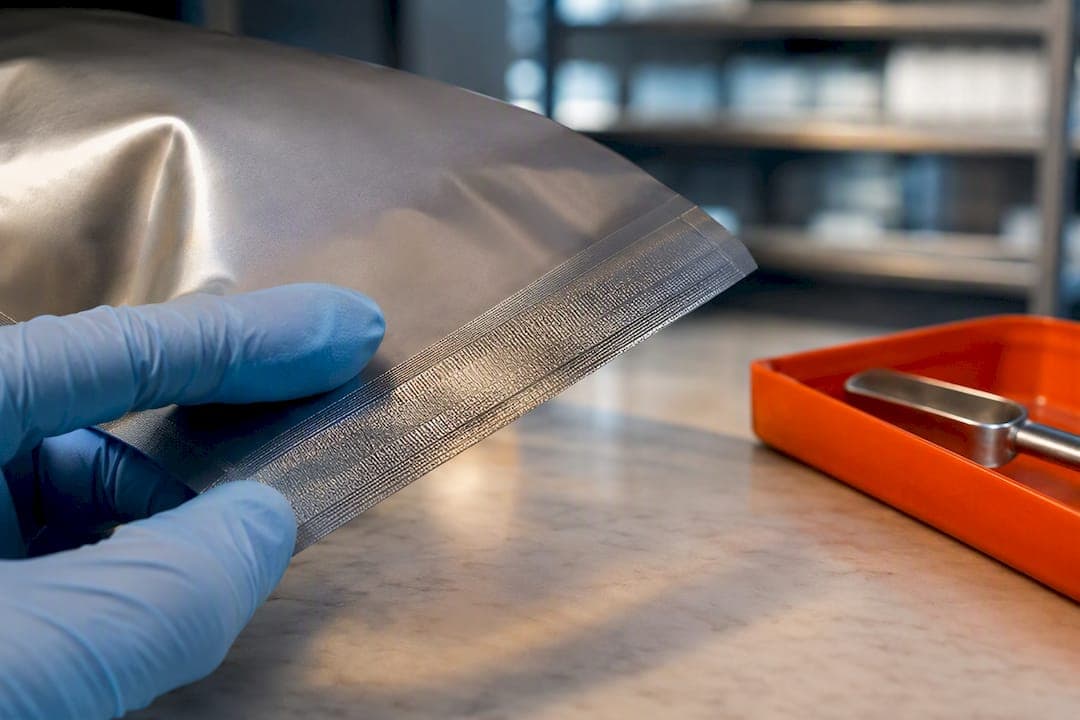
The main retail formats are frozen flat packs and cubes, jars of instant (nonliving) nauplii, and sealed cyst pouches or vials for on-demand hatching. The single rule that matters most across all three: prioritize sealed moisture and oxygen-barrier packaging, visible lot IDs, and confirmed cold-chain handling for anything frozen. Skip packaging that skips those, no matter how good the price looks. Some suppliers sell farmed live brine shrimp through retail and bulk channels for buyers who want a traceable source.
TL;DR:
- Sealed foil or vacuum-packaged cysts and frozen products maintain viability longer and are less prone to spoilage during storage or shipping.
- Lot IDs, clear "best before" dates, and documented cold-chain procedures are essential for ensuring product traceability and quality.
- Unopened frozen packs last months in a steady freezer, but once opened, they should be used quickly; thawed products must not be refrozen.
- Shelf life for cyst pouches in cool, dry storage can extend beyond a year, while live brine shrimp require fresh handling within 48 to 72 hours.
- Buying from farmed, microalgae-fed producers reduces variability and contamination risks, especially when paired with proper packaging and traceability documentation.
Table of Contents
- Retail Formats Explained: Frozen Packs, Instant Jars, and Cyst Pouches
- What Packaging Features Actually Protect Quality
- How Long Does Retail-Ready Brine Shrimp Stay Good?
- How to Evaluate and Buy Retail-Ready Brine Shrimp
- Why Farmed, Microalgae-Fed Brine Shrimp Change the Packaging Equation
- A Note on Sourcing and Transparency
- Ordering Retail-Ready Brine Shrimp From Demeter
- Sources
- FAQ
Retail Formats Explained: Frozen Packs, Instant Jars, and Cyst Pouches
Not every retail-ready format solves the same problem, and picking the wrong one wastes money fast.
Frozen flat packs are the format most fish stores stock for daily feeding. They come in thin sheets, usually a few ounces to a pound, designed to snap or cut into feeding-size portions without thawing the whole pack. Frozen cubes or blocks solve the same problem differently: pre-portioned cavities let a hobbyist pop out one cube per feeding instead of guessing how much to break off a sheet. That portioning control matters more than it sounds. Overfeeding frozen shrimp is one of the fastest ways to foul a tank.
Instant nauplii jars contain nonliving nauplii suspended in solution, ready to pour straight into a tank with no hatching cones or salt water required. These jars can hold more than a million nauplii each, and unopened jars are generally shelf stable, though the manufacturer's refrigeration rules kick in the moment the seal breaks.
Cyst pouches and vials target hobbyists who want to hatch nauplii themselves, on their own schedule, for live first-feeds. Decapsulated cysts, which have the outer shell removed, add convenience for breeders who want to skip the shell-separation step entirely.
Matching format to buyer type keeps procurement simple:
- Home hobbyists feeding one or two tanks usually do best with frozen cubes or a small cyst vial for hatching.
- Retail shelf stickers need frozen flat packs and instant jars with strong barrier packaging and long unopened shelf life.
- Aquaculture and institutional buyers typically want bulk cyst packaging or frozen blocks with documented lot traceability for larger, recurring orders.
What Packaging Features Actually Protect Quality
The packaging itself tells you more about product quality than most marketing copy does.
Moisture and oxygen exposure kill viability in cysts faster than almost anything else, which is why foil pouches and vacuum-sealed bags outperform loose bulk bags for anything meant to sit on a shelf for weeks. Frozen products depend on an unbroken cold chain from processor to store freezer. A soft or partially thawed pack at delivery is a warning sign, not a minor inconvenience.
Check these details before you buy or before you stock a product:
- Lot ID and production date on the label, so a bad batch can be traced and pulled.
- Tamper seals on jars and pouches, confirming the product hasn't been reopened.
- Guaranteed analysis listing protein and moisture content, not just a marketing phrase like "high protein."
- "Best before" dates paired with clear storage instructions, not just a date with no context.
- Processing claims stated plainly, such as "decapsulated" or "shell separated," rather than implied.
Pro Tip: Ask a supplier what percentage of a cyst lot is "sinkers," the unhatched shell fragments that settle instead of float. A clean lot runs low on sinkers, and a high sinker count usually means sloppy processing that can clog hatching cones later.
How Long Does Retail-Ready Brine Shrimp Stay Good?
Shelf life depends entirely on format, and the gap between "unopened" and "opened" is bigger than most buyers expect.
- Unopened frozen packs and cubes hold well in a standard freezer for months when kept at a steady temperature. Once opened, use the remainder within a few days and never refreeze thawed portions.
- Instant nauplii jars stay shelf stable unopened at room temperature, but refrigeration becomes mandatory the moment the seal breaks, with use typically recommended within the manufacturer's stated window, often a few weeks.
- Cyst pouches last longest in cool, dry, low-humidity storage. A sealed, unopened pouch kept refrigerated can remain viable for a year or more; once opened, reseal tightly and use it up faster.
Reject any product showing a strong ammonia smell, clumped or discolored cysts, or a frozen pack with visible ice crystals inside the bag, a sign of temperature cycling during transport.
How to Evaluate and Buy Retail-Ready Brine Shrimp
The advertised "hatch rate" on a bag of cysts tells you less than you'd think. Extension guidance recommends asking suppliers for nauplii-per-gram (NPG) counts and microbial-screening data instead of relying on a marketed hatch percentage, since NPG reflects actual usable output per gram rather than a lab-optimal best case.
Before placing an order, especially a bulk one, ask for:
- Production lot ID and the packaging material specification, not just "sealed bag."
- Cold-chain procedures for any frozen product, including transit temperature logs if available.
- Documented microbial testing, particularly for institutional or research buyers.
Retailers stocking shelves need a slightly different checklist: pack sizes that match turnover speed, freezer or refrigeration space at point of sale, minimum order quantities and bulk pricing tiers, and a clear returns policy for damaged cold-chain shipments.
Pro Tip: Order a small sample batch before committing to a bulk contract. Hobbyist testing has shown meaningful variability in hatch performance tied directly to storage and packaging quality across retail cyst brands, so a sample run catches problems before they show up in a 20-pound drum.
Why Farmed, Microalgae-Fed Brine Shrimp Change the Packaging Equation
Wild-harvested brine shrimp vary season to season, and that variability is exactly what packaging has to compensate for. Demeter raises its brine shrimp in land-based systems fed exclusively on the microalgae Dunaliella, targeting a consistent protein content of at least 40 percent as a stated production standard.
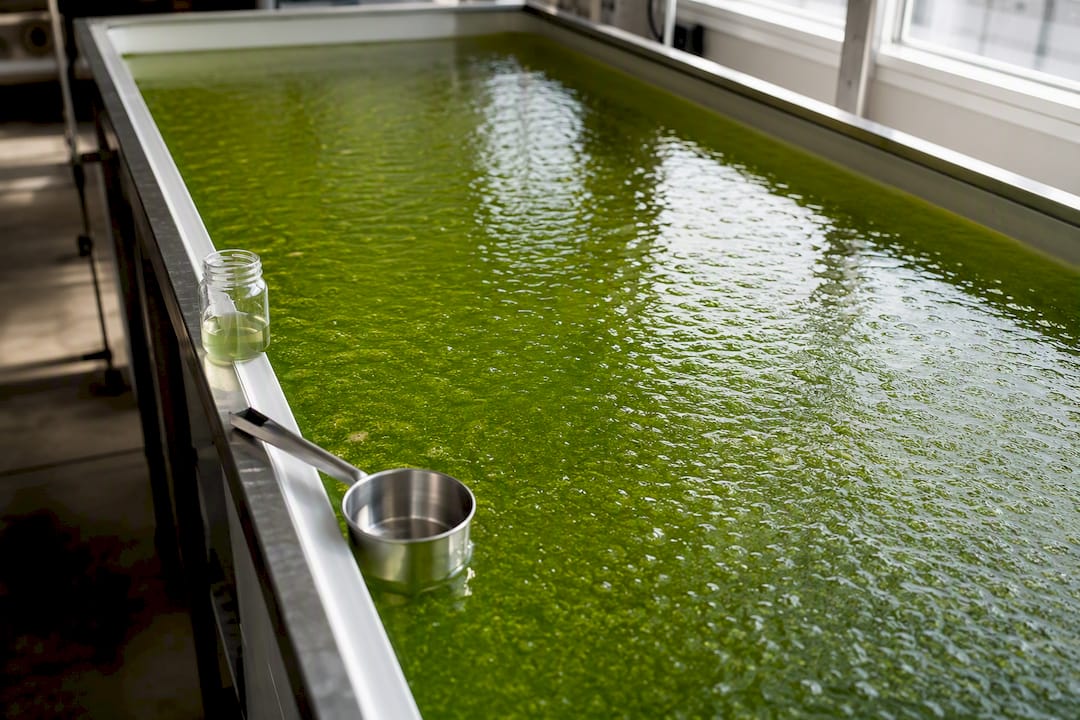
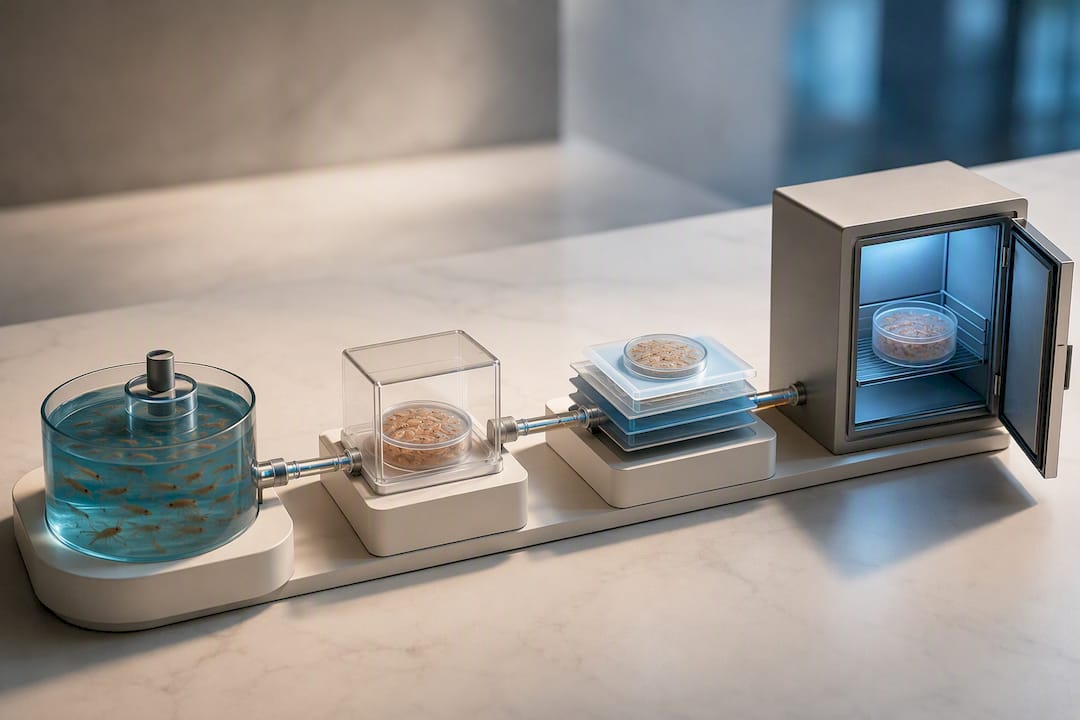
Controlled cultivation reduces the contamination and nutritional swings that wild harvests are prone to, which lowers the burden on packaging to "hide" inconsistency. It doesn't remove the need for good packaging practice. Lot IDs still matter for traceability, barrier materials still matter for cyst viability, and cold-chain discipline still matters for anything shipped live or frozen. Farmed production and solid packaging work together, not as substitutes for each other.
A Note on Sourcing and Transparency
Buyers get burned less often when they demand traceable, well-packaged product over cheap bulk with no paperwork. Ask any supplier for lot IDs and a sample order before committing to volume. If a company won't share that, treat it as your answer.
— Demeter
Ordering Retail-Ready Brine Shrimp From Demeter
Demeterbioscience is the alternative to sourcing from unlabeled bulk drums with no traceability. Every order ties back to a documented production lot from a controlled, land-based system, not a wild harvest with seasonal swings baked in.
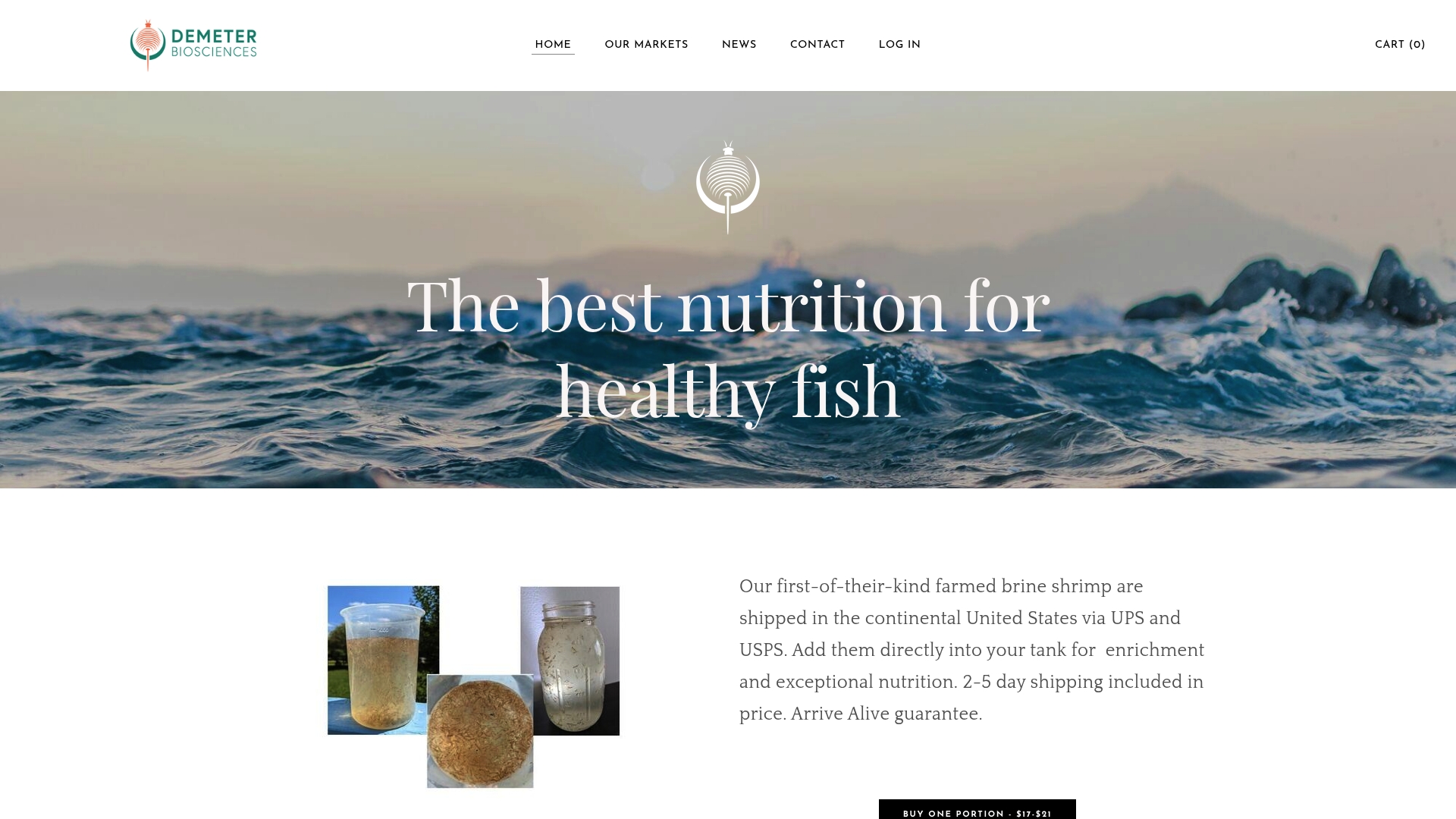
Options include direct live brine shrimp shipments starting at $17 to $35 per order, a monthly membership for recurring live shipments at $25 per month, and bulk retail packages built for stores, museums, and research institutions. Retailers and institutional buyers can request packaging specs, lot documentation, and bulk pricing directly. If you're ready to see what a traceable, farmed supply chain looks like on your shelf, reach out through the contact page and ask for a sample order before you commit to volume.
Sources
For deeper technical grounding beyond this guide, the Virginia Cooperative Extension's brine shrimp culture guidance covers NPG evaluation and hatchery-quality metrics in detail. Ocean Nutrition's product documentation outlines storage rules for instant nauplii jars, and the Water Life technical guide on Artemia cysts breaks down barrier packaging and bulk options in more depth.
- Brine shrimp (Artemia) culture and use — Virginia Cooperative Extension
- Instant Baby Brine Shrimp | Ocean Nutrition
- Artemia cysts vs. decapsulated brine shrimp: technical guide — Water Life
FAQ
How Much Can You Sell Brine Shrimp For?
Pricing depends heavily on format and volume. Live shipments direct from a farmed supplier like Demeter run $17 to $35 per order, while bulk retail packages for stores and institutions are priced on request based on quantity and packaging specs.
How Should I Store Brine Shrimp?
Storage depends on the format: unopened frozen packs go in the freezer for months, instant nauplii jars need refrigeration only after opening, and cyst pouches keep longest in cool, dry, sealed conditions. Live shipments should be held cold with gentle aeration for no more than 48 to 72 hours before feeding.
Where Can I Purchase Brine Shrimp?
Retail-ready brine shrimp is available through pet stores for frozen and instant formats, and directly from farmed producers for live shipments. Demeter offers direct-to-consumer live orders, a monthly subscription, and bulk packages for retailers and institutions.
How Long Can You Keep Brine Shrimp Alive?
Live brine shrimp typically hold up well for 48 to 72 hours with proper cold storage and light aeration. Watch for a strong ammonia smell or a die-off at the bottom of the container as signs it's time to feed out or discard what's left.