

Yes. Most reputable live brine shrimp sellers back their shipments with a live arrival guarantee brine shrimp buyers can actually use, typically promising a free replacement or a refund if the shrimp arrive dead or in visibly poor condition. That's the short answer. The longer answer, and the part that actually protects your wallet, is understanding what "guarantee" means in fine print versus what it means in practice.
Here's what a typical policy covers and where it stops:
- Remedies: free replacement shipment or a refund, sometimes store credit if you'd rather apply it to a future order
- Claim window: usually 2 to 12 hours after delivery, occasionally same-day only
- Evidence required: time-stamped photos or a short video of the bag or container on arrival
- Common exclusions: carrier delays, buyer unavailability, delivery to an unattended address in extreme heat or cold, or claims filed after the stated window closes
Policies genuinely vary by seller, so the guarantee printed on one company's site won't necessarily match another's. Before you check out, know exactly what you're agreeing to.
Key Takeaways
A reliable live-arrival guarantee combines a clear time window, defined evidence requirements, and a seller that hatches to order rather than shipping aging stock.
| Point | Details |
|---|---|
| Guarantee scope | Covers DOA and severe viability loss, not carrier delays or post-delivery mishandling. |
| Evidence wins claims | Time-stamped photos or video taken immediately on opening are usually required for approval. |
| Hatch age drives nutrition | Nutritional value peaks in the first 12 to 48 hours after hatch, so ask if a seller hatches to order. |
| Packaging determines survival | Temperature control and buffered water to prevent pH crashes matter more than box size or branding. |
| Demeterbioscience's approach | Ships hatch-to-order, microalgae-fed brine shrimp with a stated live-arrival policy and direct claims support. |
Table of Contents
- What Does a Live Arrival Guarantee for Brine Shrimp Cover?
- How Do You File a Live-Arrival Claim?
- What Should You Expect From Shipping and Packaging?
- What Can You Do to Improve the Odds of Live Arrival?
- Why Does Hatch Age Affect Nutritional Value?
- What Should You Ask Before You Buy?
- When Does a Guarantee Not Apply?
- Why This Guarantee Is the Whole Point, Not a Footnote
- How Do You Order Guaranteed Live Brine Shrimp From Demeterbioscience?
- Sources
What Does a Live Arrival Guarantee for Brine Shrimp Cover?
A live-arrival guarantee is a narrower promise than it sounds. It covers the fact that your shrimp were alive and viable when packed and should still be alive when you open the box, not the long-term survival of your culture or how the shrimp perform once you feed them out. Sellers draw a hard line between "died in transit" and "died because of something that happened after delivery," and that line is where most disputes happen.
Typically covered:
- Dead on arrival (DOA), meaning the majority of the shipment shows no movement when opened
- Incorrect counts or volume that falls well short of what you paid for
- Severely depleted viability, where shrimp are technically alive but clearly dying (barely moving, discolored, or clumped at the bottom motionless)
Typically excluded:
- Delays caused by the carrier, including weather holds or missed scans
- Improper handling after the package leaves the seller's control, like leaving it in a hot mailbox for six hours
- Cosmetic issues, such as slightly pale coloring, that aren't tied to an actual health problem
- Claims filed outside the stated window, even by a few hours
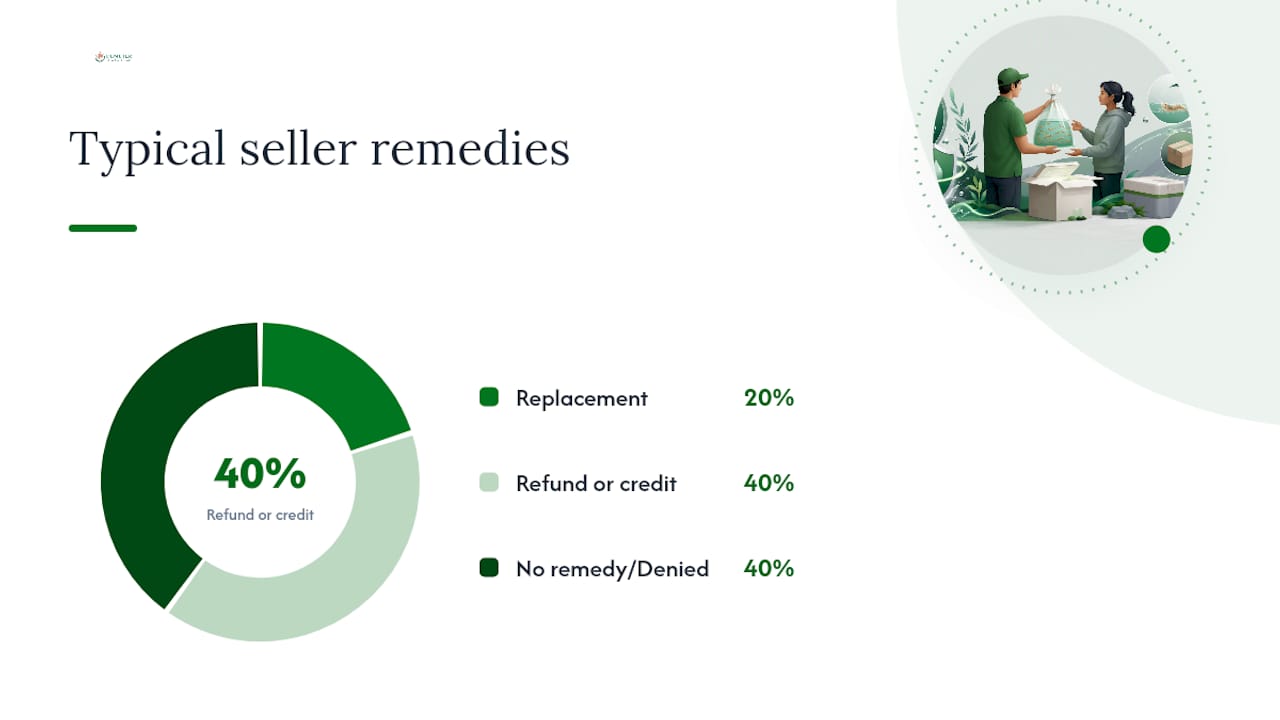
Here's how the two most common remedy paths typically compare:
| Scenario | Typical seller response |
|---|---|
| Majority DOA, photos submitted within window | Free replacement shipment, sometimes with next available hatch date |
| Partial die-off (shrimp arrived weak but some viable) | Partial refund or credit, case-by-case |
| Count shortfall from what was ordered | Refund of the difference or added shrimp on next order |
| Claim filed after window closes | No remedy, though some sellers offer discretionary credit |
| Carrier-caused delay documented by tracking | Denied by most policies, though a few sellers make exceptions for extreme delays |
Refund versus replacement often comes down to whether the seller can hatch and ship again quickly. If they hatch to order and have eggs ready, replacement is usually faster and cheaper for them than issuing a refund, so that's the default response you'll get from most companies.
How Do You File a Live-Arrival Claim?
Move fast. Every guarantee has a clock attached, and the single biggest reason legitimate claims get denied is that buyers wait too long to document the problem.
- Open the package within the stated window (check your confirmation email or the seller's policy page, since this ranges from immediate opening to same-day).
- Photograph or film the container before disturbing it. Show the water clarity, any visible shrimp, and the packaging itself. A ten-second video beats three photos because it captures movement, or the lack of it.
- Note the delivery time versus the promised window. If your package sat on a porch for four extra hours in July heat, that timestamp matters for your own record even if the seller won't cover it.
- Contact the seller through their designated claims channel, not a general inquiry form, if one is listed separately.
- Include your order number, delivery timestamp, and media in a single message rather than a back-and-forth.
A workable claim message looks like this: "Order #[number], delivered [date/time]. Attached photos/video show [describe condition, e.g., 'no movement after 15 minutes in acclimated water']. Requesting replacement or refund per your live arrival policy." Short, factual, and evidence-first gets processed faster than a long explanation of your disappointment.
Most sellers respond within one to two business days. Replacement shipments typically go out on the next available hatch cycle rather than immediately, since live brine shrimp aren't sitting in a warehouse waiting. If you haven't heard back in three business days, follow up on the same thread rather than opening a new one. That keeps your evidence and order number attached to a single conversation instead of scattered across two.
Pro Tip: Save your claim photos even after resolution. If you order from the same seller again, having a documented history speeds up any future conversation and shows you're a customer who reports problems accurately, not one who cries DOA on every order.
What Should You Expect From Shipping and Packaging?
Packaging is where most of the actual survival battle gets won or lost. Live brine shrimp typically ship in insulated boxes with oxygenated or conditioned water, sometimes with a heat or cold pack depending on season, and the water itself is often buffered to prevent a dangerous pH crash. Carbon dioxide buildup during transit can drive pH down sharply as the shrimp respire in a sealed container, and sellers who buffer their water with something like sodium bicarbonate are addressing a real, well-documented failure point, not just adding a nice-to-have.
- Insulated boxes with gel packs sized to the season
- Oxygenated or pure-oxygen-filled bags to reduce respiration stress
- Buffered water to stabilize pH over a multi-day transit window
- Overnight or 2-day express service as the standard for live orders, since ground shipping introduces too much variability
Transit temperature matters more than most buyers realize. Nauplii and juveniles generally tolerate a band of roughly 20°C to 32°C, and anything outside that range for an extended period stresses or kills them well before oxygen runs out.
Freshly hatched nauplii tend to hold up better over a short transit window than shrimp several days old, since younger shrimp have more stored energy reserves to draw on while sealed in a bag. That's part of why "hatch-to-order" sellers time their hatch cycles around shipping cutoffs rather than shipping from a standing stock.
Pro Tip: If your carrier offers a "hold for pickup" or scheduled delivery option, use it. A live shipment sitting on a porch in August heat or a January freeze is the single most common cause of a legitimate DOA claim, and it's one you can prevent before the box ever leaves the warehouse.
What Can You Do to Improve the Odds of Live Arrival?
You control more of this outcome than you'd think. Sellers handle packaging and transit, but what happens in the 30 minutes after your doorbell rings is entirely on you.
Before the shipment arrives:
- Confirm the seller hatches to order rather than shipping from held stock
- Pick a delivery window that avoids being away from home for an extended stretch
- Add delivery instructions (shaded spot, front desk, neighbor) if you won't be home
When the package arrives:
- Open it immediately rather than letting it sit, even if you're not ready to feed out yet
- Check water temperature against your tank or hatching setup before adding shrimp
- Float the sealed bag in your tank for 10 to 15 minutes to match temperature gradually
- Add small amounts of your tank water to the bag every few minutes to match salinity before release, since a sudden change stresses or kills shrimp fast
- Use dechlorinated or aged aquarium water rather than straight tap water for any rinsing step. Trace copper or zinc leaching from household plumbing can be lethal to nauplii even in amounts too small to detect by smell or taste.
If you're feeding out immediately rather than culturing, skip the acclimation drag and get the shrimp into your tank quickly once temperature and salinity are reasonably close. Speed matters more than precision when the shrimp are destined to be eaten within the hour.
Pro Tip: In peak summer or winter, ask the seller about their current transit adjustments. Some slow down shipments or restrict them to certain days of the week to avoid extreme temperature swings sitting in a delivery truck, and a seller who volunteers this information without you asking is one worth trusting.
Why Does Hatch Age Affect Nutritional Value?
Timing is everything here, and it's the part most buyers never think to ask about. Brine shrimp nutritional value peaks in roughly the first 12 to 48 hours after hatch, when nauplii are still living off their yolk reserves and carrying the highest concentration of essential amino acids and unsaturated fatty acids. After that window, the nutrients that made brine shrimp worth feeding in the first place start draining away, even if the shrimp themselves are still very much alive.
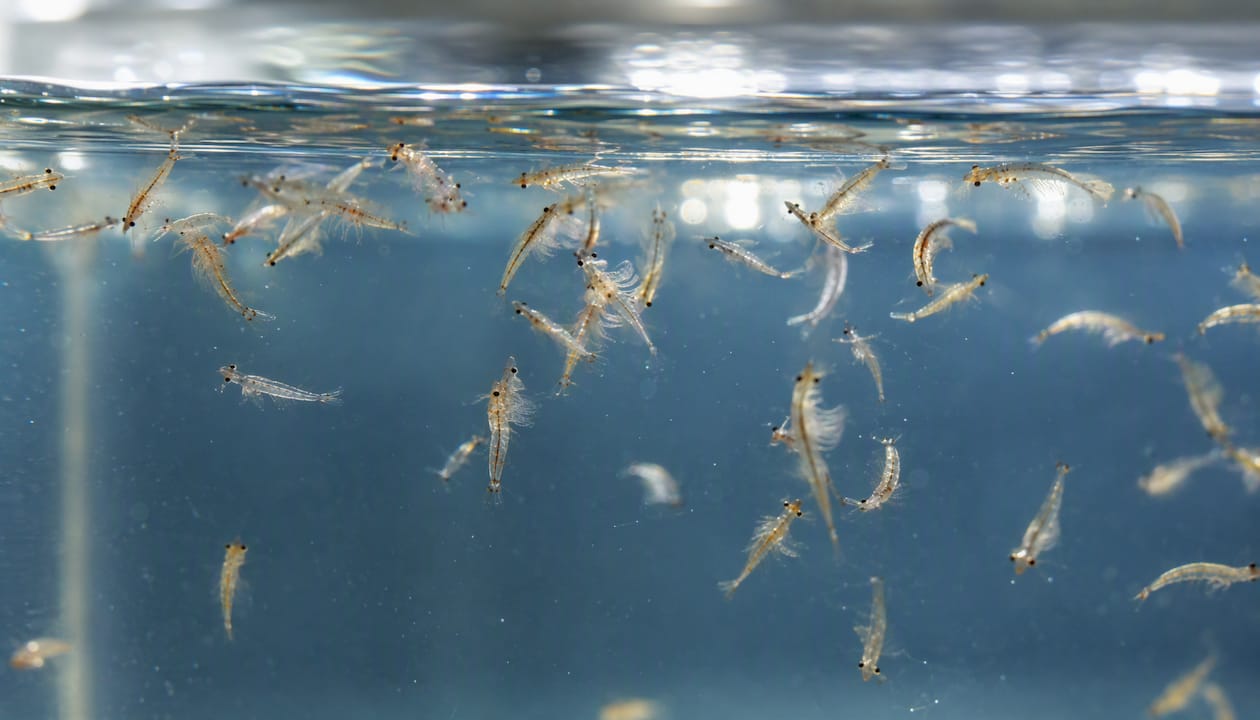
This is exactly why "hatch-to-order" matters more than "guaranteed live." A shrimp can arrive perfectly alive at 72 hours post-hatch and still deliver a fraction of the nutritional punch it had on day one. Some hatching guides recommend harvesting around 12 to 18 hours post-hatch for the best combination of hatch rate and nutrition, while growing shrimp for 2 to 3 days increases their size and total usable yield at the cost of that peak nutrient window. Neither approach is wrong. They just serve different goals, and you should know which one you're paying for.
Before you buy, ask directly: does the seller hatch to order, and do they ship same-day or next-day after hatching? Are the nauplii shipped in a plain water bag, or suspended in a nutritive medium like phytoplankton or a vitamin mix that helps preserve feeding value during transit? A seller who can answer both questions specifically, rather than vaguely, is one who's actually thought about the biology and not just the shipping label.
What Should You Ask Before You Buy?
A handful of direct questions separate a seller with a real guarantee from one using the word as marketing.
Ask the seller:
- Do you hatch to order, and if so, how many hours before shipping?
- What is your DOA claim window, in hours, from delivery?
- What evidence do you require, and how do I submit it?
- What carrier and service level do you use, and what's your shipping cutoff day?
- What happens if I'm not home to accept the delivery?
Red flags worth walking away from:
- No visible contact method beyond a generic contact form with no stated response time
- A "guarantee" mentioned once with zero listed exclusions or claim process
- No disclosure of which carrier or shipping speed they use
- Vague language like "we stand behind our shrimp" with nothing specific underneath it
Trust signals worth buying from:
- A written live-arrival policy with a specific time window and specific evidence requirements
- A documented replacement or refund procedure you can read before you order, not one you discover after a problem
- Clearly stated shipping cutoffs so you know exactly which day your order needs to be placed by
- A direct support channel, whether that's a phone number, dedicated claims email, or live chat, staffed by someone who can actually process a claim
Pro Tip: Read the guarantee page before you read the product description. If a seller invests real detail into their policy page, that's usually a sign they've dealt with claims seriously enough to have a process, not just a slogan.
When Does a Guarantee Not Apply?
Every guarantee has edges, and understanding them ahead of time saves you a frustrating argument later. The most common legitimate exclusions involve events genuinely outside the seller's control.
- Weather-related carrier delays that push a shipment past its intended transit window
- Buyer unavailability, including refused deliveries or packages left unclaimed at a pickup location
- Incorrect shipping addresses provided at checkout that cause rerouting or extended transit
- Mishandling after delivery, such as leaving a live shipment in a hot car or unopened for 24 hours
A shipment delayed two extra days by a winter storm and left on an unheated porch is a fundamentally different situation than a shipment that arrived on schedule and was dead on opening. The first is bad luck compounded by circumstances outside anyone's control. The second is exactly what a live arrival guarantee exists to fix.
The clearest way to avoid landing in the excluded category is boring but effective: double-check your shipping address before submitting the order, choose express shipping when the option exists, and pick a delivery day when you know you'll actually be home. None of that guarantees a perfect outcome, but it removes the most common reasons a legitimate-sounding claim gets denied.
Why This Guarantee Is the Whole Point, Not a Footnote
A live arrival guarantee shouldn't be an afterthought bolted onto a product page. At Demeterbioscience, we built our process around hatching to order specifically because a guarantee is only meaningful if the product behind it was set up to succeed in the first place. Shrimp raised in a land-based, microalgae-fed system and shipped shortly after hatch don't need a generous guarantee to compensate for weak starting material. They need a fair one, clearly written, that customers rarely have to invoke.
Our brine shrimp are cultivated on Dunaliella algae in a controlled environment rather than pulled from wild harvests subject to seasonal starvation and inconsistent protein content. That consistency is what makes a tight claim window realistic instead of risky. Whether you're ordering a single shipment, subscribing monthly, or placing a bulk order for a fish store or research institution, the same policy and the same support channel apply. If something goes wrong within the stated window, we want to hear about it fast and resolve it faster, not bury you in fine print designed to slow the process down.
How Do You Order Guaranteed Live Brine Shrimp From Demeterbioscience?
Demeterbioscience ships brine shrimp hatched to order and raised exclusively on Dunaliella microalgae, which keeps protein content at 40% or higher instead of the inconsistent nutrition you get from wild-caught stock at the mercy of ocean conditions.
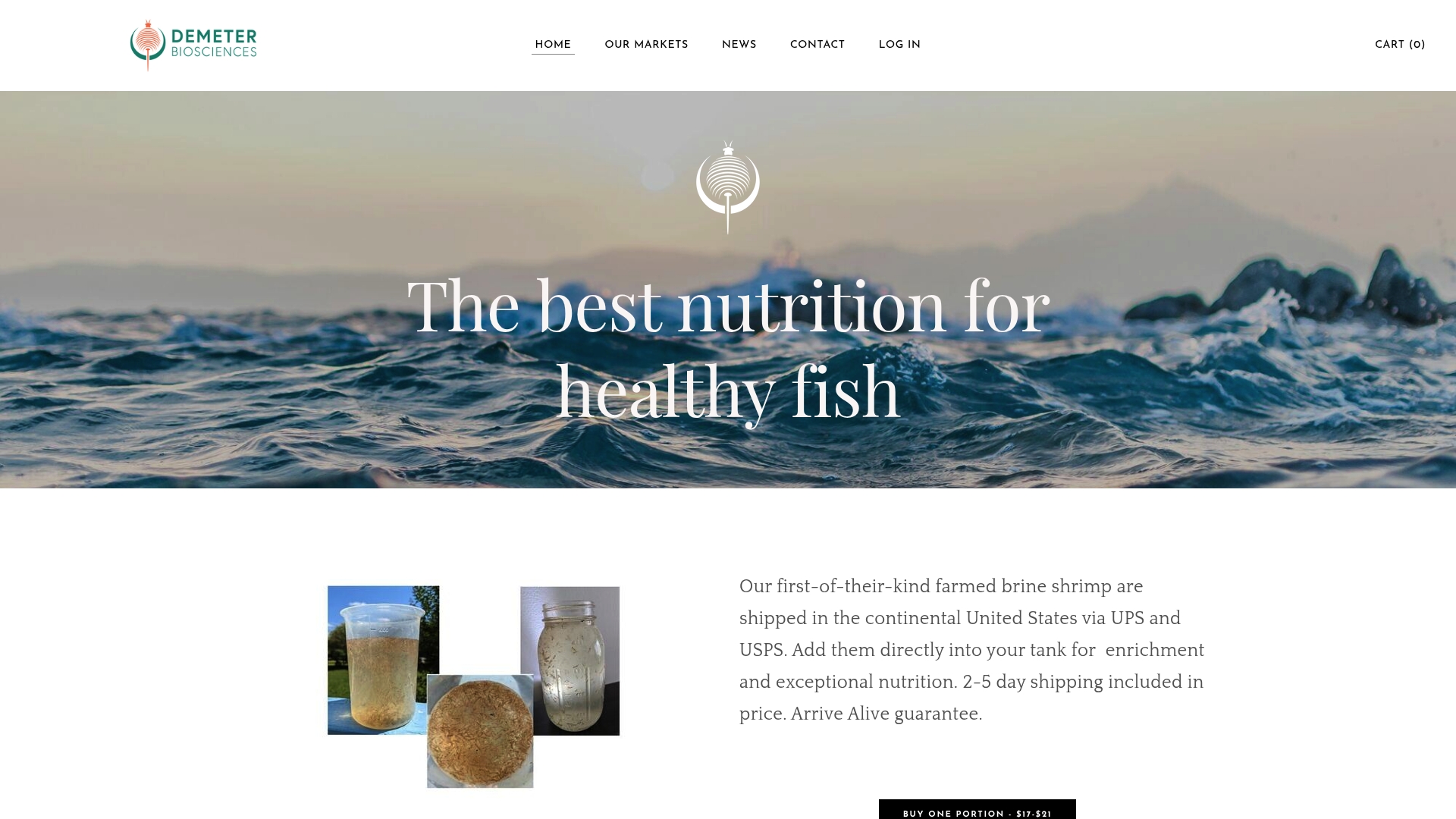
Ordering is straightforward. Pick your quantity on the live brine shrimp product page, select a delivery window that matches when someone will actually be home to receive the package, and add any delivery notes if your address needs special handling. If you're stocking a store, museum, or research setup, the bulk order page covers larger quantities with the same freshness standards. Monthly subscriptions are available if you'd rather not reorder manually every time your culture or feeding schedule needs a refill.
If a shipment ever arrives outside our stated guarantee window, our contact page is the direct line for filing a claim. No runaround, no vague form. Place your order today and see what hatch-to-order freshness actually looks like in your tank.
Sources
- Undergraduate honors project — brine shrimp hatch timing and nutrition (URI digital commons)
- Care guide: brine shrimp (Carolina Biological Supply)
- Complete guide to brine shrimp hatching and live feed management (br-choku)
- Hatching and Growing Brine Shrimp (Diana Walstad PDF)
Consult these sources for the specific temperature, salinity, and pH parameters you'll need if you ever decide to hatch your own eggs at home rather than ordering hatch-to-order nauplii.