
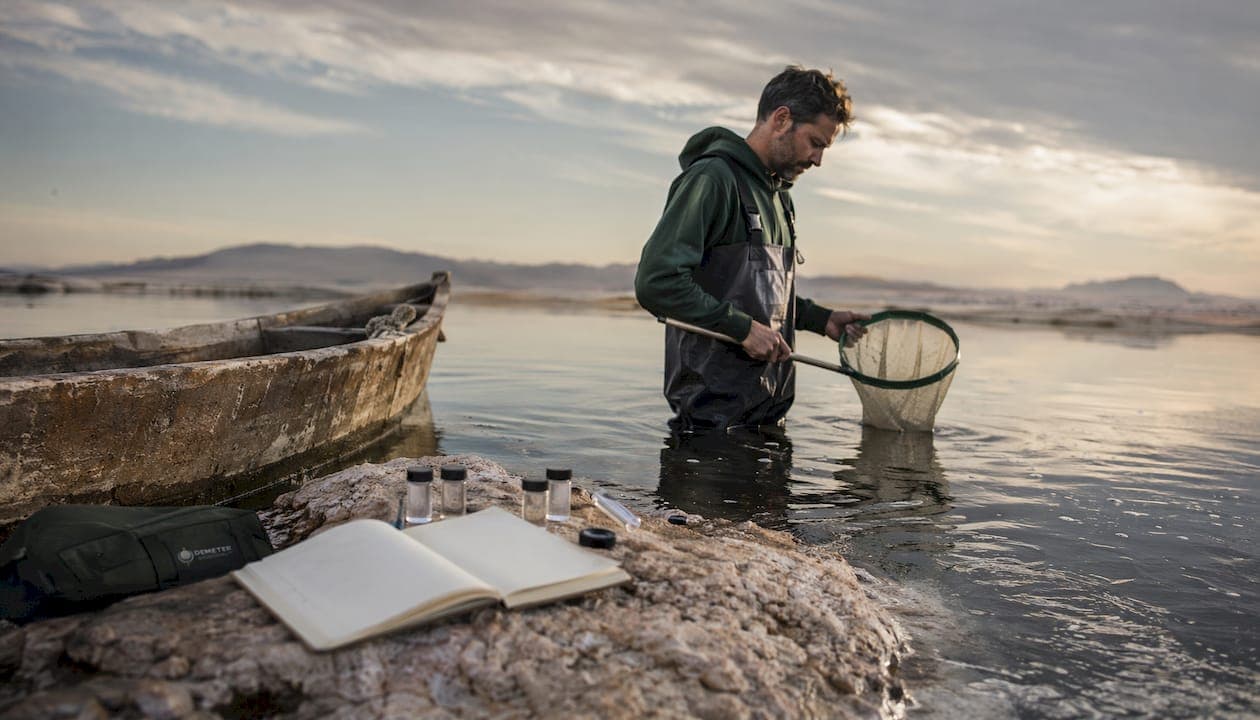
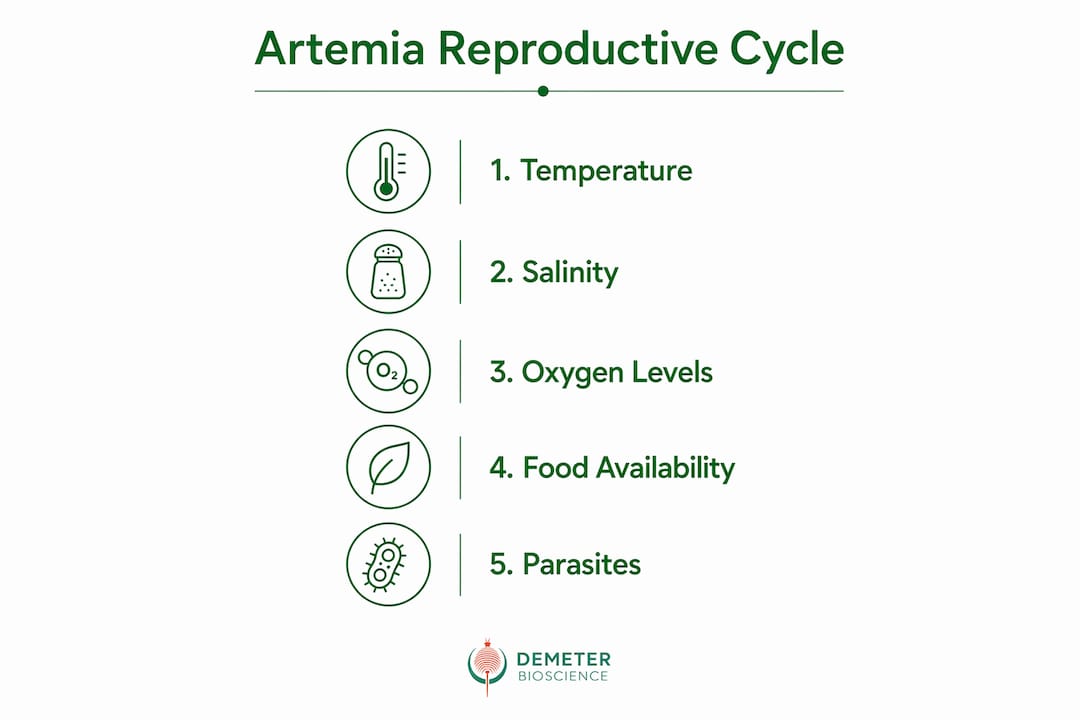
Seasonal brine shrimp variability is defined as the cyclical shift in Artemia population size, reproductive mode, and physiological state driven by environmental cues including temperature, salinity, oxygen availability, and biotic pressures. What causes seasonal brine shrimp variability is not a single stressor but a cascade: when conditions cross specific thresholds, populations switch from producing live nauplii to releasing dormant cysts, a bet-hedging survival strategy rather than a population collapse. Parasites and invasive species compound these abiotic drivers, while biochemical markers like carotenoid profiles now offer researchers a window into environmental stress that traditional counts miss entirely.
What causes seasonal brine shrimp variability: the reproductive switch
The core mechanism behind seasonal Artemia population fluctuations is a temperature-dependent reproductive switch between ovoviviparity, which produces live nauplii, and oviparity, which produces dormant cysts. This switch is hormonally regulated and involves gene expression changes that allow Artemia to enter cryptobiosis, a state of near-total metabolic suspension. Cryptobiosis is rare among crustaceans and represents one of the most extreme physiological adaptations in invertebrate biology.
The triggers are well-defined. Salinities above 150‰, hypoxia, and food limitation all push populations toward cyst production. Cysts remain viable in dry, oxygen-free conditions for over two years and can briefly withstand temperatures from -190°C to +105°C. That durability explains why Artemia populations can appear to vanish seasonally and then rebound rapidly when conditions improve.
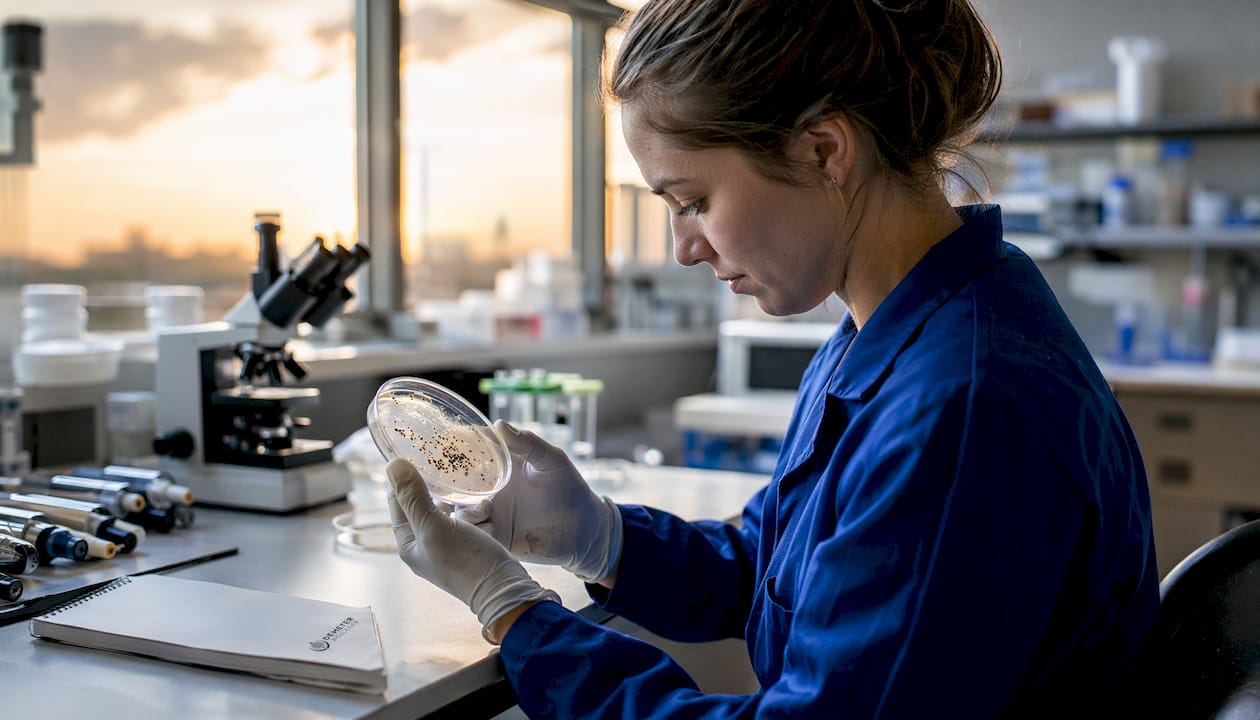
Researchers and students studying brine shrimp population fluctuations often misread this transition as mortality. It is not. Population declines often reflect adaptive reproductive shifts rather than death events, which means abundance counts alone give an incomplete picture of ecosystem health. Integrating cyst bank data alongside live population counts is the minimum standard for accurate seasonal assessments.
How do temperature and salinity drive population cycles?
Temperature and salinity are the two most studied factors affecting brine shrimp reproductive output, and their effects interact in ways that define the seasonal rhythm of hypersaline ecosystems.
Salinity thresholds and reproductive output
Artemia tolerate salinities ranging from 2.5% to 25%, but optimal reproductive salinity sits between 6% and 10%. Above 150‰, cyst production dominates. That window is narrow. Hypersaline lake salinity changes affect reproductive output long before lethal thresholds are reached, which means habitat monitoring must track salinity continuously, not just during obvious stress events.
Temperature-dependent mode switching
Temperature shifts trigger the ovoviviparity-to-oviparity transition independently of salinity. Warmer temperatures within the optimal range support live birth; temperature extremes push the system toward cyst production. The table below summarizes key abiotic thresholds and their ecological effects.
| Parameter | Optimal range | Stress threshold | Population effect |
|---|---|---|---|
| Salinity | 6%–10% | Above 150‰ | Shifts to cyst production |
| Temperature | Species-dependent moderate range | Extremes (high or low) | Triggers oviparity |
| Oxygen | Normoxic | Hypoxic | Accelerates cyst release |
| pH | Near neutral | Acidic or alkaline extremes | Reduces hatching efficiency |
Key abiotic drivers and their documented effects on Artemia reproductive mode and population structure.
The ecological implication is significant. Long-term lake salinity monitoring reveals narrower reproductive thresholds than tolerance limits, meaning populations can be reproductively suppressed well before any organism dies. Conservation and research programs that track only survival miss the most sensitive indicator of ecosystem stress.
Pro Tip: Monitor temperature and salinity at multiple depths in hypersaline habitats. Surface readings alone can differ substantially from mid-column conditions where most reproductive activity occurs, leading to systematic underestimates of stress exposure.
How do parasites and invasive species affect seasonal variability?
Biotic factors amplify the environmental effects on brine shrimp population fluctuations in ways that are often underestimated in field studies. Two forces stand out: cestode parasitism and the global spread of invasive Artemia franciscana.
Cestode parasites and native population suppression
The cestode Flamingolepis liguloides infects native Artemia populations at rates that directly suppress reproductive success. Native Artemia carry this parasite at a prevalence of 47.33%, compared to just 5.3% in invasive A. franciscana. That difference is not marginal. The cestode is 18 times more frequent in native populations, causing castration effects and visible coloration changes that signal reproductive failure.
The seasonal consequence is a population that appears healthy by density counts but is largely non-reproductive during peak parasite transmission periods. Researchers who do not account for parasite prevalence will misattribute the resulting population dip to abiotic stress alone.
Invasive Artemia franciscana and competitive displacement
Invasive A. franciscana attains higher densities than native species partly because of its lower parasite burden. This competitive advantage compounds over seasonal cycles. As invasive populations grow, they alter local trophic interactions, affecting nutrient cycling and ecosystem stability with cascading seasonal repercussions that extend beyond Artemia itself.
The key effects of biotic pressure on seasonal variability include:
- Parasite-driven castration reduces effective reproductive population size during transmission peaks.
- Invasive species displace natives, shifting the seasonal population structure toward a less parasite-susceptible genotype.
- Altered host-parasite dynamics change the timing and magnitude of seasonal population crashes.
- Cascade effects reach flamingo and waterbird populations that depend on Artemia as a primary food source.
Pro Tip: Always measure parasite prevalence alongside population density in seasonal surveys. A population crash with high parasite load points to biotic suppression; a crash without it points to abiotic stress. The distinction changes the management response entirely.
What do carotenoid profiles reveal about environmental stress?
Carotenoid pigments in Artemia salina are not just coloring agents. They are metabolic records of environmental stress, and their seasonal variation tracks abiotic conditions with a resolution that traditional population counts cannot match.
Resonance Raman spectroscopy applied to A. salina reveals that carotenoid profiles vary distinctly between cold and warm seasons, correlating with nutritional availability and salinity fluctuations. Lorentz deconvolution of Raman spectra identifies up to five carotenoid peaks, with varying positions and band areas linked to specific environmental changes. Each peak shift corresponds to a different metabolic state, giving researchers a biochemical timeline of the conditions a population has experienced.
Carotenoids also serve a protective function. Under salinity extremes and temperature stress, elevated carotenoid concentrations buffer oxidative damage. A population with depleted carotenoid reserves is physiologically compromised even if its density looks normal. That gap between apparent abundance and actual physiological condition is exactly where traditional monitoring fails.
For researchers studying seasonal changes in brine shrimp, biochemical profiling via resonance Raman spectroscopy offers a non-invasive method for tracking ecosystem stress in real time. It also connects directly to brine shrimp nutritional quality, since carotenoid content is a key indicator of nutritional value for larval fish feeding on wild-harvested Artemia.
Pro Tip: Biochemical profiling works best when paired with traditional density counts. Use carotenoid data to flag populations under stress before the density signal appears. Early detection gives you a longer window for intervention or experimental adjustment.
What methodological factors skew seasonal population assessments?
Accurate measurement of seasonal brine shrimp variability requires more than a net and a counting chamber. Several methodological factors systematically bias population estimates if left uncontrolled.
-
Account for phototaxis in sampling design. Positive phototaxis causes shrimp to form surface aggregations during certain light conditions, creating apparent density spikes that do not reflect true population size. Sampling at a single time of day under variable light conditions produces data that cannot be compared across seasons.
-
Standardize sampling time and depth. Vertical migration driven by light intensity means shrimp distribution changes throughout the day. Best practices include sampling at multiple times and depths under controlled light conditions to capture a representative cross-section of the population.
-
Measure pH and dissolved oxygen alongside salinity and temperature. Abiotic factors including pH and oxygen regulate hatching efficiency, hatching percentage, and synchrony. Omitting these parameters leaves gaps in the causal chain between environmental conditions and observed population dynamics.
-
Integrate cyst bank sampling with live population counts. Live counts alone miss the reproductive mode entirely. Cyst bank density tells you whether the population is in a bet-hedging phase or actively reproducing, which is the single most informative variable for seasonal interpretation.
-
Record light cycle data as a temporal cue. Light cycles act as temporal cues influencing the standard hatching window duration, which varies by strain. Ignoring photoperiod data makes it impossible to predict or explain hatching synchrony across seasons.
Applying these five controls transforms seasonal surveys from descriptive snapshots into mechanistically interpretable datasets. Reproducibility across research groups depends on this level of standardization.
Key Takeaways
Seasonal brine shrimp variability is driven by a reproductive switch between live nauplii and dormant cysts, triggered by temperature, salinity, oxygen, parasites, and invasive species acting in combination.
| Point | Details |
|---|---|
| Reproductive switch is the core mechanism | Shifts from live birth to cyst production explain most apparent seasonal population declines. |
| Salinity window is narrow | Reproductive output drops well before lethal salinity thresholds, making continuous monitoring critical. |
| Parasites suppress native populations | Cestode prevalence of 47.33% in native Artemia causes castration effects that reduce seasonal reproductive success. |
| Carotenoids track environmental stress | Resonance Raman spectroscopy reveals biochemical stress before density counts show any change. |
| Phototaxis biases field estimates | Standardized sampling time and depth are required to produce comparable seasonal population data. |
What field experience teaches about interpreting seasonal fluctuations
Working with Artemia populations across both natural hypersaline systems and controlled cultivation settings has reinforced one conviction: the reproductive switch is the most misread signal in brine shrimp ecology. Researchers see a density drop and reach for abiotic explanations first. That instinct is understandable but often wrong.
The parasite data changes the picture significantly. A native population carrying Flamingolepis liguloides at nearly 50% prevalence is not responding to salinity stress when it crashes in late summer. It is responding to a biotic pressure that peaks with host density. Conflating the two leads to conservation interventions aimed at the wrong variable.
Biochemical markers have shifted my thinking on what "monitoring" means. Carotenoid profiles give you the history of a population's stress exposure, not just its current state. That temporal depth is something a single-point density count can never provide. Pairing spectroscopy with traditional surveys is not optional for rigorous seasonal analysis. It is the standard the field is moving toward.
The aquaculture implication is direct. Wild-harvested Artemia carry all of this variability into the feed supply. Nutritional quality, parasite load, and physiological condition fluctuate with the season in ways that are difficult to control at the point of use. Controlled cultivation sidesteps these variables entirely, which is why the gap between wild and farmed Artemia quality is not just a marketing claim. It is an ecological reality.
— Demeter
Consistent live brine shrimp supply for research and aquaculture
Seasonal variability in wild Artemia populations creates real problems for researchers who need consistent, high-quality live shrimp for experiments or larval fish rearing programs.
Demeterbioscience produces live brine shrimp in land-based, controlled systems fed exclusively on Dunaliella algae, delivering at least 40% protein content with none of the seasonal nutritional swings that affect wild-harvested populations. For labs and aquaculture operations that need larger volumes, bulk brine shrimp orders are available with consistent quality across shipments. Removing the wild supply chain from your experimental design means your results reflect biology, not seasonal ecosystem variability.
FAQ
What is the primary cause of seasonal brine shrimp variability?
Seasonal brine shrimp variability is primarily caused by a temperature-dependent reproductive switch between live nauplii production and dormant cyst release, triggered by salinity above 150‰, hypoxia, and food limitation. This switch is a survival adaptation, not a population die-off.
How does salinity affect brine shrimp reproduction?
Artemia reproduce most effectively at salinities between 6% and 10%. Above 150‰, populations shift to cyst production, and reproductive output declines well before lethal salinity thresholds are reached.
Why do invasive Artemia franciscana outcompete native species seasonally?
Invasive A. franciscana carry cestode parasites at only 5.3% prevalence compared to 47.33% in native species. That lower parasite burden allows invasive populations to maintain higher reproductive output across seasonal cycles, displacing native populations over time.
How can carotenoid profiling improve seasonal population studies?
Resonance Raman spectroscopy of Artemia salina carotenoids reveals biochemical stress responses that correlate with salinity and temperature changes before density counts show any signal. This makes carotenoid profiling a leading indicator of environmental stress in hypersaline ecosystems.
What sampling errors most commonly distort seasonal brine shrimp data?
Positive phototaxis causes Artemia to aggregate at the surface under certain light conditions, inflating density estimates. Standardizing sampling time, depth, and light conditions is required to produce seasonal data that is comparable across surveys and research groups.