
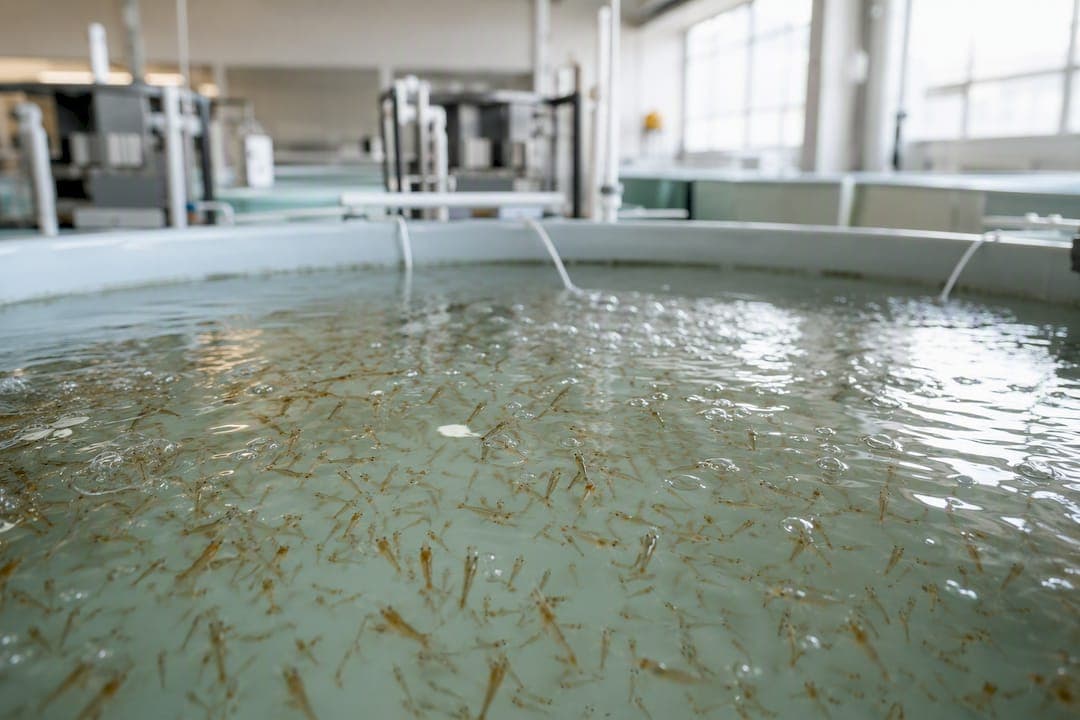
No, healthy brine shrimp should not smell rotten. A light briny, salty "ocean water" scent is normal. A sulfurous, fishy, or ammonia-like odor means bacteria are breaking down dead shrimp or waste, and you need to act now, not tomorrow.
Start here:
- Boost aeration immediately. Low oxygen is almost always part of the problem.
- Pull out anything dead or clumped. Dead biomass is bacterial food.
- Do a partial water change (25 to 50 percent) if the smell doesn't clear within an hour of fixing aeration.
- Wash your hands after handling smelly culture water. Bacterial blooms in warm saltwater aren't something you want lingering on your skin near your eyes or an open cut.
Key Takeaways
A healthy brine shrimp culture smells briny, not rotten, and a sulfur or ammonia odor always means bacterial decomposition that needs immediate aeration, cleanup, and a water change.
| Point | Details |
|---|---|
| Normal vs. warning smell | Briny is fine; sulfur, sharp ammonia, or strong fishy odors mean act now. |
| Aeration comes first | Boosting oxygen breaks up anaerobic pockets before bacteria spread further. |
| Remove waste fast | Dead shrimp and empty cyst shells feed the bacteria causing the smell. |
| Prevent, don't just react | Continuous low-flow aeration, routine rinsing, and moderate density stop odor before it starts. |
| Know when to quit | Persistent sulfur smell or repeated ammonia spikes mean discard and sterilize, not another fix attempt. |
Table of Contents
- Why Do Brine Shrimp Hatcheries Develop Odors?
- Briny, Fishy, or Rotten: What Does Each Smell Mean?
- What Should You Do First When a Culture Starts to Smell?
- Setting Up Your Hatchery to Prevent Smell in the First Place
- When Should You Just Throw the Culture Out?
- Why Farmed, Algae-Fed Brine Shrimp Cut Out the Odor Problem
- What the Research Actually Tells Us About Brine Shrimp Smell
- Frequently Asked Questions
- Sources
Why Do Brine Shrimp Hatcheries Develop Odors?
A hatchery is a small, warm, salty soup of biology, and biology gets messy fast when it's out of balance. The root cause almost always traces back to one of two things: too much waste, or too little oxygen.
Ammonia buildup from shrimp metabolism and uneaten food is the biggest chemical culprit. Research on high-density Artemia cultures found that ammonia concentrations at high levels measurably depressed feeding rates and viability (https://www.vliz.be/imisdocs/publications/ocrd/2811.pdf), and that same degraded water quality is tied directly to foul, sulfur-like smells. Once ammonia climbs, shrimp stop eating well, die off faster, and add more organic waste to the water, which speeds up the cycle.
Dead shrimp and empty cyst shells are the other half of the equation. They settle at the bottom and become a food source for anaerobic bacteria, the kind that thrive without oxygen and produce hydrogen sulfide, which is what gives rotten eggs their signature stink.
A few conditions make this worse:
- Overcrowding concentrates waste faster than water can dilute it.
- Warm temperatures speed up bacterial metabolism and decomposition.
- Stagnant zones in the container let shells and debris pile up undisturbed.
Salinity, temperature, and food levels don't act alone. A 2024 study on Artemia demographic responses found these factors interact, so fixing one variable while ignoring the others often produces disappointing results.
Briny, Fishy, or Rotten: What Does Each Smell Mean?
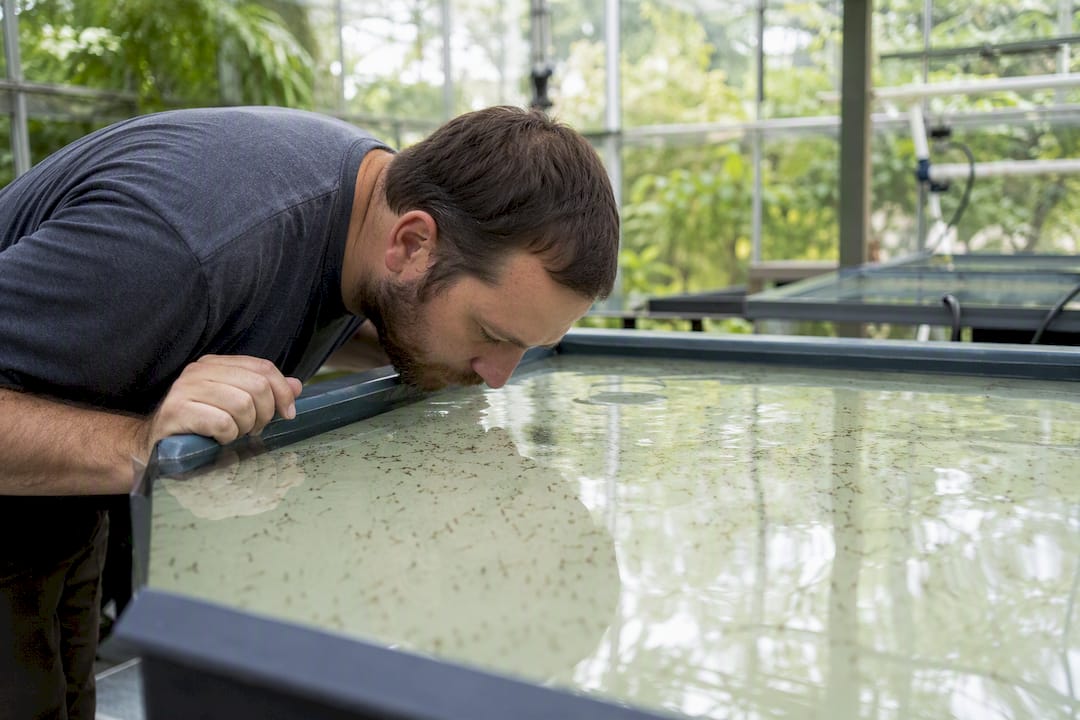
Your nose is a surprisingly reliable diagnostic tool here. Each odor points to a fairly specific cause, and knowing the difference saves you from either overreacting or waiting too long.
- Briny, "sea air" scent: Normal. This is dissolved salt and healthy algae or yeast feed. No action needed.
- Mild fishy or "seafood market" smell: Usually a sign of building organic waste, still early stage. Time to check aeration and clean debris.
- Sulfur or rotten egg odor: Bacterial decomposition, likely from dead shrimp or shells sitting in low oxygen. Peer-reviewed observations note that this sulfurous shift reliably signals bacterial decomposition and calls for immediate intervention.
- Sharp, chemical, ammonia-like sting: High ammonia from waste buildup. Water change territory, and possibly discard if it recurs.
Check these signs alongside the smell: cloudy water, a filmy scum on the surface, visible dead mass at the bottom, or tiny gas bubbles releasing when you disturb the substrate. Any of those paired with a sulfur smell means the problem is already underway, not just starting.
Pro Tip: Smell your culture at the same time each day. A sudden change from yesterday's "normal" briny scent to something sharper is often the earliest warning you'll get, well before the water even looks different.
What Should You Do First When a Culture Starts to Smell?
Work through this in order. Skipping steps, especially the first one, is the most common mistake hobbyists make.
- Increase aeration and circulation right away. Anaerobic microzones tend to form at the base of the container or inside packed shell debris, and those spots are where hydrogen sulfide gets produced. More vigorous bubbling breaks that up and reoxygenates the water fast.
- Remove visible dead shrimp, floating shells, and clumped detritus, then siphon the bottom and perform a 25 to 50 percent water change.
- Cut back feeding for a day or two, and drop the temperature slightly if it's running warm. Then watch. If the smell fades within several hours, you've likely caught it in time. If it doesn't, the culture is probably beyond saving.
Decapsulation, treating cysts briefly in a bleach solution to strip away the outer shell, prevents this problem before it starts by removing the bacteria-laden material entirely. It's not a rescue step for a culture that's already smelling bad, but it's worth adopting for your next batch.
Pro Tip: If you're troubleshooting live shrimp you plan to feed out soon, wear gloves when handling anything from a foul-smelling culture. Bacterial blooms in warm saltwater can carry pathogens you don't want transferred to a tank or to broken skin.
Setting Up Your Hatchery to Prevent Smell in the First Place
Odor problems are almost always downstream of a setup mistake, not bad luck. Get the fundamentals right and you'll rarely deal with a stinking hatcher.
Cysts need to stay in constant motion. Continuous, low-flow aeration that keeps cysts tumbling works better than aggressive bubbling that foams the surface, since heavy foaming can actually reduce feeding rates once shrimp hatch. A small air pump sized for your container, running 24/7, beats an oversized one you switch on and off.
- Rinse harvested shrimp thoroughly before feeding or storing them; residual hatch water is often where the smell starts.
- Keep density moderate. Overcrowded cysts compete for oxygen and produce waste faster than the water can handle.
- Do partial water changes on a routine schedule rather than waiting for a smell to force your hand.
- Clean hatchery vessels between batches instead of reusing water that's accumulated shell debris.
Inadequate rinsing and letting empty cyst shells pile up are two of the most common, and most preventable, causes of persistent odor in home setups. A mesh collection screen or a simple overflow setup can cut down on that buildup dramatically, since it stops shells from resettling into the water column every time you agitate the container.
If you want the exact numbers for salinity, temperature, and oxygen targets, our brine shrimp water parameters guide breaks those down, and our rinsing walkthrough covers technique step by step.
Pro Tip: Hobbyist forums consistently report the same fix for the "fish market" smell: daily cleaning plus constant agitation. It's not glamorous, but it works because it interrupts bacterial buildup before it gets a foothold.
When Should You Just Throw the Culture Out?
Sometimes the right move is to start over. Discard the culture if any of the following are true:
- The sulfur smell returns or persists even after aeration, cleaning, and a water change.
- You're seeing widespread mortality rather than a handful of dead shrimp.
- Ammonia spikes keep recurring despite your interventions.
To dispose of it safely, pour the biomass and water into a sealed container rather than straight down a drain, especially in areas where local rules restrict dumping salty, organic wastewater. Rinse the hatchery container with a diluted bleach solution, then air dry it completely before the next batch. Skipping that sterilization step is a common reason odor problems come right back.
Why Farmed, Algae-Fed Brine Shrimp Cut Out the Odor Problem
Running a home hatchery well takes real attention to detail, and a lot of hobbyists never quite nail the aeration and density balance. That's part of why Demeterbioscience raises live brine shrimp in land-based systems fed exclusively on Dunaliella algae, under controlled handling that keeps mortality and bacterial load low from the start.
For hobbyists who'd rather skip the daily maintenance cycle entirely:
- Ordering live shipments sidesteps the aeration, rinsing, and disposal steps altogether.
- A monthly subscription shipment keeps a fresh supply on hand without you running a hatcher at all.
- Bulk orders suit local fish stores or anyone feeding multiple tanks who wants consistent, odor-free stock delivered on schedule.
If your hatchery keeps developing that sulfur smell no matter what you try, ordering live brine shrimp directly may simply be the more practical route.
What the Research Actually Tells Us About Brine Shrimp Smell
Most troubleshooting guides treat odor as a mystery to solve after the fact. The research says otherwise: smell is a lagging indicator of an oxygen and waste problem that started hours earlier. That reframes the whole issue. Aeration isn't a nice add-on, it's the variable that determines whether dead shrimp decompose aerobically (mild) or anaerobically (sulfurous and urgent).
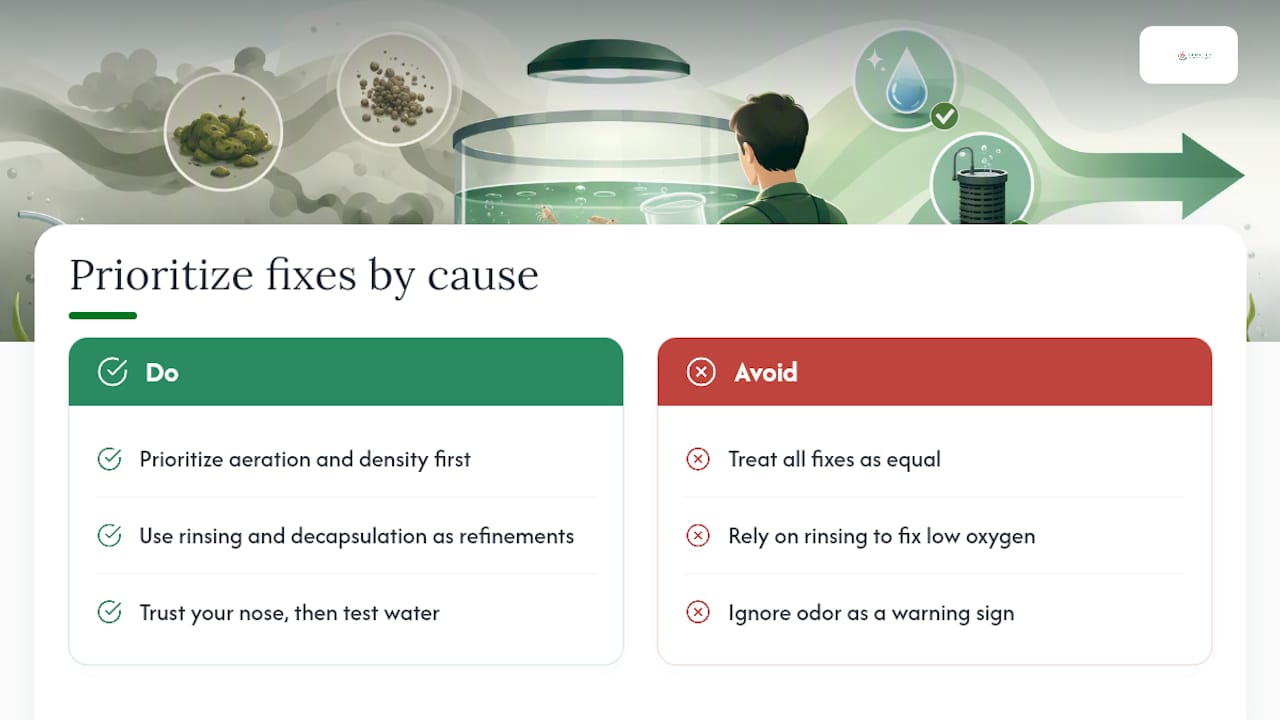
Where conventional advice falls short is treating every fix as equal. Rinsing more often helps, but it doesn't compensate for undersized aeration. Decapsulation helps, but it doesn't fix an overcrowded container. Readers do better prioritizing oxygen and density first, then layering in rinsing and decapsulation as refinements, not replacements.
If there's one thing worth internalizing, it's that a hatchery's smell profile tells you almost everything about its internal balance before you even test the water. Trust your nose, then verify with a water change.
Frequently Asked Questions
Does brine shrimp smell affect fish tank water quality? Yes. Feeding foul-smelling shrimp into a tank introduces the same bacteria and waste compounds that caused the odor, which can spike ammonia in your display tank too.
Why does brine shrimp smell like sulfur specifically? Anaerobic bacteria breaking down dead shrimp and shells produce hydrogen sulfide, the compound responsible for the classic rotten egg scent.
How fast can I fix a smelly brine shrimp culture? Often within a few hours if you increase aeration and remove dead material immediately. If the smell doesn't fade after a water change, the culture is likely past saving.
Is it normal for freshly hatched brine shrimp to have any scent at all? Yes, a light briny or salty smell is normal and expected. It only becomes a concern when that scent shifts toward sulfur, sharp ammonia, or strong fishy decay.
Sources
- PMC article cited in the research pool