
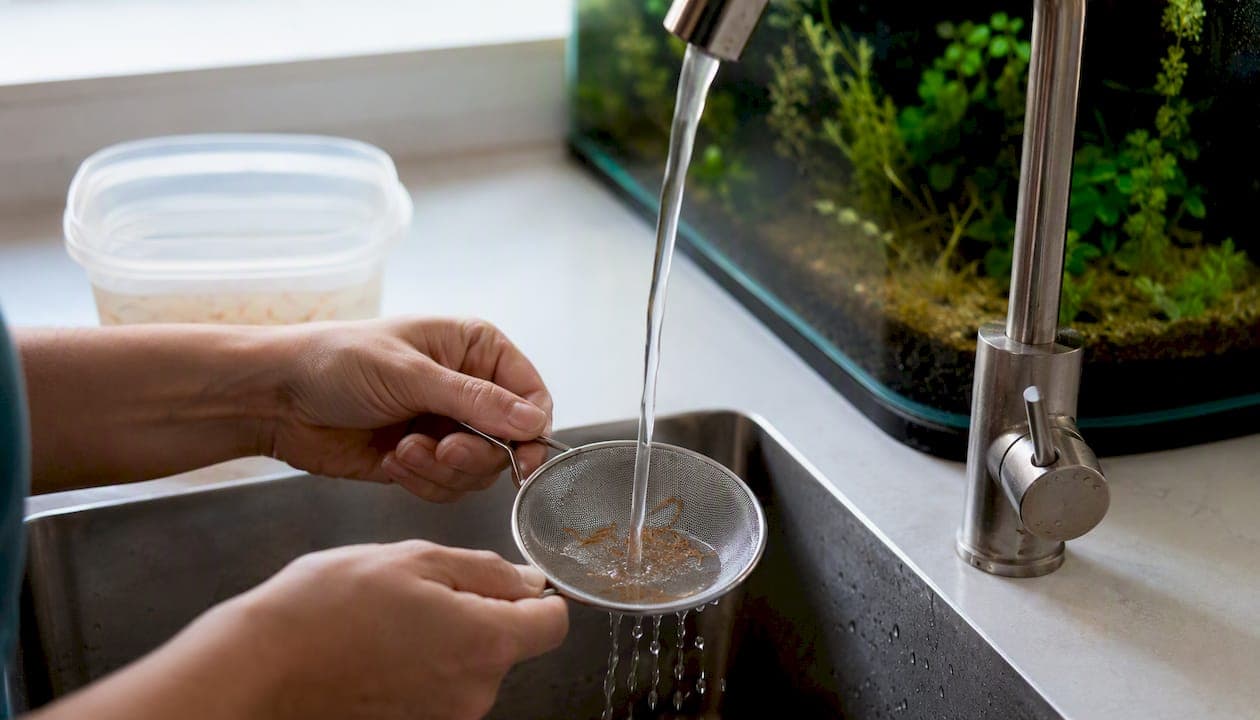
Always rinse brine shrimp before feeding, no matter the tank type. For freshwater systems, skipping this step means dumping a salty, waste-laden hatch solution directly into your display water. Even in saltwater tanks, rinsing cuts the organic load your filter has to handle on feeding days. The routine is fast: strain nauplii or thawed shrimp through a fine net, hold under a gentle stream of dechlorinated or RO water for about 10–15 seconds, tip into a small cup of destination-tank water, then feed immediately.
Three things make brine shrimp rinsing worth the extra minute:
- Salt: hatch water runs at roughly the same salinity as ocean water. Repeated additions stress freshwater fish and invertebrates.
- Metabolic waste: live nauplii produce ammonia; dead or thawed shrimp release cell contents that spike organic load.
- Unhatched cysts and shells: indigestible fragments clog filters and add detritus to the substrate.
Key Takeaways
Rinsing brine shrimp before every feeding removes salt, waste, and shell fragments that would otherwise degrade aquarium water quality and stress your fish.
| Point | Details |
|---|---|
| Always rinse before feeding | Strain through a 100–150 µm net and rinse 10–15 seconds with dechlorinated or RO water. |
| Feed within minutes of rinsing | Nauplii survive roughly 30 minutes in fresh water, but osmotic stress begins immediately. |
| Acclimate before releasing | Tip rinsed shrimp into a small cup of tank water before adding them to the display. |
| Sanitize gear between batches | Biofilm builds fast; soak nets and containers in dilute bleach solution and rinse thoroughly. |
| Demeterbioscience for consistent supply | Farmed, microalgae-fed live shrimp with at least 40% protein, available as single orders, subscriptions, or bulk shipments. |
Table of Contents
- How do you rinse freshly hatched live brine shrimp?
- How do you rinse frozen and thawed brine shrimp?
- What equipment do you need for rinsing brine shrimp?
- How long do brine shrimp survive in fresh water after rinsing?
- Why does rinsing protect your aquarium water quality?
- Dos and don'ts for rinsing and feeding brine shrimp
- How do you feed rinsed brine shrimp to fry or small-mouthed fish?
- Why farmed brine shrimp quality changes what rinsing can achieve
- Demeter's perspective on rinsing and reliable supply
- Where to get high-quality live brine shrimp for your tank
- Sources
How do you rinse freshly hatched live brine shrimp?
Freshly hatched nauplii are tiny and fragile, so the goal is to move them quickly without crushing them or leaving them in fresh water longer than needed.
- Harvest. Siphon or pour your hatch culture into a clear holding container. Let it sit undisturbed for two minutes. Nauplii will swim toward the light; unhatched cysts and empty shells float or sink. Skim off floating debris before you net.
- Strain. Pour the nauplii-rich layer through a 100–150 micron mesh net. That mesh size captures nauplii while letting the salty hatch water pass through freely. A fine kitchen sieve works in a pinch; a coffee filter captures everything but drains slowly, so handle it gently to avoid crushing the shrimp.
- Rinse. Hold the loaded net under a gentle stream of dechlorinated or RO water for 10–15 seconds. Keep the flow low enough that nauplii stay in the net rather than washing over the rim.
- Acclimate. Tip the rinsed nauplii into a small cup containing water drawn from the destination tank. This step equalizes temperature and chemistry before the shrimp hit the display water.
- Feed. Pour or pipette the cup contents into the tank immediately. Hobbyist guides consistently recommend feeding right after rinsing to preserve nutritional value and avoid osmotic losses in fresh water.
A few things to keep in mind for live nauplii:
- Rinse water should be close to tank temperature. Cold tap water shocks nauplii even before they reach the display.
- Never reuse hatch water for rinsing. It defeats the purpose.
- Batch size matters. Hatch only what you can feed in one session.
Pro Tip: Deliver nauplii near a low-flow corner of the tank or directly in front of fry using a pipette. Fry struggle to chase prey in strong current, and targeted placement means less uneaten shrimp drifting into the filter.
How do you rinse frozen and thawed brine shrimp?
Frozen brine shrimp are convenient, but freezing damages cell membranes and releases ions and organic compounds into the surrounding liquid. That brine-and-cell-content mix is exactly what you want to keep out of your tank. Draining and rinsing thawed shrimp reduces that extra organic load before it reaches your display water.
- Thaw safely. Move the portion from freezer to refrigerator the night before, or place the sealed bag under cold running water for a few minutes. Avoid warm or hot water: it accelerates bacterial growth and degrades tissue.
- Drain. Open the bag or container and pour off the thaw liquid immediately. That liquid is concentrated with released cell contents and residual salt. Dispose of it down the drain, not into the tank.
- Strain and rinse. Transfer the thawed shrimp to a fine sieve. Run dechlorinated water over them for 10–15 seconds, letting the rinse water drain completely.
- Portion. Offer small amounts at a time. Frozen shrimp are not motile, so uneaten pieces sink and decompose quickly. Small, frequent doses beat one large dump.
- Feed. Add directly to the tank or use a feeding cone to keep portions concentrated near bottom-feeding species.
A few practical notes:
- Cut large frozen blocks into smaller cubes before thawing so you only thaw what you need.
- If you use frozen enrichment products (Selcon, Vibrance), rinse after enrichment to remove excess liquid before it enters the tank.
- Thawed shrimp do not keep well. Feed within an hour of thawing; discard any remainder.
Pro Tip: For enriched frozen shrimp, a brief rinse after the enrichment soak removes the bulk of the enrichment liquid while leaving most of the absorbed nutrients inside the shrimp tissue. You get the benefit without the organic spike.
What equipment do you need for rinsing brine shrimp?
You do not need much. Most of this gear costs a few dollars and lasts for years if you sanitize it between uses.
- Fine mesh brine shrimp net (100–150 µm). The standard tool for live nauplii. Mesh size is the key spec: too coarse and nauplii pass through; too fine and hatch water drains slowly and the net clogs. Most aquarium retailers stock these nets specifically labeled for brine shrimp.
- Fine kitchen sieve. Useful for frozen shrimp, which are larger and easier to capture. Not ideal for nauplii because mesh size varies and many sieves let small nauplii escape.
- Coffee filter. An emergency substitute for the net. Captures everything, but drains slowly. Handle gently or you will crush nauplii against the filter paper.
- Small containers. A few clean jars, graduated beakers, or shallow cups. One for holding the harvest, one for the acclimation step, one for delivering to the tank.
- RO/DI or dechlorinated tap water. RO/DI is ideal because it contains no chlorine, chloramine, or dissolved minerals. Dechlorinated tap water (treated with a product like Seachem Prime or API Stress Coat) works well for most freshwater setups. Never use untreated tap water: chlorine kills nauplii on contact.
- Thermometer. A quick check that rinse water is within a degree or two of tank temperature prevents cold shock.
- Sanitizing supplies. A dilute bleach solution (one part household bleach to 19 parts water) or an aquarium-safe disinfectant. Biofilm and bacteria accumulate quickly in hatching and rinsing gear. Soak equipment after each session, rinse thoroughly with fresh water, and let it air-dry before the next batch.
How long do brine shrimp survive in fresh water after rinsing?
Not long enough to wait. According to Carolina Biological Supply's care guide, nauplii can survive roughly 30 minutes or longer in fresh water, but osmotic stress begins immediately and nutritional value declines the longer they sit. The 30-minute figure is a ceiling, not a target.
Practical guidance:
- Feed within minutes of rinsing. The rinse step and the feeding step should happen back-to-back.
- Plan batch sizes around one feeding. If you hatch more than you can feed in a single session, the surplus degrades in fresh water. Hatch smaller batches more frequently.
- Short-term holding. If you must hold rinsed nauplii briefly, keep them in a small cup of destination-tank water rather than fresh water. This slows osmotic stress without reintroducing salt.
- Never store rinsed nauplii overnight. Nutritional loss and mortality make them poor feed by the next morning.
Survival window: Nauplii tolerate fresh water for a limited time, but osmotic stress starts immediately. Feed promptly for peak nutrition.
Why does rinsing protect your aquarium water quality?
Skipping the rinse introduces three distinct problems into your display tank, and they compound each other.
- Salt creep. Hatch water is saline. A single feeding may not shift parameters noticeably, but daily feedings over weeks can slowly raise salinity in a freshwater system, stressing fish and invertebrates that have no tolerance for dissolved sodium. Removing nauplii from hatch water before feeding prevents this accumulation.
- Ammonia and organic load. Live nauplii excrete ammonia. Dead or damaged shrimp decompose rapidly. Shells and unhatched cysts add indigestible detritus that clogs mechanical filters and fuels bacterial blooms. Even in saltwater tanks, rinsing is worth doing to reduce the filtration burden on feeding days.
- Algae fuel. Elevated nitrates from organic decomposition feed nuisance algae. Consistent rinsing keeps the nutrient input from feedings predictable and lower.
Pro Tip: Check ammonia and nitrate on a feeding day versus a non-feeding day. If you see a measurable spike, your portions are too large or your rinse is too short. Adjust one variable at a time.
Dos and don'ts for rinsing and feeding brine shrimp
Do:
- Use dechlorinated or RO water for every rinse.
- Rinse for 10–15 seconds under a gentle flow.
- Acclimate rinsed shrimp in a small cup of tank water before releasing them.
- Feed in small, frequent doses rather than one large addition.
- Sanitize nets, sieves, and containers between batches.
Don't:
- Pour hatch water directly into a freshwater tank.
- Use hot water to thaw frozen shrimp.
- Let rinsed nauplii sit in fresh water for more than a few minutes.
- Overfeed. Uneaten shrimp decompose and spike ammonia within hours.
- Reuse rinse water or hatch water for a second rinse.
Troubleshooting: If you notice parameter changes on feeding days, reduce portion size first. If that does not stabilize readings, extend the rinse time or switch to RO water. Improving the rinse routine typically resolves feeding-related instability without removing brine shrimp from the diet entirely.
How do you feed rinsed brine shrimp to fry or small-mouthed fish?
Fry need small, targeted doses. A full cup of nauplii dumped into a grow-out tank overwhelms fry and fouls the water before they can eat it all.
- Divide rinsed nauplii into two or three small cups. Deliver one cup at a time, spaced 30–60 minutes apart.
- Use a pipette or blunt-tip syringe for precise placement. Squirt nauplii directly in front of fry rather than broadcasting them across the tank.
- Reduce surface agitation or turn off powerheads briefly during feeding. Fry cannot chase prey in strong current.
- For very small fry (newly hatched killifish, bettas, or gobies), dilute the rinsed nauplii into a larger cup of destination water. The dilution makes it easier to deliver a controlled number of nauplii per drop.
Pro Tip: For the smallest batches, a coffee filter or very fine sieve concentrates nauplii into a tiny volume of water with minimal transfer liquid. This makes pipette feeding much more precise and reduces the amount of fresh water entering the fry tank.
Why farmed brine shrimp quality changes what rinsing can achieve
Rinsing removes surface contamination, but it cannot fix poor nutritional content. Wild-harvested brine shrimp vary significantly by season: during low-productivity periods, shrimp may be nutritionally depleted before they ever reach your tank. No rinse routine compensates for feed that arrived starved.
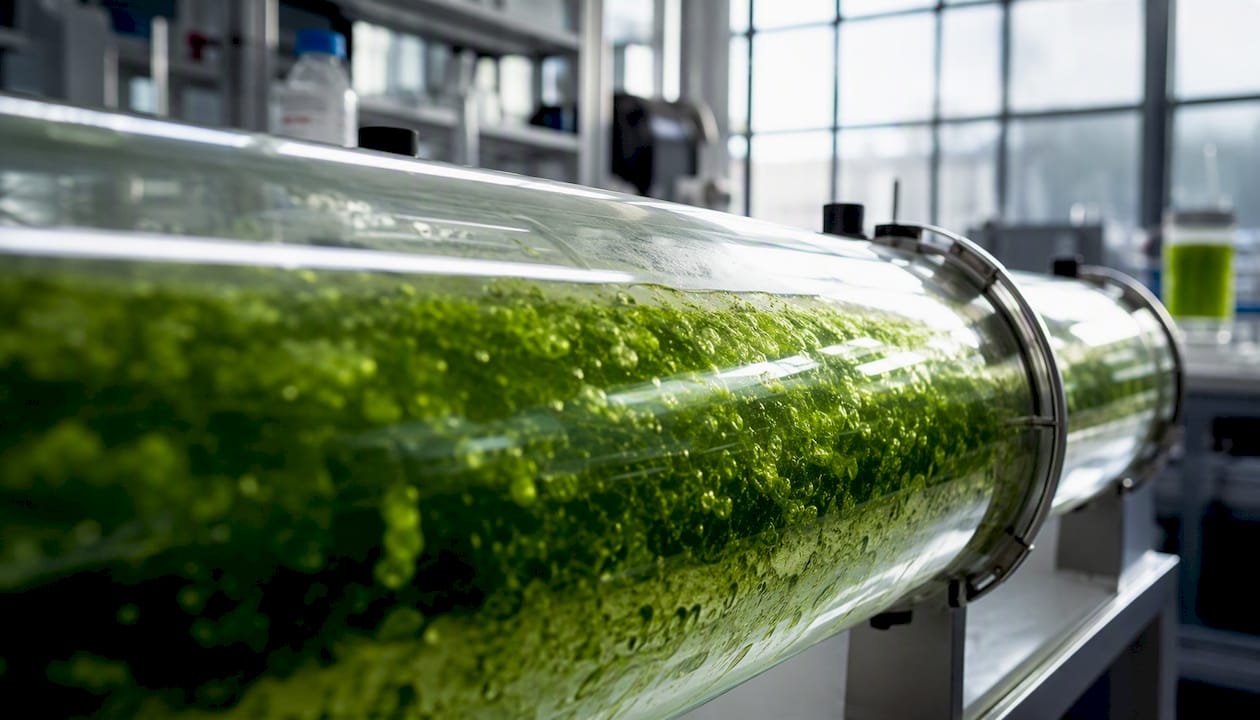
Farmed, microalgae-fed shrimp sidestep that problem. Demeterbioscience's land-based production feeds brine shrimp exclusively on Dunaliella algae, delivering at least 40% protein content and consistent nutritional quality regardless of season. For larval fish and sensitive species, that consistency matters more than most hobbyists realize. A well-rinsed, nutritionally dense nauplius is a fundamentally different feed item than a well-rinsed, starved one.
Practical implications for your routine:
- Source quality and rinsing work together. Neither substitutes for the other.
- Consistent supply matters as much as consistent rinsing. Order smaller, more frequent shipments rather than large batches that sit in transit or storage. See the brine shrimp feeding schedule checklist for timing guidance.
- For commercial larval fish operations, nutritional stability across batches directly affects larval survival rates. Wild-harvest variability introduces a variable you cannot control at the rinsing stage.
Pro Tip: If you hatch or feed brine shrimp regularly, order smaller quantities more often rather than one large batch. Freshness at the point of hatching or feeding determines nutritional value more than any enrichment step you add afterward.
Demeter's perspective on rinsing and reliable supply
The rinse routine described here is genuinely low-effort once it becomes habit. A net, 15 seconds of running water, and a small transfer cup add less than two minutes to any feeding session. What those two minutes protect is real: stable water chemistry, lower filter burden, and fish that receive feed at its nutritional peak rather than degraded by osmotic stress or contaminated by hatch water.
The other half of the equation is what goes into the net in the first place. Demeterbioscience supplies farmed, microalgae-fed live brine shrimp with guaranteed nutritional consistency, available as single shipments, monthly subscriptions, or bulk orders for stores, museums, and research institutions. Pairing a reliable rinse routine with a reliable supply source removes the two biggest variables in brine shrimp feeding.
Where to get high-quality live brine shrimp for your tank
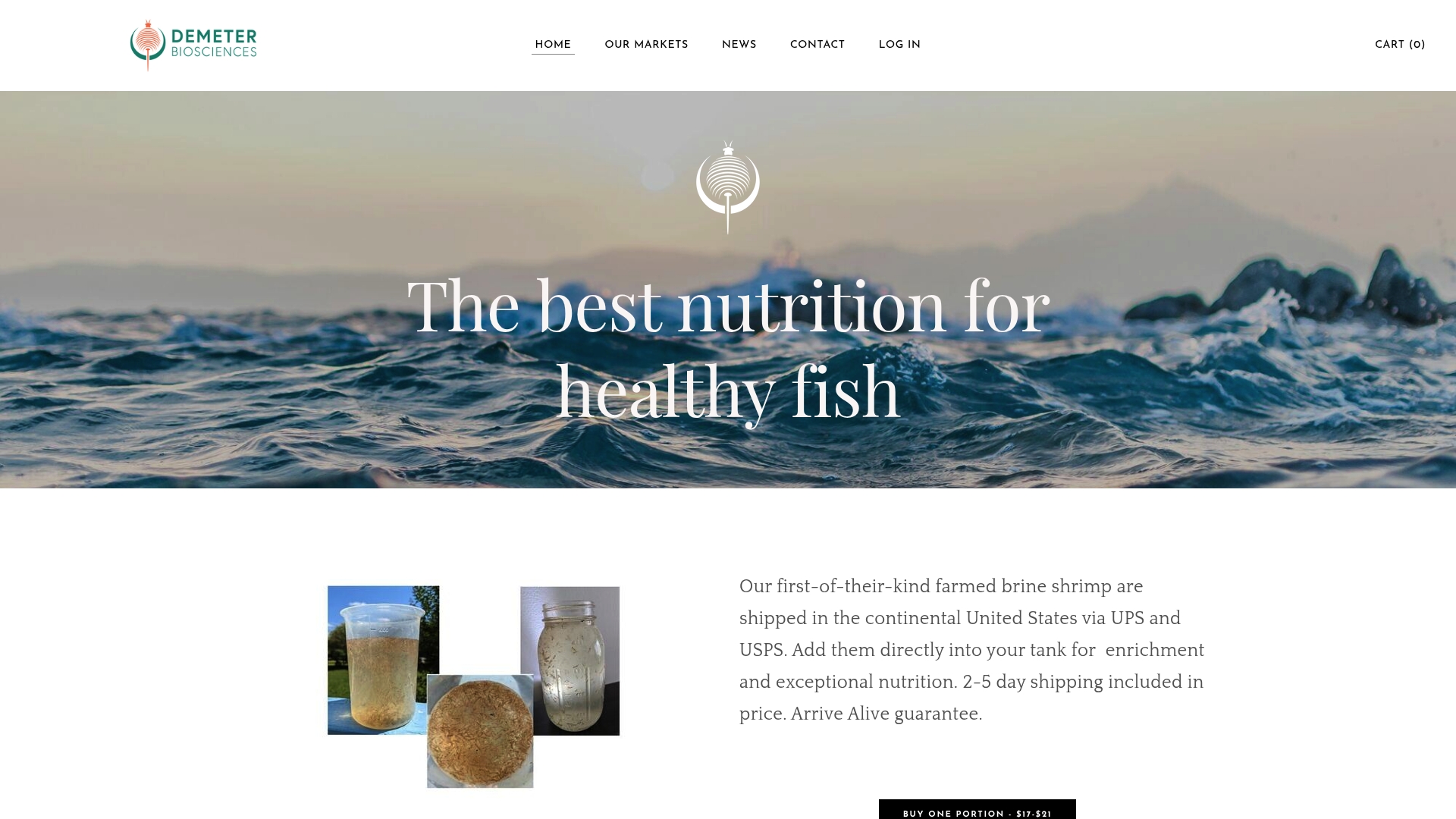
No seasonal dips, no starvation-depleted product. Live shipments arrive ready to hatch and feed, with subscription plans for hobbyists who feed regularly and bulk options for stores, museums, and aquaculture operations.
Start with a single live shipment to test the routine, or set up a monthly subscription so you always have fresh stock on hand. Visit the live brine shrimp product page to choose the option that fits your setup, or contact Demeterbioscience for bulk and subscription pricing.
Sources
- Care Guide: Brine Shrimp | Carolina Biological Supply
- Brineshrimp
- A Complete Guide to Baby Brine Shrimp for Aquariums – PodDrop
- Baby Brine Shrimp Hatching Guide — SpawnOS