
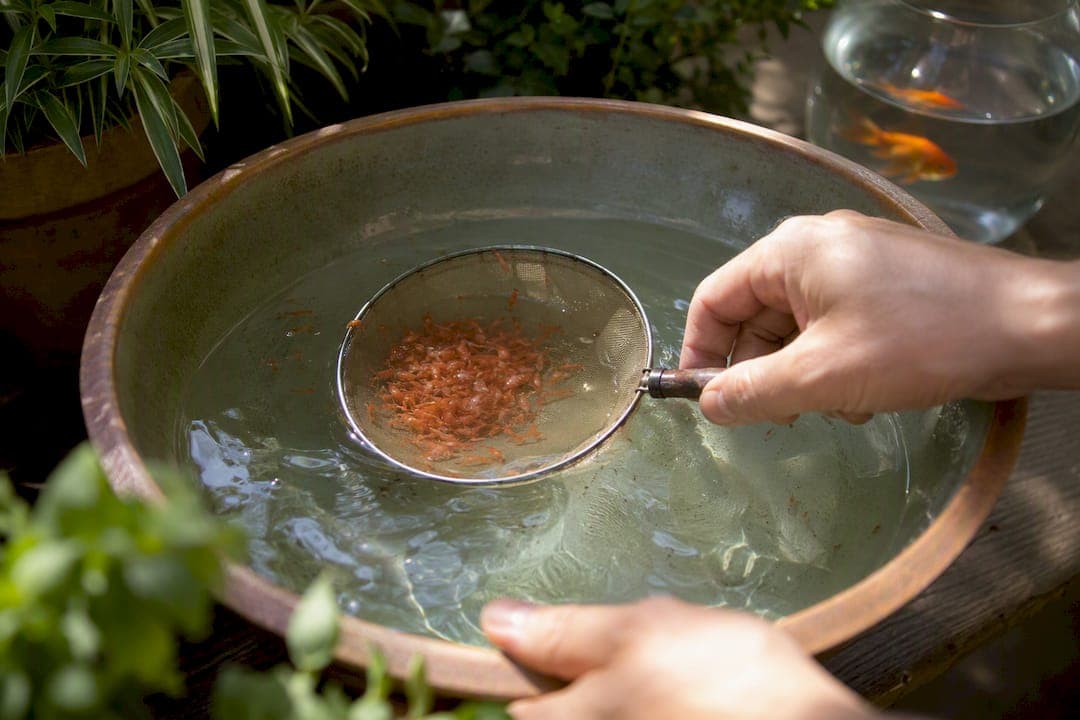
Yes, goldfish can eat brine shrimp, but only when you prepare it correctly and portion it with restraint. Three things matter immediately: rinse, thaw, or hatch the shrimp properly before it hits the tank; treat it as a supplement, not a meal replacement; and feed fry very differently than you feed adults.
Get any of those three wrong and you're looking at bloating, dirty water, or worse. Get them right and brine shrimp becomes one of the best conditioning foods you can offer a goldfish.
- Preparation matters: live nauplii, frozen slabs, freeze-dried, and hatched cysts each need different handling before feeding.
- Portion control matters: goldfish have no true stomach, so overfeeding protein hits them harder than it hits other fish.
- Life stage matters: fry need dense nauplii feedings; adults need moderation and variety.
The rest of this guide walks through the prep steps, the feeding math, and the sourcing decisions that separate a healthy goldfish from one dealing with swim-bladder trouble.
Key Takeaways
Brine shrimp works as goldfish food only when it's properly prepared, fed in moderation, and sourced from a supplier with consistent, algae-fed nutrition.
| Point | Details |
|---|---|
| Rinse, thaw, or hatch first | Never feed brine shrimp straight from the freezer or an unrinsed live culture. |
| Portion for two to five minutes | Feed only what adult goldfish finish in that window, two to three times a week. |
| Fry need nauplii density | Aim for roughly 10 to 15 nauplii per free-swimming fry across several daily feedings. |
| Watch for bloating and bad water | Test ammonia and siphon leftovers after every protein-heavy feeding. |
| Choose farm-raised, algae-fed shrimp | Demeterbioscience's Dunaliella-fed brine shrimp delivers consistent protein through live shipments and subscriptions. |
Table of Contents
- Brine Shrimp Benefits for Goldfish and the Risks to Watch
- What's the Best Way to Prepare Each Brine Shrimp Format?
- How Often Should You Feed Brine Shrimp to Goldfish?
- Feeding Brine Shrimp to Fry vs. Adult Goldfish
- Why Sourcing Quality Brine Shrimp Actually Matters
- What Most Feeding Advice Gets Wrong About Brine Shrimp
- Where to Get Reliable, Farm-Raised Brine Shrimp
- Sources
Brine Shrimp Benefits for Goldfish and the Risks to Watch
Brine shrimp earn their reputation for a reason. They're high in protein, carry omega fatty acids that support color and fin development, and goldfish find them irresistible, which makes brine shrimp genuinely useful for conditioning fish before breeding or for coaxing a picky eater back to the food bowl. Hobbyists also lean on them as a color booster, since the carotenoids in shrimp tissue tend to intensify orange and red pigmentation over time.
The catch is goldfish biology. Goldfish lack a true stomach, so they can't store and slowly digest a large protein load the way many other fish can. That single anatomical fact explains most of the digestive and buoyancy problems hobbyists blame on brine shrimp: bloating, floating or sinking abnormally, and gut impaction almost always trace back to overfeeding rich, high-moisture foods too often or in too large a portion.
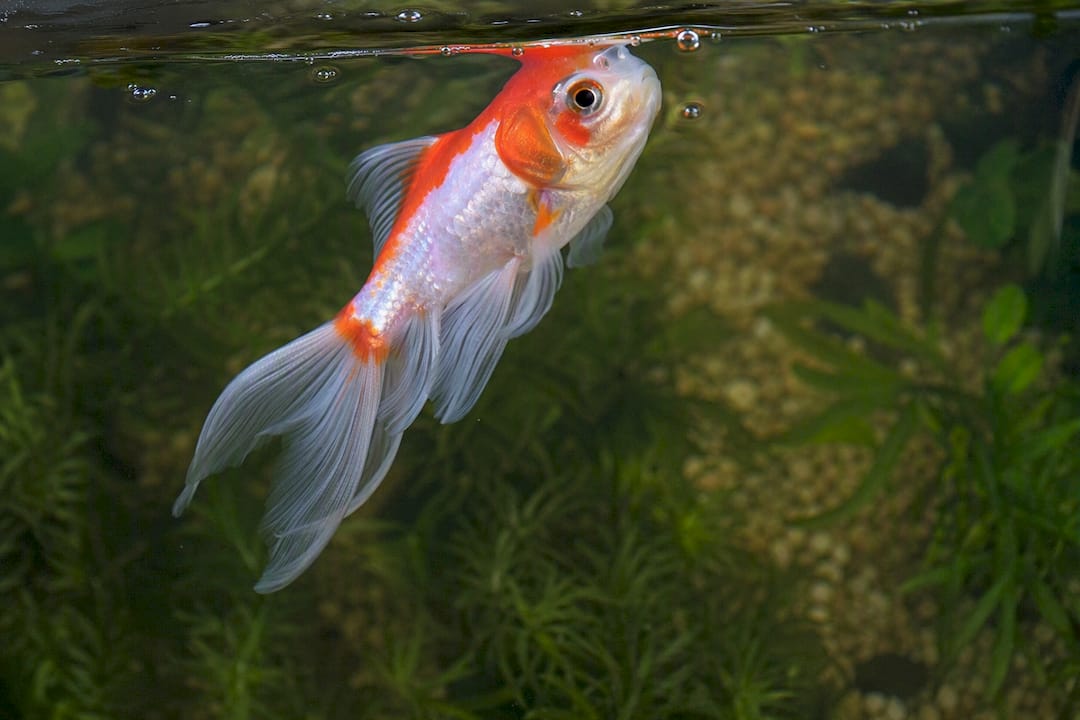
Statistic Callout: Fry-rearing literature suggests newly hatched brine shrimp should be fed at roughly 10 to 15 nauplii per free-swimming fry during the first days of life, spread across several small feedings rather than one large one.
Watch for these warning signs after a brine shrimp feeding:
- Bloated or distended belly that doesn't go down within a few hours.
- Fish hanging at odd angles or struggling to stay level in the water.
- Stringy, pale, or trailing feces instead of firm waste.
- Ammonia or nitrate spikes in a water test taken the next day.
If you see any of that, cut back the frequency immediately and check your water parameters before feeding again.
What's the Best Way to Prepare Each Brine Shrimp Format?
Brine shrimp comes in four common forms, and each one carries its own trade-offs.
- Live nauplii (newly hatched). The gold standard for fry and finicky eaters. They swim, which triggers a feeding response, and they carry the most complete nutrition when freshly hatched. The downside is you need a hatchery setup and a bit of patience.
- Live adult brine shrimp. Bigger, meatier, great for conditioning breeding adults. Riskier for smaller goldfish because of size and because live adult shrimp raised in unknown conditions can carry parasites.
- Frozen brine shrimp. Convenient and widely available. Frozen and freeze-dried shrimp carry a lower disease risk than live shrimp when handled correctly, though they lose some of the stimulation value and nutrient density of live nauplii.
- Freeze-dried brine shrimp. The most shelf-stable option, but also the least nutritionally complete unless it's rehydrated properly before feeding.
If you hatch your own cysts, the process is simple: mix cysts into salinated water (roughly seawater strength), keep the culture aerated continuously, and hold the temperature near 80°F. Eggs typically hatch within 18 to 36 hours, and a small volume of cysts can produce enough nauplii to feed thousands of fry, so there's no need to over-hatch.
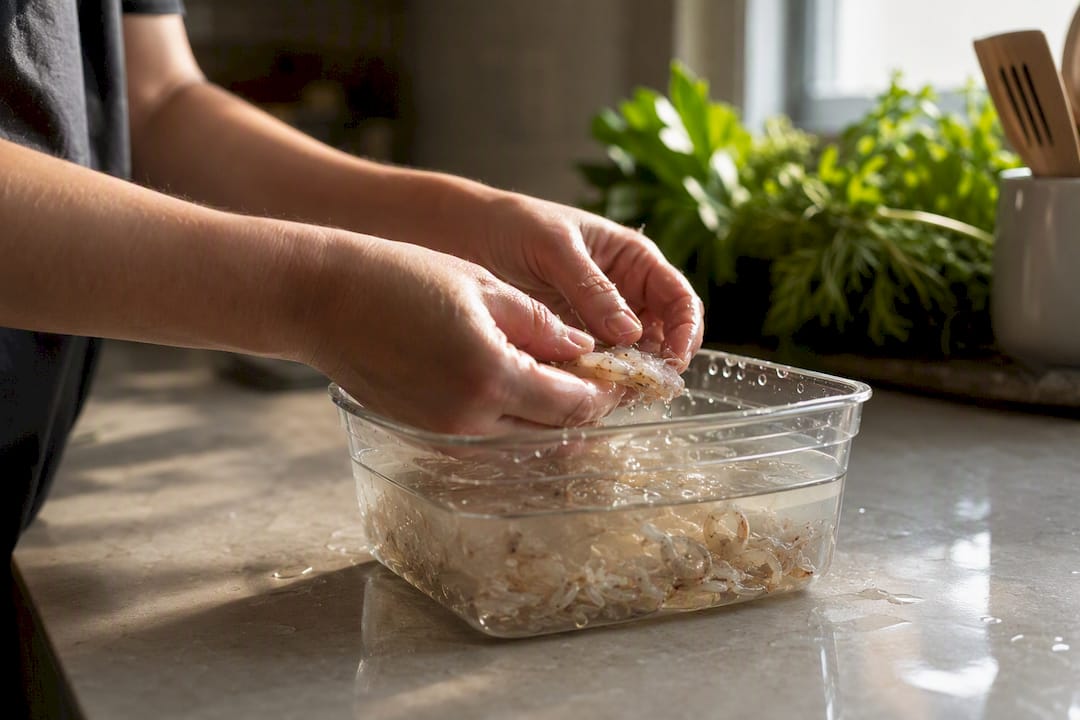
Before anything goes into the tank, run through this checklist: rinse live or frozen shrimp under dechlorinated water to strip away excess salt or shipping brine, thaw frozen portions slowly rather than dumping them in frozen, match the temperature to your tank, and discard whatever your fish don't finish within a few minutes. Buy from a supplier that controls hatch conditions rather than sourcing unknown wild-harvested shrimp, since wild stock varies wildly in quality and can carry hitchhiking pathogens.
Pro Tip: Run a two-container staggered hatch, starting a new batch every 12 hours, so you always have fresh nauplii ready instead of scrambling to hatch a new culture the moment you run out.
How Often Should You Feed Brine Shrimp to Goldfish?
For adult goldfish, treat brine shrimp as an occasional supplement, not a daily staple. Most hobbyist guidance lands on feeding it a few times per week, in a portion your fish can finish quickly. Anything left floating after that window is excess food breaking down in your water column.
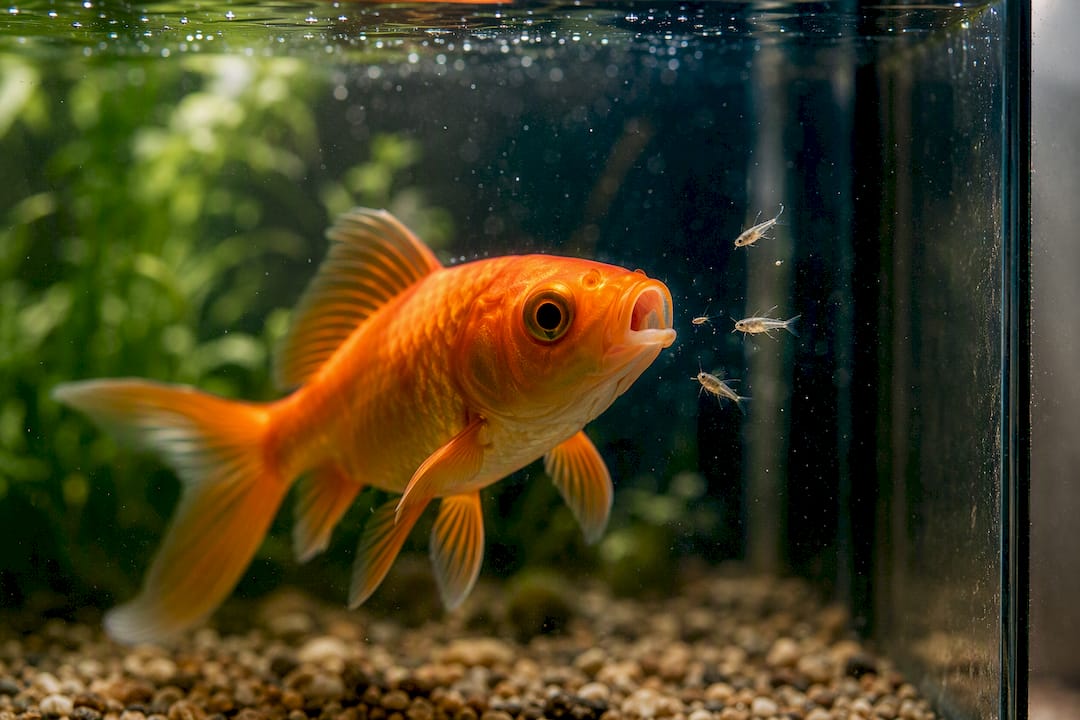
Statistic Callout: Goldfish care guides consistently recommend pairing protein treats like brine shrimp with fiber-rich staples such as pellets, flakes, and blanched vegetables, since fiber helps move food through a digestive tract that has no stomach to slow things down.
After a protein-heavy feeding, a few tank actions go a long way:
- Siphon out any uneaten shrimp within the hour.
- Test ammonia and nitrate the next day if you feed brine shrimp regularly.
- Do a partial water change if you notice any cloudiness or odor.
- Skip the next feeding if your fish still look bloated from the last one.
If a goldfish shows bloating, unusual feces, or lethargy after a feeding, back off brine shrimp for a few days, offer only fiber-rich foods, and keep an eye on water quality. Most cases resolve within a week once the gut clears and the diet balances out.
Feeding Brine Shrimp to Fry vs. Adult Goldfish
Life stage changes everything about how you feed brine shrimp.
- Newly hatched fry should get freshly hatched nauplii as their first live food, at a density around 10 to 15 nauplii per fry, delivered in several short feedings across the day rather than one big dump.
- Continue mostly nauplii for the first one to two weeks of free-swimming life, since fry at this stage have tiny mouths and high growth demands that nauplii satisfy better than flake or pellet food.
- Juveniles transitioning to mixed diets should get nauplii phased down gradually as you introduce crushed flake, micro-pellets, and other prepared foods.
- Adults should avoid heavy live adult shrimp feedings. Check size and texture before offering anything larger than what a goldfish can comfortably swallow, since oversized shrimp raise choking and indigestion risk.
Why Sourcing Quality Brine Shrimp Actually Matters
Not all brine shrimp are equal, and where yours comes from affects both fish health and nutrition. Land-based, algae-fed cultivation avoids the seasonal starvation cycles that wild-harvested Artemia go through in natural salt lakes, which means more consistent protein and fat profiles feeding after feeding instead of the variability you get from wild stock.
That consistency matters because enrichment research shows Artemia fed mixed microalgae diets produce measurably better growth and survival outcomes in larval fish trials than shrimp given a single, thin enrichment source. Demeterbioscience offers live shipments direct to hobbyists, monthly subscriptions for recurring supply, and bulk packages for fish stores, museums, and research institutions.
A supplier worth trusting should be transparent about hatch rates, the algae feed behind their shrimp, and how they handle cold-chain logistics for live shipments. Vague claims about "premium quality" without those specifics are a red flag.
Before buying from anyone, check for:
- Documented feed source (algae species, not just "enriched").
- Published or stated protein content.
- Cold-chain or live-shipping handling details.
- Farmed origin rather than unspecified wild harvest.
What Most Feeding Advice Gets Wrong About Brine Shrimp
Most goldfish care guides treat brine shrimp as a binary: either it's a great treat or it's a risky one. That framing misses the actual variable that matters, which is consistency of supply. A goldfish fed occasional, high-quality, algae-enriched shrimp handles it fine. A goldfish fed sporadic batches of unknown wild-harvested shrimp, sometimes rich and sometimes nutritionally thin, is the one that ends up with digestive surprises.
The conventional advice to "just feed brine shrimp in moderation" is technically correct but incomplete. Moderation matters, but so does knowing what's actually in the shrimp you're feeding. A farmed, algae-fed product with a known protein floor lets you dial in portions with confidence instead of guessing. That's the piece most feeding guides skip entirely, probably because most guides aren't written with sourcing in mind.
If you take one thing from this article, prioritize supply consistency over trying every format at once. Pick a reliable source, learn your fish's tolerance, and build your feeding schedule around that baseline rather than chasing whatever brine shrimp happens to be on the shelf that week.
— Demeter
Where to Get Reliable, Farm-Raised Brine Shrimp
Skip the guesswork of wild-harvested shrimp with inconsistent protein and unclear origins.
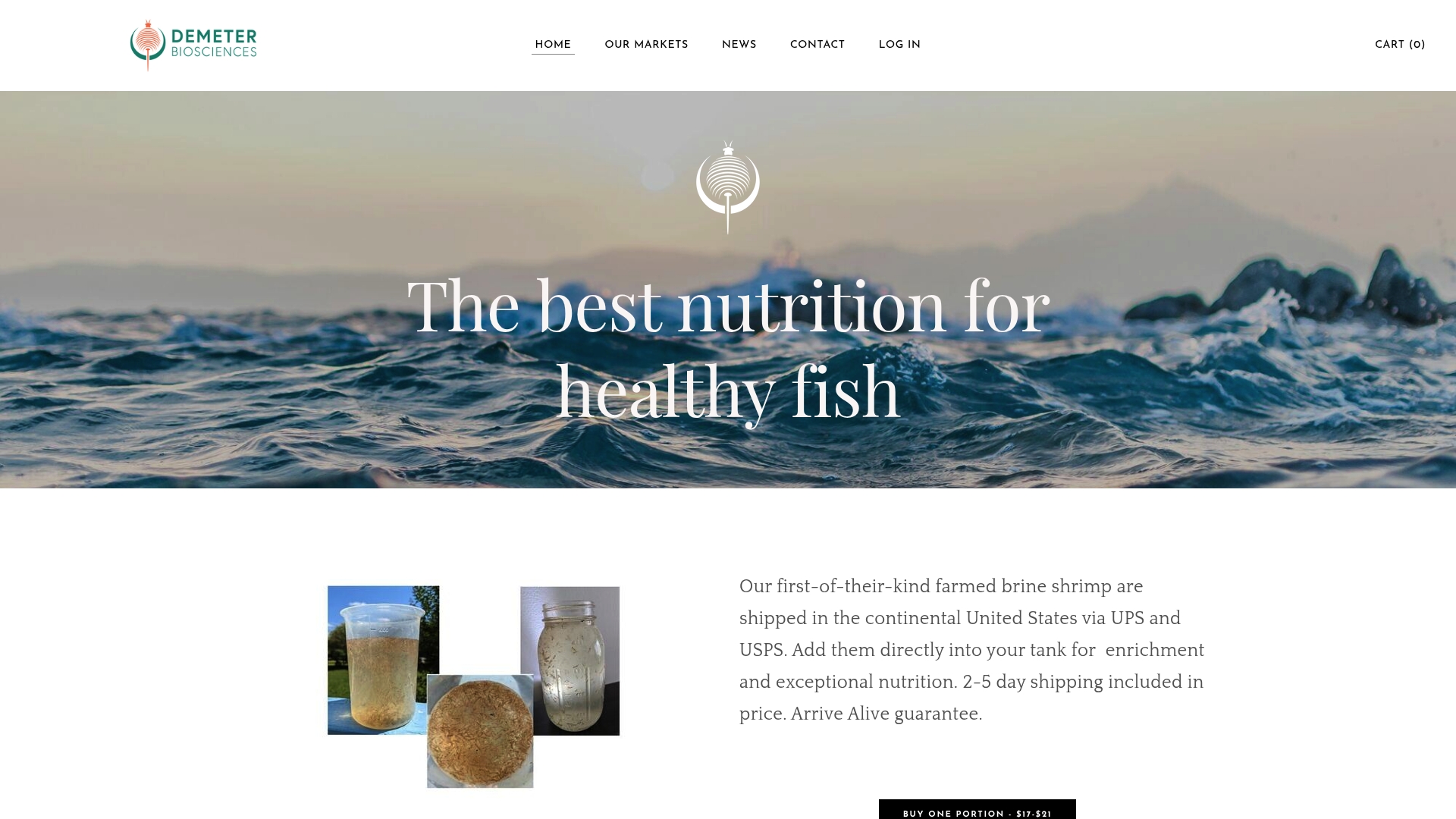
Orders ship live and direct to your door, with a monthly subscription option if you'd rather not think about reordering every few weeks. Fish stores, museums, and research institutions can order through the bulk purchasing option for larger, recurring volumes. If you're ready to see the difference consistent, algae-fed shrimp makes in your goldfish's coloring and energy, check out live brine shrimp shipments and pick the order size that fits your tank.
Sources
- Frozen Brine Shrimp - About Goldfish
- Goldfish food guide - Complete Goldfish Care
- Study on enrichment of Artemia and effects on larval fish - IOPscience
- Can Goldfish Eat Brine Shrimp (Artemia)? - Pet Food Guide