

Nutritional consistency in fish research is defined as the reproducible delivery of matched macronutrient and micronutrient profiles across all experimental diets, batches, and time points within a study. Without it, growth data, health markers, and feed conversion ratios become artifacts of diet variation rather than true biological responses. Researchers who maintain consistent nutrition in fish trials depend on four interlocking controls: certified ingredient sourcing, verified mixing uniformity, proximate composition checks, and controlled storage. This guide covers each control in detail, drawing on 2026 research and established feed mill standards.
How to maintain consistent nutrition in fish research: prerequisites and key factors
Nutritional consistency starts before the mixer runs. The quality and variability of raw ingredients set the ceiling for what any formulation can achieve, and marine fishery by-products show crude protein variability up to 51.41% and lipid variability up to 12.35% depending on source and processing method. That range means a single supplier change can shift your diet's actual nutrient delivery by double digits without any change to the formula on paper.
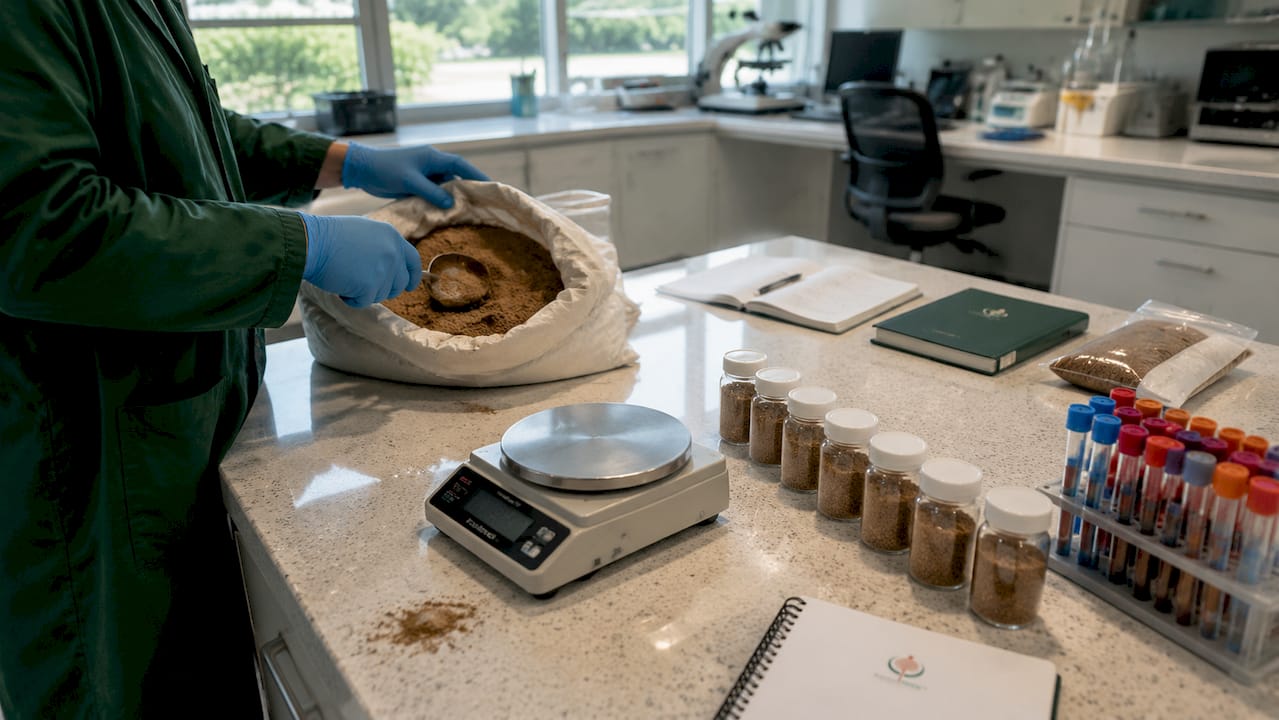
Lot-based nutrient profiling is the practical fix. Every incoming ingredient lot should be sampled and analyzed for crude protein, lipid, moisture, and ash before it enters production. This creates a nutrient database tied to specific lots rather than generic ingredient averages, which is the only way to formulate diets that match across batches.
Digestibility data must accompany proximate composition. Apparent digestibility coefficients for Asian seabass reared in recirculating aquaculture systems showed protein ADCs ranging from approximately 81% to 93%, lipid ADCs from 62.8% to 90.1%, and energy ADCs from 81% to 90.3% across tested ingredients. Two diets with identical crude protein on paper can deliver meaningfully different usable nitrogen to the fish if their ingredient ADCs differ by that margin.
Key prerequisites for consistent fish feed formulation include:
- Certified ingredient sourcing with documented lot numbers and corresponding proximate analyses
- ADC-adjusted formulation that accounts for digestibility, not just proximate composition
- Matched crude protein and lipid targets across all experimental diets, verified analytically before trial start
- Written standard operating procedures for batching sequence, mixing duration, and pellet die specifications
- Supplier qualification protocols that flag lot-to-lot variability above a defined threshold
Pro Tip: Request a certificate of analysis for every ingredient lot and cross-check it against your formulation's assumed nutrient values before accepting delivery. A 3% protein deviation in fishmeal is enough to shift your diet's crude protein target outside acceptable experimental bounds.
How do you verify ingredient uniformity and finished feed quality?
Verification is where nutritional consistency becomes measurable rather than assumed. The coefficient of variation (CV) is the standard index for mixer uniformity, with AFIA guidance setting a target of CV below 5% for a well-functioning mixer. A CV above 10% means nutrient dose variation within the same batch is large enough to introduce confounding variables into a feeding trial.
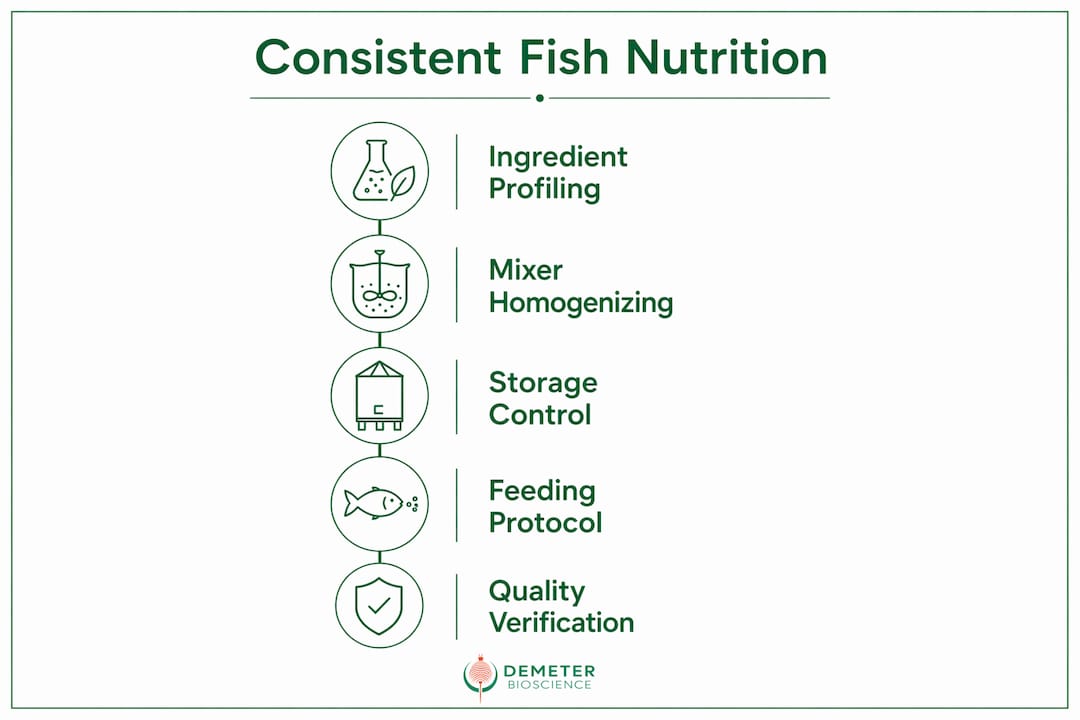
The standard verification workflow follows a clear sequence:
- Quarterly salt tracer tests to measure mixer CV and confirm that the mixer is distributing microingredients uniformly across the batch
- Proximate composition checks on finished feed pellets at trial start, mid-study, and end to detect formulation drift
- Lot-to-lot nutrient profiling of all incoming ingredients against the formulation's assumed values
- Digestibility coefficient verification per ingredient and per system, since ADCs shift with water temperature, fish size, and rearing conditions
- Pellet quality assessment including hardness, durability index, and moisture content to confirm that pelleting conditions did not degrade heat-sensitive nutrients
The table below summarizes the key verification metrics and their acceptable thresholds:
| Verification metric | Target threshold | Consequence of deviation |
|---|---|---|
| Mixer CV (salt tracer) | Below 5% | Nutrient dose variation within batch |
| Finished feed crude protein | Within ±2% of formulation target | Mismatched experimental diets |
| Feed moisture content | Below 12% | Mold risk and nutrient degradation |
| Water activity (aw) | At or below 0.65 | Microbial growth and lipid oxidation |
| Proximate check frequency | Start, mid-study, end | Undetected formulation drift |
A 2026 study on yellow catfish used certified ingredients, thorough mixing, pelleting, and periodic proximate verification with refrigerated storage at minus 5°C to maintain dietary consistency across experimental groups. That closed-loop approach turned nutritional consistency from an assumption into an auditable record.
Pro Tip: Schedule proximate composition checks at the midpoint of long-duration trials, not just at the start and end. Ingredient lots can change mid-study if a supplier ships a new batch, and mid-study verification catches drift before it contaminates your data.
How does storage affect feed nutrient integrity?
Feed storage is the most underestimated source of nutritional inconsistency in research settings. Finished feed should be stored at water activity at or below 0.65 to limit mold growth and nutrient degradation, with warehouse temperature held below 25°C and relative humidity below 60% to 65%. Small deviations from these targets silently degrade lipid quality, reduce vitamin potency, and compromise pellet structure before any visible spoilage appears.
The risks compound quickly in humid or warm climates:
- Lipid oxidation accelerates above 25°C, reducing the bioavailability of essential fatty acids and generating peroxides that are toxic to fish at high concentrations
- Moisture uptake above 12% pellet moisture creates conditions for mold colonization and mycotoxin production, both of which suppress immune function and growth
- Vitamin degradation is particularly severe for vitamins C, E, and the B-complex group, which lose potency within weeks under elevated temperature and humidity
- Pellet structural breakdown from moisture cycling causes fines that alter feeding behavior and make accurate dose delivery impossible
Cooling protocols after pelleting matter as much as warehouse conditions. Pellets must reach ambient temperature and moisture equilibrium before bagging, since sealing warm pellets traps condensation inside the bag and raises water activity above the safe threshold. Data loggers placed at multiple points in the storage area provide continuous records of temperature and relative humidity, which are necessary for any research program that needs to document feed quality across a multi-month trial.
For humid tropical climates, short storage windows and antioxidant inclusion (ethoxyquin, mixed tocopherols, or BHA/BHT at label-compliant levels) are standard practice. Relying on a nominal shelf life without monitoring actual storage conditions is a documented path to undetected nutritional degradation.
What environmental controls support consistent nutrition in fish studies?
Diet quality alone does not determine nutritional outcomes. The research environment shapes how much of a formulated diet the fish actually absorb, and recirculating aquaculture systems with controlled temperature and water quality are the current standard for nutrition studies that require reproducible conditions. Temperature affects digestive enzyme activity, gut transit time, and metabolic rate, all of which alter apparent digestibility coefficients even when the diet is unchanged.
Environmental controls that directly affect nutritional consistency include:
- Stable water temperature within ±0.5°C of the target, since a 2°C shift can measurably alter protein digestibility in salmonids and cichlids
- Dissolved oxygen above 80% saturation to prevent hypoxic stress, which suppresses feed intake and alters nutrient partitioning
- Ammonia and nitrite below threshold levels to avoid chronic sublethal stress that redirects energy from growth to detoxification
- Standardized feeding times and ration sizes to control voluntary intake variation across tanks and replicates
- Well-mixed water columns to prevent feed settling in dead zones before fish can consume it
Standardized feeding protocols are as important as diet formulation. Feeding at the same time each day, at the same ration relative to body weight, and with the same delivery method across all tanks removes a major source of intake variation that proximate composition checks cannot detect. Intensive aquaculture nutrition programs that combine RAS environmental control with standardized feeding protocols consistently produce lower coefficient of variation in growth performance across replicate tanks.
Common challenges and troubleshooting tips for dietary consistency
The most frequent failures in nutritional consistency share a common root: verification was skipped or delayed. A 2026 PLOS ONE study on Clarias gariepinus showed that unbalanced protein meal diets induced metabolic stress and poor growth even when crude protein levels appeared adequate on paper. The issue was not the formulation target but the biological imbalance created by relying on a single protein source without verifying amino acid profile or digestibility.
Common challenges and their corrective actions:
- Ingredient lot substitution mid-study requires immediate proximate analysis of the new lot and reformulation if nutrient values deviate beyond the acceptable threshold
- Mixer wear causes CV to drift above 5% gradually; quarterly tracer tests catch this before it affects trial data, and worn paddles or ribbons should be replaced on a documented maintenance schedule
- Storage condition exceedances require batch rejection or accelerated use, not continued feeding; a data logger alert at 28°C and 70% RH is a discard decision, not a note in the margin
- Formulation drift from rounding errors accumulates across multiple ingredient substitutions; recalculate the full formulation matrix whenever more than one ingredient changes
Nutritional consistency is an auditable process, not a one-time formulation decision. Every deviation from the protocol is a data quality event that must be documented, corrected, and assessed for its impact on the study.
Pro Tip: Build a simple change log for every ingredient lot, mixer test result, storage condition exceedance, and proximate check result. When a growth anomaly appears in your data, the change log tells you whether a nutritional variable changed at the same time.
Key takeaways
Consistent fish nutrition research requires closed-loop verification across formulation, mixing, storage, and environmental controls, with proximate composition checks at multiple study time points as the non-negotiable anchor.
| Point | Details |
|---|---|
| Lot-based ingredient profiling | Analyze every incoming lot for crude protein and lipid before it enters formulation. |
| Mixer CV below 5% | Quarterly salt tracer tests confirm uniform nutrient distribution within each batch. |
| Storage water activity at or below 0.65 | Monitor temperature and humidity continuously to prevent silent nutrient degradation. |
| ADC-adjusted formulation | Proximate composition alone overstates usable nutrition; digestibility data is required. |
| Closed-loop verification | Combine formulation records, proximate checks, and environmental logs into one auditable system. |
Why nutritional consistency is harder than it looks
After working closely with aquaculture researchers and feed producers, the pattern I see most often is this: teams invest heavily in formulation precision and then treat storage and mixing verification as administrative tasks rather than scientific controls. That gap is where studies fail.
The data from Asian seabass digestibility research makes the point clearly. Protein ADCs ranging from 81% to 93% across ingredients means that two diets with identical crude protein targets can deliver meaningfully different nitrogen to the fish depending on which ingredient lots were used. No amount of careful formulation compensates for skipping the digestibility verification step.
What I find most underappreciated is the role of phospholipid source in outcomes that look like protein or energy effects. Krill oil phospholipids produce stronger antioxidant responses and better growth in Atlantic salmon fry than soybean lecithin at the same inclusion rate. If you attribute a growth difference to your protein treatment without controlling for lipid source consistency, you are measuring the wrong variable.
The researchers who produce the most reproducible data treat nutritional consistency as a measurement system, not a formulation output. They verify, document, and recalibrate at every stage. That discipline is what separates publishable results from inconclusive ones.
— Demeter
How Demeterbioscience supports reliable aquatic nutrition
Nutritional consistency in research depends on feed inputs with documented, stable nutrient profiles. Demeterbioscience produces live brine shrimp fed exclusively on Dunaliella microalgae in controlled, land-based systems, delivering a minimum 40% protein content with the lot-to-lot consistency that wild-harvested alternatives cannot match. Seasonal variability and starvation conditions in natural ecosystems make wild brine shrimp an unreliable research input. Demeterbioscience's controlled cultivation removes that variable.
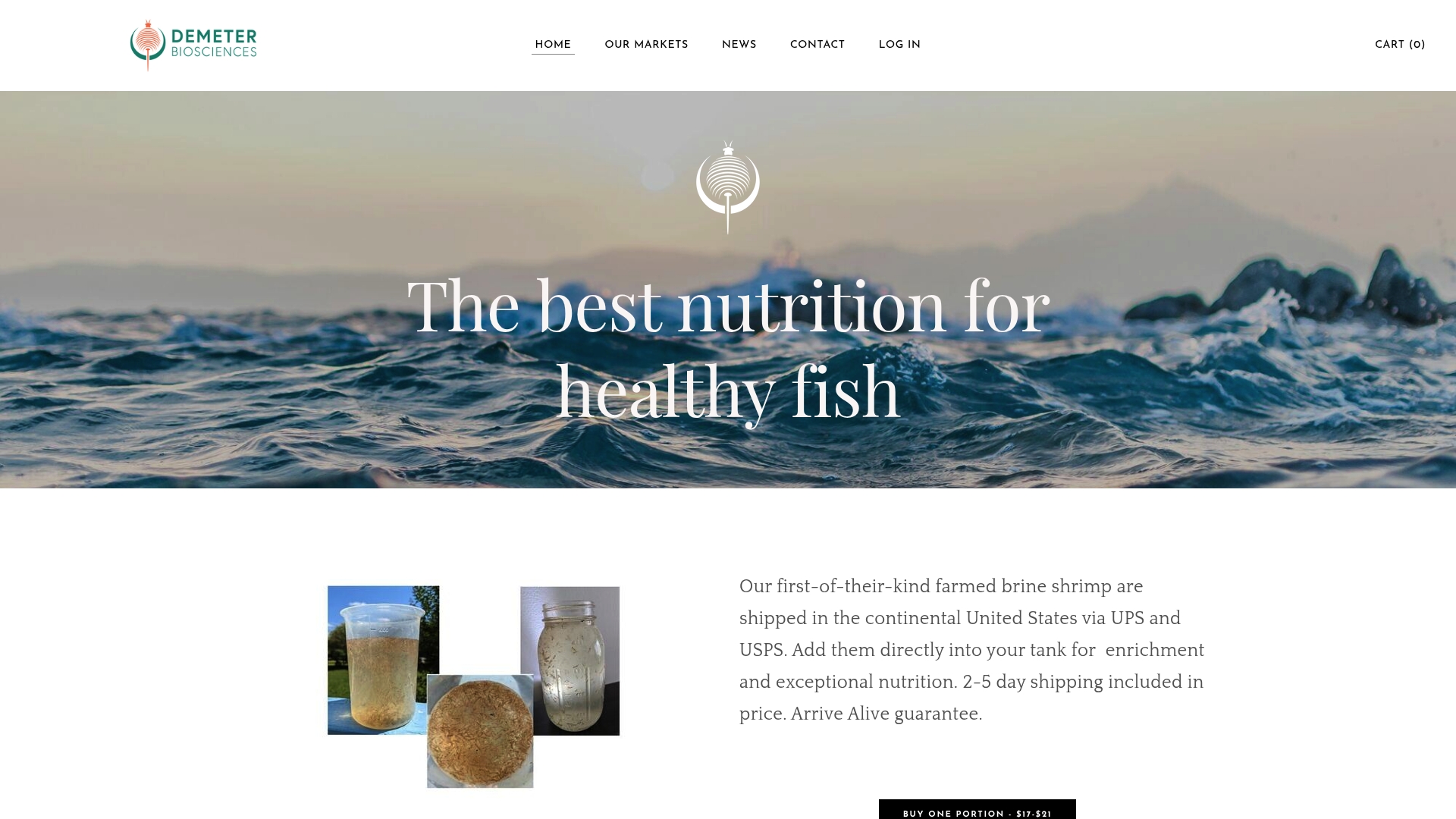
For researchers and aquaculture professionals who need a verified, high-quality live feed component, Demeterbioscience offers live brine shrimp products with consistent nutritional profiles, direct-to-facility shipping, and subscription plans that support multi-month feeding trials. Explore the full brine shrimp product range or contact the team directly to discuss your specific nutritional consistency requirements.
FAQ
What does nutritional consistency mean in fish research?
Nutritional consistency means that every experimental diet delivers matched macronutrient and micronutrient levels across all batches and time points within a study. It requires verified formulation, uniform mixing, controlled storage, and periodic proximate composition checks.
Why is mixer CV important for fish feed quality?
Mixer coefficient of variation (CV) measures how uniformly ingredients are distributed within a batch. A CV above 10% creates nutrient dose variation within the same batch, which introduces uncontrolled variables into feeding trials and compromises data reproducibility.
How often should proximate composition be checked during a fish trial?
Proximate composition should be verified at trial start, at the midpoint, and at the end of the study. Mid-study checks detect formulation drift caused by ingredient lot changes or storage degradation before the data is compromised.
Can two diets with the same crude protein deliver different nutrition to fish?
Yes. Apparent digestibility coefficients vary widely by ingredient and rearing system. Asian seabass protein ADCs range from approximately 81% to 93% across ingredients, meaning identical crude protein targets can deliver meaningfully different usable nitrogen depending on which ingredients were used.
What storage conditions preserve fish feed nutrient quality?
Feed should be stored at water activity at or below 0.65, warehouse temperature below 25°C, and relative humidity below 60% to 65%. Continuous data logging of temperature and humidity is required to document compliance across multi-month research trials.