
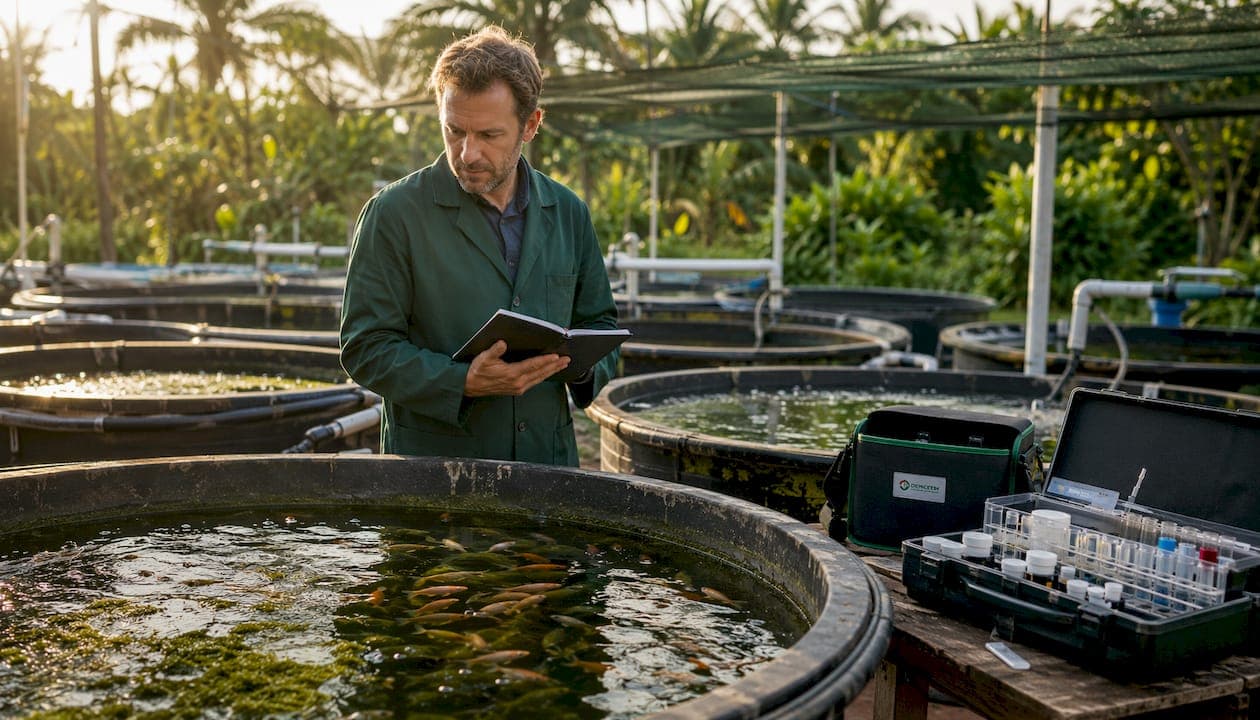
Microalgae deliver bioavailable antioxidants, essential fatty acids, immune-stimulating pigments, and complete proteins that measurably improve fish health — and the evidence from 2024–2026 peer-reviewed trials backs every one of those claims. For aquarium hobbyists and aquaculture buyers, the practical takeaway is straightforward: fish fed live prey gut-loaded with quality microalgae outperform fish fed starved or wild-caught alternatives on nearly every health metric that matters and can benefit from specialized τροφές για μικρά ζώα σε χαμηλές τιμές to support their aquatic pets.
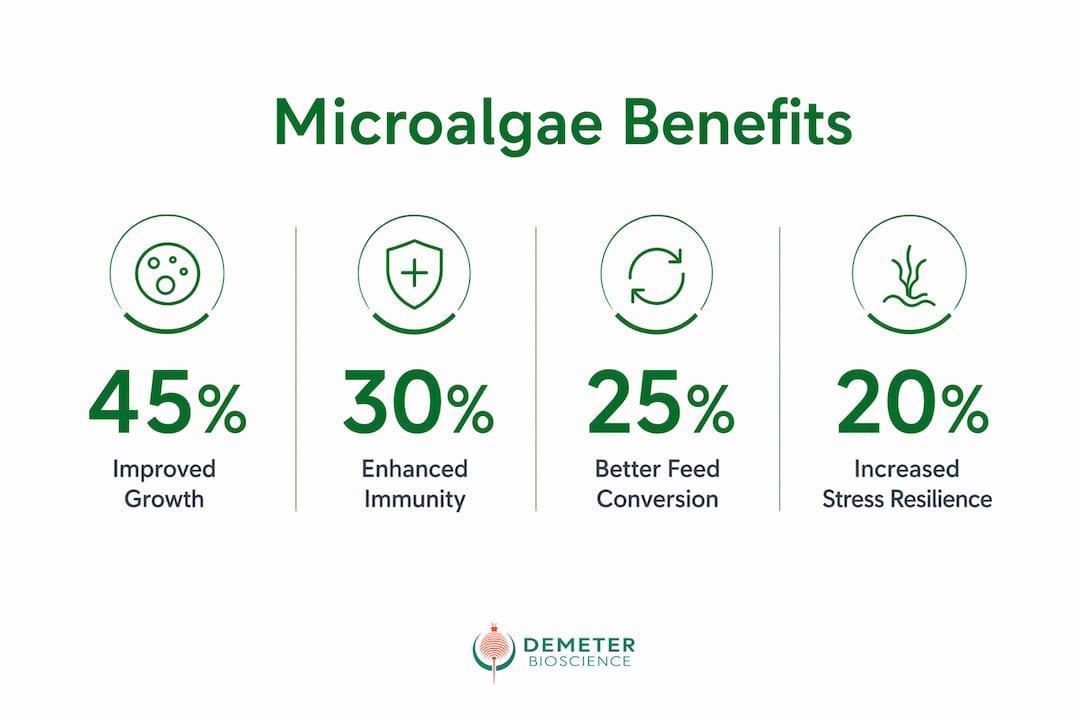
At a glance — what microalgae do for fish:
- Reduce oxidative stress through astaxanthin and phycocyanin
- Strengthen immune response (higher lysozyme and IgM activity)
- Increase muscle DHA levels and improve fillet fatty acid profiles
- Improve gut microbiome diversity and intestinal structure
- Enhance natural coloration through pigment deposition
- Support better growth and feed conversion, especially in larvae and juveniles
Demeterbioscience's live brine shrimp, gut-loaded exclusively on Dunaliella, put these benefits into a single, ready-to-feed product.
Table of Contents
- What does the research actually show about microalgae and fish health?
- How do microalgae actually work inside a fish?
- What practical benefits will you actually see in your fish?
- How to feed microalgae-fed live brine shrimp effectively
- How to choose quality microalgae-fed live food
- Does microalgae-fed live prey affect water quality and the environment?
- How we know: the research and expertise behind this guide
- Key Takeaways
- Demeter's perspective on microalgae-fed live prey
- Demeterbioscience's algae-fed live brine shrimp: order now
- Useful sources and further reading
What does the research actually show about microalgae and fish health?
The peer-reviewed evidence from 2024–2026 is consistent across species and life stages: microalgae inclusion improves fish health on multiple fronts simultaneously.
Stat to know: DHA levels in fish muscle increased noticeably in documented feeding trials following dietary microalgae adjustments.
Key findings from recent studies:
- Antioxidant and immune gains: Microalgae diets significantly improve antioxidant capacity, immune response, and growth in multiple species, with fish oil successfully replaced up to 80% in rainbow trout without negative effects on growth or blood parameters.
- Gut microbiome shifts: Chlorella vulgaris diets modulated beta-diversity in Atlantic salmon digesta and mucosa, with dose-dependent changes in bacterial composition.
- Intestinal and immune structure: Pediastrum boryanum supplementation in Nile tilapia produced higher IgM and lysozyme activity, elevated antioxidant enzyme levels (SOD, CAT, GSH), and improved intestinal villous height.
- Fillet quality: Omega-3 levels, pigment deposition, and reduced lipid oxidation all improved in fillets from microalgae-supplemented fish.
- Fish oil substitution: Replacing fish oil with Schizochytrium sp. maintained growth and occasionally improved immune markers in rainbow trout and tilapia trials.
One nuance worth noting: inclusion rate matters. A 14% daily Chlorella dose impaired feed conversion in one trial, while a weekly 14% dose improved transcriptional resilience to oxidative stress. Species and life stage also shape outcomes — larvae and smolts at seawater transfer tend to show the largest gains.
How do microalgae actually work inside a fish?
Microalgae function as a multifaceted health pack because the whole biomass delivers several classes of compounds that act together rather than in isolation.
Compound → primary effect:
- Astaxanthin (from Haematococcus pluvialis) → reduces oxidative stress, protects immune cells, enhances stress tolerance
- Phycocyanin (from Arthrospira platensis) → boosts mucosal immunity and disease resistance
- DHA/EPA and long-chain PUFAs → support cell membrane integrity, neural function, and muscle fatty acid profiles
- Polysaccharides and β-glucans → modulate immune cell activation and reduce pro-inflammatory cytokines
- Carotenoid pigments (lutein, zeaxanthin) → deposit directly in muscle tissue, driving natural coloration
- Complete proteins and amino acids → fuel growth and tissue repair
Bioavailability is where whole-biomass microalgae pull ahead of isolated additives. The natural matrix improves uptake of pigments, lipids, and vitamins through synergistic effects that isolated supplements simply cannot replicate. Strain selection matters too: some species have tough cell walls that limit nutrient release. Dunaliella, for instance, has a soft, easily digestible cell structure, which is one reason it performs well as a gut-loading feed.
Pro Tip: If you're comparing microalgae products, look for "broken cell wall" or "easily digestible" on the label — these processing notes signal better nutrient release, especially for smaller fish and larvae.
What practical benefits will you actually see in your fish?
Translate the mechanisms above into tank or pond observations, and the list gets concrete fast.
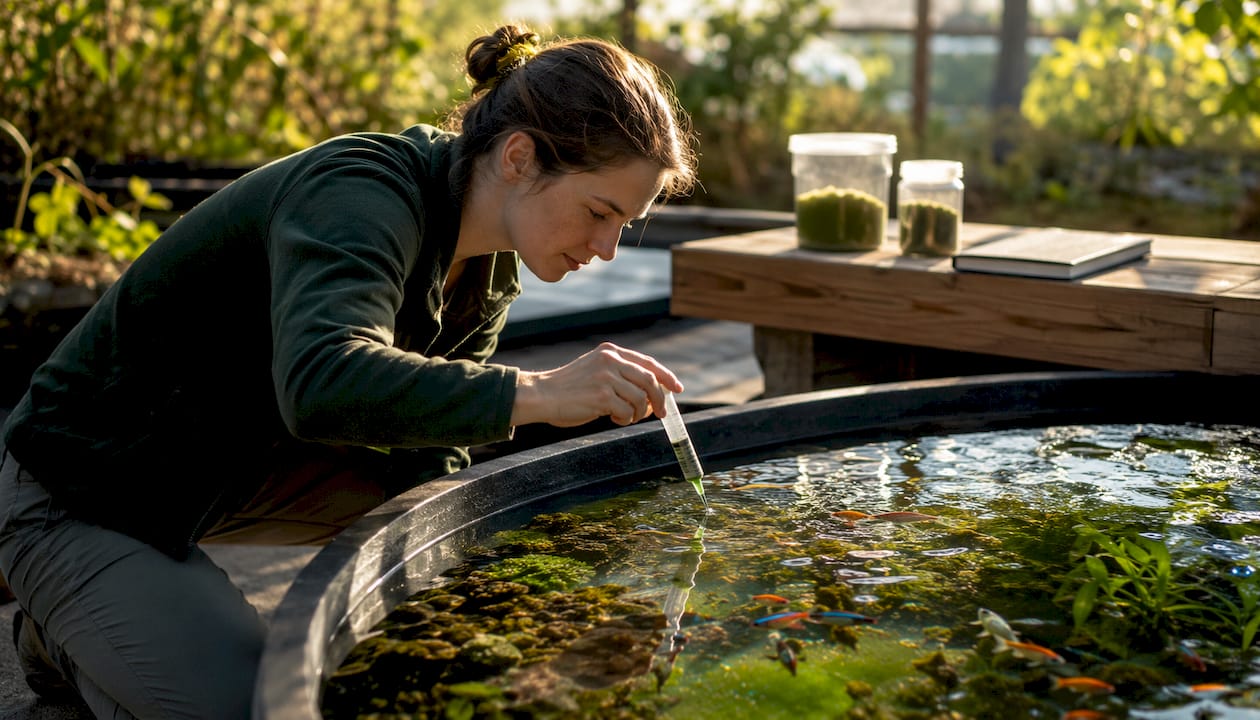
For aquarium hobbyists, the most visible changes are coloration and vitality. Pigments like lutein and zeaxanthin deposit directly in muscle tissue, producing richer, more saturated color within weeks of consistent feeding. Fish also tend to be more active and show fewer stress behaviors.
For aquaculture operations, the gains show up in the numbers. Improved feed conversion ratios, better survival through vulnerable life stages (particularly larvae and smolts at seawater transfer), and measurably higher DHA content in harvested fillets all translate to product quality and margin. Atlantic salmon fed broken-cell-wall Chlorella vulgaris showed improved feed conversion ratio compared to controls, and DHA levels in muscle increased across all groups following seawater transfer.
Disease resistance is another practical win. Elevated lysozyme activity and higher IgM levels mean fish mount faster innate immune responses to pathogens. That matters most during high-stress periods: transport, temperature swings, stocking density spikes.
One scheduling note: a weekly high-dose strategy with Chlorella improved stress resilience more than daily low-dose feeding in one Scientific Reports trial. Results vary by species, inclusion rate, and how consistently you feed — benefits accumulate over weeks, not after a single meal.
How to feed microalgae-fed live brine shrimp effectively
The core principle: brine shrimp only pass on what they have recently consumed. A shrimp that has been starved for 24 hours delivers almost no nutritional value, regardless of what it was fed before. Freshness and recent gut loading are everything.
- Receive and inspect. When your live brine shrimp arrive, check for activity and color. Properly gut-loaded shrimp fed on Dunaliella will show a visible orange-green tint from the algae in their digestive tract. Sluggish, pale, or odorless shrimp may have been starved in transit.
- Acclimate before feeding. Float the shipping bag in your tank for 15–20 minutes to equalize temperature, then introduce shrimp gradually rather than dumping the full volume at once.
- Feed by life stage. Larvae and fry benefit from daily feedings of small amounts — enough to be consumed within 10–15 minutes. Juveniles and adults do well on once- or twice-daily feedings. For aquaculture systems, match feeding frequency to your FCR targets.
- Portion conservatively. Overfeeding live prey is the most common mistake. Uneaten shrimp die and decompose, spiking ammonia. Start with a small portion, observe consumption, and scale up.
- Transition gradually. If switching from frozen or pellet feed, introduce live shrimp as a supplement first — roughly 20–30% of the daily ration — then increase over 7–10 days. This avoids digestive disruption and lets you monitor acceptance.
For more detail on algae-fed shrimp feeding schedules, the algae in brine shrimp diet guide covers strain-specific nutrition and practical aquarist tips.
Pro Tip: Never add live brine shrimp to a tank immediately after a water change or medication dose — both scenarios stress the shrimp and reduce their survival time in the water column, cutting the nutritional window for your fish.
How to choose quality microalgae-fed live food
Not all "algae-fed" live brine shrimp are equal. Here's what separates a genuinely nutritious product from marketing copy.
Green flags to look for:
- Feed strain is named (e.g., Dunaliella salina) — not just "algae"
- Land-based, controlled cultivation environment stated
- Evidence of recent gut loading (color, activity, labeling)
- Cold-chain shipping with guaranteed live arrival
- Documented protein content (≥40% is a meaningful benchmark)
- Nutritional analysis available on request
Red flags:
- "Wild-caught" with no stated feeding protocol
- Vague "algae blend" with no strain identification
- No freshness or cold-chain information
- Inconsistent live counts on arrival
- No protein or fatty acid data available
Demeterbioscience checks every green-flag item above. Their shrimp are raised in land-based systems on Dunaliella exclusively, with guaranteed live arrival and a documented ≥40% protein content. The production practices page details the cultivation and quality controls. For a deeper look at which algae strains perform best for gut loading, the algae types guide is worth reading before you buy.
| Quality signal | What it tells you |
|---|---|
| Named feed strain (Dunaliella) | Predictable fatty acid and pigment profile |
| Land-based cultivation | Consistent nutrition, no seasonal variability |
| Recent gut loading confirmed | Nutrients are actually present at feeding |
| ≥40% protein documented | Meaningful growth and tissue-repair support |
| Cold-chain shipping | Shrimp arrive alive and nutritionally intact |
Does microalgae-fed live prey affect water quality and the environment?
Handled correctly, microalgae-fed live prey can actually reduce tank stressors rather than add to them. The key is portion control and timing.
Practical water-quality steps:
- Introduce live shrimp in small batches rather than all at once
- Remove uneaten shrimp after 20–30 minutes with a fine net or siphon
- Monitor ammonia and nitrite for 48 hours after first introduction, especially in established reef or planted tanks
- Quarantine new live-food shipments in a separate container for 24 hours if you're concerned about pathogen introduction
On the broader environmental side, land-based microalgae cultivation offers real sustainability advantages over wild-harvested feed. Microalgae-based systems can remove excess nutrients from rearing water and function as biofilters, reducing the waste load in aquaculture effluent. Cultured live prey also sidestep the starvation cycles common in wild-caught feeds, delivering consistent nutrition without depleting natural populations. For more on how microalgae address nutrient pollution, Demeterbioscience's microalgae and pollution mitigation page covers the mechanism in detail.
Pro Tip: If you notice a sudden microbial bloom or cloudiness after introducing live feed, reduce the portion size and increase surface aeration — the bloom is usually a bacterial response to organic load, not a disease event.
How we know: the research and expertise behind this guide
The claims in this article rest on peer-reviewed feeding trials and controlled experiments, not marketing assertions.
"Microalgae biocompounds act synergistically to fortify fish immunity through antioxidant defense, immune cell activation, and anti-inflammatory modulation, offering sustainable alternatives to chemical treatments in aquaculture." — PMC / NCBI review, 2025
Primary sources used:
- Scientific Reports / Nature — gut microbiome and DHA muscle deposition trials
- MDPI Animals — antioxidant, immune, and fish oil substitution experiments
- Scientific Reports — Chlorella vulgaris — inclusion rate, microbiota, and stress resilience
- MDPI Fishes — fillet quality, omega-3 deposition, whole-biomass bioavailability
- BMC Veterinary Research — intestinal morphology and immune enzyme activity in tilapia
- Frontiers in Marine Science — Atlantic salmon smolt performance across five microalgae species
- MDPI Animals — Schizochytrium — fish oil replacement and DHA outcomes
- ARCC Journals — water quality and feed utilization effects
Demeterbioscience's practical contribution is strain selection and cultivation discipline: raising brine shrimp on Dunaliella in a land-based, controlled system and shipping them live. Their research missions page outlines ongoing work on microalgae nutrition and sustainable aquaculture. When reading the studies above, note that inclusion rates and species vary — outcomes for Atlantic salmon smolts at 8% Chlorella inclusion differ from tilapia at lower rates. Match the study context to your own system before drawing direct comparisons.
Key Takeaways
Microalgae-fed live brine shrimp deliver antioxidants, DHA, immune-stimulating pigments, and complete proteins that produce measurable fish health gains — but only when the shrimp were recently gut-loaded on a digestible, named strain.
| Point | Details |
|---|---|
| Core benefit | Microalgae supply antioxidants, DHA, pigments, and immune compounds that improve fish health across multiple systems simultaneously. |
| DHA muscle increase | DHA levels in fish muscle increased by as much as 23.8% following microalgae dietary adjustments. |
| Whole-biomass advantage | The natural matrix improves bioavailability of pigments, lipids, and vitamins beyond what isolated additives can achieve. |
| Quality checklist | Look for a named feed strain, land-based cultivation, recent gut loading, cold-chain shipping, and ≥40% protein documentation. |
| Demeterbioscience | Raises live brine shrimp on Dunaliella in land-based systems with guaranteed live arrival and documented ≥40% protein content. |
Demeter's perspective on microalgae-fed live prey
The science on microalgae and fish health has moved fast in the past two years, and one thing stands out in the literature: the gap between "microalgae were included in the diet" and "fish actually received the benefit" is almost entirely a cultivation and freshness problem. You can cite every DHA study ever published, but if the brine shrimp arrived starved, the fish got empty biomass.
That's why the choice of Dunaliella as our feed strain isn't arbitrary. Its soft cell wall means nutrients transfer efficiently to the shrimp and then to the fish — no processing tricks required. Land-based cultivation removes the seasonal variability that makes wild-caught feeds nutritionally unpredictable. And shipping live, with cold-chain controls, is the only way to guarantee the gut-loaded nutrition actually reaches your tank.
The research also reinforces something practitioners have known for a while: consistency matters more than any single feeding event. Color, immunity, and growth improvements accumulate over weeks of regular feeding. One impressive shipment won't move the needle; a reliable supply will.
For institutional buyers and aquaculture operations with specific protocol questions, our contact page is the right starting point.
Demeterbioscience's algae-fed live brine shrimp: order now
If the evidence in this guide convinced you that microalgae-fed live prey is worth trying, Demeterbioscience makes the next step simple. Every shipment of live brine shrimp comes gut-loaded on Dunaliella, raised in a land-based controlled system, and shipped with guaranteed live arrival — matching every quality signal in the checklist above. Protein content is documented at ≥40%, fatty acid profiles are consistent across shipments, and there's no guessing about what your fish are actually eating.
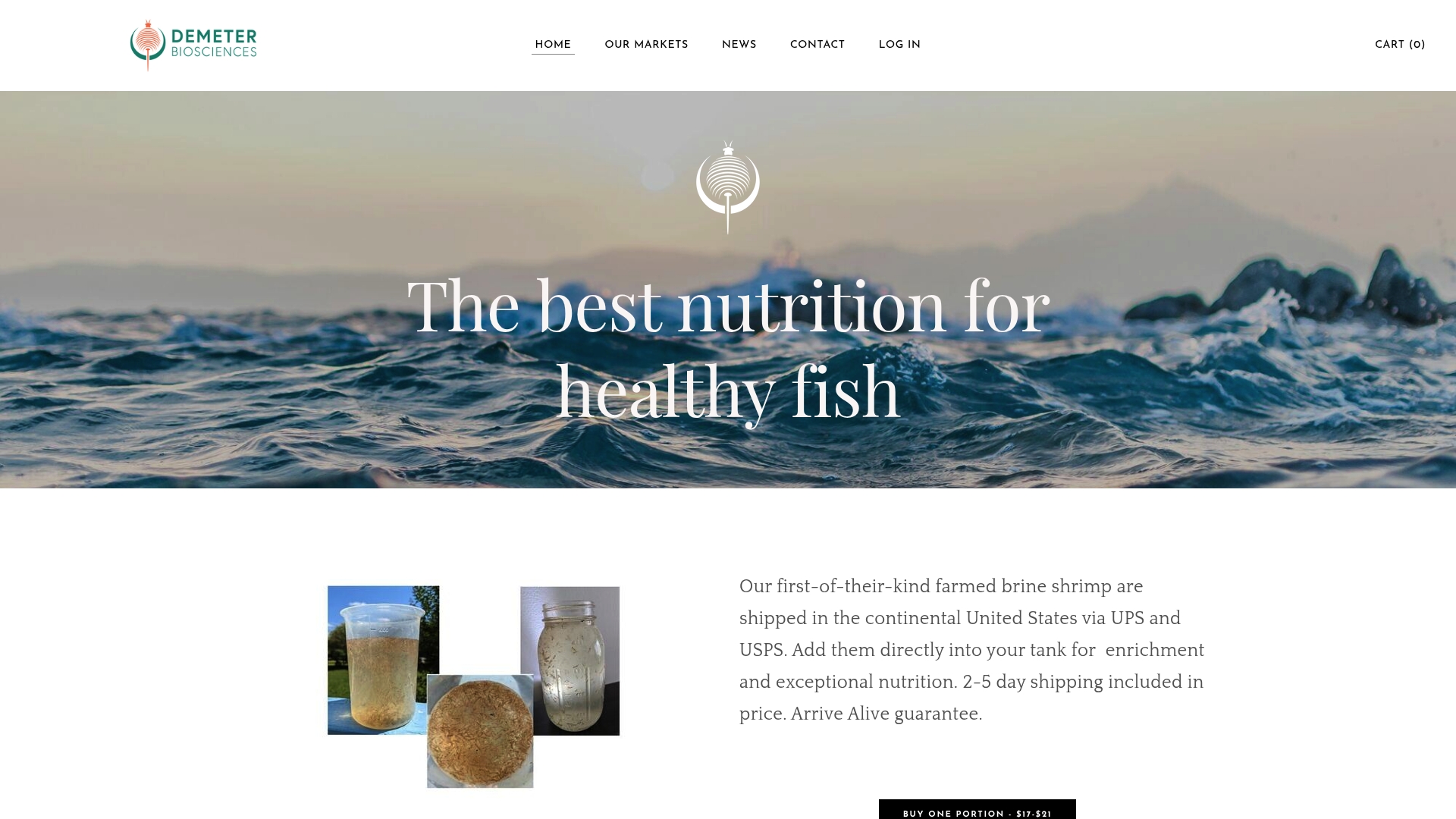
Hobbyists can order single shipments or subscribe for recurring deliveries. Retailers, research institutions, and aquaculture operations can place bulk orders with volume pricing. If you need a custom feeding protocol or have questions about integrating live feed into an existing aquaculture system, reach out directly through the contact page.
Useful sources and further reading
- PMC — Microalgae as Sustainable Aquafeed Ingredients (2025)
- Scientific Reports — Microalgae, gut microbiome, and DHA deposition
- MDPI Animals — Dietary microalgae benefits and fish oil substitution
- Scientific Reports — Chlorella vulgaris, microbiota, and stress resilience
- MDPI Fishes — Fillet quality and whole-biomass bioavailability
- BMC Veterinary Research — Pediastrum boryanum in Nile tilapia
- Frontiers in Marine Science — Atlantic salmon smolt microalgae trial
- MDPI Animals — Schizochytrium fish oil replacement
- ARCC Journals — Feed utilization and water quality effects
- Demeterbioscience — Microalgae as fish feed
- Demeterbioscience — Research missions
When reading these studies, pay attention to inclusion rate and species context — a result in Atlantic salmon smolts at 8% inclusion may not translate directly to a tilapia grow-out system at 2% inclusion. Use the findings as directional evidence, then test in your own system.