
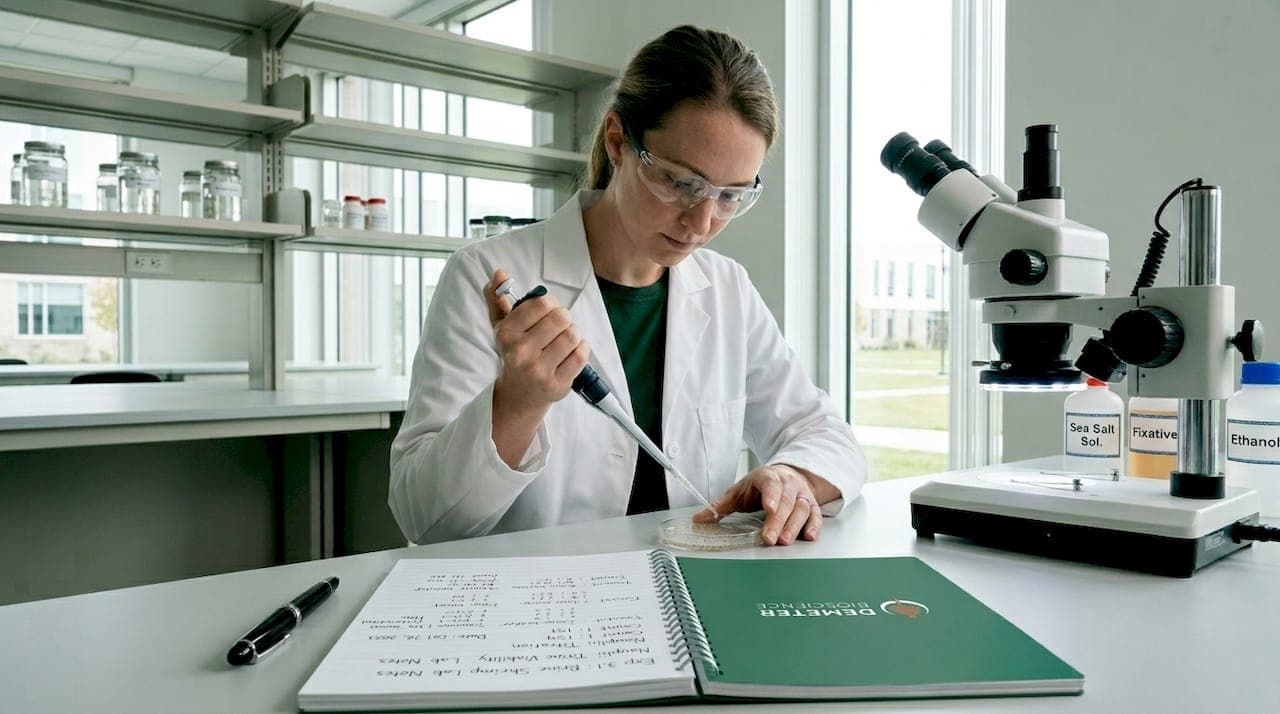
Brine shrimp (Artemia spp.) are defined as euryhaline crustaceans that function as one of the most versatile model organisms in modern biological research. From rapid cytotoxicity screening to hypersaline ecosystem modeling, the brine shrimp uses scientific research list spans pharmacology, aquaculture, ecology, and extremophile biology. Their biological tractability, commercial availability as dormant cysts, and physiological sensitivity to chemical stressors make them indispensable across disciplines. This article catalogs each major application with supporting evidence from recent studies, giving researchers and biology students a precise reference for experimental design and literature review.
1. Brine shrimp uses in scientific research: toxicity and cytotoxicity testing
The Brine Shrimp Lethality Assay (BSLA), also called the Brine Shrimp Lethality Test (BSLT), is the most widely cited first-pass bioassay for general cytotoxicity screening in pharmacology and nanotoxicology. The test is rapid, inexpensive, and does not require sterile laboratory conditions, making it accessible to research groups with limited infrastructure. Critically, BSLT correlates with mammalian cell cytotoxicity assays, which means a positive result justifies escalation to more resource-intensive in vitro or in vivo models.
The standard BSLA setup involves 30 shrimp nauplii in 25 mL of seawater, with test compounds introduced at graded concentrations over 24 to 48 hours. In nanotoxicology, ZnO nanoparticles up to 200 µg/mL caused no more than 10% mortality, demonstrating the assay's utility for establishing biocompatibility thresholds. For plant extract screening, extracts of Annona stenophylla produced LC50 values below 20 µg/mL with approximately 99% mortality, flagging potent bioactive compounds for anticancer investigation.
Key parameters researchers should standardize:
- Salinity: 35 ppt artificial seawater
- Temperature: 25 to 28°C under continuous illumination
- Nauplii age: 48 hours post-hatching (Instar II preferred for digestive tract development)
- Exposure duration: 24 or 48 hours depending on compound class
- Endpoint: LC50 calculated by probit or Abbott's correction
Pro Tip: Use phytochemical screening alongside BSLT to classify toxicity tiers before committing to mammalian cell lines. LC50 values below 1000 µg/mL are conventionally considered cytotoxic, while values below 20 µg/mL indicate high potency.
2. Aquaculture and larviculture feed research
Artemia nauplii are the standard live feed for marine fish and crustacean larvae in aquaculture research worldwide. Their dormant cysts tolerate long-term dry storage at low temperatures, then hatch within approximately 24 hours of hydration in saline water. This on-demand availability is a logistical advantage no other live feed organism currently matches at commercial scale.
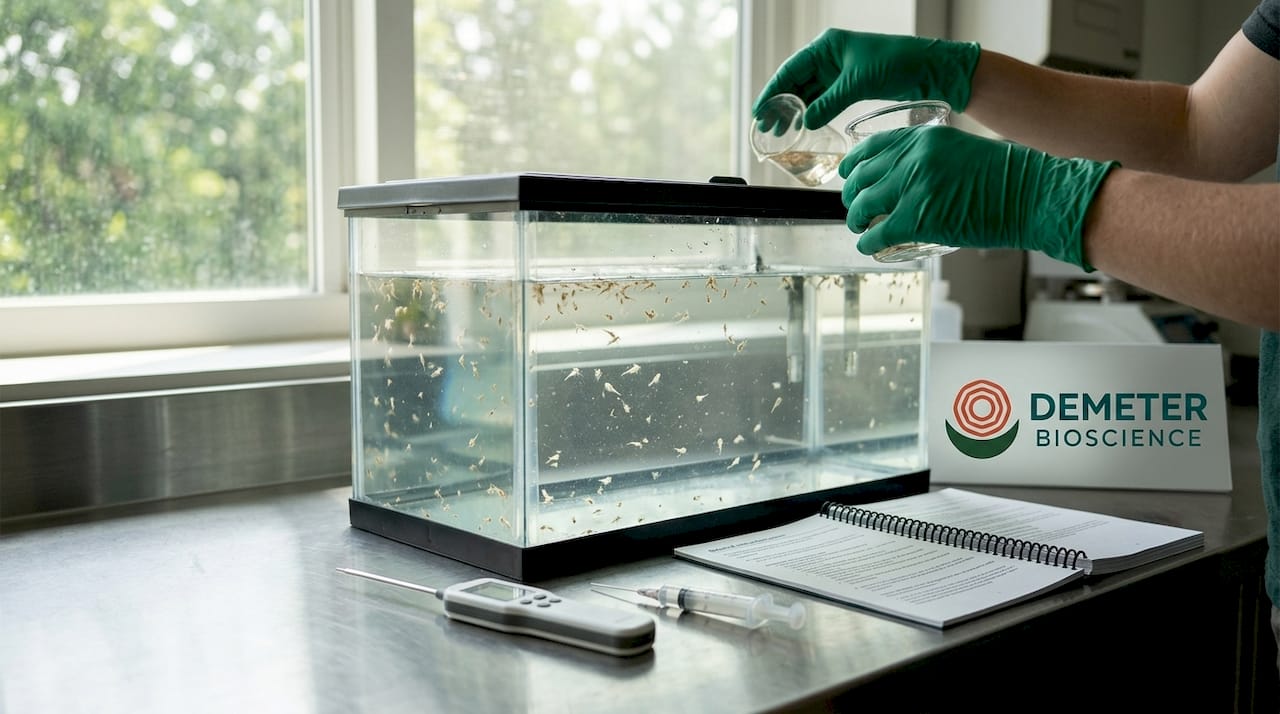
Nutritional composition varies by geographic strain and culture conditions. Nauplii contain 37 to 71% protein, 12 to 30% lipid, and 11 to 23% carbohydrate on a dry weight basis, making them nutritionally dense for larval stages that require rapid tissue synthesis. Researchers studying larval growth rates, feed conversion ratios, or gut microbiome development consistently use Artemia nauplii as the dietary control because of this compositional consistency. You can explore the nutritional profile in depth to understand how strain selection affects experimental outcomes.
Instar stage selection is a non-trivial experimental variable. Instar I nauplii carry large yolk reserves and no functional digestive tract, making them calorie-dense but unable to process supplemental nutrients. Instar II nauplii have an open digestive system and can be gut-loaded with microalgae or probiotics before feeding, which is the basis of enrichment protocols used in larval rearing trials. Researchers designing aquaculture feeding experiments should specify instar stage explicitly to maintain reproducibility across labs.
The role of brine shrimp in larval fish rearing extends beyond simple nutrition. Studies use Artemia to investigate prey size selectivity, predator-prey interaction timing, and the transition from endogenous to exogenous feeding in species like Sparus aurata and Penaeus vannamei.
3. Ecological and biogeochemical research in hypersaline systems
Brine shrimp occupy a keystone position in hypersaline lake ecosystems, and their carcasses serve as measurable organic substrates for studying microbial decomposition and nutrient cycling. A 2026 metagenomic study recovered 149 metagenome-assembled genomes from decomposing Artemia carcasses in a saline lake, with 72% representing novel species. That figure reframes brine shrimp not just as a food organism but as a biological scaffold for discovering microbial diversity.
The metabolic cascades observed follow a predictable handoff sequence: aerobic heterotrophs initiate decomposition, fermenters break down complex organics, sulfate-reducing bacteria process the resulting acids, and methanogenic archaea complete the cycle. Viral genes embedded in microbial genomes were found to enhance microbial metabolic functions, adding a virus-host interaction layer that complicates simple decomposition models. This finding has direct implications for carbon budget calculations in hypersaline lake management.
| Research method | Application in brine shrimp ecology |
|---|---|
| Metagenomics | Identifies novel microbial species in carcass decomposer networks |
| Metabolomics | Tracks organic compound transformation during decomposition stages |
| Microcosm experiments | Simulates hypersaline conditions for controlled nutrient cycling studies |
| Viral metagenomics | Reveals virus-host gene transfers that modulate microbial metabolism |
Pro Tip: Multi-omics approaches combining metagenomics and metabolomics on the same Artemia carcass substrate yield the most mechanistically complete picture of carbon cycling. Single-method studies consistently underestimate metabolic pathway diversity in these systems.
4. Immunology and fish health research
Brine shrimp feeding produces measurable immunological benefits in marine organisms, making Artemia a useful dietary variable in fish health studies. Research on reattached coral polyps showed that brine shrimp feeding suppresses caspase-3 activity and raises antioxidant capacity, two markers of reduced apoptosis and oxidative stress. This finding positions Artemia as more than a caloric source. It functions as a bioactive dietary input with quantifiable immunological effects.
For researchers studying marine organism immunity, this creates a tractable experimental model. You can manipulate Artemia feeding frequency, instar stage, or enrichment protocol and measure downstream immune markers including lysozyme activity, superoxide dismutase levels, and inflammatory cytokine expression. The immunity-enhancing mechanisms are now well-documented enough to serve as a positive control condition in dietary immunology trials.
The practical implication for aquaculture research is significant. Hatcheries that optimize Artemia feeding protocols do not just improve growth rates. They produce larvae with measurably stronger immune profiles, which reduces antibiotic dependency in commercial production systems.
5. Antimicrobial research and hatchery pathogen management
Silver nanoparticles (AgNPs) applied to Artemia cyst incubation systems represent an active area of antimicrobial research with direct hatchery applications. At concentrations of 0.7 to 1 mg/L, AgNPs reduce Vibrio counts without significantly impairing hatching success. Above 1 mg/L, hatching rates decline sharply, defining a narrow therapeutic window that researchers must characterize for each nanoparticle formulation.
The LD50 values differ substantially by developmental stage. Instar I nauplii show an LD50 of 53.21 mg/L for AgNPs at 48 hours, while Instar II nauplii are nearly five times more sensitive at 12.1 mg/L. This stage-dependent toxicity means antimicrobial dose optimization studies must specify the exact developmental stage used, or results will be incomparable across research groups.
Key considerations for antimicrobial research using Artemia:
- Define both microbiological endpoints (pathogen CFU reduction) and shrimp viability endpoints simultaneously
- Report AgNP size and surface coating, as these variables shift the LD50 substantially
- Use hatching success rate as a parallel endpoint to mortality in dose-response curves
- Validate pathogen suppression with culture-independent methods to capture viable but non-culturable bacteria
6. Extremophile adaptation and astrobiology research
Artemia nauplii tolerate conditions lethal to most multicellular organisms, including extreme salinity, ultraviolet radiation, and low atmospheric pressure. Survival studies conducted under simulated Mars atmosphere pressure have positioned brine shrimp as a model organism for extremophile adaptation research with astrobiology applications. No other commercially available crustacean offers this combination of experimental tractability and physiological resilience.
For researchers studying osmotic stress, ion transport, or desiccation tolerance, Artemia cysts provide a uniquely accessible system. The cryptobiotic state of dormant cysts, where metabolic activity essentially halts, is one of the most extreme examples of suspended animation in the animal kingdom. Understanding the molecular mechanisms behind this state informs research on preservation biology, space biology, and stress-response pathways in eukaryotes.
The predator avoidance behavior of Artemia in hypersaline waters also offers a behavioral ecology angle. Their preference for salinity levels above 70 ppt effectively excludes most predators, making them a model for studying habitat selection driven by physiological tolerance rather than resource availability.
7. Drug discovery and pharmacological screening
The BSLT functions as a validated pre-screen in natural product drug discovery pipelines. Researchers use it to triage large compound libraries before committing to cell-based assays, reducing both cost and animal use in early-stage pharmacology. The assay's validation as a pre-screen for bioactive compounds is now standard practice in ethnopharmacology and marine natural product research.
Plant extracts, fungal metabolites, and marine-derived compounds all pass through BSLT as a first filter. Compounds with LC50 values below 1000 µg/mL proceed to targeted cell line assays, while those above the threshold are deprioritized. This tiered approach has accelerated the identification of cytotoxic leads from biodiversity-rich sources including mangrove sediments, coral reef organisms, and medicinal plant collections.
The assay also detects teratogenic activity, which standard cytotoxicity assays miss. Researchers studying developmental toxicity use Artemia embryos as a rapid screen before moving to zebrafish or rodent models, adding another layer of utility to an already cost-effective system.
Key takeaways
Brine shrimp (Artemia spp.) are the most cost-effective multi-purpose model organism available to researchers across toxicology, aquaculture, ecology, immunology, and drug discovery.
| Point | Details |
|---|---|
| BSLT as first-pass screen | The Brine Shrimp Lethality Test correlates with mammalian cytotoxicity and costs a fraction of cell-based assays. |
| Instar stage matters | Specifying Instar I vs. II in experimental design determines nutrient delivery and toxicity sensitivity outcomes. |
| Ecological substrate value | Brine shrimp carcasses host 149+ metagenome-assembled genomes, making them key tools in hypersaline carbon cycling research. |
| Antimicrobial dosing window | AgNPs suppress Vibrio at 0.7 to 1 mg/L in Artemia cultures without impairing hatching, but the margin is narrow. |
| Immunological research utility | Brine shrimp feeding measurably suppresses apoptosis and raises antioxidant capacity in marine organism feeding trials. |
Why brine shrimp deserve more credit in experimental biology
Most researchers encounter Artemia as a convenience organism, something cheap and available that gets the job done in a toxicity screen or a larviculture tank. After years of working with brine shrimp supply and production at Demeterbioscience, I think that framing undersells what these animals actually offer.
The 2026 metagenomic data from Artemia carcass decomposition studies is a good example. Nobody expected a single crustacean carcass to yield 149 metagenome-assembled genomes, 72% of them novel. That result did not come from a charismatic ecosystem or a high-budget expedition. It came from a dead brine shrimp in a saline lake. The organism's ecological significance scales far beyond its body size.
The same logic applies to the BSLT. Researchers sometimes treat it as a legacy method, something from an earlier era before cell-based assays became standard. But its correlation with mammalian cytotoxicity, combined with its speed and low cost, makes it genuinely irreplaceable for high-throughput natural product screening. The multi-omics expansion of ecological substrate research and the emerging astrobiology applications suggest that the most interesting uses of Artemia in research are still ahead, not behind us.
— Demeter
How Demeterbioscience supports your brine shrimp research
Reliable experimental results depend on consistent biological material. Demeterbioscience produces live brine shrimp fed exclusively on Dunaliella microalgae in controlled, land-based systems, delivering a minimum 40% protein content and eliminating the nutritional variability that plagues wild-harvested Artemia.
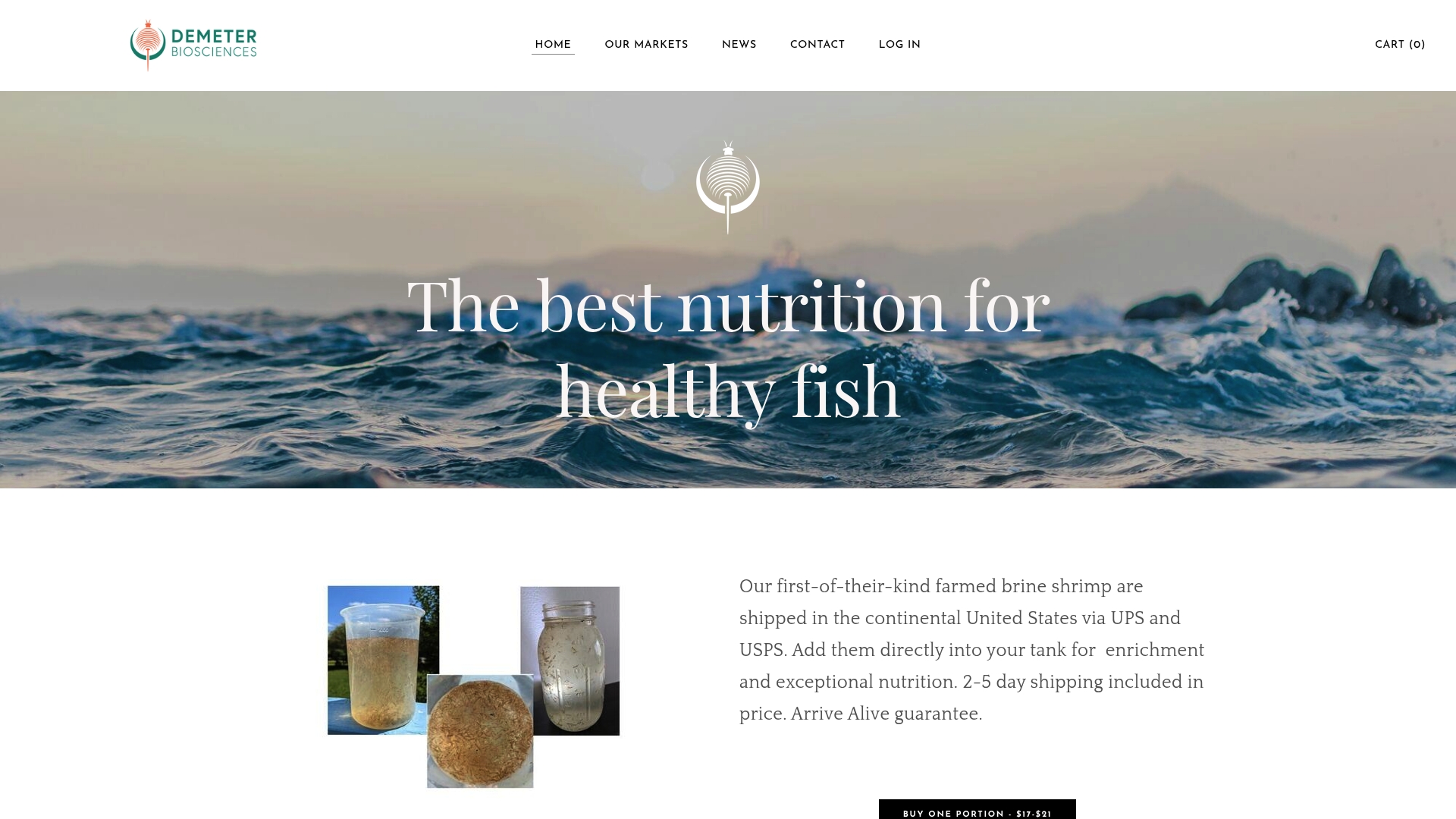
Whether you need live nauplii for aquaculture feeding trials, immunology studies, or toxicity assay controls, Demeterbioscience's brine shrimp products are produced under consistent conditions that support reproducible experimental outcomes. Bulk supply options serve research institutions, hatcheries, and museum aquaria. For custom supply arrangements or research-specific inquiries, the contact page connects you directly with the team.
FAQ
What is the brine shrimp lethality assay used for?
The Brine Shrimp Lethality Assay (BSLA) screens compounds for cytotoxicity and teratogenicity as a rapid, low-cost pre-screen before mammalian cell assays. It is validated for plant extracts, nanoparticles, and marine natural products in drug discovery pipelines.
Why are Artemia nauplii preferred in aquaculture research?
Artemia nauplii hatch on demand from storable cysts and contain 37 to 71% protein by dry weight, making them nutritionally consistent live feed for larval fish and crustacean rearing trials. Instar II nauplii are preferred when gut-loading with enrichment compounds is part of the experimental protocol.
How do brine shrimp contribute to ecological research?
Brine shrimp carcasses function as organic substrates that support complex microbial decomposer networks in hypersaline lakes, driving carbon and nutrient cycling through metabolic cascades from fermentation to methanogenesis. Metagenomic studies of these systems have recovered hundreds of novel microbial genomes.
What is the safe concentration of silver nanoparticles in Artemia hatcheries?
AgNPs at 0.7 to 1 mg/L suppress Vibrio pathogens in Artemia cyst incubation without significantly reducing hatching success. Concentrations above 1 mg/L cause measurable hatching impairment, so dose optimization studies must treat both pathogen reduction and shrimp viability as co-primary endpoints.
Can brine shrimp be used in extremophile research?
Yes. Artemia nauplii have survived simulated Mars-like low-pressure conditions, and their cryptobiotic cysts represent one of the most extreme examples of metabolic suspension in the animal kingdom. These properties make them a practical model for studying osmotic stress, desiccation tolerance, and space biology.