
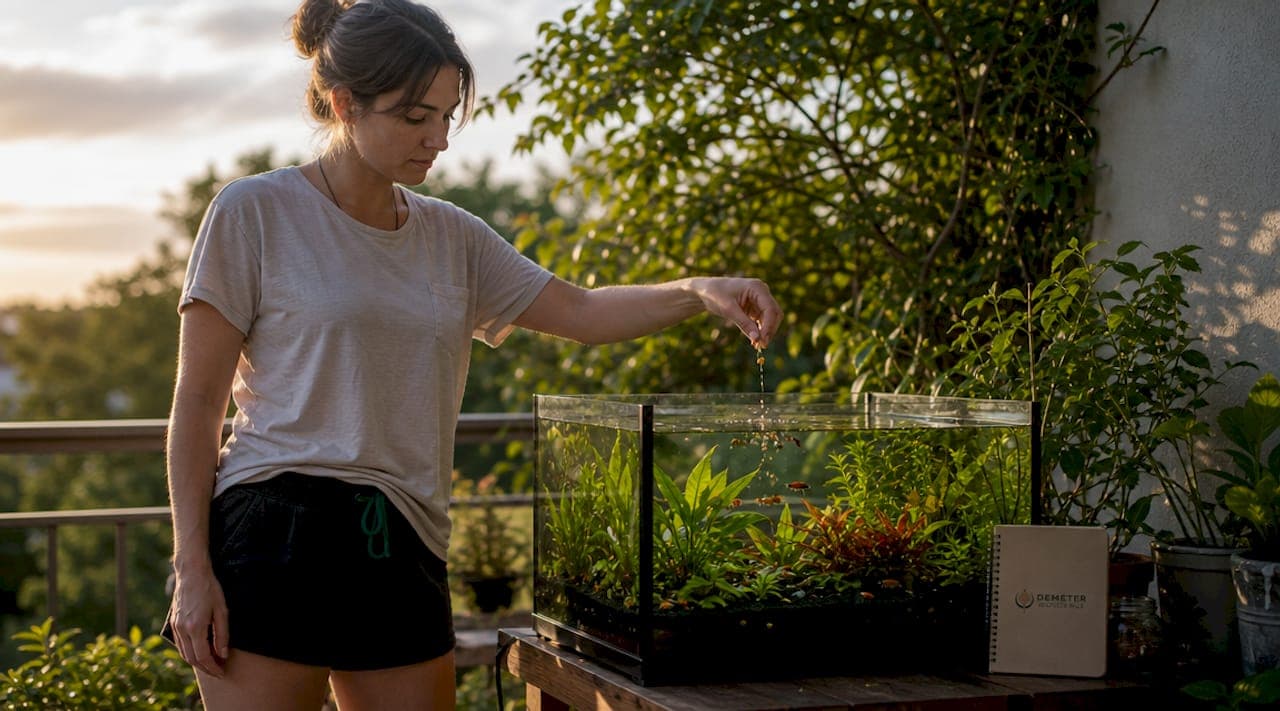
Supplementing your fish diet with algae-fed shrimp is the most direct way to transfer concentrated nutrition from microalgae to your aquarium fish without changing their natural feeding behavior. Algae-fed shrimp, known in aquaculture as enriched live feeds, carry bioactive compounds including omega-3 fatty acids, antioxidants, and amino acids that plain flake food cannot replicate. Research on species like Spirulina platensis and Ascophyllum nodosum confirms measurable improvements in fish growth, immunity, and survival when shrimp are raised on these algae before being fed to fish. Demeterbioscience has built its entire production model around this principle, cultivating brine shrimp exclusively on the microalgae Dunaliella to deliver consistent, high-protein live feed.
How to supplement fish diet with algae-fed shrimp for better health
Algae-fed shrimp function as nutritional delivery vehicles. When shrimp consume algae, they concentrate its nutrients in their tissue, and those nutrients transfer directly to your fish upon consumption. This is why the shrimp's diet matters as much as the shrimp itself.
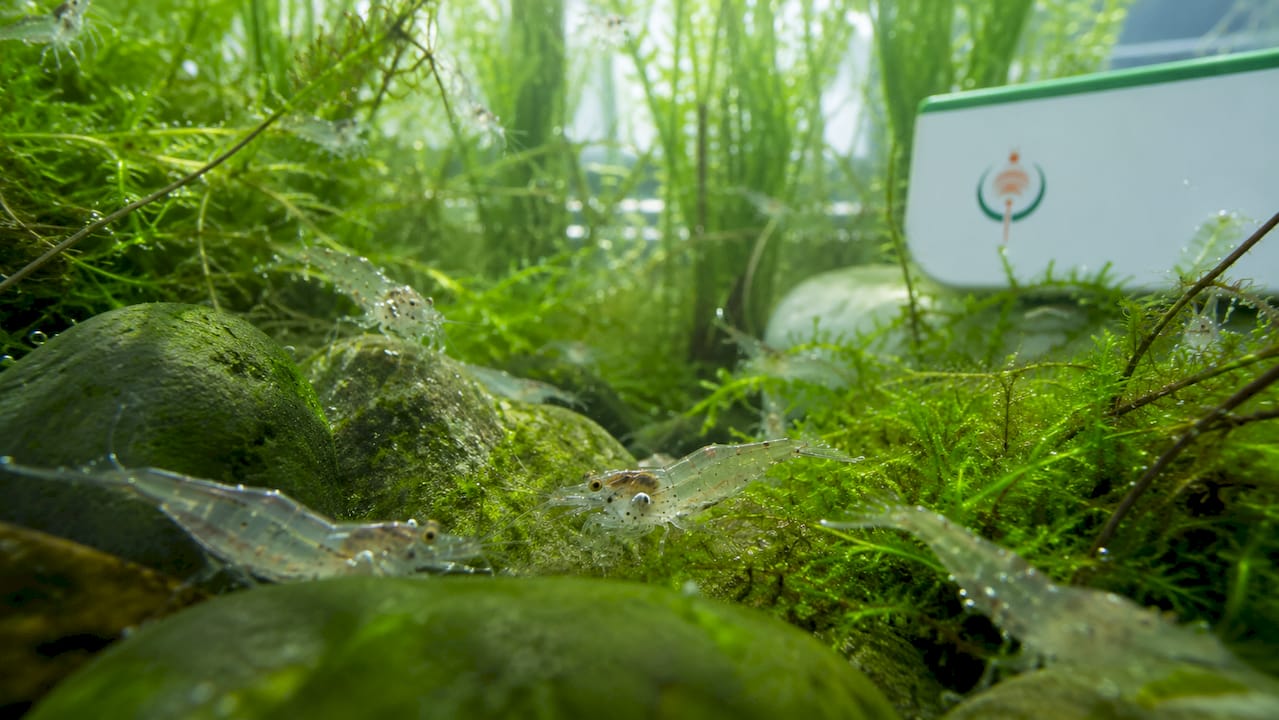
Research confirms that algae-fed shrimp show lower lipid and higher protein and ash content compared to conventionally fed shrimp. That shift in body composition means your fish receive a leaner, protein-dense meal with every feeding. For ornamental fish keepers, this translates to better color, stronger immune response, and more consistent growth across the tank.
The key nutritional upgrades algae-fed shrimp deliver to fish include:
- Higher protein content: Shrimp fed 10% Spirulina platensis reach 23.51% protein content with reduced fat, making them superior feeder shrimp compared to wild-caught alternatives.
- Omega-3 fatty acids: Algae oil is a sustainable omega-3 source that increases EPA and DHA levels in shrimp tissue without affecting palatability for fish.
- Antioxidants and vitamins: Algae act as immunostimulants and growth enhancers in shrimp, loading their tissue with compounds that support fish immune defense after consumption.
- Disease resistance transfer: Fish that regularly consume algae-enriched shrimp show improved resistance to common pathogens, a benefit that originates in the shrimp's own enhanced immunity.
Pro Tip: Feed algae-fed shrimp to your fish within 30 minutes of introducing them to the tank. Shrimp that sit in aquarium water without food begin losing their nutritional load quickly, reducing the benefit to your fish.
Which algae species work best in shrimp feed?
Not all algae produce the same results in shrimp, and the inclusion rate matters as much as the species. Two algae stand out in peer-reviewed research published through 2026.
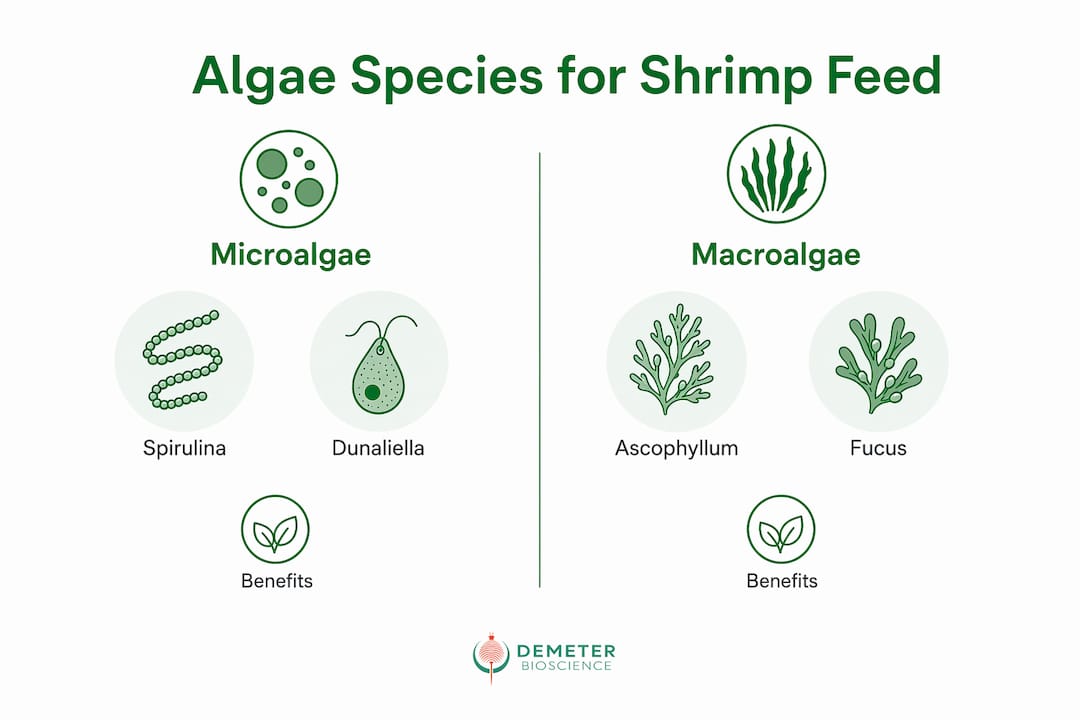
Spirulina platensis is the most studied microalgae for shrimp feed supplementation. A 10% dietary inclusion produces the best growth and survival outcomes in shrimp, outperforming both 5% and 15% inclusion rates. At 10%, shrimp protein content peaks while lipid levels drop, creating the ideal nutritional profile for use as feeder shrimp. Going above 15% does not improve results and can negatively affect feed conversion.
Ascophyllum nodosum, a brown macroalgae harvested from North Atlantic coastlines, works at a different inclusion range. Feeding shrimp 30 to 40 g/kg of this algae boosts antioxidant enzyme activity, specifically catalase (CAT) and superoxide dismutase (SOD), and reduces mortality after pathogen exposure. The feed conversion ratio improves to 2.02 to 2.06 at this range, meaning shrimp grow more efficiently and deliver better value as live feed.
| Algae species | Optimal inclusion | Primary benefit | Form available |
|---|---|---|---|
| Spirulina platensis | 10% of diet | Higher protein, lower lipid | Dried powder, meal |
| Ascophyllum nodosum | 30 to 40 g/kg | Antioxidant boost, disease resistance | Dried meal |
| Dunaliella | Exclusive diet (Demeterbioscience model) | Consistent protein above 40% | Live culture, controlled system |
Algae supplements for shrimp feed come in three practical forms: dried powders, pressed meals, and liquid concentrates. Dried Spirulina powder mixes directly into shrimp feed paste or suspension. Brown macroalgae meals are typically incorporated into pelleted shrimp diets. Store dried algae in airtight containers away from light and heat. Oxidation degrades carotenoids and fatty acids within weeks of improper storage, reducing the nutritional transfer your fish ultimately receive.
Pro Tip: When sourcing dried Spirulina for shrimp feed, check for a deep blue-green color and a clean, slightly earthy smell. Faded or yellowish powder has lost most of its phycocyanin and antioxidant value.
What is the best method to feed algae-fed shrimp to your fish?
A structured feeding routine produces better results than occasional supplementation. Here is a practical approach for aquarium fish keepers:
- Start with two to three feedings per week. Introduce algae-fed shrimp as a supplement, not a replacement, for your fish's existing diet. This frequency allows you to observe behavioral and physical responses before committing to daily feeding.
- Match shrimp size to fish mouth size. Juvenile fish require nauplii or very small shrimp. Adult fish can handle adult brine shrimp. Offering shrimp that are too large causes stress and wasted food that degrades water quality.
- Feed in the morning or early evening. Fish are most active and digestively ready during these windows. Feeding at consistent times also reduces stress-related behaviors in the tank.
- Remove uneaten shrimp within one hour. Live shrimp that survive the feeding window consume oxygen and can stress the tank ecosystem. A small net works well for removal.
- Balance with other food sources. Algae-fed shrimp excel at delivering protein and bioactive compounds, but your fish still need carbohydrates and fiber from plant-based flakes or pellets. A consistent nutrition strategy prevents deficiencies that shrimp alone cannot address.
Compatibility between shrimp and fish is a practical concern you cannot ignore. Algae-eating shrimp are peaceful and non-aggressive toward fish, but larger fish will predate on them if no hiding places exist. In tanks where you want shrimp to coexist as cleaners rather than feed, add dense planting or ceramic caves. In dedicated feeding tanks, this is not a concern since the shrimp are intended as food.
For aquariums using biofloc systems, note that biofloc-only diets do not fully meet fish nutritional needs. Algae-fed shrimp supplementation fills the gap that biofloc leaves in protein and fatty acid delivery.
What are common mistakes when supplementing fish diets with algae shrimp?
Most problems with algae-fed shrimp supplementation trace back to three sources: wrong inclusion rates, poor compatibility planning, and neglected water quality.
"Simply adding algae to shrimp feed is not enough. Specific inclusion rates are critical for optimizing shrimp dietary benefits, and exceeding optimal levels can harm both shrimp composition and the fish that consume them." — Research synthesis from Indian Journal of Animal Research
The most common mistakes to avoid:
- Over-supplementing algae in shrimp feed. Inclusion rates above 15% Spirulina reduce growth performance and alter body composition in ways that do not benefit feeder shrimp quality. More is not better here.
- Ignoring predation dynamics. Placing small shrimp in a tank with large cichlids or aggressive species without cover results in immediate predation before any nutritional benefit occurs. Plan your tank layout before introducing shrimp.
- Relying solely on shrimp for fish nutrition. Algae-fed shrimp are a supplement, not a complete diet. Fish fed exclusively on shrimp, even high-quality ones, can develop vitamin C and carbohydrate deficiencies over time.
- Overfeeding and water quality decline. Excess shrimp in the tank spike ammonia levels as they die and decompose. A liquid biological filter like Sera Bio Nitrivec helps manage bacterial load when live feeding is part of your routine.
- Using nutritionally depleted shrimp. Wild-harvested brine shrimp often arrive in a starved state due to seasonal variability in natural ecosystems. Their nutritional content is inconsistent and frequently lower than farmed, algae-fed alternatives.
The solution to most of these problems is sourcing shrimp from a controlled cultivation system where diet, protein content, and health are verified before shipment. This is where the production model matters as much as the feeding routine.
Key takeaways
Algae-fed shrimp are the most effective live feed supplement for transferring concentrated microalgae nutrition directly to aquarium fish.
| Point | Details |
|---|---|
| Optimal algae inclusion | Feed shrimp 10% Spirulina or 30 to 40 g/kg Ascophyllum nodosum for peak nutritional output. |
| Protein and immunity gains | Algae-fed shrimp carry higher protein and antioxidant enzymes that transfer directly to fish health. |
| Feeding frequency | Two to three feedings per week balances nutritional benefit with water quality management. |
| Avoid over-supplementation | Exceeding 15% Spirulina inclusion reduces shrimp quality and diminishes the benefit to fish. |
| Source matters | Farmed, algae-fed shrimp from controlled systems outperform wild-harvested shrimp in consistency and nutrition. |
Why I think most aquarium keepers underestimate the shrimp's diet
Most hobbyists focus entirely on what their fish eat and never think about what their feeder shrimp ate before entering the tank. That gap in thinking is where nutrition gets lost. A brine shrimp that spent its life in a salt flat with minimal food delivers almost nothing to your fish beyond movement stimulus. A brine shrimp raised on Dunaliella or Spirulina in a controlled system is a fundamentally different product.
What I have seen in practice is that fish fed consistently on high-quality algae-enriched shrimp show noticeably better coloration within four to six weeks. Their immune response improves in ways that reduce the frequency of common infections. These are not dramatic overnight changes, but they are real and measurable over a season of consistent feeding.
The research on microalgae as fish feed supports what experienced aquarists observe anecdotally. The science and the hobby are pointing in the same direction. The practical step is to stop treating feeder shrimp as a generic commodity and start treating them as a nutritional tool with specific quality requirements.
Sustainability is the other dimension most hobbyists overlook. Wild brine shrimp harvesting is subject to seasonal crashes and ecosystem pressure. Land-based algae cultivation for shrimp feed removes that dependency entirely. Choosing farmed, algae-fed shrimp is not just better for your fish. It is a choice that removes pressure from wild aquatic ecosystems, which matters if you care about the long-term health of the hobby.
— Demeter
How Demeterbioscience supports your algae-fed shrimp feeding routine
Demeterbioscience produces live brine shrimp raised exclusively on Dunaliella microalgae in a land-based, organic cultivation system. Every shipment guarantees a minimum of 40% protein content, eliminating the nutritional variability that makes wild-harvested shrimp unreliable as a fish feed supplement.
Whether you keep ornamental fish at home, manage a local fish store, or supply an aquarium exhibit, Demeterbioscience offers direct-to-consumer shipments, monthly subscription plans, and bulk retail packages designed to fit your feeding schedule. Their controlled production environment means you receive shrimp that are nutritionally loaded and ready to deliver real benefit to your fish from the first feeding. Explore the full range of algae-fed brine shrimp options and find the plan that fits your tank.
FAQ
What are algae-fed shrimp?
Algae-fed shrimp are shrimp raised on diets containing microalgae such as Spirulina platensis, Ascophyllum nodosum, or Dunaliella, which increases their protein content and loads their tissue with antioxidants and omega-3 fatty acids. They function as enriched live feeds that transfer superior nutrition to fish upon consumption.
How often should I feed algae-fed shrimp to my fish?
Two to three feedings per week is the recommended starting frequency, allowing you to monitor fish response and maintain water quality before increasing to daily supplementation.
Can algae-fed shrimp replace regular fish food entirely?
No. Algae-fed shrimp excel at delivering protein, fatty acids, and immune-boosting compounds, but fish also require carbohydrates and additional vitamins best supplied through plant-based flakes or pellets alongside shrimp feeding.
Do algae-fed shrimp harm aquarium water quality?
Live shrimp that go uneaten will die and decompose, raising ammonia levels. Remove uneaten shrimp within one hour of feeding and maintain biological filtration to keep water parameters stable.
Why are farmed algae-fed shrimp better than wild-harvested brine shrimp?
Wild brine shrimp frequently arrive in a nutritionally depleted state due to starvation conditions in natural ecosystems. Farmed shrimp raised on controlled algae diets deliver consistent protein levels above 40%, making them a reliable nutritional supplement rather than a variable commodity.